“Where the gods walk among glaciers, and the mountains echo with mantras.”
📖 Overview
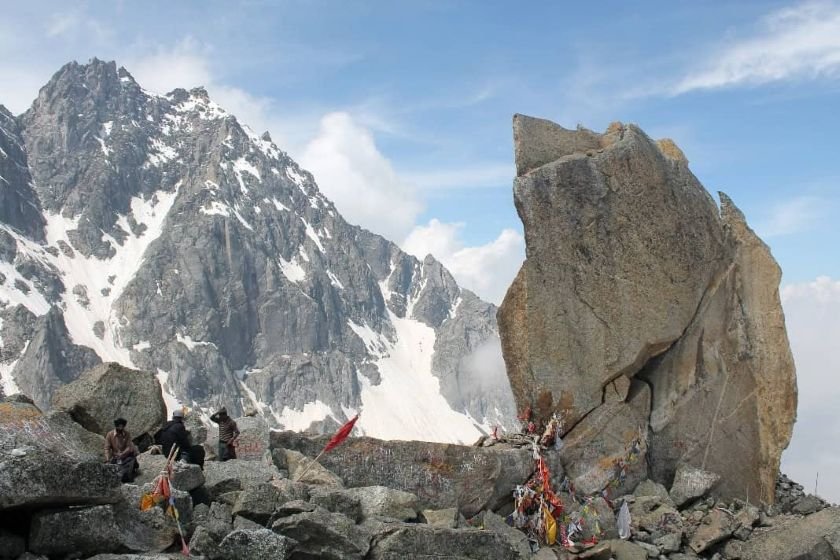
The Kinner Kailash Trek is a pilgrimage circuit (Parikrama) around the Kinner Kailash Shivling, a 79-foot vertical rock formation perched at ~4,800 meters in Kinnaur district. The trek is both a spiritual yatra and a high-altitude challenge, traversing glacial valleys, remote monasteries, and the dramatic Charang La Pass (5,300 m). It’s one of the few treks in India where Hindu and Buddhist traditions intertwine, and where mythology, geology, and devotion converge.
🧭 Trek Profile
Attribute
Details
Trailhead
Charang village (via Kalpa/Reckong Peo)
Trek Type
Circuit (Parikrama)
Highest Point
Charang La Pass – 5,300 m (17,388 ft)
Trek Distance
~35–40 km
Duration
5–6 days
Grade
Moderate to Difficult
Best Season
June–July & September
Permit Required
Yes (from DC Office, Reckong Peo)
🥾 Day-wise Itinerary Snapshot
Day 1: Shimla ➝ Kalpa ➝ Charang Village
Scenic drive via Sutlej Valley, Karcham, and Reckong Peo
Overnight in Charang, a traditional Kinnauri village
Day 2: Acclimatization & Monastery Visit
Explore Rangrik Monastery, one of the oldest in Kinnaur
Short hikes to nearby ridges
Day 3: Charang ➝ Lalanti Meadows
Trek through alpine pastures, wildflowers, and grazing zones
Camp at Lalanti, a high-altitude meadow (~4,200 m)
Day 4: Lalanti ➝ Charang La Base Camp
Steep ascent through glacial moraine and scree
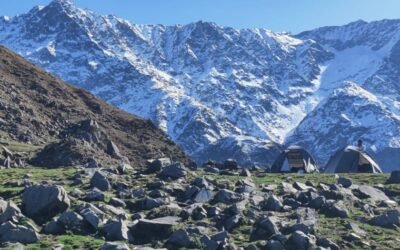
Camp below Charang La, surrounded by snowfields
Day 5: Charang La ➝ Chitkul (via Ranikanda)
Cross Charang La Pass (5,300 m)—the spiritual and physical climax
Descend into Baspa Valley, ending at Chitkul, the last village of India
Day 6: Chitkul ➝ Sangla ➝ Shimla
Return via Baspa River valley, with optional stay in Sangla
🌄 Trek Highlights
Kinner Kailash Shivling Viewpoint: A sacred rock pillar believed to change color with the sun—worshipped as Lord Shiva’s winter abode
Charang La Pass: A dramatic saddle between Kinnaur and Baspa valleys, offering views of Raldang, Jorkanden, and Zanskar peaks
Rangrik Monastery: A 1,000-year-old Buddhist monastery with prayer wheels, thangka paintings, and Kinnauri woodwork
Lalanti Meadows: Carpeted with blue poppies, edelweiss, and wild thyme—ideal for camping and stargazing
Chitkul Village: The last inhabited village before the Indo-Tibetan border, with wooden temples, slate-roofed homes, and Baspa River charm
🛕 Spiritual & Cultural Significance
Parikrama (Circumambulation): The trek is a clockwise circuit around the holy peak—mirroring the ritual of Pradakshina in Hindu and Buddhist traditions
Mythology: Locals believe Lord Shiva and Parvati reside here during winter. The Parvati Kund en route is a sacred glacial lake.
Kinner Lore: The region is home to the Kinners, semi-divine beings mentioned in the Mahabharata and Kalidasa’s Meghdoot—believed to sing and dance in the court of gods
🧳 Essentials for Trekkers
Item
Notes
Footwear
High-ankle trekking boots (mandatory)
Clothing
Sub-zero layers, gloves, rain gear
Gear
Trekking poles, crampons (early season), headlamp
Safety
AMS risk above 4,000 m—acclimatize well
Support
Local guide and porter strongly recommended
Permits
Obtain from DC Office, Reckong Peo + Forest Dept. clearance
🧭 How to Reach
By Road:
Shimla ➝ Kalpa ➝ Charang (~300 km)
Chitkul ➝ Sangla ➝ Shimla (return loop)
By Train: Nearest railhead: Shimla (via Kalka)
By Air:
Shimla Airport (~250 km)
Chandigarh Airport (~350 km)
⚠️ Trek Notes
Weather: Unpredictable—expect snow, rain, and strong winds above 4,000 m
Camping: No permanent shelters—carry tents and food supplies
Eco-Etiquette: No littering, no drone use near the Shivling, and no touching the sacred rock