
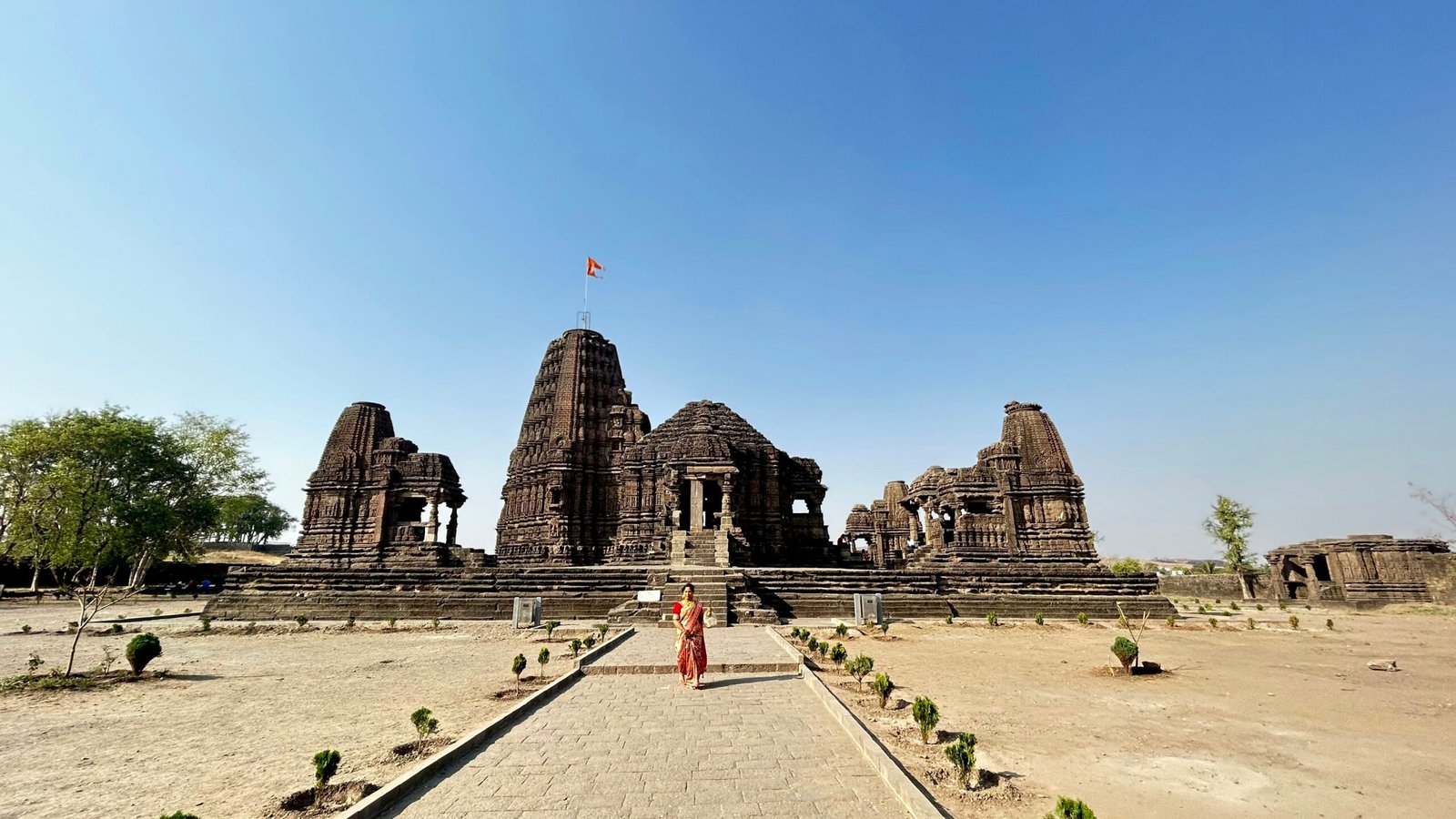
Introduction to the Concept of Idol-less Temples
The concept of idol-less temples represents a unique facet of spiritual practice, particularly found in regions like Himachal Pradesh. Unlike conventional temples that prominently feature deities represented through idols, these shrines embrace a more abstract interpretation of worship, focusing on the space itself as a conduit for divine experience. This philosophical approach underscores the belief that divinity can be encountered in the absence of physical representations, fostering a deeper connection to the transcendental.
Worshipping in idol-less temples draws from the understanding that the essence of spirituality transcends material forms. In these spaces, devotees engage in meditative practices and contemplative silence, allowing for a more personal engagement with the divine. This practice is rooted in traditional philosophical teachings that emphasize inner reflection and the potential for enlightenment through self-realization, rather than through intermediaries such as idols.
The significance of these idol-less temples extends into various dimensions of worship and faith. In Himachal’s culturally vibrant landscape, they serve as sanctuaries of peace and solitude, attracting individuals seeking solace or guidance away from the distractions of everyday life. The ambiance of these spaces often encourages an awakening of the spirit, emphasizing the profound idea that the divine can exist in all things—including nothingness.
Moreover, the unique practices associated with idol-less temples reflect a broader spiritual narrative that values the journey of faith and introspection. As monumental shifts occur within religious practices worldwide, the allure of such unique temples persists, inviting individuals to explore the interplay of emptiness and divinity in their personal spiritual journeys. This exploration not only enriches the religious tapestry of Himachal Pradesh but also offers a compelling lens through which to examine the diverse expressions of devotion.
The idol-less temples of Himachal Pradesh represent a unique expression of spirituality rooted in ancient traditions. These shrines, often overlooked, signify a deep historical significance that is interwoven with the cultural fabric of the region. The origins of these temples can be traced back to a time when the worship of formless deities gained prominence. Scholars suggest that this spiritual inclination arose from the philosophical thought prevalent among ancient communities, which emphasized the omnipresence of the divine rather than confining it within physical representations.
Historically, many of these sites are believed to have been erected during the Vedic period when ritualistic practices were deeply intertwined with nature. In this context, the absence of idols signifies a purposeful design to enhance the spiritual experience, inviting devotees to connect directly with the formless cosmic energy that pervades all existence. This reflects a distinctive belief system which upholds the idea that divinity transcends material forms, a notion that has been preserved through generations.
Over time, the cultural practices associated with idol-less worship have evolved, adapting to modern beliefs while maintaining core principles. The surviving traditions in these temples often include meditation, chanting, and rituals that focus on inner reflection rather than the veneration of idols. This evolution is indicative of the resilience of ancient practices, showcasing an ability to adapt yet retain roots in deep spiritual significance.
The architectural styles of idol-less temples also serve as a testament to their historical context. Many such structures are crafted from locally sourced materials, reflecting the harmony between human creativity and the surrounding natural landscapes. The historical significance of these shrine sites lies not only in their spiritual practices but also in their representation of a rich cultural heritage that continues to inspire and inform contemporary beliefs.
The Architectural Features of Empty Shrines
The architecture of the temples in Himachal Pradesh that embrace the concept of empty space as sacred is a fascinating study in minimalism and purpose. These shrines, devoid of idols, invite visitors to engage in contemplative worship, drawing attention away from material representations and instead focusing on the spiritual experience. The architectural styles of these shrines often reflect a blend of traditional and contemporary design elements, tailored to enhance the ambiance of emptiness.
Most structures are built using locally sourced materials such as stone, wood, and mud, which not only blend seamlessly into the surrounding environment but also symbolize a deep connection to the land. The use of traditional stone masonry, often seen in the intricate carvings and motifs, provides a sense of historical continuity, creating a cultural context that is both rich and inviting. The wooden roofs, often with sloped designs, help to channel natural light into the interiors, creating a dance of shadows and light that changes throughout the day, further enriching the experience of transcendent solitude.
Architecturally, these spaces are designed to be emotionally and spiritually uplifting. High ceilings promote a sense of openness while allowing for the echo of chants and prayers, enhancing the auditory experience of worship through emptiness. Natural ventilation is often incorporated, meant to maintain an atmosphere of freshness and tranquility. This architectural philosophy invites practitioners to immerse themselves in their own thoughts and meditations, free from distractions.
Additionally, the placement of these shrines—often on elevated terrain or secluded locations—invites a physical journey, mirroring the spiritual journey toward inner peace. Each visit to these empty shrines becomes a personal exploration of faith, where the architecture itself plays a pivotal role in shaping the experience. Overall, the architectural features of these temples embody a unique approach to spirituality, where the absence of idols prompts deeper reflection and fosters a profound connection to the divine.
Cultural Practices Surrounding Idol-less Worship
The practice of idol-less worship in Himachal Pradesh is deeply rooted in the region’s cultural and spiritual traditions. These shrines, characterized by their empty spaces, represent a unique approach to spirituality that emphasizes the importance of silence and contemplation. Worship in these temples is not centered around physical representations of deities, but rather focuses on inner reflection and direct communion with the divine.
Community rituals often take place in these sacred spaces, highlighting the importance of collective engagement in spiritual life. Local communities gather to participate in various ceremonies, which may include chanting, meditation, and silent prayers. Such gatherings create a profound atmosphere that allows individuals to connect with their spirituality and with one another on a deeper level. The absence of idols prompts devotees to explore their faith beyond material manifestations, allowing for a more introspective form of worship.
The significance of silence in the practices associated with idol-less temples cannot be overstated. Silence acts as a conduit for heightened awareness and mindfulness, enabling worshippers to cultivate a sense of peace and receptivity. This stillness serves as a backdrop for personal introspection, facilitating a spiritual journey that transcends physical representations of divinity. Moreover, the embrace of emptiness encourages devotees to recognize the divine within themselves and the surrounding environment, fostering a holistic understanding of spirituality.
As local customs evolve, the engagement with these empty shrines continues to strengthen cultural ties and collective identity among community members. Festivals and other ceremonial practices centered around these spaces reinforce the significance of idol-less worship, promoting a unified sense of belonging while maintaining the essence of their spiritual beliefs. In sum, the cultural practices surrounding idol-less worship serve as a testament to the adaptability and profoundness of faith in Himachal Pradesh, showcasing a rich tapestry of community-driven spiritual expression.
Prominent Idol-less Temples in Himachal Pradesh
Himachal Pradesh, a state known for its breathtaking landscapes and rich cultural heritage, is home to several renowned idol-less temples that offer a unique perspective on spirituality. Among these temples, the famous Mahasu Devta Temple in Hanol stands out due to its historical significance and its dedication to the local deity, Mahasu. This temple, situated amidst the serene Himalayan mountains, is notable for its unique architecture and the absence of idols, encouraging devotees to meditate on the divine essence rather than physical representations.
Another important idol-less shrine is the Chintpurni Temple, located in the Una district. This temple is dedicated to Goddess Chintpurni, revered for fulfilling the wishes of her devotees. The sanctum features a raised platform where an image of the Goddess is perceived through the offerings made by devotees, reinforcing the belief in the power of faith over material forms. Its well-preserved tradition attracts numerous pilgrims throughout the year, illustrating the essence of devotion without the presence of an idol.
The Jai Maa Bhima Kali Temple situated in Jubbal is another fascinating site. Known for its architectural brilliance and lush surroundings, this temple provides a space for spiritual introspection free from idol worship. Instead of traditional idols, worshippers pay homage to the goddess through offerings and rituals conducted in a serene atmosphere, fostering a deep connection with the divine.
Lastly, the Kaleshwar Temple, tucked away in the depths of the Kullu Valley, symbolizes the region’s rich mythological narratives. This ancient temple, with its intricate wooden carvings and serene environment, draws visitors interested in the stories of the divine, emphasizing worship through narrative rather than idol veneration. Each of these temple sites illustrates the diverse spiritual practices in Himachal Pradesh, inviting pilgrims and tourists alike to experience faith in an unconventional manner.
The Spiritual Experience of Visiting Empty Temples
Visiting temples without idols can be a profound spiritual experience that invites introspection and personal reflection. Individuals often find themselves drawn to these spaces, not for the physical representations typically associated with worship, but for the serenity they provide. Many visitors report that the absence of idols fosters a unique form of contemplation, allowing them to connect more deeply with their inner selves and the divine.
The atmosphere in these temples is frequently described as calm and inviting, encouraging a meditative state that may be harder to achieve in a more traditional temple setting. The lack of physical deities prompts worshippers to engage in a more personal dialogue with the universe or a higher power. This unencumbered space can evoke feelings of freedom and openness, allowing individuals to interpret spirituality on their own terms.
The experience of worshipping in these empty temples also emphasizes the significance of faith over form. Many individuals express that their spiritual connections are intensified without the distraction of idols, which can sometimes impose limitations on one’s understanding of the divine. This purity of experience often leads to moments of profound clarity and emotional release, where individuals can confront their thoughts and feelings without external interference.
Moreover, the simplicity of these temples promotes a sense of community among visitors. Shared experiences in such sacred spaces encourage dialogue about spirituality, inviting individuals from diverse backgrounds to share their perspectives and insights. This fostering of connection adds another layer to the spiritual experience, enhancing the feelings of belonging and collective understanding.
In conclusion, the journey of visiting empty temples in Himachal Pradesh invites a unique blend of serenity and introspection, allowing individuals to engage with their spirituality in a personal and meaningful way. The experience often transcends conventional worship, establishing a deeper connection with oneself and the larger universe.
Challenges Facing Idol-less Temples Today
Idol-less temples, such as those found in Himachal Pradesh, face numerous challenges in the contemporary context. One significant issue is neglect, often stemming from changing societal values and a diminishing interest in traditional spiritual practices. As urbanization and modernization continue to sweep across India, many communities may prioritize more accessible forms of worship that include idols and rituals, leading to a decline in the attention and resources dedicated to these unique shrines.
Furthermore, the sociocultural dynamics are shifting rapidly, particularly among younger generations who might feel less connected to rituals that do not involve tangible representations of deities. This shift poses a risk to the longevity and relevance of idol-less temples, as they may struggle to attract visitors who are accustomed to more visually and ritually engaging forms of worship. Without active participation, the sanctity of these spaces may wane, contributing to further neglect.
Preservation is another critical concern for these idol-less temples. Many structures are aging and suffer from inadequate maintenance due to limited funding and resources. Unlike their idol-bearing counterparts, which often receive donations driven by the physical nature of the idols, idol-less temples frequently lack a constant influx of support. Consequently, this raises a pressing need for interventions that ensure their protection from deterioration.
In addition to these issues, maintaining relevance in today’s fast-paced world proves challenging for idol-less temples. They must find ways to engage with the community, highlight their historical importance, and educate the public on the philosophies underlying their practices. As society evolves, idol-less temples will need to adapt and employ innovative strategies to attract a new generation while remaining true to their spiritual essence.
Importance of Preserving Idol-less Temples
Idol-less temples, often overlooked in the broader narrative of religious architecture, embody a rich tapestry of cultural, historical, and spiritual significance. Their preservation is vital not only for future generations to appreciate the diversity of spiritual expressions but also for safeguarding invaluable cultural heritage that is unique to regions such as Himachal Pradesh. These temples possess a distinct identity that reflects the local philosophies, traditions, and values of the communities that have nurtured them over centuries.
From a historical perspective, idol-less temples serve as repositories of ancient architectural techniques and artistic norms. They represent an era when spirituality was often conceptualized outside the confines of physical representations. By preserving these sites, we protect the ethno-religious narrative that defines the region’s identity, bridging the past with the present. This preservation work is not merely about maintaining structures; it is about honoring the stories, rituals, and communal activities that encapsulate the essence of local life.
Spiritually, these temples foster a unique atmosphere of contemplation and connection with the divine that transcends idol worship. Visitors and devotees often find solace in the absence of idols, engaging instead with the ethereal qualities of the space. As such, preserving these temples ensures that individuals seeking a different kind of spirituality can continue to find meaning and significance in their experiences. The emphasis on empty space invites a deeper introspection about faith and existence that is often missed in more conventional, idol-centric practices.
Ultimately, the preservation of idol-less temples in Himachal Pradesh reflects a commitment to embracing and honoring pluralistic spiritual expressions. Their existence serves to remind us that the essence of worship can exist in various forms, allowing for a fuller understanding of cultural and spiritual diversity within our global heritage.
Conclusion: The Essence of Worship in Absence
The exploration of Himachal Pradesh’s temples devoid of idols offers a profound insight into the multifaceted nature of worship and spirituality. These unique shrines, which lack material representations of deities, serve as a reminder that the essence of faith transcends physical forms. In these sacred spaces, the absence of idols invites devotees to engage in a more profound and introspective form of worship, one that encourages personal reflection and internal dialogue.
By immersing themselves in the serene atmosphere of these temples, individuals are prompted to consider their own beliefs and spirituality without the distractions that physical idols might present. The concept of worship in such environments challenges established norms and compels believers to seek a deeper understanding of the divine, which can be found within themselves and their surroundings. This absence fosters a unique connection between the practitioner and the essence of spirituality, emphasizing the importance of intention over materiality.
Furthermore, the architectural simplicity of these shrines reflects a deliberate effort to prioritize a spiritual experience rather than a visually extravagant one. The quiet sanctity of empty space serves as a canvas for contemplation and meditation, allowing worshippers to attune themselves to the subtler aspects of faith. Consequently, this invites an exploration of spirituality that is deeply personal and rich in meaning.
In essence, the temples of Himachal Pradesh exemplify that worship is not solely about physical representations but rather an exploration of the inner self and a connection to the broader universe. As we move beyond conventional forms of idol worship, we open ourselves to the transformative potential of spirituality, embracing the lessons these sacred spaces impart in our lives.