
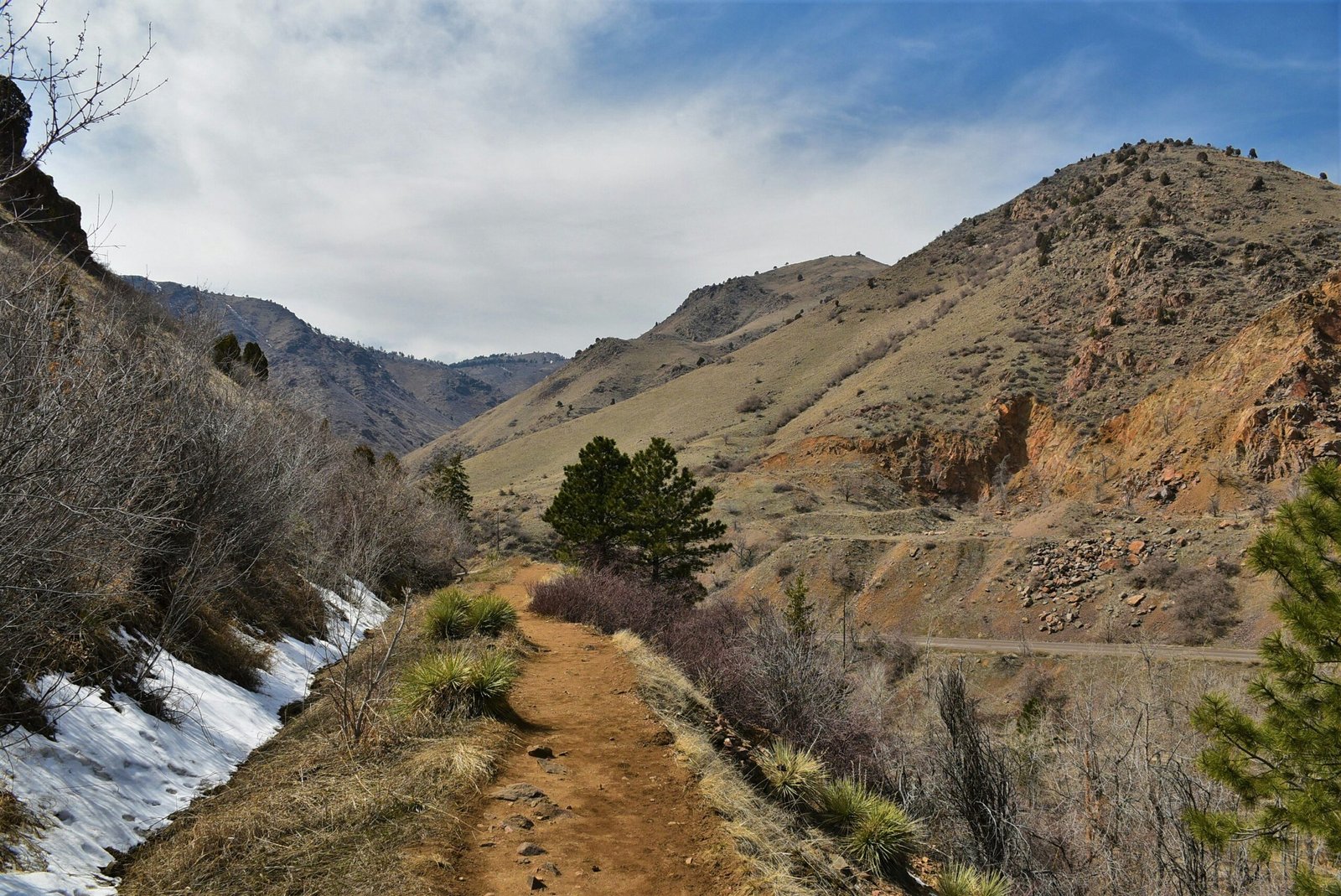
Introduction to Himachal’s Enigmatic Footpaths
Himachal Pradesh, a northern Indian state nestled in the majestic Himalayas, is renowned for its breathtaking landscapes, vibrant culture, and rich biodiversity. The region, characterized by towering mountains, verdant valleys, and gushing rivers, serves as a haven for trekkers and nature enthusiasts alike. Among its many attractions lie the intricate footpath networks that weave through its picturesque terrain, connecting remote villages, ancient monasteries, and hidden gems of natural beauty.
These footpaths are not merely trails; they represent critical routes for local communities, facilitating trade, access to essential services, and cultural exchanges. The indigenous people of Himachal Pradesh have long relied on these paths for everyday activities, highlighting their significance in sustaining the socio-economic fabric of the region. For trekkers, these trails offer unparalleled opportunities to explore the less-traveled parts of Himachal, allowing them to experience the tranquil lifestyle of the mountain inhabitants.
However, these footpaths possess a unique characteristic that sets them apart—their tendency to vanish in the aftermath of the monsoon season. The heavy rainfall can lead to landslides, washouts, and overgrowth, rendering many trails impassable. This phenomenon not only complicates navigation but also offers an intriguing insight into the transient nature of these routes, reminding us of the powerful forces of nature at work in this beautiful yet volatile region. As the monsoon subsides, some trails re-emerge while others fade away into memory, an echo of the land’s dynamism. Consequently, the footpaths of Himachal Pradesh embody both the allure and challenge of trekking in one of India’s most enchanting landscapes.
The Impact of Monsoon on Trail Visibility
The monsoon season in Himachal Pradesh significantly affects the visibility and accessibility of traditional footpaths. During this period, heavy and sustained rainfall causes various geological and botanical changes that can render these trails almost unrecognizable, altering their historical significance for both locals and travelers.
One of the primary impacts is erosion, which occurs when intense rainfall washes away the soil that forms the foundation of these paths. The natural topography of the region can lead to a rapid breakdown of trail surfaces, resulting in sections that become steep, unstable, or even completely washed out. Erosion can transform well-trodden routes into hazardous zones, discouraging foot traffic and leading to the abandonment of once-popular trails.
Additionally, landslides are a critical concern during the monsoon. The saturated earth becomes loose and prone to collapse, leading to the creation of barriers that obliterate existing paths. The unpredictability of landslides makes previously safe trails suddenly treacherous, thus necessitating a reevaluation of traditional travel routes.
Moreover, overgrowth becomes a significant issue following the monsoon rains. The combination of ample moisture and warmer temperatures promotes rapid vegetation growth along the trails. Weeds, bushes, and invasive plant species can quickly cover the footpaths, effectively camouflaging them or completely obscuring their outlines. This overgrowth can mislead travelers and impede their navigation through these landscapes, further enhancing the chance of losing sight of historical paths.
The cumulative effect of these alterations poses challenges for the local communities that depend on these footpaths for accessibility to remote regions. As traditional routes become less visible, the cultural connection and practical utility of these footpaths may be diminished, warranting a greater focus on maintaining and restoring them in the face of monsoon impacts.
Local Narratives: The Trails That ‘Move’
In the heart of Himachal, within enchanting landscapes of towering peaks and lush valleys, local narratives abound regarding the shifting nature of the footpaths cherished by residents. These trails, often essential for communication and connectivity, bear witness to a dynamic interplay between nature and human experience. As the seasons change, the monsoon rains sweep through the region, bringing with them not only rejuvenation but also a transformative effect on the terrain.
One local inhabitant, Ramesh, recalls his childhood when he would walk familiar paths to visit his grandmother in the next village. However, after heavy rains, the once-straight trail would morph dramatically, resulting in Ramesh’s family needing to find alternative routes. His anecdotes resonate with others who have experienced a similar fate each year, as footpaths sometimes become engulfed by landslides or vegetation. “Every monsoon, we lose a part of our history and build new paths in its place,” he reflects, highlighting the delicate balance between loss and adaptation.
Villagers often share tales of how certain trails disappear altogether, swallowed by earth and time. Yet, in these narratives of loss is a resilience that defines the community’s relationship with the environment. Another elderly woman, Meena, recalls a once-frequented trail that was buried under a landslide. Years later, she guided a group of young villagers to where the old path used to be, inspiring them to forge ahead and discover a new way. The adaptability of these footpaths serves not only as a testament to the changing landscape but also to the enduring spirit of the community.
The intertwining stories of the residents of Himachal illustrate that while trails may disappear, the essence of connectivity, survival, and shared memory persists. Each shifting footpath narrates a story of resilience, adaptation, and the enduring legacy of those who walk them, embodying the fluidity of both land and life in this majestic region.
Ecological Factors Influencing Trail Changes
Himachal Pradesh, renowned for its stunning landscapes and diverse ecosystems, showcases an intricate balance between its flora and fauna, which significantly impacts the trails traversing this hilly terrain. The region’s unique ecological framework is comprised of various elements that work synergistically, resulting in the transformation of trails, especially following the monsoon season.
The abundant rainfall during the monsoon not only nourishes the diverse vegetation but also triggers a multitude of environmental changes. The intricate root systems of plants, such as the deodar and rhododendron trees, help stabilize the soil in many areas. However, extreme weather patterns and intense rainfall can lead to soil erosion, washing away layers of earth and altering the pathway of existing trails. This phenomenon is particularly prevalent in steep regions where the soil is more susceptible to erosion.
Additionally, the interplay between climatic variables and seasonal changes plays a crucial role in the evolution of trails. The south-west monsoon can lead to increased landslides and washouts, reshaping trail networks. Conversely, as the weather improves, new plant species may emerge in previously barren areas, further obscuring established paths. This continuous cycle underscores how weather patterns fundamentally influence trail accessibility and visibility.
The rich wildlife in Himachal Pradesh also contributes to the shifts in trail popularity and usage. As animals migrate in search of food and shelter, they often create or follow paths that may not align with traditional trekking routes. Consequently, other forest dwellers, including insects and smaller animals, can further impact the vegetation and landscape, leading to continuous changes within the region.
Ultimately, the ecological backdrop of Himachal Pradesh is a dynamic component that shapes the trails we traverse. As these factors converge, they lead to trails that disappear and re-emerge, reminding trekkers of the region’s ever-changing natural beauty.
Documenting Disappearing Trails: A Research Perspective
The phenomenon of trails in Himachal Pradesh seemingly disappearing after monsoon is not only a geographical curiosity but also a significant area of study for researchers and trekkers alike. Documenting these elusive pathways requires an amalgamation of traditional methods and technological advancements. Researchers often begin by engaging with local communities, tapping into the oral histories and knowledge of seasoned trekkers and residents who have traversed these trails over the years. This community-based approach provides invaluable insights that might otherwise be overlooked.
Utilizing advanced mapping technologies has revolutionized the way these disappearing trails are documented. Geographic Information Systems (GIS) and satellite imagery are instrumental in charting the topography and trail systems in detail. By integrating data from various seasons, researchers can observe how erosion, landslides, and heavy vegetation growth alter the landscape, contributing to the trails’ disappearance. Furthermore, mobile applications equipped with GPS capabilities allow trekkers to log their routes in real time, creating a comprehensive database that can be used for future navigation and research.
The importance of documenting these routes goes beyond mere navigation; it is also a critical component of cultural preservation. Many of these footpaths are intertwined with local traditions and folklore, serving not just as physical passages but also as cultural connectors between past and present. By preserving knowledge of these trails, researchers are enabling the next generation to appreciate the rich history of their land and ensure that the cultural significance surrounding these pathways is not lost. As advancements in technology continue to evolve, the responsibility to safeguard these trails for the future remains paramount, allowing us to appreciate the unique geographical and cultural tapestry of Himachal Pradesh.
Cultural Significance of the Trails
The footpaths of Himachal Pradesh serve as more than mere routes through the stunning landscape; they are vital arteries of culture and community. These trails connect diverse communities, enabling not just movement but also interaction, exchange, and the sharing of traditions. As local inhabitants traverse these paths, they are engaging in a process that reinforces social bonds and cultural identity, echoing the historical significance of these trails in facilitating trade and communication.
Historically, the trails provided crucial links for commerce, allowing local farmers and artisans to transport goods such as wool, herbs, and handicrafts to markets across the region. This exchange was integral to sustaining local economies and, by extension, local cultures. It is through these footpaths that traditions were shared, stories were told, and the rich tapestry of Himachal’s heritage evolved over generations. Each trail has its own narrative, often steeped in local mythologies and historical events, embodying the essence of the communities that traverse them.
In many villages, these footpaths are not just routes but are intertwined with festivals and customs, serving as the backdrop for various cultural rituals. For example, annual fairs may utilize these pathways to connect different communities, allowing residents to gather, share experiences, and celebrate together. The paths also offer opportunities for spiritual journeys, with pilgrims often walking them to reach shrines and sacred sites that further emphasize their importance in local belief systems.
Nevertheless, the impact of monsoons can render these pathways inaccessible, resulting in communities becoming physically isolated. This seasonal alteration underscores the importance of preserving these trails not only for connectivity but also to ensure that the cultural significance embedded in them continues to flourish and resonate within the collective identity of Himachal Pradesh.
Adventuring Through the Disappearing Footpaths
For the avid explorer, the footpaths of Himachal Pradesh present an alluring challenge, rich with the potential for discovery and adventure. However, as the monsoon season sweeps through this mountainous region, many of these enchanting trails can become obscured, leading to a unique set of experiences for those who dare to navigate them. Planning a hiking journey through these vanishing paths requires careful consideration, ensuring that adventure enthusiasts remain safe while embracing the fleeting beauty of these hidden trails.
When embarking on a hike that involves these unpredictable footpaths, diligent preparation is paramount. It is advisable to gather up-to-date information regarding trail conditions from local guides or reliable sources; weather patterns can significantly affect trail visibility and accessibility. Equip yourself with essential gear including proper footwear, a reliable map, and navigation tools, as the familiar landmarks may be harder to identify amidst the verdant landscape.
It is also crucial to account for the impact of weather on safety. The unpredictable nature of monsoons may lead to mudslides or washed-out paths, creating potential hazards that require heightened caution. Therefore, sharing your hiking itinerary with a friend or local authority can add a layer of safety, ensuring that someone knows your planned route. Choose trails suitable for your skill level and consider hiking with a group, as this can enhance both safety and enjoyment.
In addition to safety measures, immersing oneself in the natural beauty that these trails offer can elevate the adventure experience. Each disappearing footpath tells a story of the landscape that shapes it, offering glimpses of biodiversity and stunning panoramic views unique to Himachal Pradesh. Adventure enthusiasts are invited to appreciate not just the physical challenge of the hike but also the serene moments that arise during these enchanting escapades.
Conservation Efforts for Himachal’s Trails
The picturesque landscapes of Himachal Pradesh are adorned with ancient footpaths that weave through its stunning hills. However, climate change and monsoon variability pose a considerable threat to these trails. To address this issue, various conservation efforts have been initiated at both local and governmental levels, aimed at preserving these important trails for future generations.
One of the key initiatives involves the collaboration of local communities and non-governmental organizations (NGOs). These groups work together to educate the residents about the significance of maintaining ecological balance through sustainable tourism practices. Training programs are often organized to involve locals in the restoration process, emphasizing techniques like trail rerouting and the planting of native vegetation to stabilize the soil and prevent erosion. Engaging local communities not only boosts awareness but also creates a stewardship mentality toward these invaluable paths.
In addition to grassroots initiatives, the government of Himachal Pradesh has launched various programs focusing on trail conservation. These programs often include funding for repair projects and the construction of infrastructure designed to minimize environmental impact. Regular monitoring of the trail conditions is performed to identify locations that are particularly vulnerable to weather-induced erosion. As a result, preventive measures can be implemented, promoting a balanced approach between human activity and nature.
Moreover, eco-tourism is being promoted as a viable method for financing and sustaining trail conservation efforts. By encouraging eco-friendly tourism practices, the revenue generated can be reinvested into the trail systems, ensuring their longevity and health. In conclusion, the ongoing collaboration between local communities and government agencies is pivotal in preserving Himachal’s trails, protecting not only the natural ecosystem but also the cultural heritage associated with these footpaths.
The Enduring Spirit of Himachal’s Trails
The trails of Himachal Pradesh are more than mere paths through the lush, mountainous landscape; they are an embodiment of the province’s rich cultural heritage and the resilience of the communities that inhabit this region. Each footpath represents a living link between past traditions and present realities, showcasing the historical significance of these trails in facilitating trade, pilgrimage, and everyday travel. However, the monsoon season starkly alters these paths, causing them to disappear under sheets of water and mud, challenging both the local inhabitants and the natural ecosystem.
This phenomenon serves as a reminder of the dynamic relationship between the environment and the communities of Himachal. The annual monsoon rains not only reshape the physical landscape but also test the endurance of local practices and lifestyles that rely on these trails. The communities exhibit resilience, often adapting their routes and methods to ensure that their connection with the land remains intact. The faith of the people in restoring the lost pathways, engaging in sustainable practices, and preserving their cultural identity speaks volumes about their commitment to the environment.
Moreover, as climate change continues to influence weather patterns, the need for awareness and preservation of these trails has never been more critical. Efforts must be directed towards maintaining the integrity of these vital pathways and educating younger generations on their importance. By cultivating a continued appreciation for the lost footpaths of Himachal, the lingering connection between nature and culture will endure, enriching both the landscape and the lives of the people who cherish it. In conclusion, the legacy of the trails, with their stories and significance, will persist as a testament to the enduring bond that exists between the natural world and the inhabitants of this remarkable region.