
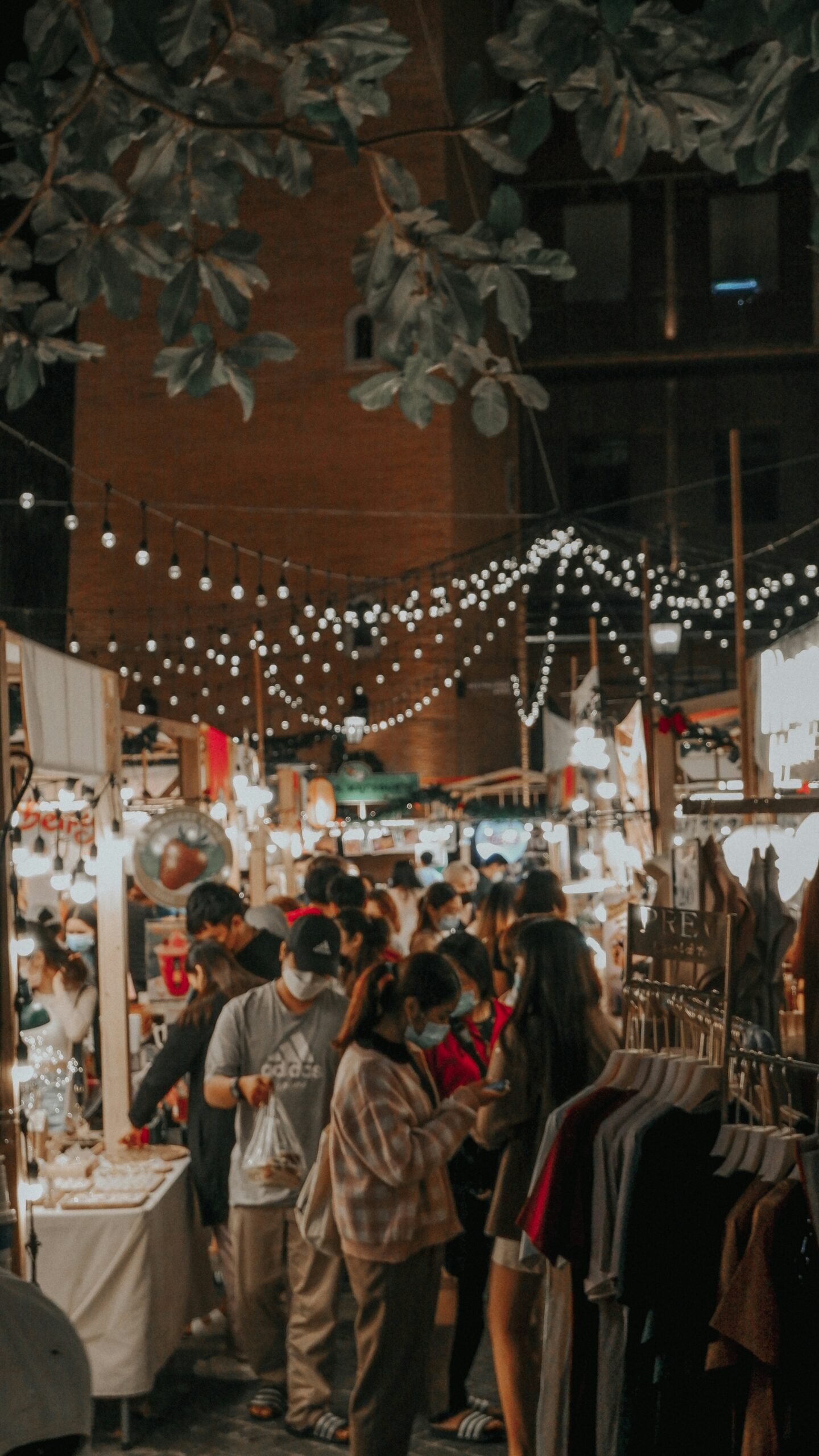
Introduction to the Night Markets
Night markets, especially those found in hilly or mountainous regions, represent a vibrant tapestry of culture, commerce, and community. These markets traditionally emerge after sundown, creating a unique atmosphere that is distinct from their daytime counterparts. The cool evening air, combined with the mesmerizing sounds and aromas, populates the environment with an inviting charm that attracts both locals and tourists.
The historical significance of night markets can be traced back centuries, often serving as critical gathering places for trading goods that were not easily accessible during daylight. The allure of night markets lies not only in their function as commercial hubs but also in their role as social spaces where stories are exchanged and bonds are formed. In many cultures, they stand as a testament to local resilience and the rich storytelling heritage passed through generations.
Commonly found in these markets are a wide array of goods, from handmade crafts and artisanal products to delicious street food that showcases local culinary traditions. Visitors can sample regional delicacies, such as grilled meats, sweet pastries, and exotic fruits, reflecting the unique flavors of the mountainous terrain. The scent of spices mixes in the air, inviting individuals to explore the various stalls that boast both vibrant displays and passionate vendors.
The ambiance of night markets is often enhanced by picturesque lighting, live music, and the gentle hum of conversations. Such an atmosphere encourages leisurely exploration, allowing visitors to immerse themselves fully in the experience. The combination of trade, stories, and the enchanting backdrop of hills creates a memorable cultural experience that resonates long after leaving the market.
The Economic Significance of Night Markets
Night markets have emerged as critical hubs for local economic activity, offering a platform where entrepreneurs and artisans can showcase their products. These markets not only contribute to income generation for vendors but also play a significant role in the overall economic landscape of the community. By providing opportunities for small-scale traders, night markets stimulate grassroots entrepreneurial efforts, thus fostering a vibrant commercial ecosystem.
One of the primary benefits of night markets is job creation. As new businesses spring up within these vibrant markets, there is a corresponding demand for labor, which contributes to reducing unemployment rates in the region. Local residents often find work in various capacities, from selling goods to offering services, enhancing their financial stability. The diverse range of items available, from handcrafted goods to local delicacies, also ensures that night markets cater to a wide audience, attracting both locals and tourists alike.
Moreover, these markets serve as essential venues for the cultivation of small businesses. Entrepreneurs who may lack the resources for a traditional brick-and-mortar store find the night markets an ideal solution. The flexible nature of market stalls allows for creative experimentation, enabling vendors to test products and adjust based on customer feedback. This flexibility not only encourages entrepreneurial spirit but also contributes to an overall increase in local production and innovation.
In addition to creating jobs and supporting small businesses, night markets stimulate the local economy by encouraging spending within the community. As patrons visit these bustling hotspots, they contribute to the circulation of money within the area, helping to sustain other local businesses such as shops and restaurants. Altogether, the economic significance of night markets cannot be overstated, as they stand at the intersection of culture and commerce, nourishing the community on multiple fronts.
Cultural Exchange and Diversity
The night markets of the hills serve as vibrant cultural epicenters, attracting a diverse array of vendors and customers from various backgrounds. These markets not only offer an opportunity for trade but also create a unique environment where different cultures coalesce. Ethnicities represented can range from local indigenous groups to immigrants seeking to share their culinary heritage. This melting pot of identities fosters a space where stories are exchanged, and mutual understanding flourishes.
A significant aspect of these night markets is the wide variety of cuisines available. Food stands featuring traditional dishes from multiple cultures not only tantalize the taste buds but also symbolize the rich tapestry of cultural diversity. Visitors can sample everything from indigenous delicacies, such as roasted meats and artisanal breads, to international fare like spicy Asian street food or European pastries. This gastronomic adventure allows individuals to experience cultures they may not be familiar with, further bridging the gap between different communities.
Moreover, night markets provide a platform for cultural exchange through the arts. Local artisans showcase their handmade crafts, including textiles, jewelry, and pottery, reflecting the diverse aesthetics of the vendors’ backgrounds. These interactions encourage appreciation and understanding of different traditions, promoting a sense of community among diverse groups. As people engage in conversations, learn about each other’s customs, and appreciate their differences, a collective identity begins to form, rooted in shared experiences at the markets.
In conclusion, night markets encapsulate the essence of cultural exchange and diversity. They play a vital role in not only offering goods but also facilitating interactions that enrich the lives of both vendors and customers alike, ultimately enhancing the communal fabric of society.
Stories from the Vendors
The vibrant tapestry of night markets in the hills is largely woven from the stories of the vendors who operate in these lively spaces. Each stall offers more than just goods; it presents a narrative that reflects the dreams, struggles, and resilience of the individuals behind them.
Take, for instance, the story of Maria, a second-generation vendor selling handmade crafts. Originally from a small town, Maria moved to the hills seeking better opportunities after her parents faced financial hardships. The night market became her beacon of hope, allowing her to earn a living while keeping the family tradition alive. She expertly weaves together local materials into beautiful accessories, each piece carrying a piece of her heritage. Maria’s dedication to her craft is fueled by her desire to pass down her skills to future generations, showcasing how the night market serves as a foundation for cultural preservation.
Then there is Raj, who has a stall selling street food influenced by his Indian heritage. For him, the market is not just a place to sell food but a platform where he connects with diverse communities. Raj’s journey began with a small food cart that struggled to gain traction. However, with perseverance and a commitment to quality, he leveraged the night market’s foot traffic to build a loyal customer base. His signature dishes often spark conversations about culture, underscoring how food can bridge gaps between different backgrounds and foster a sense of community.
Yet, these vendors also face numerous challenges, from fluctuating customer interest to competition with larger, more established businesses. Despite these obstacles, their passion and perseverance shine through, presenting a moving depiction of the uphill journey involved in running a night market stall. The stories of vendors like Maria and Raj encapsulate the spirit of the hills’ night markets, celebrating not just trade, but the very essence of human experience.
The Array of Culinary Delights
The night markets located in hilly regions are renowned for their vibrant and diverse culinary offerings. As visitors wander through the bustling stalls, they are greeted by a myriad of aromas and colors, each promising a unique taste experience. The dishes served here often reflect the local culture and geography, utilizing fresh, locally-sourced ingredients that contribute to their rich flavors.
One of the standout specialties is the steaming hot dumplings, which are filled with a variety of ingredients such as pork, chicken, or vegetables. These dumplings are typically handmade, with vendors often showcasing their skill by rolling and folding the dough right before your eyes. Accompanying these dumplings are tangy dipping sauces that elevate the taste, adding just the right amount of zing to each bite.
Another popular dish found at these markets is savory grilled skewers, which can feature everything from marinated meats to an assortment of vegetables. The grilling process imparts a smoky flavor that is especially enticing for patrons. As food enthusiasts share their stories, it becomes clear that these skewers often evoke fond memories of gatherings and celebrations, making them a cherished part of the culinary heritage of the hills.
For those with a sweet tooth, the night markets do not disappoint. Local specialties such as sweet rice cakes and freshly made coconut candies tantalize customers with their intriguing flavors and textures. Vendors often prepare these delicacies right on the spot, engaging with patrons and sharing the tales behind their recipes.
It is also common to hear guests sharing their experiences as they recollect memories of discovering a hidden gem among the stalls or forming connections with the passionate vendors. These narratives enhance the night market experience, drawing people not only to the food but also to the cultural tapestry that each dish represents within the hillside community. Indeed, the night markets encapsulate a celebration of culinary delights that invite all to partake.
Art and Craftsmanship in the Market
The vibrant night markets of the hills serve not only as a platform for trade but also as a showcase for the remarkable artistic talents of local artisans. These markets are often brimming with handmade crafts that reflect the cultural heritage and creativity of the region. From intricately woven textiles to uniquely designed pottery, each piece carries a story that connects the artisan to their craft.
One of the defining features of these markets is the emphasis on traditional craftsmanship. Artisans often employ techniques passed down through generations, ensuring that their creations remain true to their origins. This dedication to traditional methods not only preserves local culture but also fosters a sense of identity within the community. Visitors can engage with artisans, learning about the tools and processes employed in the creation of various artworks, which provides a deeper appreciation for the craftsmanship involved.
The uniqueness of items sold in night markets stands out amidst the mass-produced goods found elsewhere. Each handmade piece embodies the personal touch and artistic flair of the creator, making them distinctive and valuable. This focus on originality has led to a burgeoning interest in the works of local artists, as shoppers seek pieces that symbolize authenticity and cultural significance. The night markets also promote a spirit of collaboration among artisans, encouraging them to share techniques and innovate together while celebrating their individual styles.
Preserving these crafts is vital, not only for the artisans but for the cultural fabric of the region. By supporting local craftsmanship, the night markets contribute to sustainable livelihoods for artisans and promote the ongoing appreciation of traditional arts. This commitment ensures that the stories, skills, and artistry of the hills are passed down to future generations, enriching the cultural landscape for years to come.
Life After Dusk: The Ambiance of Night Markets
The night markets of the hills present an engaging tapestry of sensory experiences. As dusk descends, vibrant strings of lights flicker alive, illuminating stalls that showcase an array of products from handmade crafts to tantalizing street food. These lights not only create a sense of warmth but also highlight the intricate details of the goods on display, beckoning visitors to explore their offerings.
The air is rich with delectable aromas; the fragrant spices wafting from food vendors invite passersby to indulge in culinary delights. The sizzle of skewers grilling and the sweet scent of baked goods linger in the atmosphere, establishing an olfactory backdrop that is as enticing as it is immersive. Such an environment encourages visitors to sample local delicacies, allowing the flavors of the region to unfold in every bite.
In addition to the visual and olfactory experience, the sounds of the night market contribute to its unique ambiance. The persistent chatter of vendors promoting their wares creates a lively backdrop, while laughter and conversations intermingle with the rhythmic beats of local music. Street performances often punctuate the evening, introducing melodies that resonate with the rich cultural heritage of the area, further drawing in visitors and enhancing the vibrant atmosphere.
The bustling energy of night markets fosters a sense of community and connection, making it an exemplary venue for socialization. Families, friends, and travelers mingle as they share stories and experiences, embodying the spirit of trade that transcends mere transactions. The night markets thus become not only a place for commerce but also a hub for narrative exchange, capturing the essence of local culture.
The Role of Night Markets in Community Building
The night markets of the hills serve as vibrant focal points for community interaction, reinforcing social cohesion among residents. These open-air marketplaces not only provide a venue for commerce but also foster relationships among diverse groups, enriching the local culture. Participation in such markets encourages face-to-face interactions and builds trust among community members, whether they are vendors or patrons.
By establishing a space where individuals can gather, night markets facilitate the exchange of ideas and local stories, enhancing the inherent sense of belonging. This is particularly vital in areas where community ties may weaken due to urban migration or economic pressures. As people congregate at stall vendors selling artisanal wares, food delicacies, or handcrafted goods, they form a shared experience that strengthens their communal ties.
Moreover, night markets often become platforms for local artists, musicians, and performers who contribute to the festive atmosphere, celebrating cultural diversity. By showcasing talent from within the community, these markets encourage cultural pride and unity among residents. Through various events and activities that occur within this environment, individuals are given opportunities to engage in traditions and narratives that define their local identity.
In addition to offering a space for commerce and performance, these markets serve as informal community forums where residents can discuss local issues, share resources, or mobilize for collective action. The inherent casual nature of the night market encourages open dialogue and facilitates grassroots organizing. As such, night markets are more than mere commercial hubs; they represent a microcosm of community life, where memories are created and friendships are forged, laying the groundwork for a resilient and united society.
Conclusion: The Future of Night Markets
The significance of night markets extends beyond mere commerce; they serve as vibrant cultural hubs that encapsulate the traditions and stories of local communities. As vital components of the social fabric, night markets foster connections among individuals, allowing for the exchange of goods, ideas, and cultural practices. However, the future of these markets is not without challenges, particularly in the face of rapid modernization and stringent regulations.
Modernization poses one of the most pressing challenges for night markets. With the introduction of new technologies and shifting consumer preferences towards convenience and online shopping, traditional night markets must adapt to remain relevant. This may involve integrating digital payment systems or enhancing their online presence while retaining the authentic experiences that draw visitors. Additionally, competition from larger retail establishments can threaten the viability of these markets, making it imperative for them to find unique selling points that resonate with both locals and tourists.
Furthermore, regulatory challenges often impact the structure and operation of night markets. Local governments may impose restrictions on hours of operation, vendor licenses, or health regulations, which can hinder the spontaneous nature that defines these markets. Night market organizers must engage with local authorities to advocate for supportive policies that enable these markets to flourish without compromising safety and order. Collaboration between vendors, community groups, and regulatory bodies will be crucial in navigating these complexities.
In light of these challenges, night markets can evolve by incorporating innovative solutions while remaining steadfast in their dedication to cultural preservation. By embracing change and nurturing the traditions that define them, night markets can continue to thrive as essential gathering spaces that reflect the spirit of the communities they serve. The future of night markets hinges on their ability to balance modernization with the preservation of cultural identity, ensuring they remain a cornerstone of social life for years to come.