
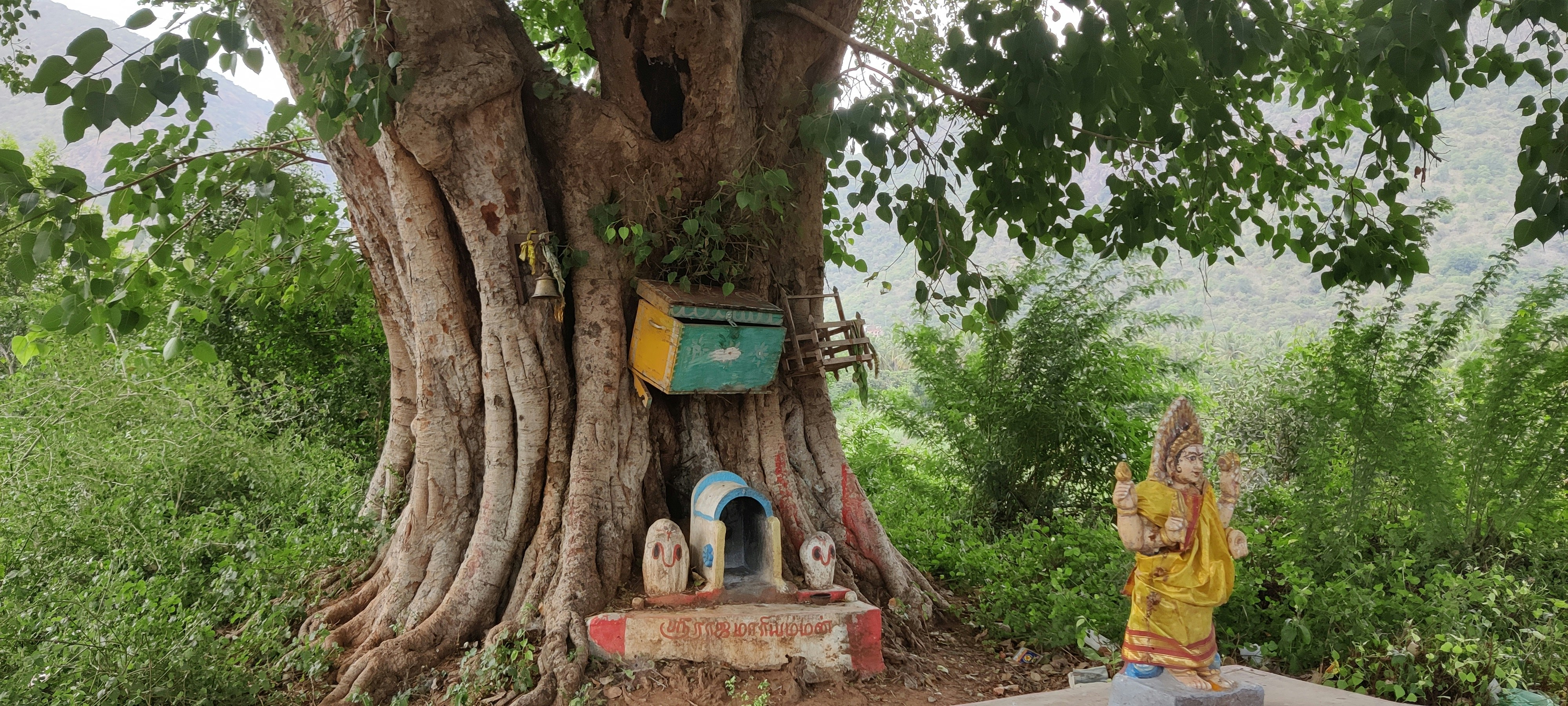
Introduction to the Sacred Groves
In the Himalayan region, sacred groves represent a unique ecological and cultural phenomenon. These groves are patches of forest that are held in high regard by local communities and are often associated with various spiritual beliefs and practices. Functioning both as natural sanctuaries and cultural heritage sites, sacred groves embody the intricate relationship between nature and tradition, which is particularly prominent among the diverse populations inhabiting the Himalayas.
The significance of sacred groves extends beyond merely being clusters of trees; they are recognized for their role in conservation and biodiversity. These areas serve as sanctuaries for numerous species of flora and fauna, many of which are endemic to the region. The preservation of such biodiversity is crucial, given the growing threats posed by deforestation, climate change, and urbanization. Sacred groves, protected by age-old customs and reverence, act as important reserves that help maintain ecological balance.
Moreover, locally revered, these groves foster cultural identity and continuity among the inhabitants of the Himalayan regions. Rituals, festivals, and traditional practices often revolve around these sacred spaces, reinforcing community ties while also nurturing respect for the environment. The groves are typically managed and safeguarded by local clans or religious groups, who impart their beliefs and wisdom to younger generations, ensuring the longevity of these natural treasures.
In essence, the sacred groves of the Himalayas encapsulate the spiritual, cultural, and ecological significance intertwined within the local communities. Their existence serves as a testament to the rich tapestry of life in the Himalayas, reminding us of the respectful coexistence between humans and nature that has sustained these societies for centuries.
Cultural Significance of Sacred Groves
The sacred groves of the Himalayas hold profound cultural significance for the communities that inhabit the region. These groves are not merely clusters of trees; they are revered spaces that symbolize various local beliefs, traditions, and practices deeply woven into the fabric of the inhabitants’ daily lives. Often viewed as the dwelling places of deities, these groves are integral to the spiritual landscape of the area, serving as sites for worship and rituals that underscore the community’s reverence for nature.
In many Himalayan communities, sacred groves are protected as sites of biodiversity, reflecting an intrinsic understanding of their ecological value. This careful stewardship highlights the connection between cultural beliefs and environmental conservation. Festivals and local rituals frequently revolve around these hallowed grounds, facilitating celebrations that honor deities believed to inhabit the trees and the surrounding ecosystem. During such observances, local residents engage in various activities, from offering prayers and making floral tributes to participating in traditional music and dance, effectively reinforcing their cultural identity.
The relationship between the local population and sacred groves extends beyond mere reverence. The groves are often hubs of social interaction, serving as venues for community gatherings, storytelling, and the transmission of oral traditions. This aspect of cultural engagement not only fosters community cohesion but also instills a sense of responsibility among the inhabitants to protect and preserve these natural sanctuaries. By integrating their rituals with the rhythms of the natural world, the communities demonstrate a profound acknowledgment of the interdependence between cultural practices and environmental sustainability.
Key Tree Species in Himalayan Sacred Groves
The sacred groves of the Himalayas are home to a diverse array of tree species, each carrying deep ecological and cultural significance. These secluded groves serve as sanctuaries for flora and fauna, safeguarding biodiversity while enriching local traditions. Among the prominent species, the Deodar Cedar (Cedrus deodara) stands out. Known for its towering stature and resilience, the Deodar Cedar is not only valued for its timber but also revered in local spirituality. It is often associated with various deities and is integral to religious rituals, reinforcing its status in Himalayan ecologies.
Another significant species found in these sacred groves is the Pine Tree, particularly the Chir Pine (Pinus roxburghii). This tree thrives in the mountainous regions and is celebrated for its ability to prevent soil erosion. Its needles are commonly used in traditional practices, and its wood serves multiple purposes, from construction to fuel. Like the Deodar, Pine Trees hold a special place in the hearts of local communities, being linked to traditional beliefs and practices.
The Banyan Tree (Ficus benghalensis) also plays a vital role in these sacred spaces. Recognized for its extensive root system and expansive canopy, the Banyan tree is synonymous with longevity and endurance. It is often viewed as a symbol of prosperity and is a preferred site for community gatherings and worship. Such trees not only foster biodiversity but also contribute to maintaining ecological balances, thereby stabilizing the environment.
Lastly, the Sal Tree (Shorea robusta) is predominant in various sacred groves across the region. Known for its hard wood, it is vital to local woodworking crafts. Moreover, Sal Trees hold significant cultural relevance as they are believed to embody divine forces. Represents of resilience and tradition, these tree species not only mark the landscape of the Himalayas but also encapsulate the profound reverence that local communities have for nature.
Legends and Myths Surrounding the Groves
The sacred groves of the Himalayas are not only revered for their ecological importance but also serve as the cradle of numerous legends and myths that enrich the cultural tapestry of the region. These enigmatic spaces, consecrated to various deities, possess intrinsic spiritual significance that has been woven into the folklore of the indigenous communities.
One prominent legend recounts the tale of a valiant prince who sought the grace of a forest deity to protect his kingdom from impending doom. After a relentless journey into the heart of the sacred grove, he encountered a massive banyan tree believed to be the dwelling place of the guardian spirit. With unwavering faith, he offered prayers and gifts, and the deity, impressed by his devotion, bestowed blessings, ensuring prosperity and peace for his people. This story not only encapsulates the reverence for nature but also reflects the belief that these groves are celestial reservoirs of strength and protection.
Another popular myth centers around the concept of the Tree of Life, where the sacred grove is linked to the very essence of existence and vitality. Local inhabitants assert that the roots of a particular old cedar tree connect to the fabric of life itself, symbolizing rebirth and continuity. This belief impels communities to gather in these groves during significant life events, reinforcing social bonds and passing down the wisdom encapsulated in their narratives.
Through these enchanting tales, the sacred groves serve as a repository of collective memory, embodying the values, fears, and aspirations of Himalayan communities. The storytelling tradition ensures that respect for these natural sanctuaries endures across generations, forming an integral part of the cultural identity tied to the region’s majestic landscapes.
Local Practices and Conservation Efforts
The sacred groves of the Himalayas serve not only as vibrant ecosystems but also as essential components of local culture and spirituality. The communities surrounding these groves engage in various traditional practices aimed at conserving these revered spaces, recognizing their intrinsic value to both human and ecological health. One prominent method of conservation is the establishment of community-based management strategies, which empower locals to collectively manage and protect these areas.
Members of these communities often organize rituals and ceremonies designed to honor the spiritual essence of the groves. This includes festivals that celebrate the trees and associated deities, strengthening the community’s bond with their natural surroundings. Such practices foster a sense of collective responsibility among the locals, reinforcing their role as stewards of the environment. In many instances, these rituals are accompanied by prohibitions against cutting down trees or harvesting certain plants, thus ensuring the preservation of the flora and fauna that thrive within these unique ecosystems.
Moreover, locals have developed intricate knowledge systems that guide the sustainable use of resources from the sacred groves. For example, elders in the community often share traditional ecological knowledge that helps in understanding seasonal variations, plant growth cycles, and the medicinal properties of various species. This shared wisdom contributes to biodiversity conservation, enabling communities to maintain a delicate balance between their livelihoods and the health of the groves.
In conclusion, the collective efforts of communities in preserving their sacred groves illustrate a profound commitment to environmental stewardship. Through rituals, community management, and the transmission of traditional knowledge, these practices ensure the continued survival of the unique ecosystems found in the Himalayas, highlighting the important relationship between cultural identity and biodiversity conservation.
Ecological Importance and Biodiversity in Sacred Groves
The sacred groves of the Himalayas represent a vital ecological sanctuary, renowned for their remarkable biodiversity and the ecological services they provide. These groves serve as crucial habitats for a myriad of flora and fauna, fostering plant species, many of which are endemic and hold significant medicinal value. It is within these groves that one can find trees such as the Rhododendron arboreum and various coniferous species, which together create a rich tapestry of ecological life.
In addition to serving as a habitat, these sacred areas play a pivotal role in soil conservation. The dense root systems of the trees help prevent soil erosion and promote the retention of nutrients, thereby supporting agricultural productivity within nearby communities. Furthermore, sacred groves facilitate water retention, which leads to improved groundwater recharge. This aspect is critical in regions where water scarcity is a pressing issue, impacting both human populations and wildlife that depend on adequate water supplies.
Furthermore, sacred groves act as essential corridors for the movement of various species, allowing for genetic exchange and migration routes that are threatened in more developed areas. They harbor endangered species, making them crucial for conservation efforts. For instance, the presence of species like the Himalayan black bear and various endemic birds underscores the groves’ significance in preserving biodiversity. Protecting these ecological treasures is not only a cultural imperative but also a biological necessity, highlighting the interconnectedness of communities, biodiversity, and ecosystem sustainability. The sacred groves are a testament to how ancient traditions can harmonize with modern conservation goals, ensuring that both cultural and ecological values are preserved for future generations.
Threats to Sacred Groves
Sacred groves in the Himalayas, revered for their ecological and cultural significance, are increasingly facing a myriad of threats that jeopardize their existence. One of the most pressing challenges is deforestation, often driven by agricultural expansion, logging activities, and infrastructure development. The intrinsic value of these groves, which serve as habitats for diverse flora and fauna, is compromised as trees are cut down and biodiversity is diminished. The loss of tree cover not only affects habitats but also disrupts local ecosystems, leading to soil erosion and water scarcity.
Climate change presents another significant threat to sacred groves. Changes in temperature and precipitation patterns can drastically alter the growth and survival of tree species integral to these groves. Additionally, extreme weather events, such as floods and landslides, are becoming more frequent, further endangering these delicate ecosystems. The impacts of climate change can be profound, reducing the resilience of sacred groves and compromising their role in sustaining local biodiversity.
Urbanization is yet another looming threat, with expanding cities encroaching on previously untouched landscapes. As populations grow and urban areas spread, sacred groves are often sacrificed for housing, roads, and other developments. This not only results in the physical displacement of these groves but also undermines the cultural traditions associated with them, as many communities regard these groves as sacred spaces linked to their identity and heritage.
The implications of these threats are far-reaching, impacting local ecosystems, cultural practices, and the overall wellbeing of communities that rely on the services provided by sacred groves. The necessity for conservation efforts cannot be overstated; immediate and sustained action is crucial to protect these unique environments and the cultural heritage they embody.
Success Stories of Sacred Grove Conservation
Across the Himalayan region, numerous local communities have taken proactive measures to conserve their sacred groves amidst environmental degradation and urbanization. These conservation efforts have resulted in remarkable success stories, demonstrating the profound connection between cultural heritage and ecological sustainability.
One such success is found in the state of Uttarakhand, where the village of Binsar has become a beacon of sacred grove preservation. The community established a joint forest management committee that emphasizes not only the protection of their sacred grove but also the sustainable use of its resources. This collaboration has led to the rejuvenation of the forest ecosystem, which now supports rare flora and fauna, and has thus increased the ecological awareness among the villagers.
In Himachal Pradesh, the village of Ratnari showcases another effective strategy. Here, the villagers have combined traditional practices with modern conservation techniques. They organized awareness campaigns to educate the local population about the importance of their sacred grove, and implemented strict regulations against deforestation and poaching. As a result, the grove has been preserved, allowing both biodiversity to flourish and the community to maintain its cultural identity.
Moreover, the involvement of local youth has been instrumental in conservation initiatives in several villages. By engaging them through educational programs and participatory approach, communities are ensuring that younger generations continue to uphold the values associated with their sacred groves. These programs not only empower youth but also ensure the transmission of knowledge about the spiritual and ecological significance of these groves.
These examples illustrate that local communities can indeed combat the threats faced by sacred groves through a combination of cultural reverence, education, and strategic management. Such success stories serve as inspiration for similar conservation efforts across the region, emphasizing the need for a community-focused approach in preserving sacred natural spaces.
Conclusion: The Future of Himalayan Sacred Groves
The sacred groves of the Himalayas stand as a testament to the harmonious relationship between nature and culture. The enduring legacy of these groves is not merely a relic of ancient traditions, but a crucial element in the ecological fabric of the region. As we look to the future, it becomes imperative to embrace integrated conservation approaches that safeguard both the ecological integrity and cultural significance of these sacred spaces.
One of the primary challenges facing the Himalayan sacred groves is the impact of modernization and changing land-use patterns. The increasing pressure from urbanization, agriculture, and climate change threatens not only the physical existence of these groves but also the spiritual practices associated with them. It is essential to recognize the role these groves play in biodiversity conservation; they serve as vital ecosystems that harbor numerous species of flora and fauna, some of which are endemic to the region.
To ensure the survival of sacred groves for future generations, there is a need for collaborative efforts that involve local communities, government bodies, and conservation organizations. Engaging local communities in conservation initiatives is crucial, as their traditional knowledge and cultural ties to these spaces provide unique insights into sustainable management practices. Moreover, there should be an emphasis on educational programs that raise awareness about the ecological and cultural values of sacred groves.
In conclusion, the future of Himalayan sacred groves hinges on our ability to adapt and implement conservation strategies that respect and incorporate the deep-rooted cultural heritage associated with these sites. By fostering a holistic approach that honors both ecological and cultural values, we can help ensure the preservation of these revered landscapes as vital ecosystems and cultural symbols for generations to come.