
Temple & sacred site
Chintpurni Temple, Una
The Goddess Who Cut Off Her Own Head
At a glance
- Location
- Chintpurni village, west of Bharwain, Una district
- How to reach
- Road via Bharwain, then the pilgrim approach from the permitted drop-off
On a ridge west of Bharwain, pilgrims come to Mata Chintpurni with worries to unburden and prayers to offer before a sacred stone.
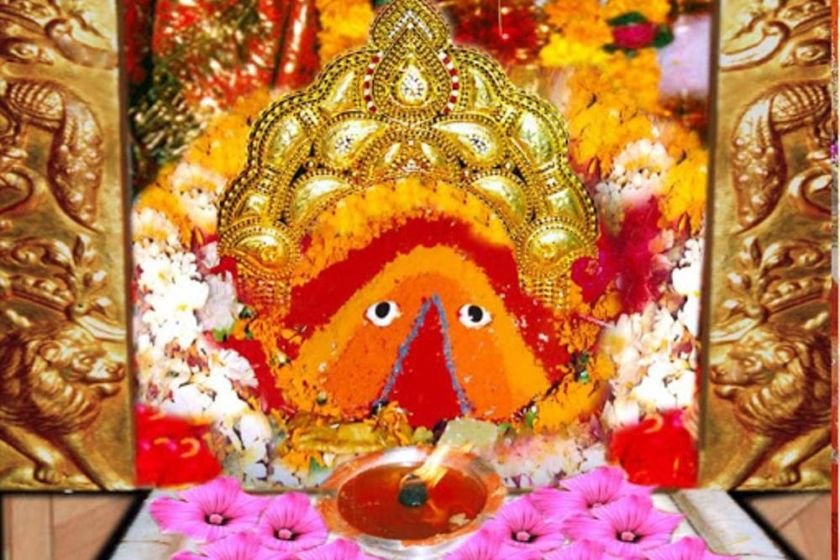
Chintpurni is one of Himachal Pradesh’s best-known Shakti pilgrimage sites. The temple identifies its goddess with Mata Chhinnamastika, whose stories and images can be startling if you meet them for the first time. At the shrine, worship centres on a pindi, the sacred stone form of the goddess. Knowing that distinction makes the story easier to understand before you join the darshan queue.
🌄 Location and how to reach it
Mata Chintpurni Temple stands in Chintpurni village, Una district, about 3 km west of Bharwain according to the district guide. Bharwain is the main road landmark on the Hoshiarpur–Dharamshala corridor.
Google Maps: Find Mata Chintpurni Temple
- By road: Approach through Bharwain, then follow signs or traffic directions to the permitted parking and drop-off. On fair days the arrangements may differ from ordinary days.
- By public transport: Ask whether your service stops in Bharwain or continues to Chintpurni, and plan the onward leg before you travel.
- On foot: Follow the pilgrim route from the permitted drop-off to the queue. Ask the temple trust about the final approach if anyone in your group has difficulty with steps or standing for long periods.
🌸 Best Time to Visit
An ordinary weekday morning is a good choice if you want more time for the approach and darshan. The main festival periods include Chaitra Navratri, the Sawan fair, and the autumn Navratri. For a festival visit, check the temple trust’s announcements and leave time for traffic diversions as well as the queue. The Sawan fair is a separate gathering from the two Navratris.
🕉️ Chhinnamastika and the Sacred Pindi
In the temple trust’s telling, after the goddess won a battle against demons, two companions still needed sustenance. The goddess offered it from her own body by severing her head. The story is commonly read as an act of giving. A print in the Metropolitan Museum of Art shows the wider Chhinnamasta iconography: the goddess holds her own head, with the two companions beside her.
At Chintpurni the object of darshan is the pindi, rather than a statue depicting that moment. Pilgrims may come because they know the myth, or because their family remembers Mata Chintpurni as the mother who eases their worries. Both ways of approaching the goddess belong to the temple’s devotional life.
📜 Mai Das and the Shrine on the Ridge
Temple tradition remembers Pandit Mai Das as the devotee who received the goddess’s darshan here. Una district’s account says she guided him to water beneath a stone when he worried about being able to stay and serve at the shrine. The older name Chhabroh appears in the trust’s telling. Chintpurni became the name by which pilgrims came to know the place and the goddess.
The district guide also credits Diwan Dina Nath, a member of Maharaja Ranjit Singh’s court, with having the steps and path built. The temple trust describes a second way to read the landscape: four Shiva shrines are understood to guard Chhinnamastika’s seat, with Kaleshwar to the east and Shiv Bari to the south.
🙏 Darshan and the Pilgrim Approach
Leave footwear where directed and give the queue room to move, especially near the sanctum. Confirm restrictions on bags and cameras before joining a long line. The trust maintains a facilities page and contact details; check there if you are planning the visit for a large group or someone who needs help with the approach.
🏞️ While You’re in the Area
For a nearby second stop, the trust places Sheetla Devi Temple near Dharmsal Mahantan on the road west of Chintpurni. If you want to follow the guardian tradition towards Gagret, give Drona Shiv Bari its own road and darshan time.
❓ Quick Questions Travellers Ask
Are Chintpurni and Chhinnamastika two temples here? Mata Chintpurni is the name most pilgrims use for this shrine, where the goddess is identified with Chhinnamastika.
Will I see the headless image during darshan? The shrine’s focus is the pindi. The headless form belongs to the goddess’s story and iconography.
Is Bharwain the temple itself? Bharwain is the road approach. The shrine is farther west in Chintpurni village.
A Final Thought
The most striking image in the story is often what people first hear about Chintpurni. The pindi and the steady line of pilgrims show how personally the goddess is known on the ridge.