
Festivals & culture
Sui Mata Mela, Chamba
A Spring Gathering in Memory of the Queen and the Town’s Water
At a glance
- Location
- Sui Mata shrine, Chamba town
- How to reach
- Chamba town to the uphill shrine approach
- Walking difficulty
- Uphill town walk and steps
Chamba remembers a queen through a story about water. The annual Sui Mata Mela takes that memory from the town’s households and public gathering places to a shrine above the town.
📅 When the festival takes place
The fair belongs to Chamba’s spring calendar. The district describes a traditional period between Chait and Baisakh. Check the current mela announcement for dates and procession timing instead of converting the older calendar description into a fixed modern date.
💧 The story of the queen
The district’s account connects the shrine with a water shortage and a queen whose sacrifice was believed to bring water to Chamba. The story is part of the town’s memory of the shrine. It explains why the gathering honours the queen and why water is central to the way her story is told.
🌄 Location and how to reach it
The Sui Mata shrine is above Chamba town. Use the shrine as the map reference and check which approach is in use on the mela day.
Google Maps: Find Sui Mata Temple
- By road: Reach Chamba and follow the notified parking or drop-off. A central town stop may be more practical on procession day.
- By public transport: From Chamba bus stand, walk or arrange a local ride to the foot of the shrine approach.
- On foot: Use the marked path and steps. Confirm an easier stopping point if members of your group cannot manage the climb.
👣 Following the fair in town
Start with the announced public programme. The shrine is uphill, so allow time for the walk, crowd movement and a return in daylight. If a procession is scheduled, ask which stretches are open to spectators and stand clear of its route. Give priority to people making offerings and ask before taking close photographs.
🎵 Songs for the queen
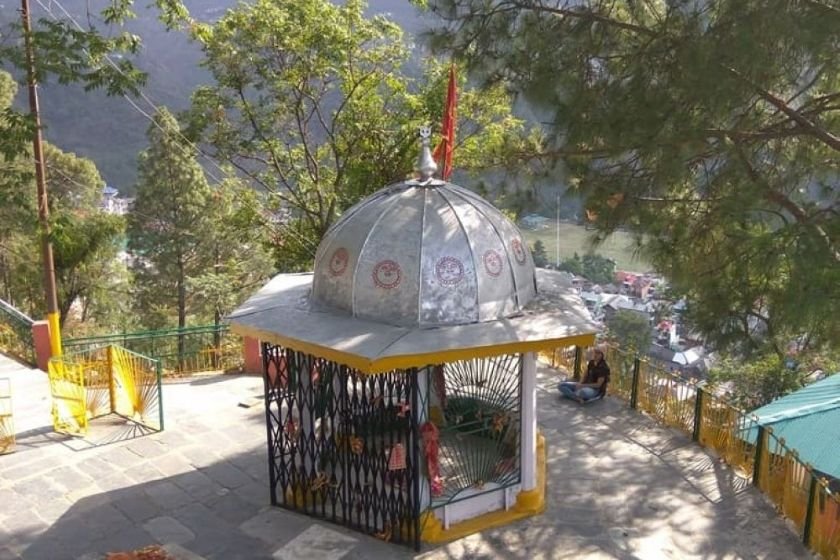
The Chamba district account describes women and children attending the fair and singing in praise of the queen. It also locates the shrine on Shah Madar Hill, with steps and small pavilions along the approach. The route helps put the water story in its local setting. Ask which parts of a procession or ceremony are open to visitors and leave room for the groups who come to sing or make offerings.