
Explore Kinnaur
Kalpa, Sangla, Chitkul, Kinnaur Kailash & Himalayan frontier villages
Kinnaur is one of Himachal Pradesh’s most dramatic mountain districts — known for Kalpa’s Kinnaur Kailash views, Sangla Valley, Chitkul, apple orchards, wooden temples, Buddhist influences, cliff-side roads and high Himalayan landscapes near the Indo-Tibetan frontier.
A high-Himalayan district of sacred peaks, deep valleys, apple orchards, ancient villages and unforgettable roads.
Kinnaur feels different from almost every other part of Himachal. The district moves from pine forests and orchard villages to high-altitude valleys, cliff roads, monasteries, wooden temples and snow peaks. It is a destination for travellers who enjoy slow mountain journeys, strong local culture and dramatic landscapes.
The most loved Kinnaur routes connect Kalpa, Reckong Peo, Sangla Valley, Rakcham, Chitkul, Nako, Pooh and the Khab region. Each valley has a different mood — some are green and village-focused, while others feel remote, silent and almost trans-Himalayan.
Why Kinnaur stands out
- One of Himachal’s strongest districts for mountain views, photography, culture and slow road trips
- Iconic destinations like Kalpa, Sangla Valley, Chitkul, Nako and Kinnaur Kailash
- A rare blend of Hindu, Buddhist and local Kinnauri traditions visible in temples, monasteries and festivals
- Perfect for travellers who want something quieter, deeper and more dramatic than ordinary hill-station routes
Explore Kinnaur by interest
Begin with sacred sites, treks and nature routes, and hidden corners across Kinnaur. These live guide collections pull your Kinnaur articles automatically so the page keeps growing as you publish more stories.
Temples & Sacred Sites
Sacred temples, monasteries, hill shrines and spiritual landmarks rooted in local devotion.
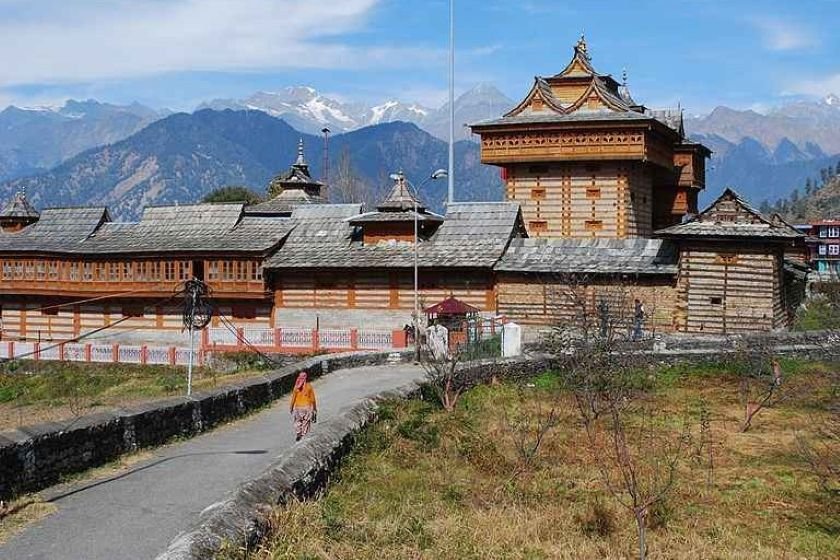
Bhimakali Ji Temple, Sarahan – The Temple That Buried a Demon King at Its Own Front Door
Step through the first gate and you’re standing, whether you know it or not, directly above the buried...
Read guide →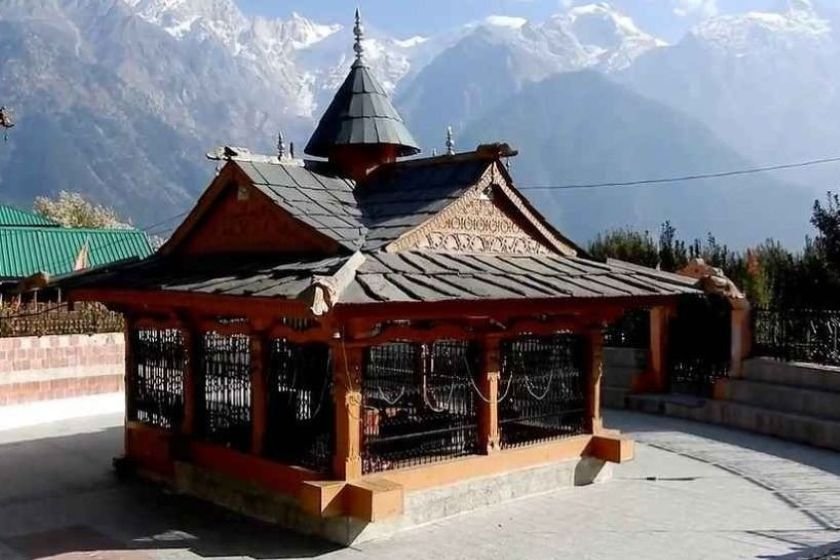
Chandika Devi Temple, Kothi – The Eldest Daughter Who Divided a Kingdom Among Her Siblings
In Kinnaur, the gods are not distant strangers to each other — they are brothers and sisters who...
Read guide →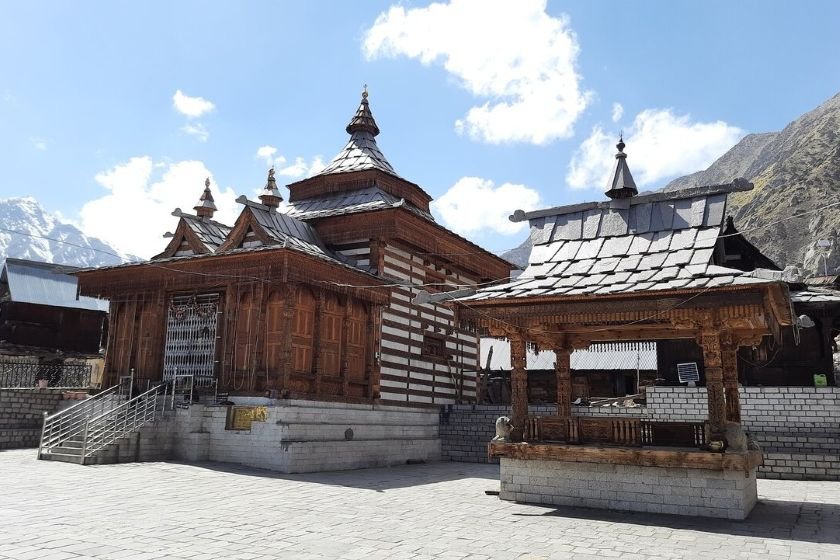
Mathi Devi Temple, Chitkul – The Goddess Who Rose to Defend Her Village
In the last inhabited village before Tibet, people don’t just say their goddess protects them — they say...
Read guide →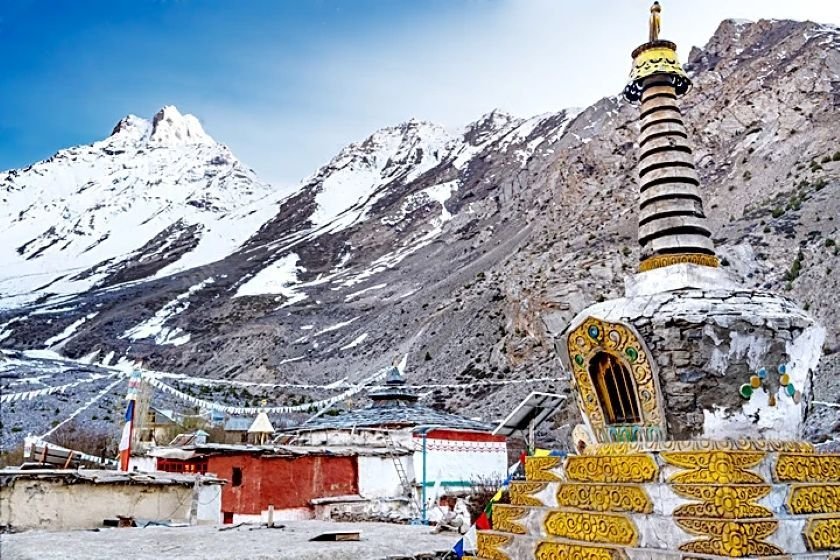
Rangrik Tungma Temple, Kinnaur – The Shrine God Built in a Single Night
They say a god once came down to this valley disguised as a yak herder, took nothing more...
Read guide →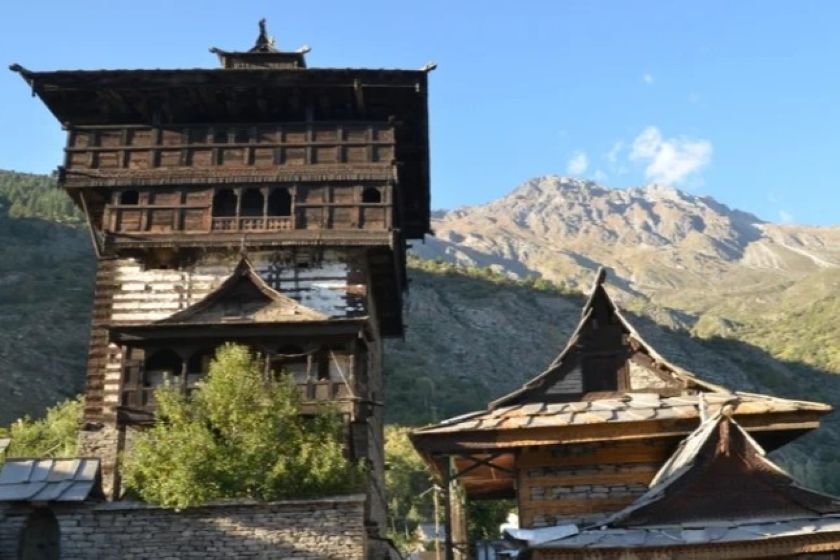
Kamakhya Devi Temple, Kamru – Where a Village Renamed Itself After Its Goddess
The village wasn’t always called Kamru — it used to be Mone, until the day a goddess from...
Read guide →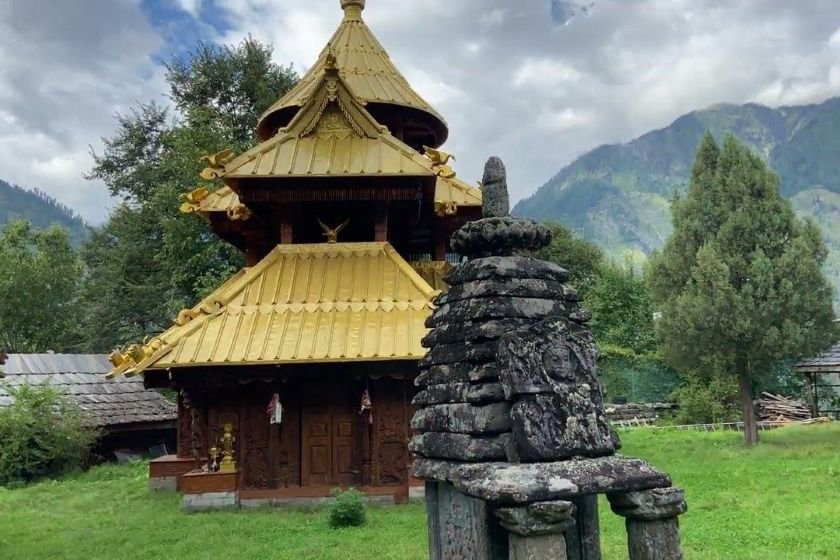
Maheshwar Temple, Sungra – The Shiva Shrine That Carved Vishnu Into Its Own Walls
Somewhere on this temple’s eastern wall, in wood carved over a thousand years ago, Vishnu’s ten avatars quietly...
Read guide →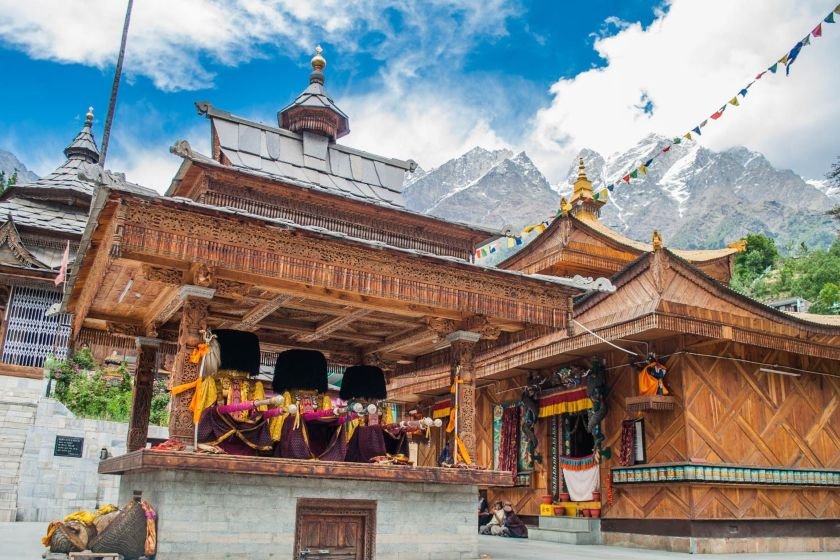
Bering Nag Temple, Sangla – The Shrine That Shares Its Courtyard With a Monastery
A few hundred steps down from Sangla’s market, a serpent-god’s temple and a Buddhist monastery stand wall to...
Read guide →
Yulla Kanda, Kinnaur – The Krishna Temple That Sits Above the Clouds
Somewhere past 12,000 feet, where the air thins and the silence gets a texture you can almost touch,...
Read guide →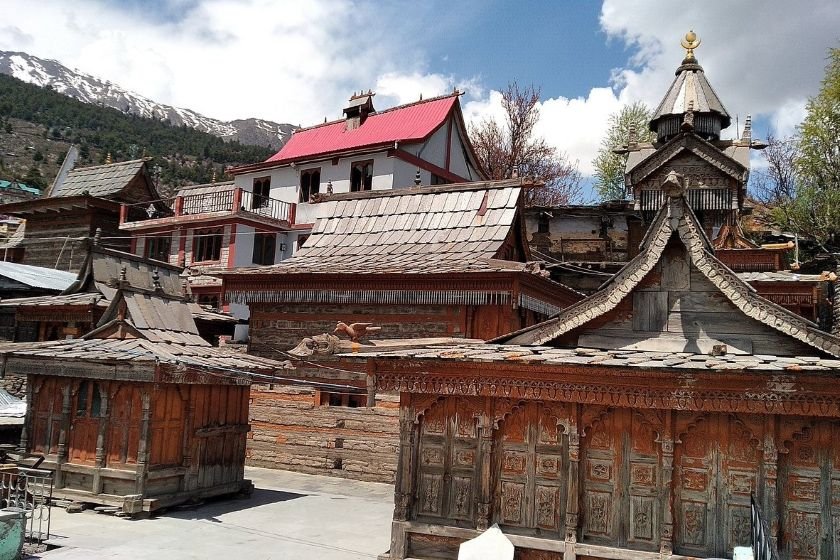
Narayan-Nagini Temple, Kalpa – The Hill That May Have Changed Gods
Two tiger statues guard a temple in Kalpa dedicated to Vishnu and a serpent goddess — and tigers,...
Read guide →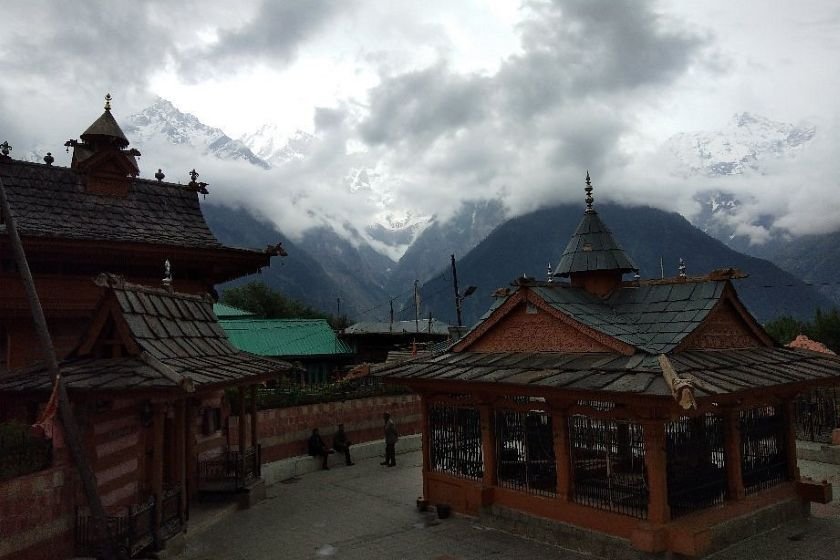
Durga Temple, Kinnaur – The Goddess Who Outwitted a Demon’s Nine Lives
Every time she cut off his head, another one grew back laughing — the goddess worshipped here didn’t...
Read guide →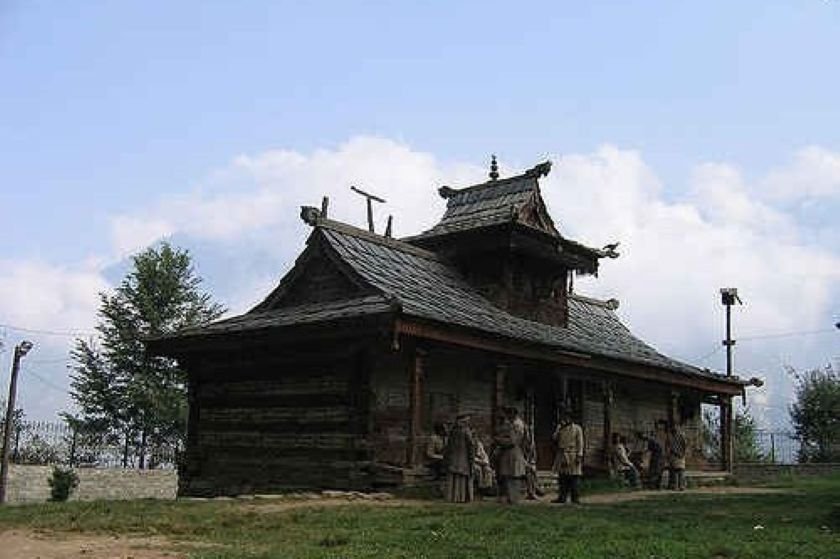
Maa Usha Devi Temple, Nichar – The Goddess Who Fell in Love in a Dream
She saw his face only once, asleep, and loved him before she knew his name — and that...
Read guide →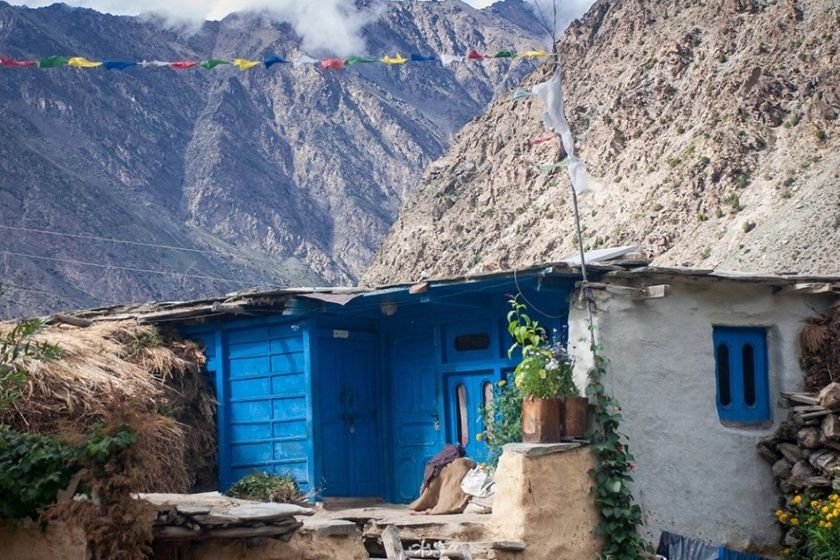
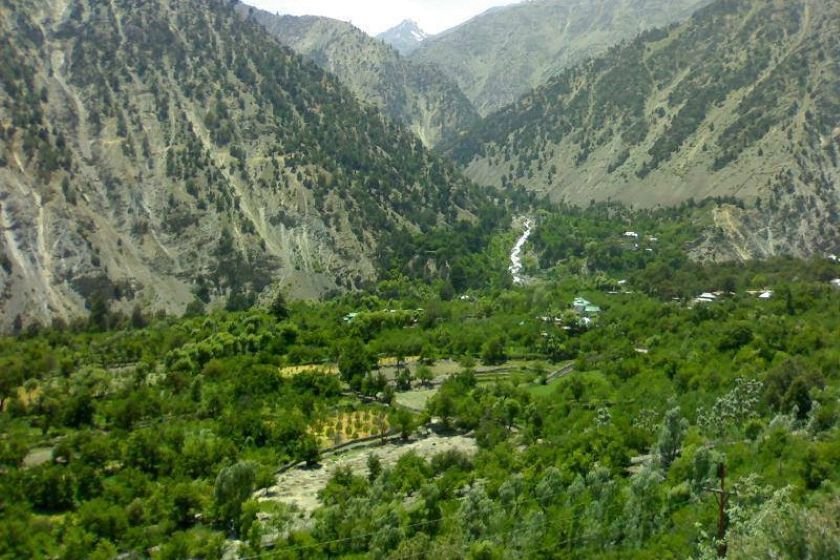
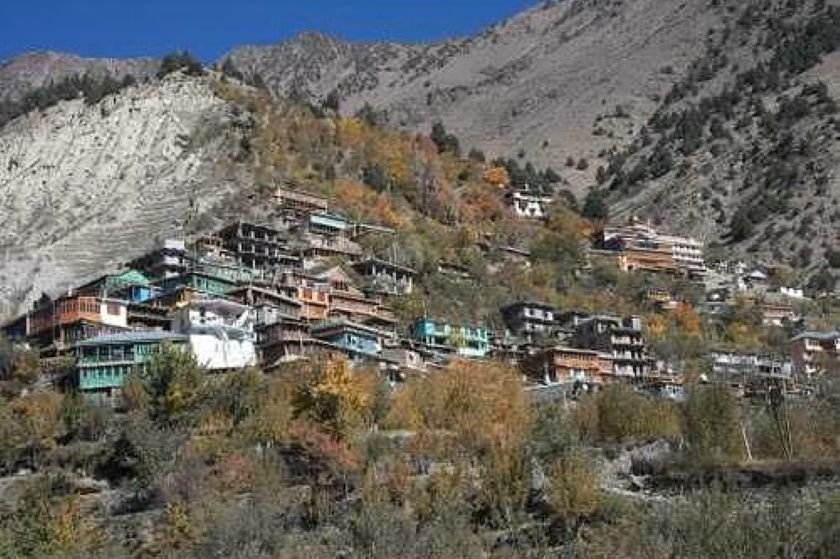
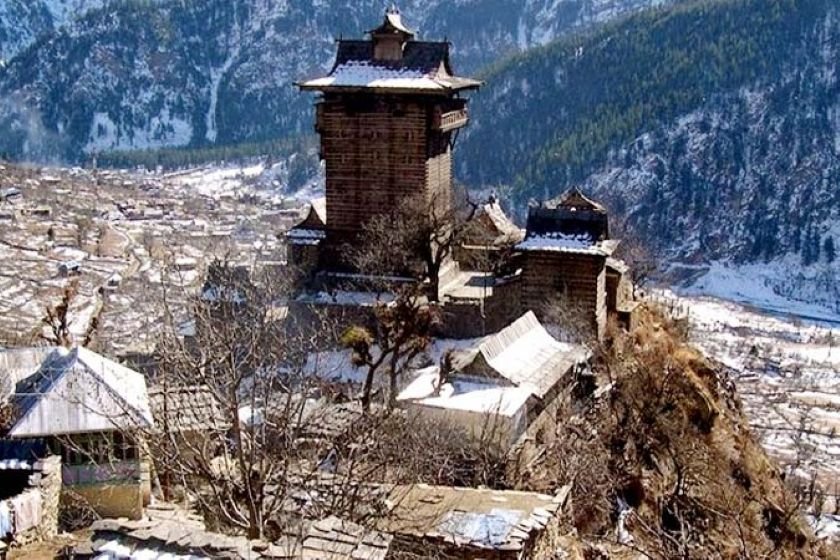
Pick the side of Kinnaur you want to explore first.
Use these shortcuts to move into the kind of Kinnaur journey that matches your mood — spiritual, scenic or offbeat.
Temples & Sacred Sites
Explore Kinnaur Kailash traditions, village temples, monasteries, sacred mountains, wooden shrines and spiritual landscapes shaped by centuries of faith.
🥾Treks & Nature
Follow Sangla Valley, Chitkul, Bhaba Valley, Kalpa viewpoints, alpine meadows, forests, rivers and high-Himalayan scenery across the district.
💎Hidden Gems
Uncover quiet villages, local architecture, orchard roads, lesser-known viewpoints, old trade-route stories and remote corners beyond the main tourist trail.
Plan Kinnaur as a slow mountain circuit, not a rushed checklist.
Kinnaur deserves time because the roads, altitude and scenery are all part of the experience. Build your route around Kalpa, Sangla, Chitkul and Nako depending on how many days you have and how comfortable you are with long Himalayan drives.
Reckong Peo + Kalpa
Explore Reckong Peo, Kalpa, Roghi side roads, local viewpoints and sunrise or sunset views of the Kinnaur Kailash range.
Kalpa + Sangla + Chitkul
Add Sangla Valley, Kamru side, Rakcham and Chitkul for one of the most scenic valley routes in Himachal.
Complete Kinnaur Circuit
Combine Kalpa, Sangla, Chitkul, Nako, Pooh and Khab Sangam for a deeper cultural and high-altitude experience.
Useful things to know before you go.
How to reach
Kinnaur is reached mainly by road from Shimla via Narkanda, Rampur, Tapri and Reckong Peo. The journey is scenic but long, so road-condition checks are important during monsoon, snowfall or landslide-prone periods.
Best season
April to June is pleasant for valley travel, while September and October bring clearer skies, orchard colours and excellent mountain views. Winter is beautiful but colder and more demanding.
Where to base
Choose Kalpa for Kinnaur Kailash views, Sangla for valley exploration, Chitkul for frontier village landscapes, Reckong Peo for access, and Nako for a more remote high-altitude stay.
Local identity
Kinnaur is known for Kinnauri caps, apples, wooden temples, village festivals, Buddhist influences, old trade-route culture, distinctive architecture and strong mountain traditions.
For spiritual travellers
Kinnaur’s sacred identity is linked with Kinnaur Kailash, local deities, monasteries, ancient village temples and rituals where Himalayan landscape and faith meet naturally.
For culture lovers
Traditional houses, wooden temples, orchards, Kinnauri dress, village festivals and Indo-Tibetan influences make the district one of Himachal’s most culturally distinct regions.
For nature seekers
From Baspa Valley to Kalpa and Nako, Kinnaur offers rivers, cliffs, orchards, snow peaks, high-altitude villages and dramatic viewpoints that feel raw and powerful.
See Kinnaur in the wider Himachal route.
Use the Himachal district map to connect Kinnaur with Shimla, Lahaul-Spiti, Kullu and other mountain journeys across the state.
Kinnaur Travel FAQs
What is Kinnaur famous for?
Kinnaur is famous for Kalpa, Sangla Valley, Chitkul, Kinnaur Kailash, Nako, apple orchards, wooden temples, Buddhist influences and some of Himachal’s most dramatic mountain scenery.
How many days are enough for Kinnaur?
Four to seven days are ideal for a meaningful Kinnaur trip. Shorter trips can cover Kalpa and Reckong Peo, while longer routes can include Sangla, Chitkul, Nako and other high-altitude villages.
Is Chitkul worth visiting?
Yes. Chitkul is one of Kinnaur’s most loved villages because of its Baspa Valley setting, mountain views, frontier feel and traditional village atmosphere.
What is the best time to visit Kinnaur?
April to June and September to October are generally the best months for Kinnaur. These seasons offer better weather, clearer views and more comfortable road travel.
Is Kinnaur suitable for a family trip?
Yes, but families should plan carefully because Kinnaur involves long mountain drives, altitude gain and changing road conditions. Kalpa and Sangla are usually easier bases for a comfortable family trip.
Ready to explore Kinnaur deeper?
Browse every Kinnaur guide, sacred site, valley route, hidden village, cultural story and travel idea in one place.