
Explore Chamba
Ancient temples, royal heritage, river valleys & high Himalayan escapes
Chamba is one of Himachal’s most atmospheric districts — a land of old kingdoms, stone temples, miniature art, deep valleys, lakes, forest routes and mountain journeys toward Bharmaur, Pangi, Khajjiar and the Ravi basin.
A district where royal history, sacred temples and wild Himalayan valleys meet.
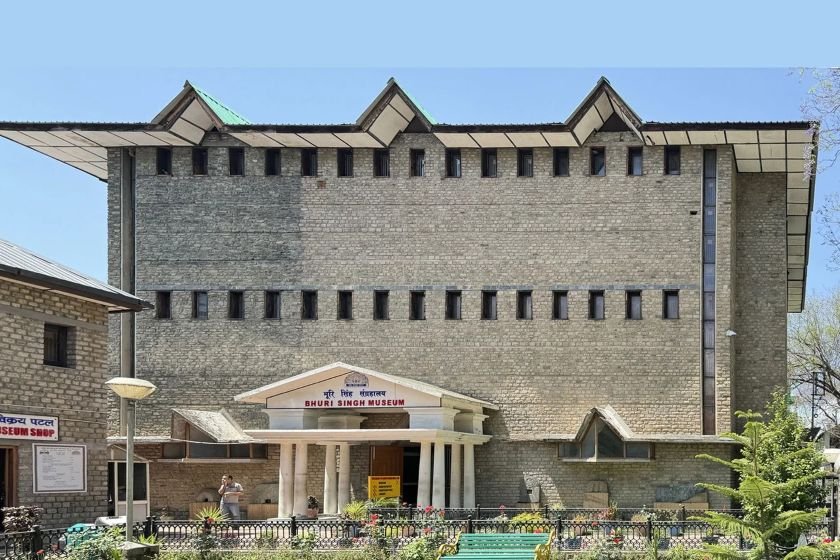
Chamba feels different from the faster hill-station circuits of Himachal. The town itself carries the rhythm of an old Himalayan kingdom, with temple courtyards, traditional architecture, museums, craft stories and mountain views that slowly reveal the district’s depth.
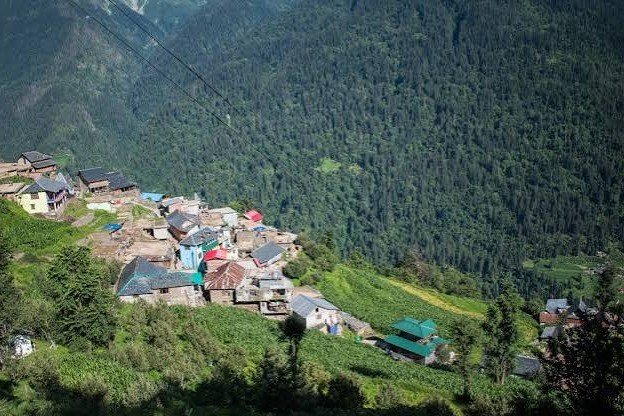
Beyond Chamba town, the district opens into lakes, forested roads, heritage villages and dramatic valleys. Khajjiar and Dalhousie are easy scenic extensions, Bharmaur brings sacred pilgrimage routes and tribal heritage, while remote valleys such as Bhandal and Pangi show a wilder, less-travelled side of Himachal.
Why Chamba stands out
- One of Himachal’s richest districts for ancient temples, museums and royal-era stories
- Beautiful route combinations linking Chamba town, Khajjiar, Dalhousie and Bharmaur
- Excellent for travellers who enjoy culture, photography, slow travel and valley drives
- Gateway to deeper Himalayan landscapes, forests, lakes and remote mountain routes
Explore Chamba by interest
Start with sacred places, nature routes and hidden corners of the district. Each collection opens detailed Chamba guides so you can plan your route with confidence.
Temples & Sacred Sites
Sacred temples, monasteries, hill shrines and spiritual landmarks rooted in local devotion.
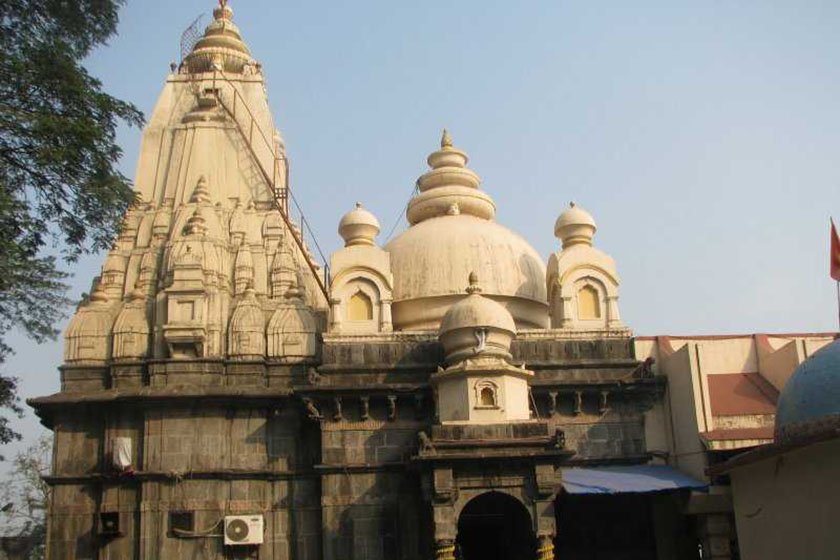
Vajreshwari Temple, Chamba – The Stone Goddess at the End of Jansali Bazaar
At the edge of Chamba’s old bazaar lanes, a stone temple rises with the quiet force of Shakti...
Read guide →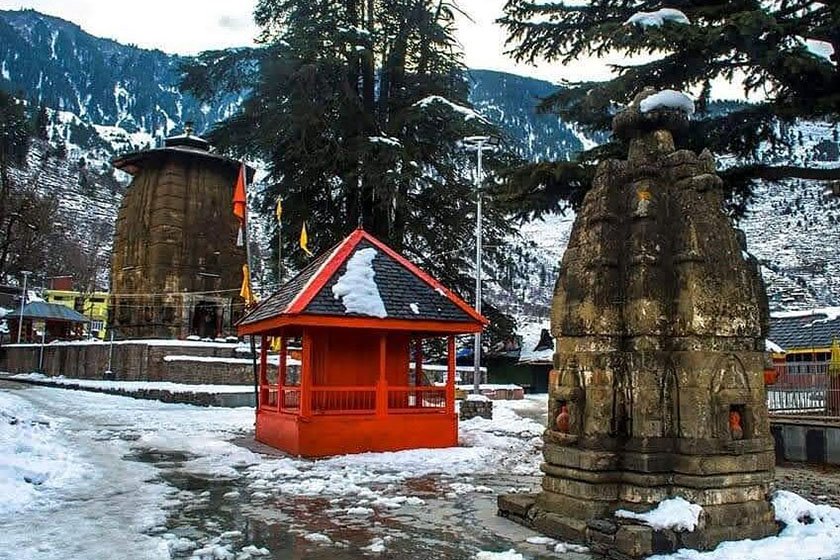
Chaurasi Temple Complex, Bharmour – The Sacred Heart of Ancient Brahmpura
In the centre of Bharmour, where the old capital of the Chamba rulers still carries the memory of...
Read guide →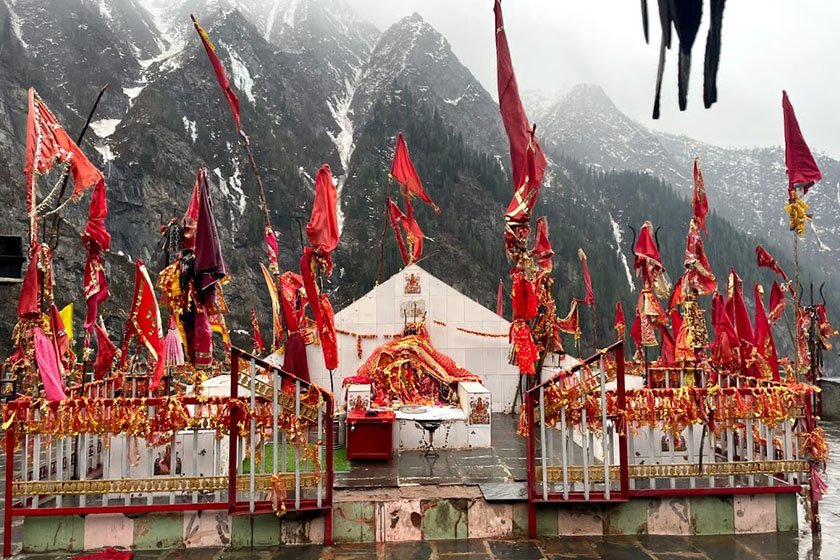
Kartik Swami Temple, Kugti – The Warrior God Who Guards the Old Mountain Passes
Above Kugti, where the village path begins to rise towards the older routes of shepherds, pilgrims, and pass-crossers,...
Read guide →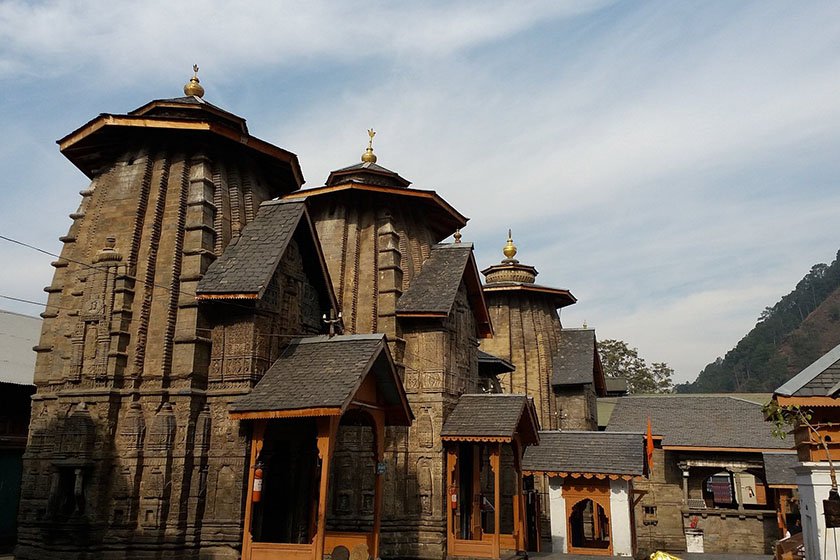
Laxmi Narayan Temple, Chamba – The Shikhara Heart of an Old Hill Capital
In the centre of Chamba, where the town’s lanes gather around memory, stone, and worship, Laxmi Narayan Temple...
Read guide →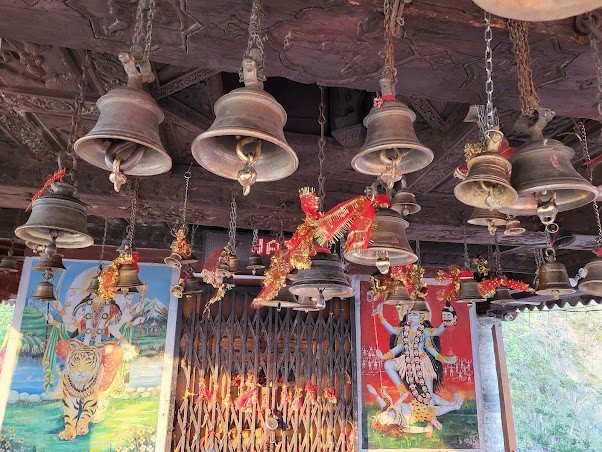
Chamunda Devi Temple, Chamba – The Wooden Goddess Watching Over the Old Town
Above Chamba’s roofs and temple spires, Chamunda Devi sits on the Shah Madar hillside — fierce in name,...
Read guide →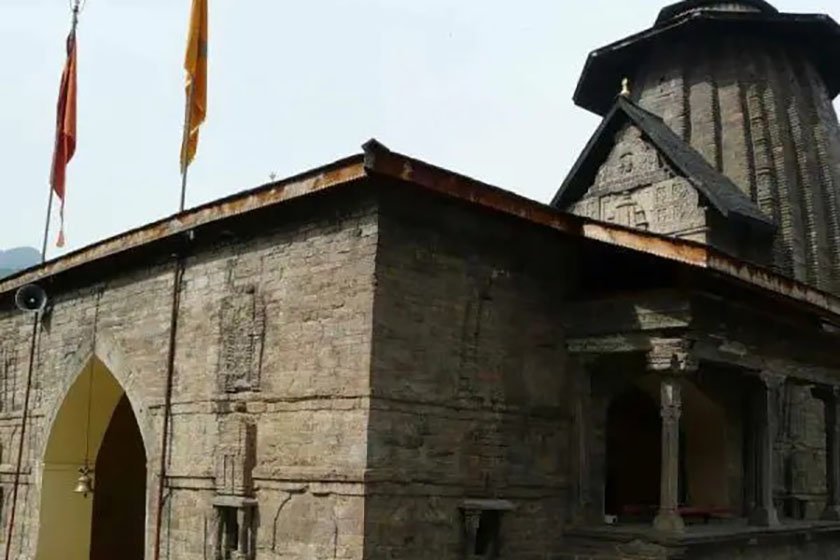
Champavati Temple, Chamba – The Princess Whose Disappearance Gave a Town Its Name
In the heart of Chamba, an old stone temple remembers a princess, a king’s suspicion, and the moment...
Read guide →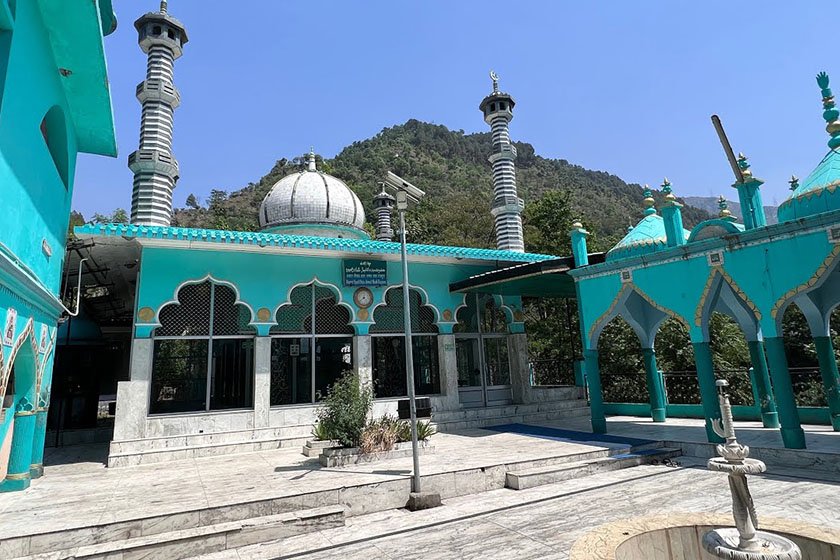
Jamal Shah Peer Baba Dargah, Rajpura – The Quiet Darbar Where Chamba’s Faith Crosses Boundaries
[et_pb_section admin_label="section"] [et_pb_row admin_label="row"] [et_pb_column type="4_4"][et_pb_text admin_label="Text"] In Rajpura near Chamba, a small Sufi dargah keeps a different...
Read guide →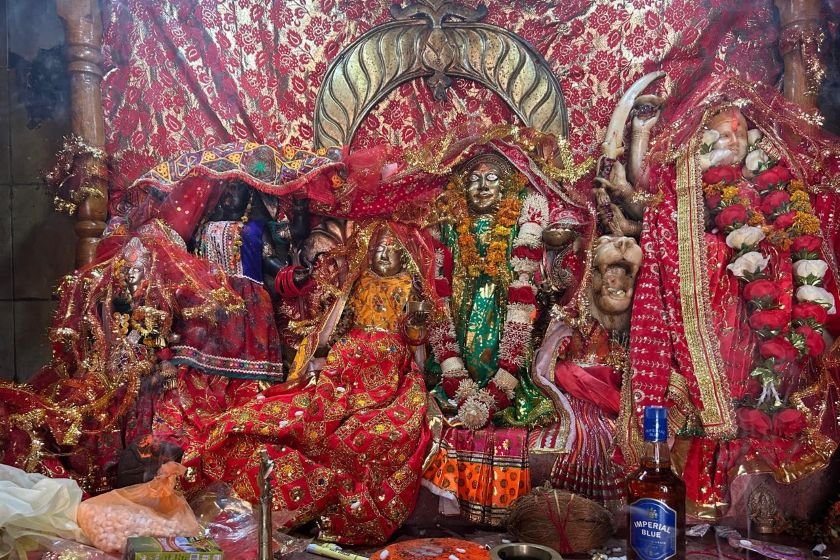
Banni Mata Temple, Tundah – Where Draupadi’s Grief Became a Goddess
At the last village in the valley, past roads that most maps politely call “under construction,” a fierce...
Read guide →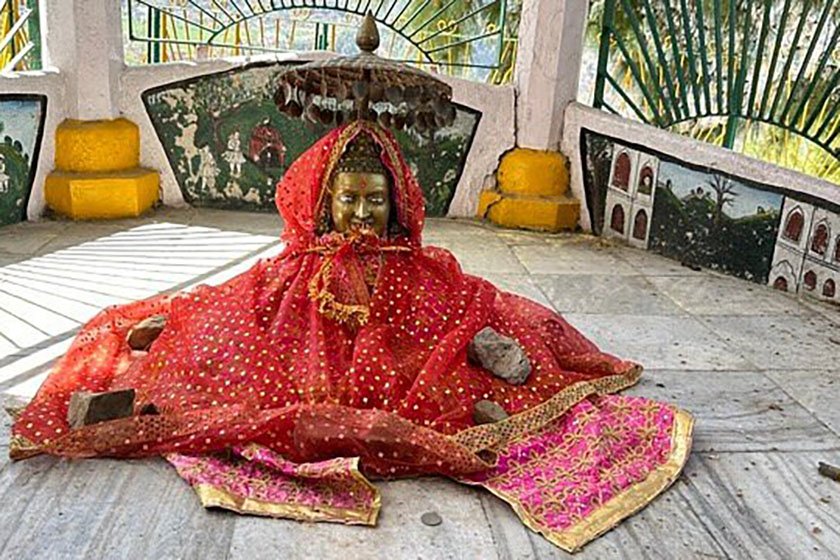
Sui Mata Temple, Chamba – The Queen Whose Sacrifice Brought Water to a Town
Above Chamba’s old lanes, a flight of stone steps remembers a queen who did not rule from a...
Read guide →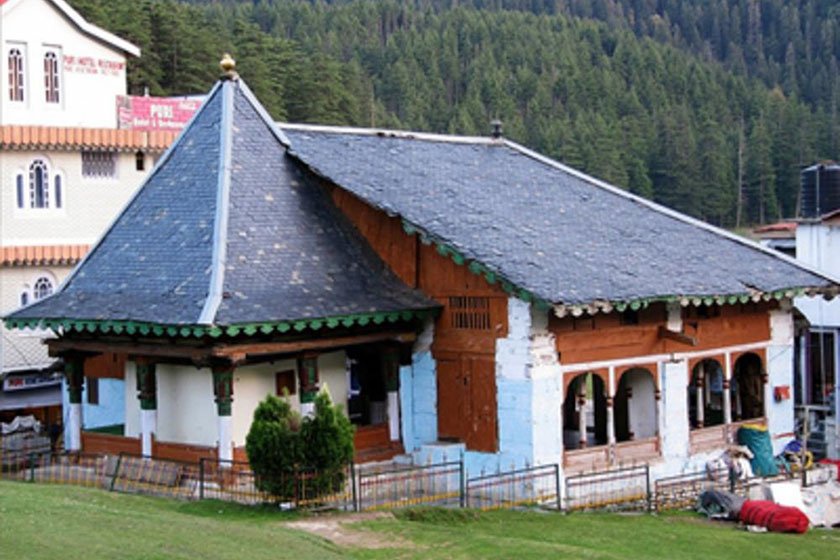
Khajji Nag Temple, Khajjiar – The Serpent God of the Mini Switzerland
Before Khajjiar became famous as “Mini Switzerland,” it already had an older name, an older guardian, and a...
Read guide →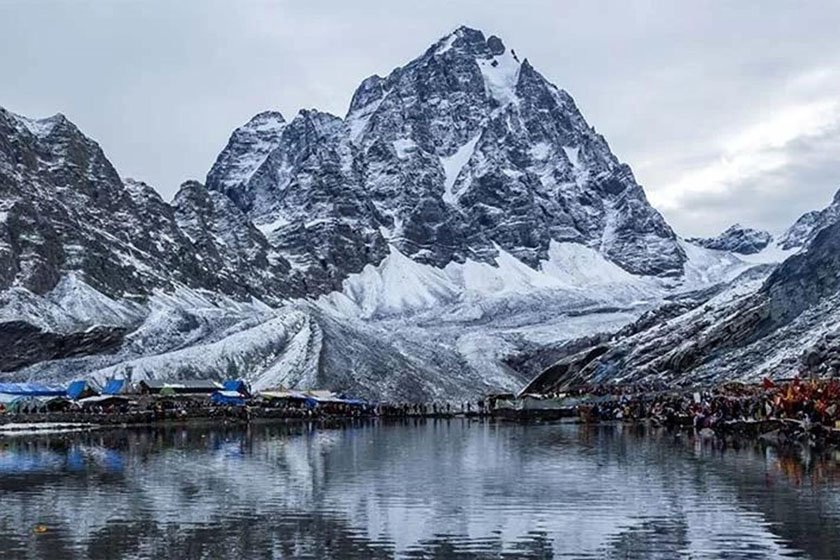
Manimahesh, Bharmour – The Sacred Lake of Lord Shiva Beneath Manimahesh Kailash
High above Bharmour, where the air becomes thin, the path becomes silent, and the mountains begin to feel...
Read guide →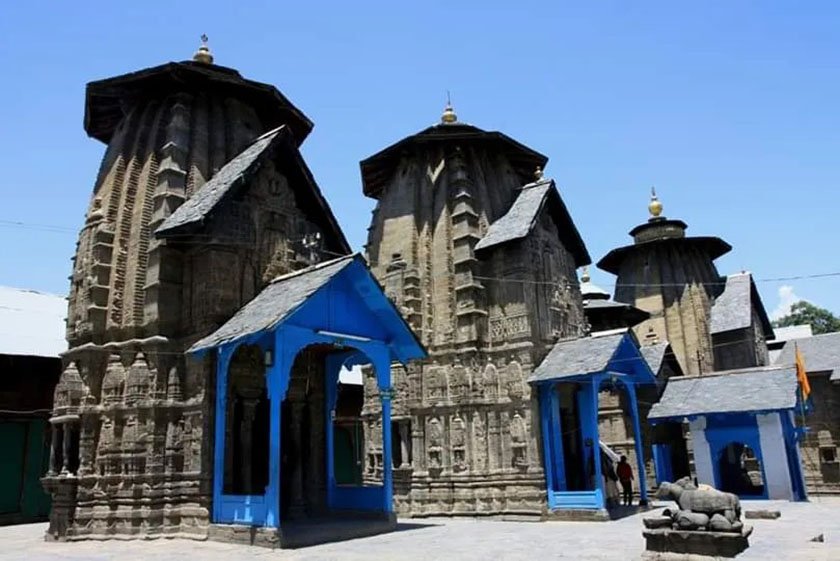
Shri Hari Rai Temple, Chamba – The Bronze Vishnu Who Watches the Chaugan Gate
At the edge of Chamba’s great open ground, an old stone shrine holds one of the town’s most...
Read guide →Treks & Nature
Forest trails, ridge walks, viewpoints and quiet nature routes across the lower Himalayas.
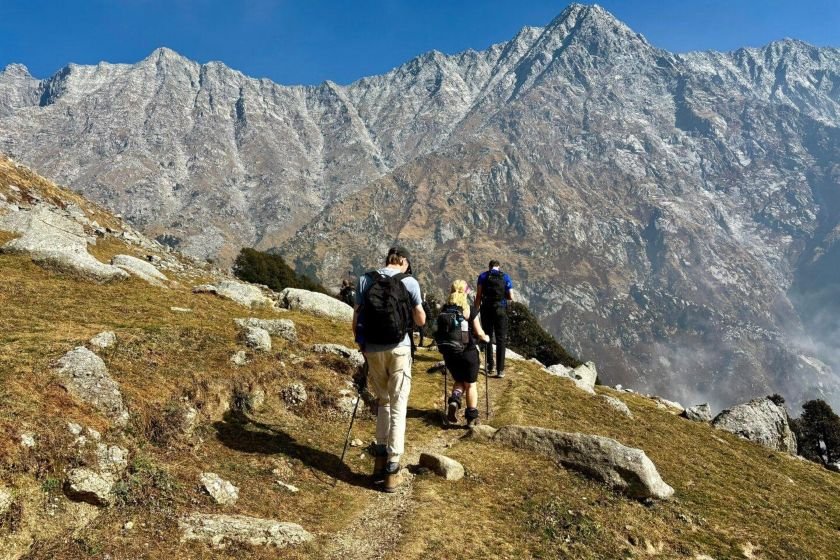
Indrahar Pass Trek, Dharamshala – Route, Distance, Best Time and Things to Know
Indrahar Pass Trek is one of the most rewarding high-altitude treks in the Dhauladhar range of Himachal Pradesh....
Read guide →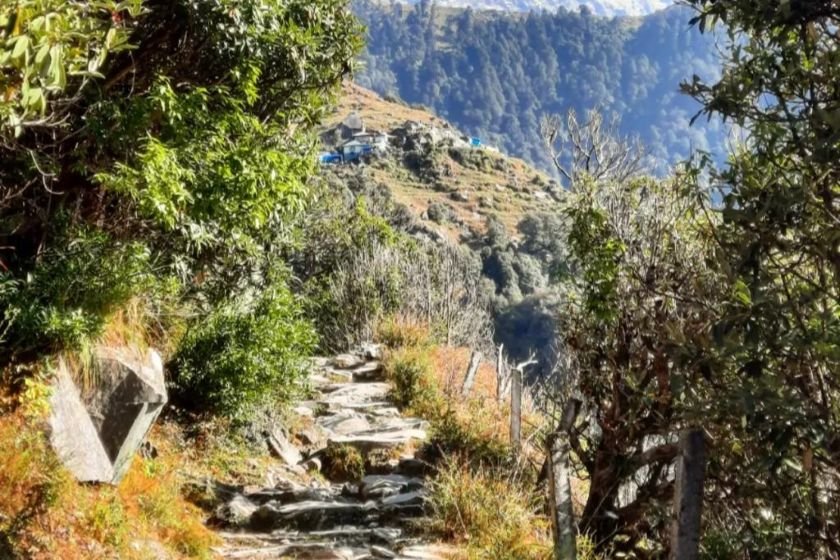
Thamsar Pass Trek – Kangra to Bara Bhangal Route
Thamsar Pass Trek is one of the most remote and challenging treks in Himachal Pradesh. Located in the...
Read guide →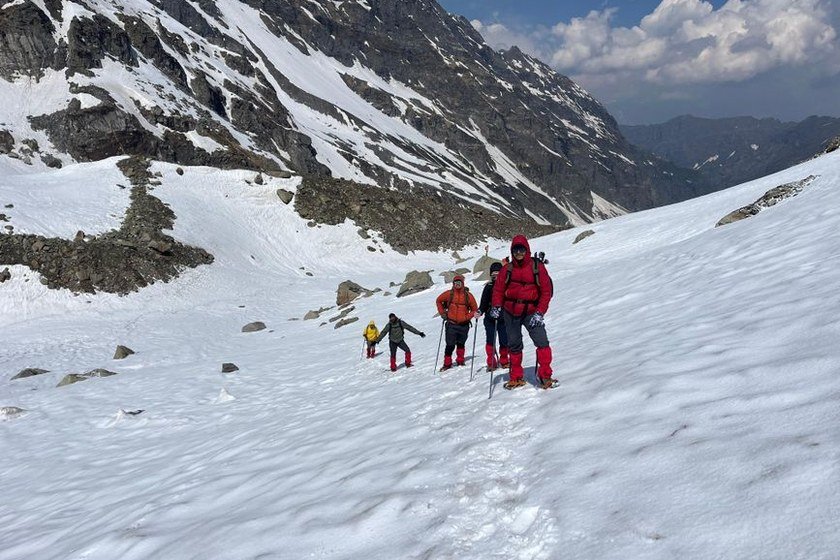
Jalsu Pass Trek – Chamba to Kangra Old Shepherd Trail
The Jalsu Pass Trek is one of Himachal Pradesh’s lesser-known but genuinely rewarding high-altitude crossings, linking the Chamba...
Read guide →
Pick the side of Chamba you want to explore first.
Use these shortcuts as a simple way to move toward the guide collection that matches your travel mood.
Temples & Sacred Sites
Explore Lakshmi Narayan Temple, Chamunda Devi, Champavati, Bharmaur traditions and the sacred side of the Ravi Valley.
🥾Treks & Nature
Follow lake views, forest drives, meadow routes, wildlife corners and mountain journeys around Khajjiar, Kalatop and Bharmaur.
💎Hidden Gems
Uncover old lanes, village shrines, craft stories, quiet valleys and places beyond the standard Dalhousie–Khajjiar route.
Plan Chamba slowly — it rewards travellers who give it time.
Chamba is best explored as a route-based district. Keep one day for the old town and temples, then add Khajjiar or Dalhousie for scenery, Bharmaur for sacred heritage, and extra days for remote valleys if your trip allows.
Chamba Town Heritage Walk
Explore Lakshmi Narayan Temple, Champavati Temple, old markets, museum areas, river views and traditional lanes.
Chamba + Khajjiar + Dalhousie
Add Khajjiar meadow, Kalatop forest routes, Dalhousie viewpoints and scenic drives between pine forests and valleys.
Chamba + Bharmaur / Remote Valleys
Move toward Bharmaur, ancient temples, highland culture and deeper mountain routes such as Bhandal or Pangi when conditions allow.
Useful things to know before you go.
How to reach
Chamba is usually reached by road via Pathankot, Dalhousie, Kangra-side routes or other Himachal hill roads. Travel time depends strongly on season, road condition and your chosen base.
Best season
Spring, early summer and autumn are the most comfortable for sightseeing and valley drives. Winters are quieter, while high or remote routes need careful weather checks.
Where to base
Use Chamba town for heritage, Dalhousie for a classic hill-station stay, Khajjiar for meadows and forests, and Bharmaur for sacred highland routes.
Local identity
Chamba is known for Minjar Fair, Chamba Rumal, temple architecture, old royal traditions, pahari art and deep cultural links with the Ravi Valley.
For spiritual travellers
Chamba’s temples are not just sightseeing points; they are part of the district’s living rhythm. From town temples to Bharmaur’s sacred landscape, this is a powerful district for devotional travel.
For heritage lovers
Old Chamba, museums, royal-era architecture, crafts and traditional festivals make the district feel like an open cultural archive of the western Himalayas.
For nature seekers
Chamba’s lakes, forests, meadows and remote valleys offer everything from relaxed scenic drives to deeper mountain journeys when planned with time and care.
See Chamba in the wider Himachal route.
Use the Himachal district map to connect Chamba with Dalhousie, Kangra, Lahaul-Spiti routes and other western Himachal journeys.
Chamba Travel FAQs
What is Chamba famous for?
Chamba is known for ancient temples, royal heritage, Chamba Rumal, Minjar Fair, Khajjiar, Dalhousie routes, Ravi Valley landscapes and gateway journeys toward Bharmaur and remote valleys.
How many days are enough for Chamba?
Two to three days are good for Chamba town, Khajjiar and Dalhousie-side routes. Add more days if you want Bharmaur, deeper valleys or slower heritage exploration.
Is Chamba good for a family trip?
Yes, especially if you focus on Chamba town, Khajjiar, Dalhousie and easy sightseeing routes. Remote or high-altitude routes need more planning and seasonal checks.
What is the best time to visit Chamba?
March to June and September to November are usually the most pleasant for sightseeing, temple visits and road trips. Winter and monsoon travel should be planned with road and weather awareness.
Ready to explore Chamba deeper?
Browse every Chamba guide, temple, trek, hidden gem, heritage story and travel idea in one place.