
Travel guide
Bodoland
Assam’s Tribal Heartland and Cultural Haven
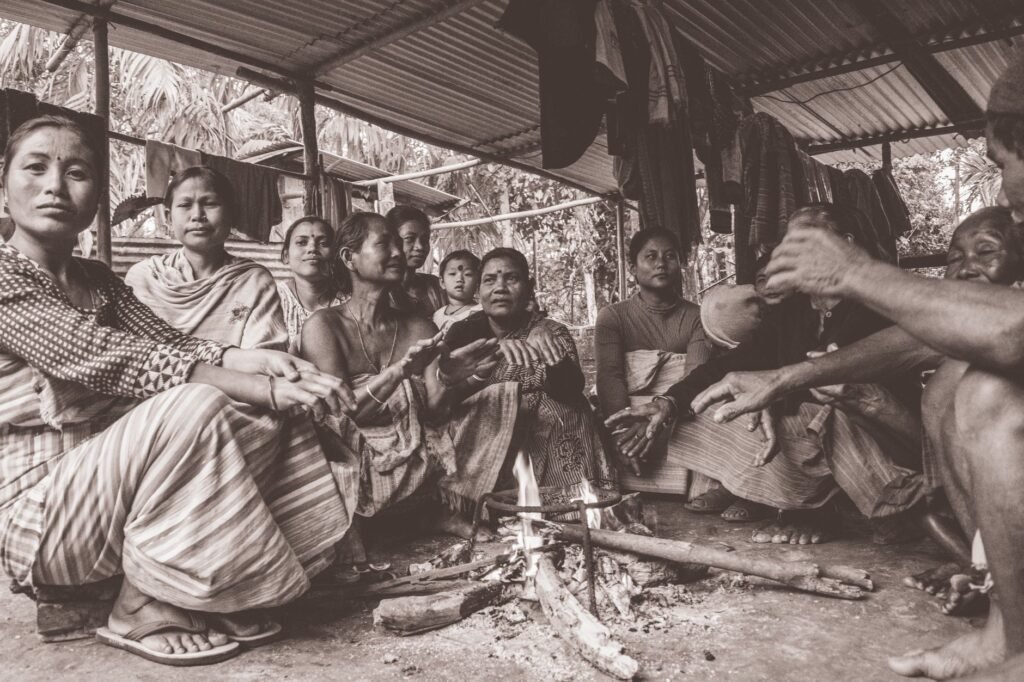
- Bodoland Territorial Region comprises four districts in western Assam with rich Bodo tribal heritage and culture
- Manas National Park, a UNESCO World Heritage Site, is the region’s crown jewel for wildlife enthusiasts
- Best visited between October and April when weather is pleasant and wildlife sightings are optimal
- Kokrajhar serves as the gateway town with connectivity to Guwahati via road and rail
- Bodo cuisine features unique dishes like Ondla, Narzi, and locally brewed rice beer
Introduction
Nestled in the verdant plains of western Assam, Bodoland remains one of Northeast India’s most captivating yet underexplored destinations. This autonomous region, officially known as the Bodoland Territorial Region (BTR), comprises four districts—Kokrajhar, Chirang, Baksa, and Udalguri—and offers travellers an authentic glimpse into the rich cultural tapestry of the Bodo people, Assam’s largest ethnic tribal community. Far from the well-trodden tourist circuits, Bodoland presents an opportunity to experience pristine natural beauty, vibrant indigenous culture, and warm hospitality that will leave an indelible mark on your travel memories.
What makes Bodoland particularly compelling is its unspoiled character. Here, you’ll find dense sal forests teeming with wildlife, meandering rivers that mirror the sky, traditional villages where age-old customs thrive, and a cultural heritage expressed through mesmerizing dance forms, handloom textiles, and distinctive cuisine. The region serves as a gateway to several wildlife sanctuaries and national parks, making it a paradise for nature enthusiasts and wildlife photographers alike.
Whether you’re seeking adventure in the wilderness, cultural immersion among indigenous communities, or simply a peaceful retreat away from urban chaos, Bodoland offers experiences that cater to diverse traveller preferences. The region’s emerging tourism infrastructure, combined with its authentic charm, positions it as an ideal destination for those who crave meaningful travel experiences beyond conventional tourist hotspots.
Quick Facts About Bodoland
- Altitude
- 50-100 meters above sea level
- Best Time to Visit
- October to March
- Distance from Guwahati
- Approximately 150-220 km (depending on specific location)
- Nearest Airport
- Lokpriya Gopinath Bordoloi International Airport, Guwahati (150 km from Kokrajhar)
- Nearest Railway Station
- Kokrajhar Railway Station, New Bongaigaon Junction
- Permits Required
- None for Indian citizens; Protected Area Permit may be required for certain forest areas
- Temperature Range
- Summer: 25°C-35°C, Winter: 10°C-25°C, Monsoon: 24°C-32°C
- Approx Budget per Day
- ₹1,500-₹3,500 (varies based on accommodation and activities)
Why Visit Bodoland
Bodoland’s uniqueness lies in its authentic representation of Bodo culture, one of the most ancient civilizations in Assam. The Bodo people have preserved their distinctive identity through centuries, and visitors here witness living traditions rather than museum exhibits. The region’s handloom industry produces exquisite Dokhona (traditional dress) and Aronai (shawls) with intricate patterns that tell stories of Bodo mythology and daily life. The weaving techniques, passed down through generations, use traditional looms and natural dyes, creating textiles that are both beautiful and culturally significant.
The wildlife corridors of Bodoland represent another compelling reason to visit. Manas National Park, a UNESCO World Heritage Site, shares its boundaries with Bodoland districts and serves as a critical habitat for endangered species including the Indian rhinoceros, pygmy hog, golden langur, and wild water buffalo. The adjacent forests of Chirang and Baksa districts form vital elephant corridors, and witnessing herds of wild elephants in their natural habitat is an experience that rivals any African safari.
The region’s rivers—particularly the Aie, Manas, and Beki—provide spectacular settings for eco-tourism activities. These waterways, relatively unpolluted and pristine, support diverse aquatic ecosystems and offer opportunities for sustainable tourism experiences like river cruises, bird watching, and fishing tourism. The annual Bwisagu festival, celebrated in mid-April, transforms the region into a vibrant cultural spectacle with traditional Bagurumba dance performances, indigenous sports competitions, and community feasts that welcome visitors to participate as honored guests rather than mere spectators.

How to Reach Bodoland
By Air: The nearest airport is Lokpriya Gopinath Bordoloi International Airport in Guwahati, located approximately 150 km from Kokrajhar, the principal town of Bodoland. The airport connects to major Indian cities including Delhi, Mumbai, Kolkata, Bangalore, and Hyderabad. From Guwahati, you can hire a private taxi (₹3,500-₹4,500) or take a shared taxi (₹500-₹700 per person) to reach Kokrajhar. The journey takes approximately 3.5-4 hours via NH27.
By Train: Kokrajhar Railway Station and New Bongaigaon Junction are the main railway stations serving Bodoland. Kokrajhar is well-connected to Guwahati, New Jalpaiguri, Kolkata, and New Delhi. The Saraighat Express, Kamrup Express, and Northeast Express are popular trains serving this route. Train fares range from ₹200-₹800 depending on class. From Guwahati to Kokrajhar, the train journey takes approximately 3.5-4.5 hours.
By Road: Bodoland is accessible via well-maintained national highways. From Guwahati, take NH27 westward toward Kokrajhar (approximately 220 km, 4-5 hours). Assam State Transport Corporation (ASTC) operates regular bus services from Guwahati to Kokrajhar (₹250-₹400), with departures every hour from Paltan Bazaar and ISBT Betkuchi. Private bus operators also run comfortable services (₹300-₹600) with both seater and sleeper options. Self-drive is an excellent option as roads are generally good, though hiring a local driver (₹2,000-₹2,500 per day) is recommended for navigating interior areas.
By Shared Taxi: Shared Sumo and Bolero services operate from Guwahati’s Paltan Bazaar to various towns in Bodoland. These are economical (₹500-₹800 per person) and reasonably comfortable, though departure times depend on filling all seats. The journey to Kokrajhar costs approximately ₹600 per person.
Best Time to Visit Bodoland
Winter (October to February): This is unquestionably the best time to visit Bodoland. The weather remains pleasant with temperatures ranging from 10°C to 25°C, making outdoor activities comfortable. Wildlife sightings are excellent as animals frequent water sources, and the clear skies provide perfect conditions for photography. The Kherai Puja, an important Bodo festival celebrating the harvest, usually falls in January and offers cultural insights. This is peak tourist season, so accommodation should be booked in advance.
Spring (March to April): Temperatures begin rising (20°C-30°C), but the landscape remains lush from winter rains. The Bwisagu festival in mid-April is the highlight, marking the Bodo New Year with elaborate celebrations across all villages. This is an exceptional time for cultural tourism, though prepare for warmer days. Wildlife viewing remains good, particularly in early mornings and late evenings.
Monsoon (May to September): Heavy rainfall characterizes this season, with July and August being wettest. While the landscape transforms into emerald splendor, accessibility to certain areas becomes challenging due to flooded roads and swollen rivers. Some forest areas may be closed for safety reasons. However, budget travelers can find excellent accommodation deals (up to 40% off), and the region sees very few tourists. If you don’t mind rain and want an authentic experience, monsoon offers unique opportunities for experiencing local life.
Summer (Late April to May): This brief, hot season sees temperatures reaching 35°C. Tourism is relatively slow, and while wildlife viewing is still possible in early mornings, midday heat can be uncomfortable. This period is ideal for those seeking solitude and significantly lower accommodation rates (20-30% discounts).
Top Things to Do in Bodoland
Explore Manas National Park
Straddling the Bodoland region and Bhutan border, Manas National Park offers world-class wildlife experiences. Join elephant safaris (₹2,500-₹3,500 per person) or jeep safaris (₹2,000-₹3,000 per vehicle) to spot Indian rhinoceros, wild water buffalo, golden langur, and if fortunate, the elusive Bengal tiger. The park’s successful conservation efforts have brought several species back from the brink of extinction, making every sighting a celebration of conservation success.
Witness Traditional Bodo Handloom Weaving
Visit weaving clusters in villages around Kokrajhar and Chirang where skilled artisans create intricate textiles on traditional pit looms. Watch the entire process from spinning thread to creating complex patterns in Dokhona, Gamsa, and Aronai. Many weaving centers welcome visitors and offer opportunities to purchase directly from artisans, ensuring fair prices (₹800-₹5,000 depending on intricacy). The Bodoland Handloom & Handicraft Development Corporation in Kokrajhar provides comprehensive insights into this art form.
River Cruising on the Aie River
Experience tranquility on the Aie River, which flows through pristine forests and rural landscapes. Local operators offer half-day cruises (₹1,500-₹2,500 per person) featuring bird watching, fishing opportunities, and village visits. Sunset cruises are particularly spectacular, with the golden hour light transforming the riverine landscape into a photographer’s paradise. The river supports diverse birdlife including kingfishers, cormorants, and migratory waterfowl during winter months.
Attend a Bagurumba Dance Performance
The Bagurumba, a traditional Bodo dance performed by women, represents the butterfly’s graceful movements and is integral to Bodo cultural identity. Contact the Bodoland Cultural Affairs Department or local cultural organizations to arrange performances (₹3,000-₹5,000 for group performances). During festivals, spontaneous performances occur in villages, offering authentic experiences. The dancers’ colorful Dokhona attire, combined with rhythmic movements and traditional musical accompaniment, creates unforgettable cultural memories.

Visit Chakrashila Wildlife Sanctuary
Located in Kokrajhar and Dhubri districts, this 45.56 sq km sanctuary is famous for protecting the golden langur, an endangered primate species endemic to this region. Trekking through the sanctuary’s diverse habitats (₹500-₹800 for guide services) reveals not just golden langurs but also elephants, leopards, and over 150 bird species. The sanctuary offers a less-crowded alternative to Manas while providing equally rewarding wildlife experiences.
Explore Panbari Reserve Forest
This reserve forest, contiguous with Manas National Park, offers excellent nature walks and bird watching opportunities. The forest department conducts eco-tourism activities including guided nature trails (₹400-₹600 per person) highlighting medicinal plants, diverse flora, and smaller wildlife species often overlooked in larger sanctuaries. The watchtowers provide panoramic forest views and are excellent for observing animal movements during dawn and dusk.
Experience Village Homestays
Several Bodo villages now offer authentic homestay experiences where visitors live with local families, participate in daily activities, and learn traditional customs. Stay in traditional stilt houses, help with paddy harvesting or fishing, learn Bodo cooking, and hear folk tales by evening fires. This immersive experience (₹800-₹1,500 per night including meals) provides insights impossible to gain from conventional tourism and directly benefits local communities.
Where to Stay in Bodoland
Budget Accommodation (₹500-₹1,500 per night): Kokrajhar offers several budget hotels including Hotel Manas (₹800-₹1,200), which provides clean, basic rooms with attached bathrooms and limited dining facilities. The Tourist Lodge in Kokrajhar, managed by Assam Tourism, offers dormitory beds (₹300-₹500) and simple rooms (₹800-₹1,000) with decent amenities. Village homestays represent the best budget option, offering authentic experiences at ₹600-₹1,200 per night including home-cooked meals. Hotel Bodoland in Kokrajhar (₹900-₹1,500) provides no-frills comfortable accommodation with 24-hour hot water and basic restaurant facilities.
Mid-Range Accommodation (₹1,500-₹3,500 per night): Hotel Landmark in Kokrajhar (₹2,000-₹3,000) features well-appointed rooms with modern amenities, air conditioning, Wi-Fi, and a multi-cuisine restaurant. The Manas Eco Tourism Resort near Manas National Park (₹2,500-₹3,500) offers cottages surrounded by nature, providing an ideal base for wildlife exploration with package deals including safaris. Hotel Rajkamal in Kokrajhar (₹1,800-₹2,800) provides comfortable rooms, room service, and travel assistance for exploring the region. The BTR Guest House in various locations (₹1,500-₹2,500) offers government-maintained facilities that are clean and secure, though booking requires advance arrangements through tourism offices.
Splurge Options (₹3,500+ per night): While Bodoland itself has limited luxury options, the nearby Bansbari Lodge near Manas National Park (₹8,000-₹15,000) offers premium accommodations with jungle views, guided wildlife experiences, and gourmet dining. The Infinity Resort near Manas (₹5,000-₹10,000) provides eco-luxury cottages with modern amenities while maintaining environmental sensitivity. For ultimate luxury, consider staying at premium properties in Guwahati and making day trips to Bodoland, though this reduces immersive experience opportunities.

Local Food & Cuisine
Bodo cuisine reflects the community’s close connection with nature, featuring organic ingredients, minimal spices, and unique preparation methods that preserve nutritional value while creating distinctive flavors. Ondla, a fermented rice cake wrapped in banana leaves, serves as a staple food with slightly sour taste and spongy texture, typically enjoyed with meat or vegetable curries. Narzi, fermented dry fish curry, represents acquired taste that showcases Bodo preservation techniques; the pungent aroma and intense flavor pair perfectly with steamed rice. Gwran Gwthwn, a betel nut flower curry, demonstrates the Bodo people’s resourcefulness in utilizing forest produce, creating a mildly bitter, nutritious dish rarely found elsewhere.
Dakhwi (sticky rice) cooked in bamboo tubes over open fire imparts a smoky, earthy flavor unique to this preparation method. It’s often served during special occasions and festivals. Khar, made from dried banana peel ash filtered through water, creates an alkaline solution used in various preparations, particularly with papaya and lentils, offering distinct taste and digestive properties. The use of Thungrymbai (fermented soybean) in chutneys and side dishes adds umami depth to meals.
For authentic culinary experiences, visit Swdwb Hakhwi Restaurant in Kokrajhar (meals ₹150-₹300), which specializes in traditional Bodo thalis featuring seasonal vegetables, freshwater fish preparations, and rice varieties. Hotel Manas Restaurant (₹200-₹400) offers both traditional Bodo dishes and Assamese cuisine with reliable quality and clean dining environment. Bodoland Dhaba near Kokrajhar market (₹100-₹250) serves simple, home-style Bodo meals at economical prices, popular among locals and providing authentic flavors. The BTR Cultural Centre Canteen (₹80-₹200) occasionally serves traditional meals during cultural events and festivals, offering exceptional value and authenticity.
Don’t miss trying Jou (rice beer), a traditional alcoholic beverage brewed from fermented rice, though note that it’s typically served during festivals and special occasions rather than being commercially available. Street vendors sell Sujen (fried snacks) and seasonal fruits at reasonable prices (₹20-₹50), perfect for quick refreshments while exploring.
Practical Travel Tips for Bodoland
Permits and Documentation: Indian citizens require no special permits for visiting Bodoland’s main areas. However, visiting certain forest areas and wildlife sanctuaries requires permits obtained from the Forest Department (₹500-₹1,000 for Manas National Park, varying for other protected areas). Foreign nationals should carry passport copies and may need Protected Area Permits for certain locations, obtainable from Deputy Commissioner offices in district headquarters. Always carry photo identification, and keep copies of important documents separately.
Mobile Network and Connectivity: Major telecom operators including Airtel, Jio, and BSNL provide reasonable coverage in towns and along highways. However, interior villages and forest areas often have limited or no connectivity. Download offline maps before traveling to remote areas. Wi-Fi is available in better hotels but speeds may be inconsistent. Consider purchasing a local SIM card in Guwahati for better coverage and economical data packages.
Banking and ATM Availability: Kokrajhar, Gossaigaon, and other major towns have ATMs of State Bank of India, Assam Gramin Vikash Bank, and other major banks. However, ATMs in smaller towns frequently run out of cash, especially during weekends and holidays. Carry sufficient cash when visiting villages and remote areas. Major hotels accept cards, but most restaurants, markets, and homestays operate on cash-only basis. The nearest reliable ATMs are in district headquarters.
Medical Facilities: Government hospitals exist in district headquarters, but facilities are basic. Kokrajhar Civil Hospital provides emergency services, though for serious medical issues, return to Guwahati where superior facilities exist. Carry a comprehensive first-aid kit including antiseptic creams, bandages, pain relievers, anti-diarrheal medication, and any prescription medicines you require. Insect repellent is essential to prevent mosquito bites. Water purification tablets are recommended if staying in villages. The nearest well-equipped private hospitals are in Guwahati, 150-220 km away.
What to Pack: Cotton clothing for daytime (October-March), light woolens for winter evenings, rain gear during monsoon, comfortable walking shoes, sandals, sun protection (hat, sunglasses, sunscreen SPF 30+), insect repellent, flashlight/headlamp for areas with unreliable electricity, power bank for charging devices, water bottle with purification capability, binoculars for wildlife viewing, and a good camera. For wildlife safaris, pack neutral-colored clothing (avoid bright colors). Modest dressing is appreciated in villages; women should carry scarves and avoid revealing clothes. A small backpack for day trips is essential.
Safety Considerations: Bodoland is generally safe for tourists, though it has experienced ethnic tensions historically. Check current situations before traveling and follow local advice. Avoid traveling after dark on remote roads. When visiting villages, engage local guides who facilitate cultural understanding and ensure respectful interactions. Wildlife areas require caution; never approach wild animals, maintain safe distances, and follow guide instructions strictly. During monsoon, roads can be hazardous; avoid unnecessary travel during heavy rains. Register with your hotel upon arrival, and inform family/friends about your itinerary. Respect photography restrictions, particularly in religious sites and during cultural ceremonies—always ask permission before photographing people.
Responsible Tourism: Bodoland’s culture and environment are fragile; practice responsible tourism to preserve them. Support local businesses by purchasing handicrafts directly from artisans, eating at local establishments, and choosing homestays over chain hotels. Avoid single-use plastics; carry reusable water bottles and bags. Don’t litter in natural areas—carry trash back to towns with proper disposal facilities. Respect wildlife by maintaining distance and avoiding noise pollution in forests. When participating in cultural events, observe respectfully without intrusive behavior. Learn basic Bodo phrases (locals appreciate efforts to communicate in their language). Don’t encourage begging by giving money to children; instead, support community initiatives. Dress modestly and ask permission before entering homes or religious spaces. Your respectful behavior ensures that tourism benefits rather than harms this beautiful region.
Final Thoughts
Bodoland offers the increasingly rare gift of authentic, unhurried travel experiences in an age of overtourism and commercialization. This land of vibrant traditions, pristine wilderness, and genuine hospitality invites you to slow down, observe, participate, and connect with both nature and culture in meaningful ways. Whether you’re marveling at a golden langur’s acrobatics in Chakrashila, learning intricate weaving patterns from master craftswomen, or sharing stories over traditional rice beer with homestay hosts, Bodoland creates memories that transcend typical tourism encounters. The region’s emerging tourism infrastructure maintains the delicate balance between accessibility and authenticity, allowing visitors to explore comfortably while experiencing genuine cultural immersion.
As you plan your Bodoland adventure, remember that you’re not just visiting a destination but becoming part of a larger narrative of cultural preservation and sustainable development. The tourism revenue you generate directly supports artisan communities, wildlife conservation efforts, and infrastructure development in underserved areas. Pack your curiosity along with your camera, approach with openness rather than expectations, and allow Bodoland to surprise and inspire you. This is destination for travelers, not tourists—for those who seek understanding rather than just sightseeing. The golden langurs, the rhythmic looms, the mighty Manas River, and the warm Bodo smiles await your discovery. Your journey to Bodoland promises not just a vacation but a transformative experience that will redefine how you perceive Northeast India’s cultural and natural treasures.
- Visit during Bwisagu festival in mid-April to experience authentic Bodo New Year celebrations with traditional Bagurumba dance
- Hire local Bodo guides at Manas National Park for better wildlife spotting and to support community-based tourism
- Purchase authentic handloom Dokhona (traditional Bodo dress) and Aronai textiles directly from weavers in Kokrajhar market
- Try staying in community-run eco-camps near Manas for immersive cultural experiences and traditional Bodo meals
- Book elephant safaris at Manas in advance during peak season and carry binoculars for bird watching along Manas river
Frequently Asked Questions about Bodoland
The best time to visit Bodoland is from October to March when the weather is pleasant with temperatures ranging from 10°C to 25°C during winter. This period offers comfortable conditions for exploring wildlife sanctuaries, experiencing local culture, and enjoying outdoor activities without the discomfort of monsoon rains or summer heat.
Bodoland is approximately 150-220 km from Guwahati, depending on which specific district you’re visiting. The nearest airport is Lokpriya Gopinath Bordoloi International Airport in Guwahati (150 km from Kokrajhar), and you can reach Bodoland by train via Kokrajhar Railway Station or New Bongaigaon Junction, or by road from Guwahati.
Indian citizens do not require any special permits to visit Bodoland. However, if you plan to visit certain protected forest areas or wildlife sanctuaries within the region, you may need to obtain a Protected Area Permit from the respective authorities.
The Bodoland Territorial Region (BTR) comprises four districts: Kokrajhar, Chirang, Baksa, and Udalguri. These districts are located in the verdant plains of western Assam and together form this autonomous region that showcases the rich culture of the Bodo people, Assam’s largest ethnic tribal community.
The approximate budget per day for visiting Bodoland ranges from ₹1,500 to ₹3,500, depending on your choice of accommodation and activities. This budget covers lodging, meals, local transportation, and entry fees to various attractions, making Bodoland an affordable destination for travelers seeking authentic cultural experiences.
Bodoland offers an authentic glimpse into the rich cultural heritage of the Bodo people, one of Assam’s most ancient civilizations, with living traditions including mesmerizing dance forms, handloom textiles, and distinctive cuisine. The region features pristine natural beauty with dense sal forests, diverse wildlife sanctuaries, meandering rivers, and traditional villages, providing a perfect blend of cultural immersion and nature experiences away from conventional tourist circuits.