
Travel guide
Shillong
Scotland of the East in Meghalaya’s Hills
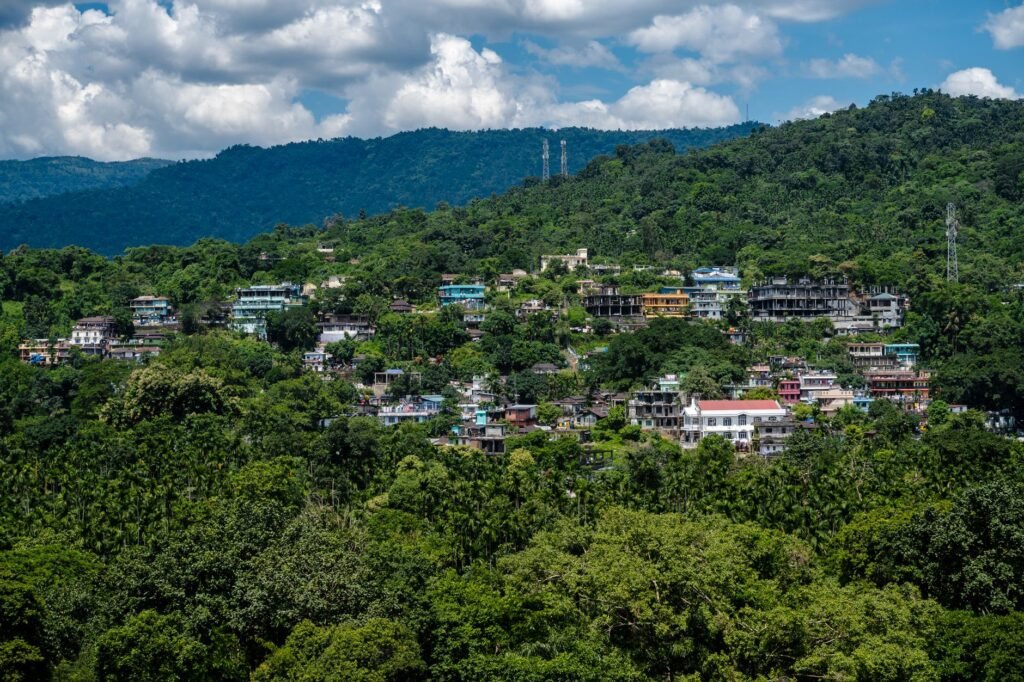
- Shillong is accessible by road from Guwahati (100 km) with the nearest airport being Umroi Airport (30 km away)
- October to May offers the best weather, while monsoons (June-September) bring spectacular waterfalls but heavy rainfall
- Elephant Falls, Umiam Lake, and Don Bosco Museum are must-visit attractions within the city
- Nearby Cherrapunji and Mawlynnong (Asia’s cleanest village) make excellent day trips from Shillong
- Permits are required for certain areas; carry valid ID proof and check regulations before traveling
Introduction
Nestled at an altitude of 1,496 meters in the rolling hills of Meghalaya, Shillong emerges like a precious gem in India’s northeastern crown. Often called the “Scotland of the East,” this enchanting hill station captivates visitors with its pine-covered hills, cascading waterfalls, vibrant music scene, and a unique blend of indigenous Khasi culture with colonial-era charm. Unlike the commercialized hill stations of northern India, Shillong retains an authentic character that makes every visit feel like a genuine discovery rather than a tourist checklist.
The capital city of Meghalaya, Shillong offers a refreshing escape from the plains with its temperate climate, clean air, and stunning natural beauty. The city pulses with youthful energy, thanks to its numerous educational institutions, while simultaneously preserving its rich cultural heritage through local markets, traditional festivals, and age-old customs. Whether you’re a nature enthusiast seeking pristine waterfalls and living root bridges, a music lover drawn to India’s rock music capital, or simply someone craving the tranquility of misty mountains, Shillong promises an experience that lingers long after you’ve returned home.
What sets Shillong apart is its remarkable accessibility despite being in the Northeast, coupled with a tourism infrastructure that balances comfort with authenticity. The warm hospitality of the Khasi people, the melodious sounds of church hymns mixing with rock concerts, the aroma of local delicacies like jadoh and dohneiiong, and the breathtaking vistas at every turn make this city a must-visit destination for travellers seeking something beyond the ordinary Indian hill station experience.
Quick Facts About Shillong
- Altitude
- 1,496 meters (4,908 feet) above sea level
- Best Time to Visit
- March to June and September to November
- Distance from Nearest Major City
- Guwahati – 100 km (approximately 3 hours by road)
- Nearest Airport
- Lokpriya Gopinath Bordoloi International Airport, Guwahati (100 km)
- Permits Required
- Inner Line Permit (ILP) required for Indian citizens; Protected Area Permit (PAP) for foreign nationals
- Temperature Range
- Summer: 15°C to 25°C | Winter: 4°C to 16°C | Monsoon: 15°C to 20°C
- Approximate Budget per Day
- ₹2,000 – ₹3,500 (budget) | ₹4,000 – ₹7,000 (mid-range) | ₹8,000+ (luxury)
Why Visit Shillong
Shillong stands apart as one of India’s most culturally distinctive hill stations, where the indigenous Khasi matrilineal society flourishes alongside a thriving contemporary culture. This is one of the few places in India where you’ll find children inheriting their mother’s surname, property passing through the female line, and the youngest daughter traditionally caring for elderly parents. This unique social structure creates a fascinating dynamic that visitors can observe in daily life, from bustling markets run predominantly by women to family-owned businesses where daughters are the primary heirs.
The city’s claim as the “Rock Capital of India” isn’t mere marketing hyperbole. Shillong has produced legendary musicians and continues to nurture an extraordinary music scene that ranges from traditional Khasi folk to contemporary rock, jazz, and blues. Live music venues like Cloud 9 and Café Shillong pulsate with energy almost every evening, and the annual NH7 Weekender music festival attracts artists and music lovers from across the country. This musical heritage is so deeply ingrained that you’re likely to hear guitar strums from local homes and encounter impromptu jam sessions in unexpected corners of the city.
The natural landscape surrounding Shillong offers experiences unavailable elsewhere. Within a 50-kilometer radius, you can explore the cleanest village in Asia (Mawlynnong), witness the double-decker living root bridges of Cherrapunji, swim in crystal-clear natural pools, trek through some of India’s wettest regions, and discover caves that stretch for kilometers underground. The region’s unique geography—receiving some of the world’s highest rainfall while maintaining excellent air quality—creates ecosystems found nowhere else, from carnivorous plants in sacred groves to orchid species that botanists travel across continents to study.

How to Reach Shillong
By Air: The nearest airport is Lokpriya Gopinath Bordoloi International Airport in Guwahati, located approximately 100 km from Shillong. This airport is well-connected to major Indian cities including Delhi, Mumbai, Kolkata, Bangalore, and Chennai, with airlines like IndiGo, Air India, SpiceJet, and Vistara operating regular flights. From the airport, you can hire a prepaid taxi to Shillong for approximately ₹2,500 to ₹3,500, which takes about 2.5 to 3.5 hours depending on traffic. Shared Sumo vehicles are available for around ₹300 to ₹400 per person, departing when full. The drive itself is scenic, passing through lush forests and winding mountain roads.
By Train: Guwahati Railway Station is the nearest major railhead, situated approximately 103 km from Shillong. The station is well-connected to cities across India including New Delhi (Rajdhani Express), Kolkata (Saraighat Express), Bangalore (Guwahati Express), and Mumbai (Kamrup Express). From the railway station, prepaid taxis are available for ₹2,500 to ₹3,000 to Shillong. Alternatively, you can take a taxi to Paltan Bazaar (₹100-150) in Guwahati and board shared Sumo vehicles or government buses to Shillong for ₹150 to ₹300 per person.
By Road: Shillong is well-connected by road to Guwahati and other northeastern cities. Meghalaya Transport Corporation (MTC) operates regular bus services from Guwahati’s Paltan Bazaar to Shillong’s Police Bazaar, costing approximately ₹100 to ₹200 for non-AC buses and ₹200 to ₹350 for AC buses. Private operators offer more comfortable coaches at ₹300 to ₹500. The journey takes 3 to 4 hours via NH6, covering approximately 100 km. If you’re driving from Guwahati, the route is straightforward and well-maintained, though narrow in sections. You can also reach Shillong from Siliguri (480 km, approximately 12-14 hours), though this is recommended only for those comfortable with long mountain drives.
By Helicopter: Meghalaya Helicopter Service operates chopper services between Guwahati and Shillong, reducing travel time to just 20-25 minutes. The service operates from Umroi Helipad (35 km from Shillong city center). Tickets cost approximately ₹3,500 to ₹4,500 per person and must be booked in advance. This option is ideal for those short on time or seeking a spectacular aerial view of the Khasi Hills, though services are subject to weather conditions.
Best Time to Visit Shillong
Spring (March to May): This is arguably the best time to visit Shillong, when the weather is pleasantly cool with temperatures ranging from 15°C to 25°C. The hills come alive with blooming rhododendrons, orchids, and cherry blossoms, creating picture-perfect landscapes. Skies are generally clear, offering excellent visibility for photography and sightseeing. The Shad Suk Mynsiem festival, usually celebrated in April, showcases traditional Khasi dance and culture. Accommodation rates are moderate, though they increase during Easter week when domestic tourism peaks. All attractions are fully accessible, and outdoor activities like trekking, waterfall visits, and boating are at their best.
Monsoon (June to September): Shillong and its surrounding areas receive heavy rainfall during these months, with July and August being particularly wet. While temperatures remain pleasant (15°C to 20°C), the constant rain can disrupt travel plans and make road conditions challenging. However, this is when the region’s waterfalls are at their most spectacular, cascading with tremendous force and volume. The countryside turns impossibly green, and mist-covered hills create an ethereal atmosphere. Accommodation prices drop significantly, making it ideal for budget travellers and those seeking solitude. If you don’t mind the rain and want to experience Meghalaya’s legendary monsoons, this period offers a unique perspective. Important note: carry rain gear, waterproof bags, and be prepared for occasional landslides that may temporarily close roads.
Autumn (October to November): Post-monsoon Shillong is exceptionally beautiful, with clear skies, comfortable temperatures (12°C to 23°C), and lush greenery from the recent rains. This is peak tourist season, so expect higher accommodation rates and larger crowds at popular attractions. The Nongkrem Dance Festival, typically held in November, is a major cultural highlight featuring traditional ceremonies and dances. Visibility is excellent for visiting nearby attractions like Cherrapunji and Mawlynnong. The weather is perfect for all outdoor activities, from trekking to cave exploration. Book accommodations well in advance during this period.
Winter (December to February): Winters in Shillong are cold, with temperatures dropping to 4°C to 8°C at night and reaching 14°C to 18°C during the day. Mornings are often misty, and frost occasionally covers the ground in higher elevations. While it doesn’t typically snow in Shillong city, nearby areas may experience light snowfall. The Christmas and New Year period is special here, with the Christian-majority population celebrating with great enthusiasm—churches are beautifully decorated, carol singing fills the air, and special midnight masses are held. Accommodation rates surge during the last week of December but remain reasonable otherwise. Pack heavy woolens, as many budget accommodations don’t have central heating. This season is perfect for those seeking a cold-weather hill station experience without extreme temperatures.
Top Things to Do in Shillong
Explore Ward’s Lake and Lady Hydari Park
Ward’s Lake, a horseshoe-shaped artificial lake built in 1894, sits in the heart of Shillong and offers a peaceful retreat from urban bustle. The well-maintained gardens surrounding the lake feature cobbled pathways perfect for leisurely walks, wooden bridges ideal for photography, and paddle boats (₹100-150 for 30 minutes) for a romantic experience on the water. The adjacent Botanical Garden showcases indigenous and exotic plants, while local vendors sell roasted corn and snacks. Entry fee is nominal at ₹10 for adults. Lady Hydari Park, located nearby, is a Japanese-style park with manicured lawns, deer enclosures where you can feed the animals, and a mini-zoo featuring regional species—perfect for families with children.
Visit the Sacred Mawphlang Sacred Grove
Located 25 km from Shillong, the Mawphlang Sacred Forest represents one of Asia’s finest examples of community-conserved forests. This ancient grove, protected by the Khasi community for over 1,000 years, shelters rare orchids, medicinal plants, carnivorous pitcher plants, and massive trees draped in moss and lichen. Local guides (₹200-300 per group) share fascinating stories about the grove’s spiritual significance and explain traditional ecological knowledge. The forest floor is littered with offerings from centuries past, and strict taboos prohibit removing even a leaf from this sacred space. The grove offers a profound connection to indigenous conservation practices and the deep spiritual relationship between the Khasi people and nature.
Experience the Music Scene
No visit to Shillong is complete without immersing yourself in its legendary music culture. Start with evening performances at Cloud 9, perched atop the Police Bazaar, where local bands perform rock, blues, and contemporary music (₹500-800 cover charge including drinks). Café Shillong and Dylan’s Café host regular live music sessions featuring both established and emerging artists. For a unique experience, visit during the annual Shillong Autumn Festival or Shillong Literary Festival when international and national artists perform. Even casual strolls through Police Bazaar reveal music shops where teenagers expertly play guitars, and you might encounter impromptu street performances that showcase why Shillong has produced India’s first rock band and continues to nurture exceptional musical talent.
Discover Elephant Falls
Just 12 km from the city center, Elephant Falls cascades in three distinct tiers, each offering a different perspective of this spectacular waterfall. Named after an elephant-shaped rock at its base (destroyed in an earthquake), the falls are easily accessible via well-maintained steps, though reaching the bottom tier requires descending approximately 150 steps. The surrounding vegetation creates a lush canopy, and during monsoons, the falls transform into a thundering spectacle. Entry fee is ₹20 for adults, and the site has decent facilities including clean restrooms and snack stalls. Visit early morning to avoid crowds and capture the falls in soft sunlight filtering through the trees.
Shop at Bara Bazaar and Police Bazaar
Bara Bazaar, one of Northeast India’s oldest and largest traditional markets, operates daily but truly comes alive on Saturdays and Sundays. Run predominantly by Khasi women in traditional jainsem attire, this market offers everything from fresh organic produce and exotic fruits to traditional handicrafts, bamboo items, and local textiles. The market’s specialty is its incredible variety of indigenous ingredients—fermented soybeans (tungtap), smoked meats, wild mushrooms, and medicinal plants unavailable elsewhere. Police Bazaar, Shillong’s commercial hub, contrasts with modern shops, international brands, cafés, and street food vendors. Here you can purchase woolen shawls, traditional Khasi jewelry, cane furniture, and local tea while experiencing the city’s contemporary side.
Trek to Shillong Peak
Standing at 1,965 meters, Shillong Peak is the highest point in the state and offers panoramic 360-degree views of the city, the Himalayas on clear days, and the surrounding countryside dotted with villages and forests. Located 10 km from the city center, the peak houses an Indian Air Force radar station and a small shrine. The drive itself is scenic, winding through pine forests and offering multiple viewpoints. Entry fee is ₹20 for adults, with an additional ₹30 for cameras. The peak can get extremely windy and cold, so carry warm clothing even during summer. Early morning visits reward you with stunning sunrises and clear visibility, while evening visits offer beautiful sunset views and the city lights twinkling below.
Where to Stay in Shillong
Budget Options (₹800 – ₹2,000 per night): Shillong offers excellent budget accommodations with decent facilities. Hotel Monsoon at Laitumkhrah offers clean rooms with basic amenities starting at ₹900 per night, with friendly staff and a convenient location. Traveller’s Nest near Ward’s Lake provides dormitory beds at ₹400-500 and private rooms at ₹1,200-1,500, popular among backpackers for its social atmosphere and travel advice. Shillong Lajong Homestay offers authentic Khasi hospitality with home-cooked meals at ₹1,500-1,800 per night. City Hut Family Dhaba provides basic but clean rooms at ₹800-1,200 with an excellent restaurant downstairs. These properties may lack luxury but compensate with warmth, cleanliness, and local insights.
Mid-range Options (₹2,500 – ₹6,000 per night): Hotel Polo Towers in Police Bazaar is centrally located with well-appointed rooms, excellent service, and an in-house restaurant, with rates from ₹3,500 to ₹5,500. The Heritage Club at Tripura Castle offers colonial-era charm with modern amenities, set in a beautifully restored building with rooms at ₹4,500-6,000. Hotel Centre Point combines contemporary design with traditional touches, offering rooms at ₹3,000-4,500 with reliable hot water and central heating during winter. Ri Kynjai by Serenity near Umiam Lake, though slightly outside the city (12 km), provides lakeside cottages at ₹5,000-7,500 with stunning views and excellent dining. These properties offer comfort, reliable service, and good value for money.
Luxury Options (₹7,000+ per night): Vivanta Shillong stands as the city’s premier luxury property, offering world-class amenities, spacious rooms with valley views, a spa, fine-dining restaurants, and impeccable service, with rates from ₹8,500 to ₹15,000. The Royal Heritage Tripura Castle provides palatial accommodations in a restored heritage building with period furniture, sprawling grounds, and personalized service at ₹10,000-18,000 per night. Pine Borough Inn offers boutique luxury with individually designed rooms, organic gardens, and gourmet dining at ₹7,500-12,000. These properties cater to travelers seeking premium comfort, complete with amenities like heated pools, luxury bath products, and curated local experiences.
Local Food & Cuisine
Khasi cuisine reflects the tribal heritage of the region, characterized by minimal spices, fermented ingredients, and unique cooking techniques. Jadoh, the quintessential Khasi rice dish, combines red rice with pork or chicken cooked with black sesame seeds, turmeric, and minimal oil—the result is aromatic, flavorful, and unlike any rice preparation you’ve encountered. Dohneiiong, a pork curry made with black sesame paste and dried bamboo shoots, offers intense flavors that beautifully balance the richness of pork with earthy, slightly tangy notes. Tungrymbai, made from fermented soybeans with pork or fish, might challenge first-time tasters with its pungent aroma but rewards brave eaters with complex, umami-rich flavors. Pumaloi, a traditional rice cake steamed in turmeric leaves, serves as the perfect accompaniment to spicy curries and can also be enjoyed with honey as a sweet treat.
For authentic Khasi cuisine, visit Ki Dwar at Jaiaw, a simple eatery run by local women serving traditional meals on banana leaves at ₹150-300 per plate—their jadoh and dohneiiong are exceptional. ML 05 Café at Police Bazaar offers a contemporary take on local dishes alongside continental options, with meals ranging from ₹200-500, in a trendy atmosphere popular with young locals. City Hut Family Dhaba at Police Bazaar has been serving authentic Khasi and Indian food since 1980, with their pork thali (₹200-250) being legendary among locals and tourists alike. Trattoria at Police Bazaar serves excellent Italian food alongside local specialties, with main courses at ₹300-600, perfect for those wanting familiar flavors with regional options.
Don’t miss street food experiences at Police Bazaar and Bara Bazaar. Try momos—though originally Tibetan, Shillong has perfected these dumplings with unique fillings and fiery chutneys (₹40-80 per plate). Jadoh stalls around Bara Bazaar serve fresh, steaming portions for ₹60-100. For desserts and beverages, Café Shillong offers excellent coffee (₹100-200) and baked goods in a cozy setting with live music most evenings. Lamee’s Bakery serves legendary pineapple pastries and fresh cream cakes (₹30-150), perfect for tea-time treats. The city’s thriving café culture means you’ll find numerous spots serving everything from Korean food to wood-fired pizzas, reflecting Shillong’s cosmopolitan character while maintaining strong connections to traditional cuisine.

Practical Travel Tips for Shillong
Permits and Documentation: Indian citizens visiting Shillong and most parts of Meghalaya require an Inner Line Permit (ILP), which costs ₹100 for a 15-day permit and ₹200 for a 30-day permit. You can obtain ILPs online through the official Meghalaya government website (https://ilp.meghalaya.gov.in) or at designated counters at Guwahati Airport, Guwahati Railway Station, and various border checkpoints. Keep multiple photocopies of your permit as it may be checked at various locations. Foreign nationals require a Protected Area Permit (PAP), which costs approximately ₹100 and can be obtained from the Foreigners’ Registration Office in Shillong or Guwahati, requiring passport copies, visa details, and photographs. If planning to visit restricted areas like Dawki border or certain tribal villages, additional permissions may be necessary—inquire locally or through your accommodation.
Connectivity and Communication: Shillong has reasonably good mobile network coverage with Airtel, BSNL, and Jio providing the most reliable services within city limits. Vodafone-Idea works but with occasional connectivity issues. Internet speeds are decent in the city, though rural areas around Shillong may have patchy or no connectivity. Most hotels, cafés, and restaurants offer Wi-Fi. Consider purchasing a local SIM card if staying longer, as roaming charges can be substantial. The main post office at Police Bazaar provides postal and courier services. For emergencies, the police helpline (100), ambulance (108), and fire services (101) are operational, though response times in remote areas can be longer than in metros.
Banking and Money: Shillong has numerous ATMs from major banks including SBI, HDFC, ICICI, Axis Bank, and Punjab National Bank, primarily concentrated around Police Bazaar and Laitumkhrah. However, ATMs frequently run out of cash during weekends and holidays, so withdraw sufficient amounts on weekdays. Many ATMs have withdrawal limits of ₹10,000 per transaction. Credit and debit cards are accepted at hotels, established restaurants, and larger shops, but most local markets, street food vendors, and small eateries operate cash-only. Currency exchange facilities are limited—it’s best to exchange foreign currency in Guwahati or carry sufficient Indian rupees. Banks typically operate 10:00 AM to 4:00 PM on weekdays and until 1:00 PM on Saturdays.
Health and Medical Facilities: Shillong has several hospitals providing adequate medical care. Bethany Hospital, Nazareth Hospital, and Woodland Hospital offer 24-hour emergency services and have experienced doctors. However, for serious medical emergencies, patients are often transferred to Guwahati. Carry any prescription medications you require, as specific brands may not be available locally. The altitude rarely causes issues, but elderly travelers or those with respiratory conditions should take precautions. Tap water is generally not recommended for drinking—stick to bottled water (₹20-40 per liter) available everywhere. Pack a basic first-aid kit with altitude sickness medication (though rarely needed at this elevation), anti-diarrheal medication, bandages, and antiseptic cream. Pharmacies are plentiful around Police Bazaar and stay open until 8-9 PM.
What to Pack: Regardless of season, pack layered clothing as temperatures can fluctuate significantly between day and night. Woolens are essential from October to March, with heavy jackets needed in December-January. Even during summer, carry a light jacket for evenings. Rain gear including a good quality umbrella and waterproof jacket is crucial, especially June-September. Comfortable walking shoes with good grip are essential for exploring waterfalls and uneven terrain. Sunscreen, sunglasses, and a hat protect against surprisingly strong UV rays at this altitude. A power bank ensures your devices stay charged during long sightseeing days. If planning treks or village visits, pack quick-dry clothes, a small torch, and a water bottle. Modest clothing is appreciated, especially when visiting villages and sacred sites—avoid revealing clothes out of respect for local culture.
Safety Considerations: Shillong is generally safe for travelers, including solo female travelers, with crime rates lower than most Indian cities. However, exercise standard precautions—avoid deserted areas after dark, keep valuables secure, and use registered taxis. The local population is friendly and helpful, but maintain normal travel vigilance. Road accidents are a genuine concern due to narrow mountain roads and occasional reckless driving—if hiring a vehicle, ensure the driver is experienced with hill driving. During monsoons, landslides can occur—check weather conditions and road status before traveling to outlying areas. Avoid political rallies or gatherings, as the region occasionally experiences protests. Register with your country’s embassy if you’re a foreign national. Emergency numbers should be saved in your phone. Trust your instincts—if something feels uncomfortable, remove yourself from the situation.
Responsible Tourism: The Khasi people have protected their environment and culture for generations—respect this by being a responsible visitor. Never litter; carry a small bag for trash and dispose of it properly in designated bins. Plastic bags are banned in Meghalaya—carry cloth or jute bags for shopping. When visiting sacred groves or forests, follow all rules strictly, including prohibitions on removing plants, stones, or anything else. Ask permission before photographing people, especially in villages, and respect if they decline. Dress modestly in religious sites and villages. Support local businesses, artisans, and homestays rather than only international chains. Learn a few basic Khasi phrases—locals appreciate the effort. Don’t encourage begging by giving money to children; instead, support local schools or NGOs if you wish to contribute. Be mindful of water usage, as some areas face seasonal scarcity. When visiting waterfalls and natural sites, stay on marked trails to prevent erosion and habitat damage.
Final Thoughts
Shillong offers a travel experience that transcends the conventional hill station visit, immersing you in a unique cultural landscape where matrilineal traditions thrive, rock music pulses through the streets, and nature reveals itself in waterfalls, sacred groves, and mist-covered hills. This is a destination that rewards the curious traveler—those willing to explore beyond the standard tourist circuit will discover hidden cafés where locals gather for jam sessions, village markets where ancient bartering practices continue, and trails leading to viewpoints unmarked on any map. The city’s charm lies not just in its scenic beauty but in the warmth of its people, the richness of Khasi culture, and the harmonious blend of tradition and modernity that defines daily life here.
Whether you’re sipping locally-grown tea while overlooking Ward’s Lake, trekking through ancient forests protected by community taboos, savoring jadoh at a local eatery, or simply wandering through Police Bazaar soaking in the vibrant atmosphere, Shillong creates memories that last long after your journey ends. The Scotland of the East beckons with its cool climate, clean air, melodious music, and genuine hospitality—pack your bags, obtain your permits, and prepare for a northeastern adventure that will challenge your perceptions of what an Indian hill station can be. Shillong isn’t just a destination; it’s an experience that will leave you planning your return visit before you’ve even departed.
- Visit Police Bazaar early morning on Sundays to experience the vibrant local market before tourist crowds arrive
- Book shared taxis from Bara Bazaar for budget-friendly day trips to Cherrapunji and Mawlynnong
- Try authentic Khasi cuisine at Jadoh stalls near Lewduh Market for the most flavorful local experience
- Carry exact change for local transport as drivers often don’t have sufficient change, especially in remote areas
- Hire local guides from Khasi community for treks to hidden waterfalls—they know secret trails tourists typically miss
Frequently Asked Questions about Shillong
The best time to visit Shillong is from March to June and September to November when the weather is pleasant and ideal for sightseeing. During these months, temperatures range from 15°C to 25°C, offering comfortable conditions for exploring the city’s waterfalls, natural attractions, and cultural sites without the heavy monsoon rains.
Shillong is nestled at an altitude of 1,496 meters (4,908 feet) above sea level in the rolling hills of Meghalaya. It is often called the “Scotland of the East” due to its pine-covered hills, misty mountains, temperate climate, and picturesque landscapes that resemble the Scottish highlands.
Yes, permits are required to visit Shillong. Indian citizens need an Inner Line Permit (ILP), while foreign nationals require a Protected Area Permit (PAP) to enter Meghalaya and visit Shillong.
Shillong is located approximately 100 kilometers from Guwahati, taking about 3 hours by road. The nearest airport is Lokpriya Gopinath Bordoloi International Airport in Guwahati, from where you can hire a taxi or take a bus to reach Shillong.
The daily budget for visiting Shillong varies based on your travel style. Budget travelers can expect to spend ₹2,000-₹3,500 per day, mid-range travelers ₹4,000-₹7,000 per day, while luxury travelers should budget ₹8,000 or more per day for accommodation, food, and sightseeing.
Shillong experiences pleasant weather year-round with varying temperatures across seasons. Summer temperatures range from 15°C to 25°C, winter sees 4°C to 16°C, and monsoon months experience temperatures between 15°C to 20°C, making it a comfortable hill station destination.