
Travel guide
Gandikota Fort
India’s Grand Canyon in Andhra Pradesh
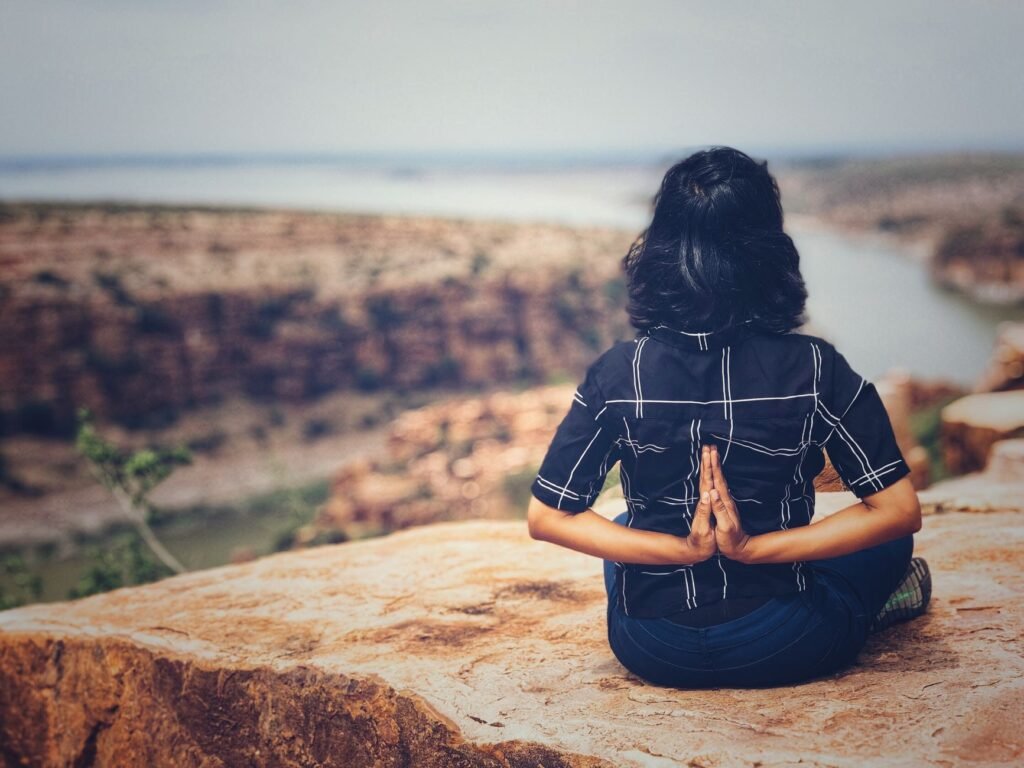
- Gandikota Fort sits dramatically on the edge of a 300-foot deep gorge carved by the Pennar River, often called India’s Grand Canyon
- The best time to visit is October to March; summer temperatures can exceed 40°C making exploration difficult
- Sunrise and sunset viewpoints offer spectacular photography opportunities over the red sandstone gorge
- The fort complex includes ancient temples, granaries, and a mosque dating back to the 13th-18th centuries
- Limited accommodation options exist; camping near the gorge or staying in nearby Jammalamadugu are popular choices
- Introduction
- Quick Facts About Gandikota: The Pennar Gorge and Hilltop Fort
- Why Visit Gandikota: The Pennar Gorge and Hilltop Fort
- How to Reach Gandikota: The Pennar Gorge and Hilltop Fort
- Best Time to Visit Gandikota: The Pennar Gorge and Hilltop Fort
- Top Things to Do in Gandikota: The Pennar Gorge and Hilltop Fort
- Where to Stay in Gandikota: The Pennar Gorge and Hilltop Fort
- Local Food & Cuisine
- Practical Travel Tips for Gandikota: The Pennar Gorge and Hilltop Fort
- Final Thoughts
- Frequently Asked Questions
Introduction
Hidden in the arid plains of Andhra Pradesh lies one of India’s most spectacular and underrated natural wonders: Gandikota: The Pennar Gorge and Hilltop Fort. Often called the “Grand Canyon of India,” this breathtaking destination combines dramatic geology with centuries of history, offering travellers an experience that rivals the world’s most famous gorges. The mighty Pennar River has carved a magnificent gorge through ancient red granite rocks, creating sheer cliff faces that plunge hundreds of feet to the river below, while atop these very cliffs sits a magnificent fort that has witnessed empires rise and fall.
What makes Gandikota truly special is its remarkable state of preservation coupled with its relative obscurity. Unlike India’s more crowded tourist circuits, this hidden gem offers an intimate encounter with both nature and history. The fort complex, built in the 13th century and expanded over subsequent centuries, sprawls across the clifftop with temples, granaries, and palaces still standing testament to its glorious past. Meanwhile, the geological spectacle of the Pennar Gorge unfolds in layers of red and orange rock, particularly stunning during sunrise and sunset when the canyon walls seem to glow with an inner fire.
Whether you’re a history enthusiast drawn to ancient forts, an adventure seeker looking for India’s next great camping destination, a photographer chasing golden hour canyon shots, or simply a traveller tired of overcrowded tourist spots, Gandikota promises an unforgettable journey into Andhra Pradesh’s wild heart. This is a place where you can stand on the edge of infinity, explore centuries-old stone structures, and experience the kind of raw, unspoiled beauty that’s increasingly rare in modern India.
Quick Facts About Gandikota: The Pennar Gorge and Hilltop Fort
- Altitude
- Approximately 330 meters (1,083 feet) above sea level
- Best Time to Visit
- October to February (winter months)
- Distance from Nearest Major City
- Bangalore: 268 km, Hyderabad: 350 km, Kadapa: 77 km
- Nearest Airport
- Tirupati Airport (200 km), Bangalore Airport (268 km), Hyderabad Airport (350 km)
- Nearest Railway Station
- Muddanuru Railway Station (19 km), Jammalamadugu (22 km)
- Permits Required
- None required for general tourism; camping permits from local authorities recommended
- Temperature Range
- Winter: 15°C-28°C, Summer: 25°C-42°C, Monsoon: 22°C-35°C
- Approximate Budget per Day
- ₹1,500-₹3,000 (budget), ₹3,000-₹6,000 (mid-range), ₹6,000+ (luxury camping)
- Languages Spoken
- Telugu (primary), Hindi, English (limited)
- Entry Fee
- ₹25 per person (Indians), ₹300 per person (foreigners), ₹50 for camera
Why Visit Gandikota: The Pennar Gorge and Hilltop Fort
The primary draw of Gandikota is undoubtedly the Pennar Gorge itself—a geological marvel that took millions of years to form. The Pennar River has relentlessly carved through layers of Precambrian granite and quartzite, creating a gorge that stretches for several kilometres with cliff faces rising 300 feet (nearly 100 meters) in some sections. The erosion has exposed spectacular stratification in the rock, displaying bands of red, orange, ochre, and brown that shift in colour throughout the day. During sunrise, the entire canyon appears to be painted in shades of crimson and gold, while sunset transforms it into a palette of deep amber and purple.
Beyond its natural beauty, Gandikota offers a remarkably well-preserved historical complex that most visitors don’t expect. The fort was originally built by Kapa Raja of the Pemmasani dynasty in 1123 CE and later expanded by various rulers including the Vijayanagara Empire. The fort’s massive stone walls stretch for nearly 3 kilometres, punctuated by watchtowers and gateways that still stand strong. Within the complex, you’ll find the Madhavaraya Temple dedicated to Lord Vishnu, the Ranganatha Swamy Temple with its exquisite stone carvings, and a stunning Jamia Masjid built during Muslim rule that showcases Indo-Islamic architecture at its finest.
What truly sets Gandikota apart from other destinations is its authentic, unpolished character. There are no cable cars, no overcrowded viewpoints with safety railings, no aggressive vendors or commercialized tourist infrastructure. You’re free to explore the fort ruins at your own pace, discover hidden chambers and secret passages, climb crumbling watchtowers for panoramic views, and sit at the gorge’s edge with your legs dangling over the abyss. The camping experience here is genuinely wild—sleeping under a blanket of stars so dense it looks like the Milky Way has exploded across the sky, with the only sounds being the distant river and occasional rustling of wind through the rocks. This raw, unfiltered experience of exploration and discovery is increasingly rare in Indian tourism.

How to Reach Gandikota: The Pennar Gorge and Hilltop Fort
By Road from Bangalore: The most popular route for travellers is from Bangalore, approximately 268 km away. Take NH44 towards Hindupur (95 km), then continue on NH44 through Gorantla (125 km from Bangalore), and finally turn onto SH18 at Muddanuru towards Gandikota (last 19 km). The entire journey takes about 5-6 hours depending on traffic. You can hire a private taxi for approximately ₹4,500-₹6,000 for a round trip, or take your own vehicle. KSRTC (Karnataka State Road Transport Corporation) and APSRTC (Andhra Pradesh State Road Transport Corporation) run buses from Bangalore to Jammalamadugu (₹300-₹500), from where you’ll need to take a local bus or auto-rickshaw (₹150-₹200) to Gandikota.
By Road from Hyderabad: The distance from Hyderabad is approximately 350 km via NH44. The route goes through Kurnool (220 km from Hyderabad), then Nandyal (280 km), and finally to Gandikota via local roads. This journey takes 7-8 hours. TSRTC buses run from Hyderabad to Jammalamadugu for ₹400-₹600, with onward local transport to Gandikota. Private taxis cost around ₹7,000-₹9,000 for a round trip.
By Train: The nearest railway stations are Muddanuru (19 km) and Jammalamadugu (22 km). However, these are small stations with limited connectivity. A better option is to take a train to Kadapa Junction (77 km away), which is well-connected to major cities. From Kadapa, buses run regularly to Gandikota (₹80-₹120) or you can hire a taxi (₹1,500-₹2,000 one way). Trains from Bangalore to Kadapa include the Rayalaseema Express, while from Hyderabad you can take the Venkatadri Express.
By Air: The nearest commercial airport is Tirupati Airport (200 km), which has connections from major cities including Hyderabad, Bangalore, and Delhi. From Tirupati, you can hire a taxi to Gandikota for approximately ₹3,500-₹4,500. Alternatively, Bangalore’s Kempegowda International Airport (268 km) and Hyderabad’s Rajiv Gandhi International Airport (350 km) are larger hubs with more flight options, though they’re further away.
Local Transport: Once at Gandikota village, the fort and gorge are within 2-3 km. Most accommodations are near the gorge viewpoint. You can walk, or local auto-rickshaws charge ₹50-₹100 for short distances within the area.
Best Time to Visit Gandikota: The Pennar Gorge and Hilltop Fort
October to February (Winter – Best Season): This is unquestionably the best time to visit Gandikota. Temperatures range from a pleasant 15°C to 28°C, making exploration comfortable even during midday. The skies are typically clear, perfect for stargazing and photography. November and December are particularly popular, with weekends seeing moderate crowds (though nothing compared to mainstream tourist destinations). The Pennar River has decent water flow post-monsoon, adding to the gorge’s beauty. Book camping accommodations in advance during this period, especially for weekends and holidays. Sunrise temperatures can drop to 12-15°C, so pack layers.
March to May (Summer – Challenging but Possible): Summer in Gandikota is harsh, with temperatures soaring to 38-42°C and sometimes even higher. The landscape becomes extremely dry, and the rocks radiate heat that can be overwhelming. However, this season has advantages: virtually no crowds, rock-bottom accommodation prices, and a stark, desert-like beauty that appeals to some photographers. If visiting during summer, plan all activities for early morning (before 9 AM) and late evening (after 5 PM). Carry at least 3-4 litres of water per person. Many local eateries may have reduced hours. Not recommended for children or elderly travellers.
June to September (Monsoon – Spectacular but Risky): The monsoon transforms Gandikota into an unexpected paradise. The Pennar River swells dramatically, waterfalls cascade down the gorge walls, and the usually arid landscape erupts in greenery. However, this season comes with significant risks: roads can become difficult to navigate, camping is impossible during heavy rains, and the cliff edges become dangerously slippery. If you do visit during monsoon, avoid the gorge edges, stay in proper accommodations rather than camping, and check weather forecasts carefully. July and August receive the most rainfall. The fort’s ancient drainage systems spring to life during this period, an engineering marvel worth witnessing.
Special Considerations: Full moon nights are magical at Gandikota, with the gorge bathed in silvery light—plan your visit accordingly if you’re a photography enthusiast. Avoid major festival weekends when day-trippers from Bangalore and Hyderabad can overwhelm the small area. Mid-week visits (Tuesday-Thursday) offer the most peaceful experience year-round.
Top Things to Do in Gandikota: The Pennar Gorge and Hilltop Fort
Witness Sunrise at the Pennar Gorge Viewpoint
Waking up before dawn and making your way to the gorge viewpoint is an essential Gandikota experience. As the sun rises, it illuminates the canyon walls layer by layer, transforming the rocks from dark silhouettes to glowing red-orange formations. The best viewpoint is near the main gorge overlook, about 500 meters from the fort entrance. Arrive by 5:45 AM (winter) or 5:15 AM (summer) to secure a good spot and set up cameras. The entire spectacle lasts about 30-40 minutes, and the changing light creates opportunities for stunning photographs at every moment.
Explore the Gandikota Fort Complex
Allocate at least 2-3 hours to thoroughly explore this sprawling fort complex. Enter through the main gateway and you’ll find yourself in a maze of historical structures: the Madhavaraya Temple with its intricately carved pillars, the Ranganatha Swamy Temple with a beautiful sanctum, old granaries with ingenious ventilation systems, and the impressive Jamia Masjid featuring Persian-style arches. Don’t miss climbing the watchtowers along the fort walls—each offers different perspectives of the gorge and surrounding landscape. The old prison cells and underground chambers near the northern wall are fascinating but can be dark, so carry a flashlight.
Camp Under the Stars
Camping at Gandikota offers one of India’s finest stargazing experiences, thanks to minimal light pollution and clear skies. Several operators offer organized camping with tents, meals, and bonfire arrangements (₹1,500-₹3,000 per person). The camps are typically set up on flat areas near the gorge, offering unobstructed views of both the canyon and the sky. The Milky Way is clearly visible on moonless nights, and during winter, you can spot numerous constellations, shooting stars, and even satellites. The silence is profound, broken only by occasional bird calls and the distant murmur of the Pennar River below.
Trek Down to the Pennar River
For adventurous souls, the trek down to the Pennar River at the base of the gorge is challenging but rewarding. The trail begins near the gorge viewpoint and descends steeply through rocky terrain—it’s not marked or maintained, so wear proper hiking shoes and carry plenty of water. The descent takes 45-60 minutes, and the ascent back up takes 60-90 minutes. At the river level, you can wade in the shallow waters (during winter), examine the geological formations up close, and experience the canyon from an entirely different perspective. This trek is not recommended during or immediately after monsoons when the river is in full flow.

Photography Tour of Historical Structures
Gandikota is a photographer’s paradise, offering subjects ranging from sweeping landscapes to intricate architectural details. Beyond the famous gorge shots, focus on the textures of weathered stone walls, the geometric patterns of the Jamia Masjid’s arches against blue sky, the play of light and shadow in temple corridors, and the contrast between ancient structures and wild nature. The golden hours (early morning and late evening) are magical, but midday light reveals interesting details in the deep-carved temple sculptures. Drone photography is permitted (as of current regulations) but requires sensitivity to other visitors and respect for temple areas.
Visit the Rayalacheruvu Lake
About 3 km from the fort complex lies Rayalacheruvu, a small lake that offers a peaceful contrast to the dramatic gorge. This reservoir was built during the fort’s active period to supply water and still serves local agricultural needs. During winter, the lake attracts migratory birds including painted storks, pelicans, and various waterfowl. The surrounding area is relatively green and makes for a pleasant walk or picnic spot. Local fishermen sometimes work the lake in early mornings, adding to the pastoral atmosphere. It’s also an excellent spot for sunset photography when the light turns golden and reflects off the water’s surface.
Where to Stay in Gandikota: The Pennar Gorge and Hilltop Fort
Budget Accommodations (₹500-₹1,500 per night): APTDC Haritha Resort offers the most basic government-run accommodation with dormitory beds at ₹500-₹700 and simple double rooms at ₹1,000-₹1,200. Facilities are minimal but clean, with attached bathrooms and basic meals available. Several local homestays in Gandikota village offer rooms for ₹600-₹1,000, providing an authentic village experience—try Sri Venkateswara Guest House or Gandikota Heritage Stay. These homestays often include home-cooked meals and hosts who can share local history and folklore. Budget camping options with bring-your-own-tent facilities cost around ₹300-₹500 per person at designated areas near the gorge.
Mid-Range Options (₹1,500-₹4,000 per night): Gandikota Camping and Resort offers organized camping with Swiss tents equipped with mattresses, bedding, and attached bathrooms at ₹2,500-₹3,000 per tent (double occupancy), including breakfast and dinner. Infinity Resorts Gandikota provides better amenities with air-conditioned cottages at ₹3,500-₹4,000, though note that AC may be solar-powered with limited hours. The Stone House by the Gorge, a relatively new property, offers comfortable rooms with modern bathrooms and a restaurant for ₹2,800-₹3,500. These properties typically include camping-style dining experiences with bonfires and local cultural programs.
Premium/Luxury Options (₹4,000+ per night): Luxury options are limited in Gandikota itself, but glamping experiences have emerged. The Gorge View Luxury Camps offers high-end tented accommodations with proper beds, en-suite bathrooms, air cooling, and gourmet meals for ₹5,500-₹8,000 per tent. These include guided heritage walks, photography tours, and customized meal services. For those seeking more conventional luxury, the best option is to stay in Kadapa (77 km away) at properties like Haritha Hotel Gandikota or similar 3-star hotels (₹3,000-₹5,000), and visit Gandikota as a day trip or overnight camping experience.
Booking Tips: Advance reservations are essential for weekends and holidays, especially from October to January. Many properties don’t have sophisticated online booking systems, so call directly. Most accommodations are solar-powered with limited electricity, so charge devices when possible and carry power banks. WiFi is generally unavailable or unreliable—embrace the digital detox.
Local Food & Cuisine
Gandikota’s culinary scene reflects the broader Rayalaseema region of Andhra Pradesh, known for its spicy, robust flavours and rice-based dishes. Ragi Sangati (finger millet balls) served with spicy mutton or chicken curry is the traditional staple—nutritious, filling, and authentically local. The ragi is hand-rolled into balls and eaten by dipping in curry, an acquired technique but delicious once mastered. Paya (goat trotters curry) is another regional specialty, slow-cooked overnight until the meat falls off the bone, creating a rich, gelatinous gravy perfect with rice or roti. Gongura Pachadi (sorrel leaf chutney) is a tangy, spicy condiment that accompanies most meals—the distinctive sour flavour of gongura leaves is quintessentially Andhra. Natukodi Pulusu (country chicken curry) prepared with freshly ground spices and tamarind offers an authentic taste of village-style cooking.
Haritha Restaurant at the APTDC complex serves reliable Andhra thalis (₹150-₹250) featuring multiple curries, rice, dal, and curd. It’s basic but clean and offers the most consistent quality. The staff can adjust spice levels for those unaccustomed to Andhra’s fiery cuisine. Sri Raghavendra Tiffin Center in Gandikota village is perfect for breakfast, serving excellent idli, dosa, and vada (₹30-₹80) along with strong filter coffee. Local Dhabas near the fort entrance offer simple but satisfying meals—Anjaneya Dhaba is particularly popular with bikers and road-trippers, serving generous portions of biryani, fried rice, and curry meals (₹120-₹200). Their spicy chicken fry is legendary among regular visitors.
Most organized camping packages include meal services featuring a mix of local and standard North Indian dishes. Expect simple but hearty fare: vegetable pulao, dal fry, roti, and local-style chicken or mutton curry for dinner (usually included in camping rates), with eggs, toast, and South Indian breakfast items in the morning. Camping Bonfire BBQ experiences offered by some operators (₹500-₹800 per person additional) include grilled chicken, paneer, and vegetables with local spice marinades.
Important notes: Pure vegetarian options are limited but available—inform your accommodation in advance. Carry packaged snacks and plenty of water for the day, as shops near the fort are minimal. The closest town for stocking up on supplies is Jammalamadugu (22 km). Alcohol is not sold in the immediate Gandikota area; the nearest licensed shops are in larger towns. Drinking water should be bottled or filtered—don’t drink directly from taps or the river.

Practical Travel Tips for Gandikota: The Pennar Gorge and Hilltop Fort
Permits and Entry: No special permits are required for Indian nationals to visit Gandikota Fort or the gorge viewpoints. The Archaeological Survey of India (ASI) maintains the fort and charges an entry fee of ₹25 for Indians and ₹300 for foreign nationals. Camera fees are ₹50 for still cameras; video cameras require a ₹100 fee. The fort is officially open from 6 AM to 6 PM, though enforcement is relaxed and sunrise/sunset viewing is typically allowed. For camping overnight near the gorge, it’s advisable to inform the local police station (more as a courtesy and safety measure than a legal requirement). Organized camping operators handle these formalities.
Mobile Network and Connectivity: Mobile network coverage is surprisingly decent at Gandikota, with BSNL and Airtel offering the most reliable signals. Jio and Vi have spotty coverage. However, data speeds are generally slow (2G to 3G), making it difficult to upload photos or use data-intensive applications. Most accommodations lack WiFi. Consider this an opportunity for a digital detox and download offline maps (Google Maps offline areas), entertainment, and any essential information before arriving.
ATM and Banking: The nearest ATM is in Jammalamadugu (22 km away). There are no ATMs, banks, or money exchange facilities in Gandikota village itself. Carry sufficient cash for your entire stay, including accommodation, meals, entry fees, and any purchases. Most local vendors, dhabas, and even some budget accommodations don’t accept cards or digital payments. Some organized camping operators accept online payments, but confirm before arrival. Carry denominations of ₹100, ₹50, and ₹20 notes for small purchases.
Medical Facilities: Medical facilities at Gandikota are extremely basic. There’s a small primary health center in the village for minor ailments, but anything serious requires travel to Jammalamadugu or Kadapa. Carry a comprehensive first-aid kit including bandages, antiseptic cream, pain relievers, anti-diarrheal medication, oral rehydration salts, and any prescription medicines you require. The nearest hospital with emergency facilities is Jammalamadugu Government Hospital (22 km) or Kadapa Government General Hospital (77 km). Travelers with existing medical conditions should take extra precautions and inform travel companions of emergency procedures.
What to Pack: Sun protection is critical—bring high-SPF sunscreen, sunglasses, and a wide-brimmed hat. The sun reflects intensely off the red rocks. Comfortable walking shoes with good grip are essential for exploring the fort and rocky terrain; the gorge edges can be slippery. Carry a flashlight or headlamp for exploring dark chambers in the fort and for navigating campsites at night. A good quality water bottle (at least 2 litres capacity) is mandatory. For camping, bring warm layers for winter nights (temperatures can drop significantly), a sleeping bag liner for hygiene, and a power bank for charging devices. Photography enthusiasts should bring wide-angle lenses for gorge shots and telephoto lenses for architectural details and bird photography at the lake.
Safety Considerations: The gorge edges have no safety railings or barriers—exercise extreme caution, especially with children. Fatal accidents have occurred when visitors ventured too close to crumbling cliff edges for photographs. Never sit on the absolute edge, and avoid gorge viewpoints during or after rain when rocks are slippery. Stay on established paths while trekking down to the river. The fort’s ancient structures are fragile—don’t climb on walls that appear unstable. Snakes and scorpions can be present in rocky areas; watch where you step and sit. During summer, start activities early to avoid peak heat hours (11 AM to 4 PM). Solo travelers, especially women, should inform someone of their itinerary and stick to populated areas. Camping solo is not recommended—join organized groups.
Responsible Tourism: Gandikota’s pristine beauty is threatened by increasing tourist traffic. Practice leave-no-trace principles: carry back all waste, including organic waste like fruit peels. Plastic is particularly problematic in this arid landscape where it doesn’t decompose. Use refillable water bottles rather than buying multiple plastic bottles. Don’t carve names or graffiti on the ancient fort walls—this is a punishable offense and damages irreplaceable heritage. Keep noise to a minimum, especially early morning and late evening, to preserve the peaceful atmosphere and not disturb wildlife. Don’t light fires outside designated bonfire areas at campsites, as vegetation is sparse and fire risk is real. Support local businesses—eat at village dhabas, buy from local vendors, and hire local guides when possible. Respect temple areas by removing footwear and dressing modestly. The Pennar River is considered sacred; don’t pollute it or leave garbage on the riverbanks.
Final Thoughts
Gandikota: The Pennar Gorge and Hilltop Fort represents a rare combination of dramatic natural beauty and rich historical heritage, all wrapped in an atmosphere of peaceful remoteness that’s increasingly hard to find in India. Standing at the edge of that vast gorge, with the wind in your face and geological time laid bare in the layered rock walls before you, creates a sense of perspective that’s both humbling and exhilarating. The fort’s silent ruins whisper stories of medieval kingdoms, strategic importance, and architectural brilliance, while the star-filled nights remind us of our place in the cosmos. This isn’t a destination for those seeking luxury resorts or Instagram-ready infrastructure—it’s for genuine explorers who value authentic experiences over curated comfort.
Whether you’re a weekend warrior escaping the urban chaos of Bangalore or Hyderabad, an international traveller seeking India’s hidden treasures, a history buff fascinated by medieval forts, or a nature enthusiast drawn to geological wonders, Gandikota delivers on all fronts. Pack your sense of adventure, leave your expectations of modern conveniences behind, and prepare for a journey that will challenge you, inspire you, and quite possibly change how you think about travel in India. The Grand Canyon of India awaits—and it’s about time you answered its call. Book your trip during the winter months, respect the land and its heritage, and prepare for memories that will last a lifetime. Gandikota isn’t just a destination; it’s a revelation.
- Arrive at the gorge viewpoint 30 minutes before sunrise to secure the best photography spots as weekend crowds can be significant
- Carry at least 3 liters of water per person as there are no reliable water sources within the fort complex
- Hire a local guide at the fort entrance for ₹300-500 to discover hidden caves and lesser-known viewpoints along the gorge
- Visit the Rayalacheruvu Reservoir dam for a stunning aerial perspective of the gorge, located 2 km from the main fort
- Book APTDC Haritha Resort rooms at least 2 weeks in advance during peak season as it’s the only decent stay option near the fort
Frequently Asked Questions about Gandikota: The Pennar Gorge and Hilltop Fort
The best time to visit Gandikota is during the winter months from October to February when temperatures range from 15°C to 28°C, making it comfortable for sightseeing and outdoor activities. During this period, the weather is pleasant for exploring the fort complex and enjoying the stunning views of the Pennar Gorge, especially during sunrise and sunset when the canyon walls glow with beautiful red and orange hues.
Gandikota is located 268 km from Bangalore, 350 km from Hyderabad, and 77 km from Kadapa. The nearest airports are Tirupati Airport (200 km away), Bangalore Airport (268 km), and Hyderabad Airport (350 km), while the nearest railway stations are Muddanuru (19 km) and Jammalamadugu (22 km).
Gandikota is called the “Grand Canyon of India” because the mighty Pennar River has carved a magnificent gorge through ancient red granite rocks, creating sheer cliff faces that plunge hundreds of feet to the river below. The geological spectacle unfolds in layers of red and orange rock, creating a dramatic landscape that rivals the world’s most famous gorges, particularly stunning during sunrise and sunset.
No permits are required for general tourism at Gandikota. However, if you plan to camp at the site, it is recommended to obtain camping permits from local authorities to ensure a hassle-free experience.
Gandikota Fort was built in the 13th century and expanded over subsequent centuries, sprawling across the clifftop with temples, granaries, and palaces that still stand as testament to its glorious past. The fort complex has witnessed empires rise and fall and remains in a remarkable state of preservation, offering visitors an intimate encounter with both history and architecture.
The approximate budget for visiting Gandikota ranges from ₹1,500-₹3,000 per day for budget travelers, ₹3,000-₹6,000 for mid-range travelers, and ₹6,000 or more for those seeking premium experiences. This covers accommodation, food, local transportation, and sightseeing expenses.