
Travel guide
Mechuka
River Walks and Monasteries in Siyom Valley
- Mechuka requires an Inner Line Permit (ILP) and Protected Area Permit (PAP) for all Indian and foreign tourists to visit.
- The Siyom River offers scenic walking trails with views of snow-capped peaks and suspension bridges ideal for photography.
- Samten Yongcha Monastery, over 400 years old, is Mechuka’s spiritual heart with stunning valley views.
- October to April offers the best weather, though winter brings heavy snowfall and possible road closures.
- Mechuka has limited accommodation and ATM facilities; carry sufficient cash and book homestays in advance.
- Introduction
- Quick Facts About Mechuka: River Walks and Monasteries in the Siyom Valley
- Why Visit Mechuka: River Walks and Monasteries in the Siyom Valley
- How to Reach Mechuka: River Walks and Monasteries in the Siyom Valley
- Best Time to Visit Mechuka: River Walks and Monasteries in the Siyom Valley
- Top Things to Do in Mechuka: River Walks and Monasteries in the Siyom Valley
- Where to Stay in Mechuka: River Walks and Monasteries in the Siyom Valley
- Local Food & Cuisine
- Practical Travel Tips for Mechuka: River Walks and Monasteries in the Siyom Valley
- Final Thoughts
- Frequently Asked Questions
Introduction
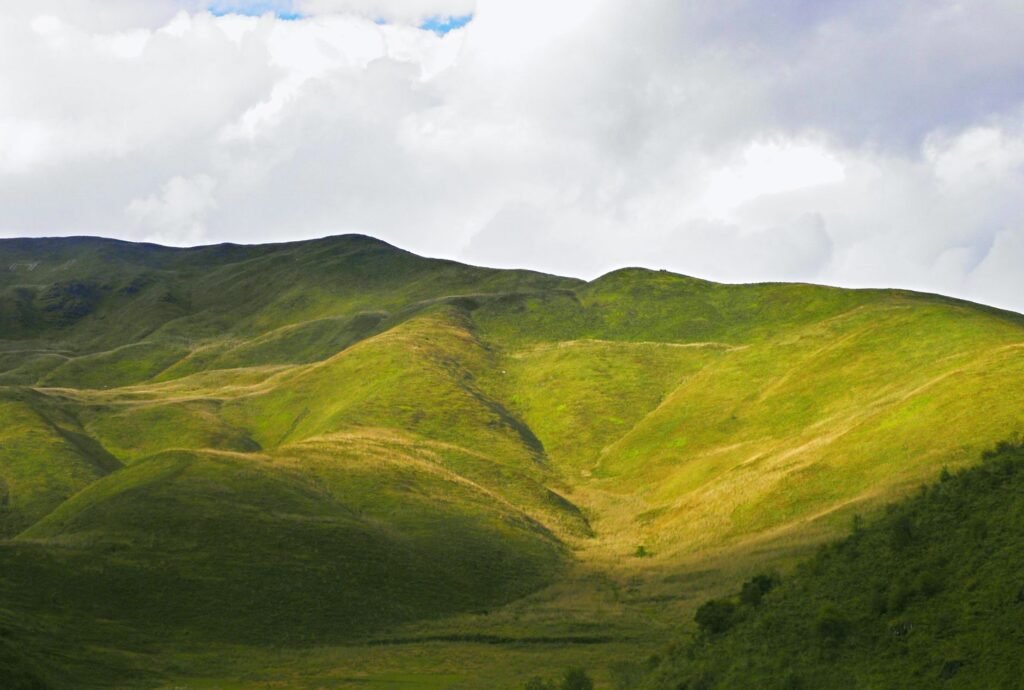
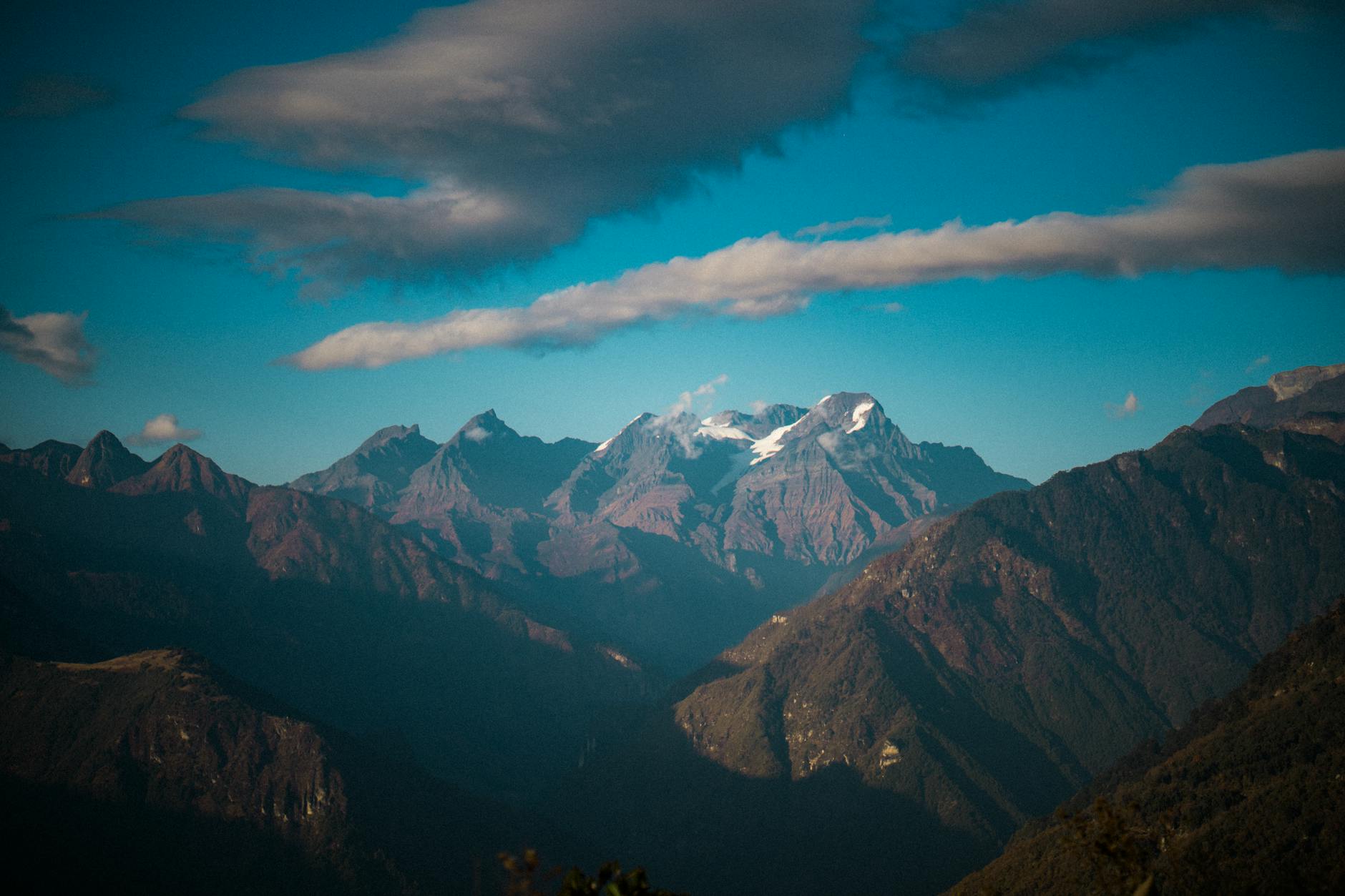
Tucked away in the remote reaches of Arunachal Pradesh, Mechuka: River Walks and Monasteries in the Siyom Valley offers one of India’s most enchanting Himalayan experiences. This pristine valley, cradled at an altitude of approximately 6,000 feet, remains blissfully untouched by mass tourism, offering travellers an authentic glimpse into the Trans-Himalayan landscape and the rich cultural tapestry of the Memba tribe. The Siyom River, a tributary of the mighty Brahmaputra, carves through this valley with emerald-green waters that reflect the snow-capped peaks standing sentinel on all sides.
Mechuka isn’t just another mountain destination—it’s a journey into a world where Buddhist monasteries perch on hillsides, prayer flags flutter against crystalline skies, and riverside trails wind through landscapes so breathtaking they seem conjured from a painter’s imagination. The valley’s isolation has preserved its natural beauty and cultural authenticity in ways that more accessible destinations can only dream of. Here, the rhythm of life follows ancient patterns, and visitors find themselves slowing down, breathing deeper, and reconnecting with something fundamental that modern life often obscures.
Whether you’re drawn by the call of adventure, the promise of spiritual tranquility, or simply the desire to explore one of India’s last remaining hidden gems, Mechuka delivers an experience that lingers long after you’ve returned to the plains. The combination of pristine river walks, centuries-old monasteries, warm-hearted locals, and landscapes of staggering beauty creates a destination that feels both otherworldly and profoundly real.
Quick Facts About Mechuka: River Walks and Monasteries in the Siyom Valley
- Altitude
- 6,000 feet (1,829 meters)
- Best Time to Visit
- April to October (May-June and September-October ideal)
- Distance from Nearest City
- Along (Aalo): 135 km | Dibrugarh: 345 km | Guwahati: 585 km
- Nearest Airport
- Mohanbari Airport, Dibrugarh (345 km) | Lilabari Airport, North Lakhimpur (290 km)
- Permits Required
- Inner Line Permit (ILP) mandatory for Indian citizens; Protected Area Permit (PAP) for foreign nationals
- Temperature Range
- Summer: 15°C-25°C | Winter: -5°C to 10°C
- Approx Budget per Day in INR
- ₹2,500-₹4,000 (budget) | ₹4,000-₹7,000 (mid-range) | ₹7,000+ (comfortable)
Why Visit Mechuka: River Walks and Monasteries in the Siyom Valley
Mechuka’s uniqueness lies in its extraordinary confluence of natural grandeur and cultural richness. The Siyom River, with its distinctive turquoise-green waters, creates a stunning contrast against the valley’s carpet of pine forests and the snow-draped peaks that tower beyond. Unlike the glacial grey rivers common in the Himalayas, the Siyom’s clarity and color come from its mineral composition, making riverside walks here a visual feast unmatched elsewhere in the region. The river’s gentle meanders through the valley floor create perfect walking trails where you might encounter yak herders, spot Himalayan birds, and find yourself entirely alone with nature for hours.
The 400-year-old Samten Yongcha Monastery stands as the spiritual heart of Mechuka, housing a magnificent 12-foot statue of Padmasambhava and serving as a living center of Buddhist practice. Unlike museum-like monasteries in more touristy areas, this gompa pulses with daily rituals, chanting monks, and genuine spiritual practice. The monastery’s location on a hillside offers panoramic views of the valley, and the experience of attending morning prayers as butter lamps flicker and the scent of juniper incense fills the air provides authentic cultural immersion.
What truly sets Mechuka apart is its position near the Indo-China border, lending it both strategic significance and an almost mythical remoteness. The Indian Air Force maintains a presence here, with the highest Air Force base in the region, and the Chinese-occupied territory lies just beyond the mountains. This geopolitical reality hasn’t diminished the warmth of the Memba people, whose traditions blend Tibetan Buddhism with indigenous practices. Their stone houses with intricately carved windows, their festivals featuring mask dances and archery competitions, and their oral traditions passed down through generations offer insights into a way of life largely unchanged for centuries.
The valley also serves as a gateway to even more remote areas like Dorjeeling village (not to be confused with the Bengal hill station) and the confluence of the Yargyap Chu River with the Siyom. Adventure seekers find opportunities for trout fishing, challenging treks to hidden villages, and exploration of WWII-era artifacts from the Burma campaign. The sheer absence of commercial tourism infrastructure means every experience feels authentic and unfiltered—there are no staged cultural performances, no tourist traps, just genuine encounters with place and people.
How to Reach Mechuka: River Walks and Monasteries in the Siyom Valley
By Air: The nearest functional airport is Mohanbari Airport in Dibrugarh, Assam, located 345 km from Mechuka. Regular flights connect Dibrugarh with Kolkata, Guwahati, and Delhi. Flight costs range from ₹3,500 to ₹8,000 depending on the season and booking time. Alternatively, Lilabari Airport near North Lakhimpur (290 km from Mechuka) has limited connectivity to Guwahati and Kolkata. From either airport, you’ll need to arrange road transport to Mechuka.
By Road from Dibrugarh: The journey covers approximately 345 km and takes 12-14 hours. You can hire a private taxi for ₹10,000-₹14,000 or arrange for a shared Sumo/Bolero from Dibrugarh to Along (Aalo) for ₹800-₹1,200 per person, then another vehicle from Along to Mechuka for ₹600-₹800 per person. The route passes through Roing or Pasighat, then Silapathar, Jonai, and Along before the final 135 km stretch to Mechuka through spectacular mountain terrain.
By Road from Guwahati: The 585 km journey takes approximately 18-20 hours, breaking the trip into two days is highly recommended. Regular buses and shared Sumos run from Guwahati to Along, costing ₹700-₹1,000 per person. From Along, the road to Mechuka is a thrilling 135 km drive that climbs through pine forests, crosses multiple streams, and offers jaw-dropping views. This section typically takes 5-6 hours. Private taxis from Guwahati to Mechuka cost ₹18,000-₹24,000.
By Train: While there’s no direct train to Mechuka, you can reach Dibrugarh or North Lakhimpur by rail. The Rajdhani Express and other trains connect Dibrugarh with major Indian cities. From the railway station, arrange road transport as described above. Train fares vary from ₹500 (sleeper class) to ₹3,500 (AC classes) depending on origin and class.
Important Note: The road from Along to Mechuka can be challenging during monsoon months (June-September) due to landslides. Always check road conditions before traveling and build flexibility into your itinerary. Shared transport operates on fixed schedules (usually early morning departures), while private taxis offer more flexibility but at premium rates.
Best Time to Visit Mechuka: River Walks and Monasteries in the Siyom Valley
Spring (March-May): March marks the valley’s emergence from winter’s grip, with temperatures ranging from 10°C to 20°C. April and May are excellent months, offering clear skies, blooming rhododendrons painting the hillsides in vibrant colors, and comfortable temperatures between 15°C and 25°C. River walks are particularly pleasant as the Siyom flows gently and the trails remain dry. This period sees minimal tourist crowds and all accommodations are open. The only downside is occasional pre-monsoon showers in late May.
Summer/Monsoon (June-August): June through August brings monsoon rains, making this the least ideal time to visit. While the valley turns lush and intensely green, frequent landslides can block the road to Mechuka, sometimes for days. Temperatures remain moderate (18°C-24°C), but heavy rainfall, leeches on forest trails, and potential travel disruptions make this period risky. Only experienced travelers comfortable with uncertainty should visit during monsoon. Budget an extra 3-4 days for potential delays.
Autumn (September-October): This is arguably the best time to visit Mechuka. Post-monsoon clarity brings stunning mountain views, with freshly snow-capped peaks visible against brilliant blue skies. Temperatures range from 12°C to 22°C—perfect for extended walks and monastery visits. The Siyom River runs full but not dangerously so, and the air has a crisp freshness. Local festivals often occur during this period, offering cultural experiences. Tourist numbers remain manageable, and all facilities operate normally.
Winter (November-February): Winter transforms Mechuka into a frozen wonderland. November sees temperatures dropping to 5°C-15°C, while December through February can plunge to -5°C to 8°C, with occasional snowfall. Many guesthouses close, and the road journey becomes treacherous. However, for those willing to brave the cold, winter offers pristine beauty, complete solitude, and the chance to experience Mechuka’s Buddhist culture during quieter months. Pack heavy woolens and confirm accommodation availability before traveling. The Losar (Tibetan New Year) celebration in late January or February provides exceptional cultural immersion.
Top Things to Do in Mechuka: River Walks and Monasteries in the Siyom Valley
Walk Along the Siyom River Promenade
The riverside walk through Mechuka village and beyond offers some of the most serene experiences in the valley. The emerald-green Siyom flows placidly here, its distinctive color mesmerizing as it reflects the surrounding mountains. The 5-6 km trail along the riverbank takes you past traditional Memba houses, stone chortens, and prayer wheel installations, with the constant backdrop of prayer flags snapping in the mountain breeze. Early morning walks often reveal mist rising from the water, while evenings bring golden light that transforms the valley into something ethereal.
Explore Samten Yongcha Monastery
Built over 400 years ago, this monastery sits atop a hill offering commanding views of the entire valley. The main prayer hall houses the impressive 12-foot statue of Guru Padmasambhava, along with ancient thangkas, Buddhist scriptures, and ritual objects. Time your visit for morning prayers (usually around 6:30 AM) to witness monks in their daily practice—the deep chanting, ritual music, and spiritual atmosphere provide profound experiences. The monastery’s caretaker often shares stories about the gompa’s history and Buddhist teachings, enriching your understanding of local spiritual traditions.
Visit the 100-Year-Old Hanging Bridge
Mechuka’s century-old suspension bridge, still used by locals, spans the Siyom River and offers both practical passage and thrilling adventure. The wooden and cable structure sways gently as you cross, providing unique perspectives of the river below and mountains beyond. The bridge connects Mechuka village to agricultural lands and grazing areas on the opposite bank, and crossing it allows you to explore less-visited parts of the valley where traditional farming practices continue unchanged.
Trek to Dorjeeling Village
Not to be confused with Darjeeling in West Bengal, this remote hamlet sits approximately 15 km from Mechuka and requires a half-day trek through stunning terrain. The trail passes through dense pine forests, crosses crystal-clear streams, and offers chances to spot Himalayan wildlife including various pheasants and occasionally the red panda. Dorjeeling village itself comprises just a handful of traditional Memba homes where residents still practice subsistence agriculture and maintain centuries-old customs. Local families often welcome trekkers with butter tea and tsampa, offering authentic cultural exchanges.

Experience the Yargyap Chu Confluence
About 20 km from Mechuka, the Yargyap Chu River merges with the Siyom in a spectacular display of converging waters. The drive to this point takes you through increasingly remote terrain, passing through the Memba village of Tato with its hot springs (though accessing the springs requires additional permits). The confluence itself, surrounded by towering mountains and pristine forest, represents one of the valley’s most photographed spots and offers excellent picnic opportunities.
Visit the World War II Dakota Crash Site
During World War II, an American Dakota aircraft crashed in the mountains near Mechuka, and remnants of the wreckage remain scattered at the site. The trek to reach these historical artifacts takes 2-3 hours through challenging terrain, requiring a local guide. This sobering reminder of history provides context for the region’s strategic importance and honors the servicemen who lost their lives here. The site itself, at an elevation above 8,000 feet, offers stunning panoramic views of the valley system.
Engage with Memba Cultural Practices
The indigenous Memba people maintain distinct cultural traditions worth experiencing firsthand. Visit during festivals like Losar (Tibetan New Year) or local harvest celebrations to witness mask dances, archery competitions, and traditional ceremonies. Even outside festival times, respectful visitors can observe daily life—watch women weaving traditional textiles, men crafting wooden implements, or participate in the communal labor practices that characterize village life. Many families welcome curious travelers and share meals of traditional dishes, creating meaningful cross-cultural connections.
Where to Stay in Mechuka: River Walks and Monasteries in the Siyom Valley
Budget Options (₹500-₹1,500 per night): Mechuka Circuit House offers basic but clean accommodation for ₹500-₹800 per room, though prior booking through the Deputy Commissioner’s office is recommended. Several local homestays provide authentic experiences, with families like the Lama Homestay and Tenzin’s Homestay charging ₹800-₹1,200 per night including meals. These homestays offer simple rooms with basic amenities, shared bathrooms (often with hot water available in buckets), and home-cooked Memba meals. The hospitality compensates for any lack of luxury, and staying with locals provides invaluable cultural insights.
Mid-Range Options (₹1,500-₹3,500 per night): Mechuka Valley Resort offers relatively comfortable rooms with attached bathrooms and hot water for ₹2,000-₹2,800 per night. The property features valley views and an in-house restaurant serving Indian and local cuisine. Pema House, run by a local family, provides well-maintained rooms for ₹1,800-₹2,500 with modern amenities including Wi-Fi (when connectivity permits). Mechuka Heritage Cottage, another reliable option, charges ₹2,200-₹3,200 for cozy rooms with traditional Memba architectural touches and excellent views of the surrounding mountains.
Comfortable/Splurge Options (₹3,500+ per night): Options in this category remain limited in Mechuka, reflecting the destination’s undeveloped tourism infrastructure. Menchukha Retreat, when operational, offers the valley’s most comfortable accommodation at ₹4,500-₹6,000 per night, featuring well-appointed rooms with reliable hot water, western-style bathrooms, and organized tours. Some visitors opt for luxury camping setups arranged by tour operators from Guwahati or Dibrugarh, which provide heated tents, comfortable bedding, and attached facilities for ₹5,000-₹8,000 per person per night including meals and activities.
Practical Advice: Accommodation in Mechuka fills quickly during peak season (September-October), so advance booking is essential. Many properties don’t have online presence; booking through tour operators or calling directly (when network permits) works best. During winter (November-February), confirm that your chosen property remains open, as many close during the coldest months. All accommodation rates typically include basic breakfast; negotiate for full board (three meals) which usually adds ₹600-₹1,200 per person per day depending on the property.
Local Food & Cuisine
Must-Try Dishes: Thukpa, the hearty Tibetan noodle soup loaded with vegetables and sometimes meat, provides perfect comfort food in Mechuka’s cool climate. Local versions often incorporate wild mushrooms and herbs unique to the valley. Momos (dumplings) filled with yak meat, pork, or vegetables represent another staple, served steaming hot with spicy chutney. Zan, a traditional Memba dish made from millet or maize flour cooked into a thick porridge and served with vegetable or meat curry, offers authentic local flavors that many visitors find surprisingly delicious. Chhurpi (hardened cheese made from yak milk) makes an excellent trail snack, though its rock-hard texture takes some getting used to.
Paa, a fermented millet beer, is the traditional alcoholic beverage, served slightly warm and offering a mild, slightly sour taste that pairs well with spicy foods. Chang, another fermented grain beverage, appears at festivals and celebrations. For non-alcoholic options, butter tea (tea churned with butter and salt) provides warmth and calories needed in the high-altitude environment—it’s definitely an acquired taste, but trying it represents an essential cultural experience.
Where to Eat: Dining options in Mechuka are limited but authentic. Mechuka Valley Restaurant, located in the main market area, serves reliable Indian-Chinese fare along with local dishes for ₹100-₹250 per meal. Their thukpa (₹120) and momos (₹100 for a plate) receive consistent praise. Lhamu’s Kitchen, run by a local family, offers home-style Memba cooking with meals costing ₹150-₹300 per person. Their traditional Memba thali, available on request, provides an excellent introduction to local flavors.
Yangchen’s Café, a small establishment near the monastery, serves simple but tasty meals including excellent butter tea (₹20 per cup), noodle soups (₹100-₹150), and freshly made bread. Many visitors eat at their homestays or guesthouses, where the food, while simple, is fresh and prepared with care. Expect meals to cost ₹200-₹400 per person at guesthouses. Street food is virtually non-existent, but during festivals, temporary stalls sell local snacks and sweets.
Practical Tips: Vegetarian options are readily available, though the local diet is traditionally meat-heavy. Fresh vegetables can be limited, especially in winter, as most supplies come from Along or farther afield. Restaurants and eateries typically operate 8 AM-8 PM, with limited options for late-night meals. Carrying energy bars, dry fruits, and snacks from bigger towns is advisable for treks and excursions. Drinking water should be bottled or boiled; most guesthouses provide safe drinking water.

Practical Travel Tips for Mechuka: River Walks and Monasteries in the Siyom Valley
Permits: Indian citizens require an Inner Line Permit (ILP) to visit Mechuka. The ILP costs ₹100-₹400 depending on duration (typically issued for 15-30 days) and can be obtained online through the Arunachal Pradesh government’s ILP portal (arunachalilp.com) or from designated offices in Delhi, Kolkata, Guwahati, Dibrugarh, Tezpur, and other cities. Processing takes 1-3 days, so apply in advance. Foreign nationals require a Protected Area Permit (PAP), which is more complex—you must be part of a registered tour group (minimum 2 persons), and the tour operator handles permit applications. PAP processing takes 4-6 weeks and costs vary depending on the tour package.
Mobile Network and Connectivity: BSNL is the only mobile network with coverage in Mechuka, and even that is spotty, working primarily in the main village area. Airtel, Jio, and Vodafone have no coverage. Internet connectivity is extremely limited and unreliable. The BSNL tower occasionally goes down for maintenance or due to weather. Embrace this digital detox as part of the Mechuka experience, but inform family before you lose connectivity. Some guesthouses offer Wi-Fi, but speeds are painfully slow and connections frequently drop.
ATM and Money: There is no ATM in Mechuka. The nearest ATM is in Along (Aalo), 135 km away. Carry sufficient cash for your entire trip—estimate ₹3,000-₹5,000 per day depending on your spending style, plus emergency funds. Few establishments accept cards, and digital payments are virtually impossible due to connectivity issues. Carry cash in smaller denominations as change can be hard to come by.
Medical Facilities: Mechuka has a small Primary Health Centre with basic medical facilities and a resident doctor, but serious medical emergencies require evacuation to Along or Dibrugarh. Carry a comprehensive first-aid kit including medications for altitude sickness (though Mechuka’s 6,000-foot elevation rarely causes problems), diarrhea, fever, pain relief, and any prescription medications you require. Altitude-related issues are uncommon but possible; stay hydrated and avoid overexertion on your first day.
What to Pack: Regardless of season, pack layers—fleece jackets, windproof outer layers, thermal wear for evenings. Even summer nights can be cool. Comfortable waterproof trekking shoes are essential for river walks and monastery visits. Bring a good quality flashlight or headlamp (power cuts are common), power bank (charging opportunities may be limited), sunscreen (high-altitude sun is strong), personal toiletries (limited shopping options), water purification tablets, and a reusable water bottle. Photography enthusiasts should bring extra batteries and memory cards as there are no shops selling these items.
Safety Considerations: Mechuka is generally very safe with low crime rates and welcoming locals. However, its remote location means self-sufficiency is crucial. Always inform your guesthouse before heading out for walks or treks. Hire local guides for treks beyond Mechuka village—they cost ₹800-₹1,500 per day and their knowledge of terrain and weather is invaluable. The Siyom River, while usually gentle, can rise suddenly during rains; never attempt to cross on foot. Respect military installations—photography is prohibited near Indian Air Force establishments. Road accidents are the primary safety concern; hire experienced drivers familiar with mountain roads.
Responsible Tourism: Mechuka’s pristine beauty and authentic culture are fragile. Practice Leave No Trace principles—carry back all waste, especially non-biodegradables. Plastic waste is particularly problematic; minimize plastic use and never litter. Respect local customs, particularly in religious sites—remove shoes before entering monasteries, ask permission before photographing people or religious ceremonies, dress modestly, and walk clockwise around chortens and prayer wheels. Support local economy by staying in homestays, eating at local establishments, and purchasing handicrafts directly from artisans. When photographing locals, especially during cultural events, always ask permission and offer to share printed copies if possible. Never offer money or candy to children as this encourages begging behavior.
Best Practices: Learn a few basic phrases in Hindi and, if possible, a greeting in the local language—”Kuzu zangpo” (hello in Memba) will earn warm smiles. Be patient with the slower pace of life; things don’t operate on strict schedules here. Meals take time to prepare, vehicles leave when full rather than by timetable. Build buffer days into your itinerary for weather delays or simply for spontaneous experiences. Engage genuinely with locals—ask about their lives, traditions, and perspectives. These conversations often become trip highlights.
Final Thoughts
Mechuka: River Walks and Monasteries in the Siyom Valley represents more than a destination—it’s a journey into India’s most pristine and culturally rich corners, where the modern world’s frenetic pace gives way to something more fundamental and nourishing. The emerald Siyom River flowing through pine-forested mountains, the ancient monastery where monks preserve centuries-old traditions, the warm smiles of Memba villagers who’ve called this valley home for generations—these elements combine to create experiences that touch something deep within travelers fortunate enough to make the journey.
Yes, reaching Mechuka requires effort, patience, and flexibility. The permits, the long drives on challenging roads, the limited amenities—these aren’t obstacles but filters ensuring that those who arrive truly want to be there. And therein lies Mechuka’s greatest gift: in an age of instant gratification and superficial travel experiences, this valley demands and rewards genuine engagement. It asks you to slow down, to observe, to listen, to connect. In return, it offers beauty that takes your breath away, cultural encounters that expand your understanding, and a profound sense of peace that’s increasingly rare in our connected world. For travelers seeking transformation rather than mere tourism, for those willing to embrace adventure and uncertainty, Mechuka awaits with open arms and endless wonders. Pack your bags, obtain your permits, and prepare for a journey that will linger in your memory long after you’ve returned to the everyday world.
- Visit the Dorjeeling village across the hanging bridge early morning to witness locals performing their daily rituals and enjoy unobstructed Himalayan sunrise views.
- Hire a local Memba tribe guide for river walks who can share folklore and identify medicinal plants along the Siyom riverbanks.
- Carry multiple photocopies of your permits as checkpoints are frequent on the route from Along to Mechuka.
- Stock up on essentials in Along town before the final 135 km journey to Mechuka as the valley has minimal shopping options.
- Time your visit during Losar (Tibetan New Year) in February-March to experience traditional Memba cultural celebrations and monastery festivals.
Frequently Asked Questions about Mechuka: River Walks and Monasteries in the Siyom Valley
The best time to visit Mechuka is from April to October, with the ideal months being May-June and September-October. During these periods, the weather is pleasant with summer temperatures ranging from 15°C to 25°C, making it perfect for river walks and monastery visits.
Indian citizens require an Inner Line Permit (ILP) to visit Mechuka, while foreign nationals need a Protected Area Permit (PAP). These permits are mandatory as Mechuka is located in a restricted area of Arunachal Pradesh near international borders.
Mechuka is situated at an altitude of approximately 6,000 feet (1,829 meters) in the Siyom Valley. It is located 135 km from Along (Aalo), 345 km from Dibrugarh, and 585 km from Guwahati, making it a remote destination in Arunachal Pradesh.
The nearest airports to Mechuka are Mohanbari Airport in Dibrugarh (345 km away) and Lilabari Airport in North Lakhimpur (290 km away). From either airport, visitors need to arrange road transportation to reach Mechuka in the Siyom Valley.
The daily budget for visiting Mechuka ranges from ₹2,500-₹4,000 for budget travelers, ₹4,000-₹7,000 for mid-range comfort, and ₹7,000 or more for a comfortable experience. This includes accommodation, food, local transport, and basic sightseeing expenses.
Mechuka offers one of India’s most enchanting and untouched Himalayan experiences, featuring pristine river walks along the emerald-green Siyom River, ancient Buddhist monasteries perched on hillsides, and breathtaking Trans-Himalayan landscapes. The valley’s isolation has preserved its natural beauty and the authentic cultural heritage of the Memba tribe, making it a perfect destination for those seeking adventure, spiritual tranquility, and an escape from mass tourism.