
Travel guide
Chitrakote Falls
India’s Niagara on the Indravati River
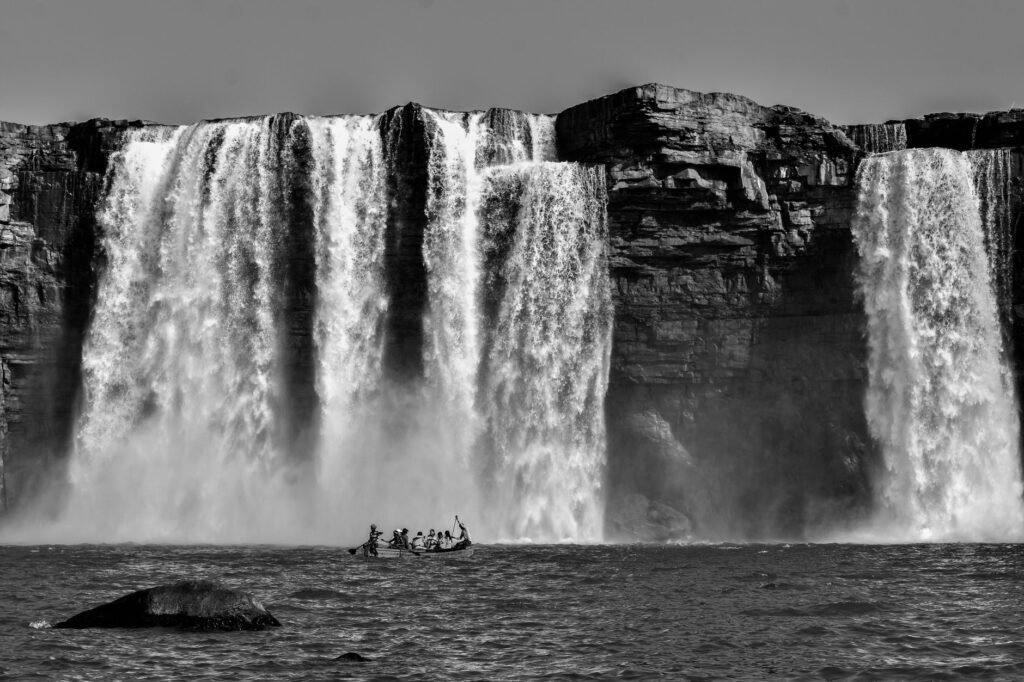
- Chitrakote Falls is widest waterfall in India at 300 meters, best visited during monsoon (July-October) when water volume is at peak
- Located 38 km from Jagdalpur in Bastar district, accessible by road with basic facilities and viewpoints on both sides of the falls
- Boat rides to the base of falls available during dry season (November-May) for closer views and photography opportunities
- Combine visit with nearby Bastar tribal villages, Tirathgarh Falls, and Kanger Valley National Park for complete Bastar experience
- Limited accommodation near falls; stay in Jagdalpur for better options and use it as base for exploring Bastar’s waterfall circuit
- Introduction
- Quick Facts About Chitrakote Falls: The Indravati River and Bastar’s Waterfall Country
- Why Visit Chitrakote Falls: The Indravati River and Bastar’s Waterfall Country
- How to Reach Chitrakote Falls: The Indravati River and Bastar’s Waterfall Country
- Best Time to Visit Chitrakote Falls: The Indravati River and Bastar’s Waterfall Country
- Top Things to Do in Chitrakote Falls: The Indravati River and Bastar’s Waterfall Country
- Where to Stay in Chitrakote Falls: The Indravati River and Bastar’s Waterfall Country
- Local Food & Cuisine
- Practical Travel Tips for Chitrakote Falls: The Indravati River and Bastar’s Waterfall Country
- Final Thoughts
- Frequently Asked Questions
Introduction
Tucked away in the dense forests of Bastar district in southern Chhattisgarh, Chitrakote Falls: The Indravati River and Bastar’s Waterfall Country presents one of India’s most spectacular natural wonders. Often called the “Niagara of India,” this horseshoe-shaped cascade plunges 29 meters across a width of approximately 300 meters during the monsoon season, creating a thunderous symphony that echoes through the tribal heartland of central India. The mighty Indravati River, a lifeline for the region’s indigenous communities, transforms into a roaring torrent here, splitting into multiple streams that crash down into a misty pool below, creating rainbows that dance in the spray-filled air.
What makes Chitrakote Falls truly exceptional isn’t just its impressive dimensions, but its location in the heart of Bastar—a region that remains one of India’s least explored and most culturally rich territories. This is waterfall country, where the Indravati and its tributaries carve through ancient rock formations, creating numerous cascades that dot the landscape. The falls serve as a gateway to understanding tribal India, where Gond and Maria communities have lived for centuries, maintaining traditions that predate recorded history. The surrounding forests teem with biodiversity, making this destination a perfect blend of natural grandeur and cultural immersion.
Unlike the crowded tourist circuits of North India, Chitrakote Falls offers travelers an authentic experience—the chance to witness raw nature’s power while exploring a region where tourism infrastructure is developing but hasn’t yet overwhelmed the destination’s inherent character. Whether you’re standing at the viewing platform feeling the mist on your face or exploring the quiet villages that surround this aquatic marvel, Bastar’s waterfall country promises an adventure that few Indian destinations can match.
Quick Facts About Chitrakote Falls: The Indravati River and Bastar’s Waterfall Country
- Altitude
- 561 meters above sea level
- Height of Falls
- 29 meters (95 feet)
- Width of Falls
- 300 meters during monsoon, 150 meters in dry season
- Best Time to Visit
- October to March (post-monsoon and winter)
- Distance from Jagdalpur
- 39 km (approximately 1 hour drive)
- Distance from Raipur
- 273 km (approximately 6-7 hours drive)
- Nearest Airport
- Swami Vivekananda Airport, Raipur (273 km)
- Nearest Railway Station
- Jagdalpur Railway Station (39 km)
- Permits Required
- No special permits for Indian nationals; foreigners should check with local authorities
- Temperature Range
- Summer: 25-42°C, Winter: 10-28°C, Monsoon: 22-32°C
- Approx Budget per Day
- ₹1,500-₹3,500 (budget to mid-range)
- Entry Fee
- ₹25 per person (Indians), ₹100 per person (foreigners)
Why Visit Chitrakote Falls: The Indravati River and Bastar’s Waterfall Country
Chitrakote Falls stands apart from India’s numerous waterfalls for several compelling reasons. First, its unique horseshoe shape—a geological rarity in the Indian subcontinent—creates a visual spectacle that changes dramatically with the seasons. During peak monsoon (July-August), the falls transform into a raging beast with water volume reaching 7,000 cubic meters per second, rivaling many international cascades in sheer power. The chocolate-brown waters of the Indravati, laden with mineral-rich sediments from the Deccan Plateau, create a distinctive color palette that photographers find irresistible, especially during golden hour when the setting sun illuminates the spray.
Beyond the falls themselves, the surrounding Bastar region offers an unparalleled glimpse into tribal India’s living heritage. The area is home to indigenous communities whose traditions, art forms, and daily lives remain largely unchanged by mainstream modernization. The famous Bastar Dussehra, lasting 75 days, and the region’s distinctive Dhokra metal casting and terracotta crafts provide cultural depth that transforms a simple waterfall visit into a comprehensive cultural expedition. The weekly haats (tribal markets) in nearby villages offer authentic interaction opportunities that few tourist destinations can provide.
The ecological significance of this region cannot be overstated. The Indravati River basin supports dense sal and teak forests that harbor leopards, wild boars, spotted deer, and over 200 species of birds. The Kanger Valley National Park lies within easy reach, famous for its limestone caves including Kotumsar, Kailash, and Dandak caves—some of the longest cave systems in India. This combination of waterfalls, forests, caves, and tribal culture creates a multi-dimensional travel experience that appeals to nature lovers, adventure seekers, cultural enthusiasts, and photographers alike.

How to Reach Chitrakote Falls: The Indravati River and Bastar’s Waterfall Country
By Air: The nearest airport is Swami Vivekananda Airport in Raipur, located 273 km from Chitrakote Falls. The airport has daily connections to Delhi, Mumbai, Bangalore, Kolkata, and other major cities. From Raipur airport, you can hire a taxi for approximately ₹4,500-₹6,000 for the entire journey, or take an airport shuttle to Raipur city center (₹100-₹150) and then catch a bus to Jagdalpur. The drive takes 6-7 hours through scenic countryside, passing through Kanker and Kondagaon.
By Train: Jagdalpur Railway Station, 39 km from the falls, is well-connected to Raipur, Visakhapatnam, and other regional centers. The Visakhapatnam-Kirandul Passenger train connects Jagdalpur with the coast, while the Durg-Jagdalpur Express provides connectivity to northern Chhattisgarh. Train fares range from ₹200-₹800 depending on class. From Jagdalpur station, local buses (₹30-₹50), auto-rickshaws (₹600-₹800), or hired cars (₹1,000-₹1,500) can take you to the falls in approximately one hour.
By Road: Chitrakote Falls is accessible by well-maintained roads from multiple directions. From Raipur, take NH30 through Kanker to Jagdalpur, then State Highway 5 to Chitrakote village. Chhattisgarh State Road Transport Corporation (CSRTC) operates regular buses from Raipur to Jagdalpur (₹300-₹500, 7-8 hours), with departures every 2-3 hours throughout the day. From Jagdalpur, local buses to Chitrakote run three times daily (₹30-₹40, 1.5 hours). Private taxis from Raipur cost ₹5,000-₹7,000 one-way, while from Jagdalpur expect to pay ₹1,200-₹1,800 for a round trip including waiting time.
Self-Drive: For adventurous travelers, self-driving offers flexibility to explore Bastar’s numerous attractions. Car rentals in Raipur cost ₹2,000-₹3,500 per day depending on vehicle type. The route via NH30 is in good condition, though the final 10 km approach to the falls involves narrower roads through villages. Fuel stations are available in Kanker and Jagdalpur, so fill up before the final leg. Navigation apps work reasonably well, though mobile signal can be patchy in forested stretches.
Best Time to Visit Chitrakote Falls: The Indravati River and Bastar’s Waterfall Country
Monsoon Season (July-September): This is when Chitrakote Falls displays its most dramatic personality, with water volume at its absolute peak. The falls expand to their maximum 300-meter width, and the thunderous roar can be heard from kilometers away. However, this period presents challenges—roads can be damaged by heavy rains, leeches are prevalent in forest areas, and the mist from the falls is so dense that photography becomes difficult. The surrounding landscape turns lush green, creating stunning scenery, but accessibility may be compromised. Temperatures range from 22-32°C with high humidity. This season is recommended only for hardcore waterfall enthusiasts willing to brave the elements.
Post-Monsoon (October-November): This represents the ideal window for visiting Chitrakote Falls. Water flow remains substantial—about 60-70% of monsoon levels—while weather conditions are perfect. Clear skies allow for excellent photography, the surrounding forests are still verdant from monsoon rains, and the temperature (18-30°C) is comfortable for extended exploration. The festival season brings added cultural vibrancy, with Dussehra celebrations continuing into October in Bastar. Roads are fully accessible, and all tourist facilities operate normally. Crowds remain moderate as this is before peak tourist season, allowing for a more intimate experience.
Winter (December-February): Winter brings the highest number of domestic tourists, particularly during the Christmas and New Year period. Water flow decreases to about 40-50% of monsoon levels, revealing more of the falls’ geological structure. Temperatures drop to 10-25°C, with mornings quite chilly—perfect weather for trekking and outdoor activities. This is the best time for wildlife spotting in nearby national parks as animals venture out to waterholes. However, early morning mist can obscure views, and popular viewing points get crowded on weekends and holidays. Accommodation prices may increase by 20-30% during peak weeks.
Summer (March-June): Summer sees the falls at their most subdued, with water flow reducing to just 20-30% of monsoon levels. By May and early June, the cascade can split into multiple thin streams rather than a continuous curtain. However, temperatures soaring to 35-42°C make outdoor activities challenging during midday hours. The advantages of visiting during this period include rock bottom accommodation prices, nearly empty viewing platforms, and the opportunity to walk closer to the falls’ edge where water levels are low. Photography enthusiasts appreciate the exposed rock formations and geological features usually hidden by water. This season suits budget travelers and those seeking solitude over spectacle.
Top Things to Do in Chitrakote Falls: The Indravati River and Bastar’s Waterfall Country
Experience the Falls from Multiple Viewing Platforms
The main viewing complex offers three distinct vantage points, each providing unique perspectives of the horseshoe cascade. The upper platform gives a panoramic overview perfect for wide-angle photography, while the middle platform brings you close enough to feel the spray on your face during monsoon season. The lower platform, accessible via 150 steps, takes you near the base where the water’s power is most visceral. During winter evenings, the falls are illuminated with colorful lights from 6:30-8:30 PM, creating a magical atmosphere. Arrive at least two hours before sunset for optimal lighting and to explore all viewpoints without rushing.
Boating Near the Falls
Between October and May, boating facilities operate on the relatively calm waters downstream from the falls. Paddle boats (₹100 per 30 minutes) and rowboats (₹150 per boat for 30 minutes) allow you to approach the falls from water level, providing a thrilling perspective as you feel the vibrations of crashing water. The boating area is carefully demarcated for safety, keeping visitors at a safe distance from dangerous currents. Early morning boating sessions (7-9 AM) offer the best experience with fewer crowds and excellent light for photography, plus the chance to spot freshwater turtles and various waterfowl.
Visit Tirathgarh Falls
Located 35 km from Chitrakote Falls, Tirathgarh presents a completely different waterfall experience—a milky-white cascade tumbling through dense sal forest in multiple stages. The falls drop 300 feet in several tiers, and a well-maintained trail with 300 steps leads down to the base where you can actually stand under the water during low-flow periods. The surrounding forest trail offers excellent birdwatching opportunities with possibilities of spotting paradise flycatchers, hornbills, and numerous butterflies. Hiring a guide from Jagdalpur (₹500-₹800) enhances the experience with detailed information about flora and forest ecology.
Explore Kanger Valley National Park and Caves
Just 27 km from Chitrakote Falls, Kanger Valley National Park protects 200 square kilometers of pristine forest containing the magnificent Kotumsar Caves—one of India’s longest limestone cave systems. The main chamber extends over 1 km underground featuring stunning stalactite and stalagmite formations, some resembling Hindu deities (hence the cave’s alternative name, Kailash Cave). Cave entry costs ₹50 per person with mandatory guide service (₹200 per group). The park itself requires a separate entry fee of ₹150 per person plus ₹500 for cameras. Plan an entire day for the national park combining cave exploration with a jeep safari (₹2,500-₹3,500 for 3-4 hours) through sal and bamboo forests.
Experience Tribal Markets and Villages
Bastar’s weekly haats (markets) provide extraordinary cultural immersion where tribal communities from surrounding villages gather to trade goods, socialize, and maintain centuries-old traditions. The Jagdalpur main market operates on Sundays, while smaller haats occur in various villages throughout the week. Here you’ll find tribal women selling forest produce, handwoven textiles, bamboo crafts, and local liquor like mahua. Photography requires sensitivity and permission, but most locals are friendly. Hiring a local guide who speaks tribal dialects (₹600-₹1,000 per day) transforms the experience from observation to genuine interaction and understanding.

Photography Expeditions and Nature Walks
The area surrounding Chitrakote Falls offers exceptional opportunities for nature and landscape photography. Sunrise photography from the upper platform (6:30-7:30 AM) captures the falls in soft golden light with minimal crowds, while sunset shots (5:30-6:30 PM) provide dramatic silhouettes and warm tones. During monsoon months, long-exposure shots of the raging waters create ethereal, misty effects. The forest trails between Chitrakote and nearby villages offer opportunities to photograph rural life, bullock carts, traditional homes, and agricultural activities. Professional photography guides specializing in Bastar’s landscapes can be hired through Jagdalpur hotels (₹1,500-₹2,500 per day) for optimal shot locations and timing.
Where to Stay in Chitrakote Falls: The Indravati River and Bastar’s Waterfall Country
Budget Options: Accommodation options near Chitrakote Falls itself are limited, with most travelers basing themselves in Jagdalpur. The Chhattisgarh Tourism Board’s Naman Bastar offers clean, functional rooms starting at ₹800-₹1,200 per night with attached bathrooms and basic amenities. Hotel Rainbow in Jagdalpur provides budget rooms at ₹600-₹1,000, with the advantage of an in-house restaurant serving decent North Indian fare. For shoestring travelers, Anand Lodge offers spartan but clean accommodation at ₹400-₹700 per night. Directly at Chitrakote village, Chitrakote Guest House (run by Forest Department) provides basic rooms at ₹500-₹800, offering the unique advantage of being walking distance from the falls, though amenities are minimal and advance booking is essential through the DFO office in Jagdalpur.
Mid-Range Options: Hotel Aakashdeep Palace in Jagdalpur is a reliable mid-range choice with well-maintained rooms (₹1,500-₹2,500), air conditioning, Wi-Fi in common areas, and a decent restaurant serving both vegetarian and non-vegetarian meals. Naman Bastar Resort by Chhattisgarh Tourism offers comfortable cottages at ₹2,000-₹3,500 in a garden setting with cultural programs in the evening and guided tours that can be arranged through the property. Shiva Regency provides contemporary rooms at ₹1,800-₹2,800 with modern bathrooms, television, and 24-hour room service. These properties maintain decent standards while reflecting local character through architectural elements and regional cuisine in their restaurants.
Splurge Options: Luxury options in Bastar are limited compared to mainstream tourist circuits, but Naman Bastar Executive represents the top tier locally, offering premium rooms at ₹3,500-₹5,500 with air conditioning, contemporary furnishings, and the best in-room amenities available in the district. Bastar Jungle Resort, located 15 km from Jagdalpur, provides an eco-luxury experience in forest cottages (₹4,000-₹6,500) with naturalist-guided walks, cultural performances, and organic meals featuring tribal recipes. For those seeking truly unique accommodation, some operators arrange homestays in tribal villages (₹2,000-₹3,500 including meals) where you stay with local families, participate in daily activities, and gain authentic insights into Bastar’s indigenous cultures—these require advance arrangement through specialized tour operators in Jagdalpur.
Local Food & Cuisine
Bastar’s cuisine reflects its tribal heritage with distinctive dishes rarely found elsewhere in India. Jaangora (jowar) roti serves as the staple bread, typically accompanied by chutney made from red ants and their eggs (chaprah)—a protein-rich delicacy that tastes surprisingly pleasant with a citrusy tang. The ants are collected during specific seasons from mango and jamun trees. Another must-try is bamboo shoot curry (kochro), where tender bamboo shoots are cooked with local spices and sometimes fish or mushrooms, creating an earthy, slightly sour flavor profile unique to the region.
Petha in Bastar differs entirely from the North Indian sweet of the same name—here it refers to a savory vegetable stew made with locally grown vegetables, lentils, and minimal spices, allowing the natural flavors to dominate. Bore baasi, fermented rice soaked overnight and eaten cold, serves as a traditional breakfast item that locals swear by for sustained energy during hot weather. The fermentation process creates a slightly sour taste and aids digestion. For adventurous palates, mushroom dishes featuring varieties collected from sal forests during monsoon season offer complex, umami-rich flavors—some varieties found here don’t even have standardized names outside tribal communities.
In Jagdalpur, Maa Danteshwari Restaurant near the main bus stand offers the most authentic tribal cuisine with meals ranging from ₹100-₹250. Their chaprah chutney thali provides a safe introduction to local flavors. Hotel Aakashdeep’s restaurant serves both tribal specialties and familiar North and South Indian dishes (₹150-₹350 per meal), ideal for mixed groups where not everyone wants to experiment. Rainbow Restaurant specializes in non-vegetarian tribal preparations including wild boar (when available) and various game meats at ₹200-₹400 per dish. For street food enthusiasts, the evening food stalls near Jagdalpur’s City Center offer local snacks like bafla (roasted wheat balls eaten with ghee and dal), bobatlu (sweet fried dumplings), and various fritters made with seasonal vegetables at ₹30-₹80 per portion.

Practical Travel Tips for Chitrakote Falls: The Indravati River and Bastar’s Waterfall Country
Permits and Documentation: Indian citizens require no special permits to visit Chitrakote Falls or most areas of Bastar. However, foreign nationals should register with the local police station in Jagdalpur—a simple formality requiring passport copies and accommodation details. This registration is free but mandatory. If planning to visit interior villages or areas near the Odisha border, check current security situations as some pockets occasionally have restrictions due to Naxalite activity, though tourist areas remain safe and well-patrolled.
Mobile Network and Connectivity: BSNL and Airtel provide the most reliable coverage in Chitrakote and Jagdalpur areas, while Jio and Vi have spotty service with frequent signal drops. At the falls itself, expect limited connectivity. Internet speeds remain slow throughout Bastar—don’t expect to upload high-resolution photos or stream videos. Many hotels offer Wi-Fi but bandwidth is limited. Download offline maps (Google Maps or Maps.me) before arriving, and inform family members that communication may be intermittent during your visit.
Banking and ATM Facilities: Jagdalpur has multiple ATMs (State Bank of India, Punjab National Bank, Bank of India) but Chitrakote village has no ATM facilities. Withdraw sufficient cash in Jagdalpur as cards are accepted only at select hotels and restaurants. Smaller establishments, local transport, and market purchases require cash. The nearest reliable ATM to the falls is 25 km away. Budget approximately ₹3,000-₹5,000 cash per person for 2-3 days beyond accommodation costs already paid.
Medical Facilities: Medical infrastructure in Bastar is basic. Jagdalpur has a district hospital and a few private clinics that can handle minor ailments and injuries. For serious medical issues, Raipur (273 km) offers proper hospital facilities. Carry a comprehensive first-aid kit including antiseptic cream, bandages, anti-diarrheal medication, antihistamines, pain relievers, and any prescription medicines you need. Water-borne diseases are a risk—drink only bottled or boiled water. The humid conditions can cause fungal infections, so include antifungal powder. Insect repellent is essential to prevent mosquito and leech bites.
What to Pack: Footwear is critical—bring sturdy waterproof trekking shoes with good grip for navigating slippery surfaces around the falls and forest trails. Pack quick-dry clothing as humidity remains high and laundry facilities are limited. A good quality raincoat or poncho is essential year-round as sudden showers occur even in winter. For photography enthusiasts, bring protective covers for equipment against moisture and dust. A powerful flashlight helps during early morning visits and cave exploration. Modest clothing is appropriate when visiting tribal villages—avoid shorts and sleeveless tops. Sun protection (hat, sunglasses, SPF 50+ sunscreen) is crucial as the sun’s intensity can be severe despite tree cover.
Safety Considerations: While Chitrakote Falls is generally safe, follow basic precautions. Never swim in the river near the falls—currents are deceptively powerful and have caused fatalities. During monsoon, stay well back from edges as rocks become slippery and sudden water surges occur. When visiting tribal markets or villages, ask permission before photographing people—many communities believe cameras capture souls. Some may request small payments (₹10-₹20) for photos. Travel during daylight hours on roads between Jagdalpur and Chitrakote. While security has improved dramatically, avoid discussing politics or the Naxalite situation with locals. Women travelers face no specific issues but joining other tourists or hiring guides for village visits adds comfort.
Responsible Tourism Practices: Bastar’s tribal communities and natural environment are fragile. Avoid buying souvenirs made from animal parts, endangered wood species, or items that appear to be genuine tribal ritual objects—these should remain with communities. When photographing tribal people, build rapport first rather than treating them as exotic subjects. Never distribute money, pens, or candies to children as this encourages begging. If you want to contribute, support legitimate NGOs working in the area. Carry reusable water bottles and bags—plastic waste management is poor in the region. Stay on designated paths around the falls to prevent erosion and vegetation damage. The tribal communities here have protected these forests for centuries; as visitors, we must respect and support their conservation ethos.
Final Thoughts
Chitrakote Falls: The Indravati River and Bastar’s Waterfall Country represents far more than a single natural attraction—it’s a portal into one of India’s most distinctive and least commercialized regions. The raw power of the falls, the mesmerizing horseshoe cascade that rivals international wonders, serves as an introduction to a broader landscape where nature and culture interweave in ways increasingly rare in 21st-century India. Whether you’re standing at the viewing platform with mist cooling your face, negotiating for bamboo crafts at a village haat, or exploring ancient limestone caves carved by prehistoric rivers, Bastar offers experiences that transcend typical tourist itineraries.
This is not a destination for those seeking luxury resorts, predictable experiences, or Instagram-ready sanitized culture. It’s for travelers who value authenticity over comfort, who want to understand India’s incredible diversity beyond postcard images. The journey to Chitrakote Falls requires effort—long drives through rural landscapes, basic accommodation, spicy food that might challenge your palate, and interactions that push you beyond your comfort zone. But these very challenges transform a simple waterfall visit into something memorable and meaningful. As tourism develops in Chhattisgarh, now is the perfect time to experience Bastar before inevitable changes arrive. Pack your sense of adventure along with your raincoat, approach with respect and openness, and let the Indravati River’s thunderous cascade welcome you to India’s waterfall country.
- Visit the left bank viewpoint during sunset (October-March) for spectacular golden light on the horseshoe-shaped cascade with minimal crowds
- Hire local tribal guides from Chitrakote village for access to lesser-known viewpoints and understanding of Indravati River’s cultural significance
- Carry sufficient cash as ATMs are limited; nearest reliable ATMs are in Jagdalpur, 38 km away
- Book CGTB (Chhattisgarh Tourism Board) guesthouse in advance during peak season as private accommodation options near falls are extremely limited
- Combine Chitrakote with early morning visit to nearby Chitrakoot village weekly haat (market) on Sundays to experience authentic Bastar tribal culture
Frequently Asked Questions about Chitrakote Falls: The Indravati River and Bastar’s Waterfall Country
Chitrakote Falls plunges 29 meters (95 feet) in height and spans approximately 300 meters in width during the monsoon season, reducing to about 150 meters during the dry season. Often called the “Niagara of India,” this horseshoe-shaped cascade on the Indravati River creates a spectacular natural wonder in Bastar district.
The best time to visit Chitrakote Falls is from October to March, covering the post-monsoon and winter seasons. During this period, the falls maintain impressive water flow from the monsoon while offering pleasant weather conditions for sightseeing and exploration of the surrounding Bastar region.
Chitrakote Falls is located 39 km from Jagdalpur, which takes approximately 1 hour by road. Jagdalpur Railway Station is the nearest railhead at 39 km, while Swami Vivekananda Airport in Raipur is 273 km away (approximately 6-7 hours drive).
Chitrakote Falls is called the “Niagara of India” due to its impressive horseshoe-shaped cascade that resembles the famous Niagara Falls. The falls’ width of 300 meters during monsoon and its 29-meter drop create a thunderous spectacle as the Indravati River splits into multiple streams, generating mist and rainbows similar to its North American counterpart.
No special permits are required for Indian nationals to visit Chitrakote Falls. The waterfall is accessible to tourists and serves as a gateway to exploring the Bastar region, though it’s located in the tribal heartland of Chhattisgarh where indigenous Gond and Maria communities live.
Chitrakote Falls is situated at 561 meters above sea level in the Bastar district of southern Chhattisgarh. The region is special because it remains one of India’s least explored territories, rich in tribal culture with Gond and Maria communities maintaining centuries-old traditions, and features numerous waterfalls where the Indravati River and tributaries carve through ancient rock formations surrounded by dense, biodiverse forests.