
Travel guide
Chorao Island
Mangroves and Birdwatching in Goa
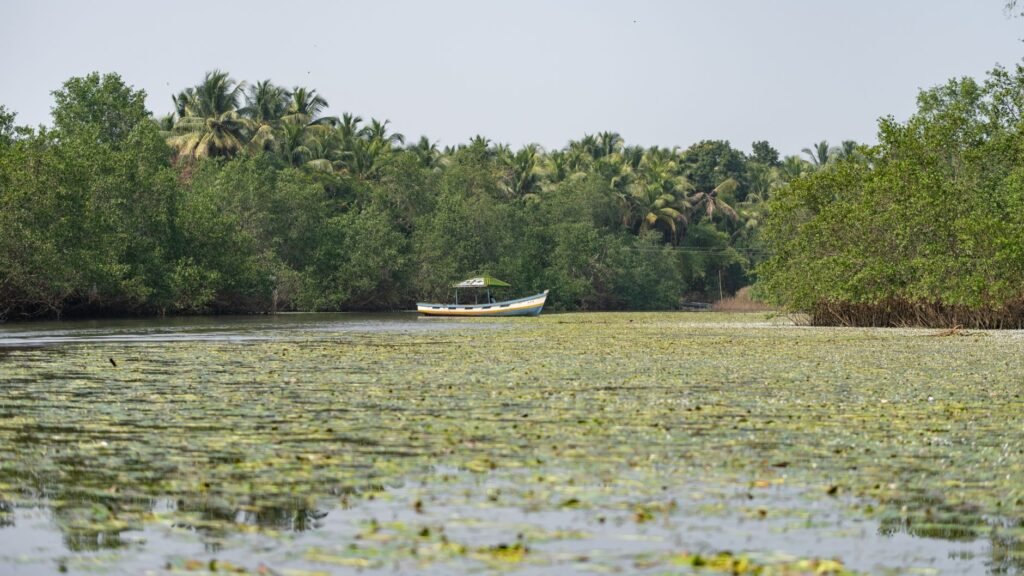
- Chorao Island is home to the Dr. Salim Ali Bird Sanctuary, Goa’s premier birdwatching destination with over 400 species including kingfishers and herons.
- The best time for birdwatching is early morning between October and March when migratory birds arrive at the mangrove sanctuary.
- Ferry access from Ribandar makes Chorao Island easily reachable, with the crossing taking just 5 minutes across the Mandovi River.
- Guided boat tours through the mangrove channels offer the best wildlife viewing experience and cost approximately ₹300-500 per person.
- The island maintains a peaceful, rural Goan character with Portuguese-era churches and traditional village life away from tourist crowds.
- Introduction
- Quick Facts About Chorao Island: Mangroves and Birdwatching in the Mandovi
- Why Visit Chorao Island: Mangroves and Birdwatching in the Mandovi
- How to Reach Chorao Island: Mangroves and Birdwatching in the Mandovi
- Best Time to Visit Chorao Island: Mangroves and Birdwatching in the Mandovi
- Top Things to Do in Chorao Island: Mangroves and Birdwatching in the Mandovi
- Where to Stay in Chorao Island: Mangroves and Birdwatching in the Mandovi
- Local Food & Cuisine
- Practical Travel Tips for Chorao Island: Mangroves and Birdwatching in the Mandovi
- Final Thoughts
- Frequently Asked Questions
Introduction
Nestled in the serene waters of the Mandovi River in North Goa, Chorao Island: Mangroves and Birdwatching in the Mandovi offers an enchanting escape from the sun-soaked beaches and vibrant nightlife that typically define Goa. This verdant island, spanning approximately 17 square kilometres, is a haven for nature enthusiasts, birdwatchers, and travelers seeking an authentic slice of Goan rural life. As the largest island along the Mandovi River, Chorao presents a remarkable ecosystem where dense mangrove forests meet traditional Goan villages, creating a unique landscape that remains largely unexplored by mainstream tourism.
What makes Chorao Island truly special is the Dr. Salim Ali Bird Sanctuary, a protected wetland area that sprawls across the western tip of the island. Named after India’s legendary ornithologist, this sanctuary is a biodiversity hotspot where migratory and resident bird species thrive among the intricate root systems of mangroves. The island’s tranquil backwaters, punctuated by traditional ferry crossings and small fishing boats, create an atmosphere of timeless serenity that contrasts beautifully with the bustling beaches just a few kilometres away.
Chorao Island represents a different dimension of Goa—one where the rhythm of life follows the tides, where ancient Portuguese-era churches stand alongside traditional Goan houses, and where the melodious calls of kingfishers and egrets replace the sounds of party music. For travelers willing to venture beyond the conventional tourist circuit, this island promises an enriching experience that combines wildlife watching, cultural immersion, and the simple pleasure of slow travel through one of Goa’s most pristine natural environments.
Quick Facts About Chorao Island: Mangroves and Birdwatching in the Mandovi
- Altitude
- Sea level to 5 meters above sea level
- Best Time to Visit
- October to March (November to February for peak birdwatching)
- Distance from Panaji
- 6 km from the city centre
- Nearest Airport
- Goa International Airport (Dabolim) – 35 km
- Nearest Railway Station
- Karmali Railway Station – 2 km (connected by ferry)
- Permits Required
- No special permits; Bird Sanctuary entry ₹50 for Indians, ₹300 for foreigners
- Temperature Range
- Winter: 20-30°C, Summer: 25-35°C, Monsoon: 24-30°C
- Approximate Budget per Day
- ₹2,000-₹4,000 (including accommodation, meals, and activities)
Why Visit Chorao Island: Mangroves and Birdwatching in the Mandovi
Chorao Island stands apart as one of Goa’s most significant ecological treasures, offering experiences that cannot be replicated elsewhere in the state. The Dr. Salim Ali Bird Sanctuary alone is home to over 400 species of birds, including rare migratory visitors from Siberia, Europe, and other parts of Asia. During peak migration season, birdwatchers can spot the Greater Flamingo, Black-bittern, Red Knot, Curlew Sandpiper, and the elusive Striated Heron navigating through the mangrove channels.
The mangrove ecosystem here is among the best-preserved in Goa, featuring species like Rhizophora, Avicennia, and Sonneratia that create a complex network of waterways and mudflats. These mangroves serve as natural nurseries for fish and crustaceans, support a thriving population of mudskippers and crabs, and act as crucial carbon sinks. Walking through the raised wooden pathways within the sanctuary provides an intimate encounter with this vital ecosystem, where the interplay of freshwater from the river and saltwater from the Arabian Sea creates a unique brackish environment.
Beyond its natural significance, Chorao Island preserves authentic Goan village culture that has remained relatively untouched by commercial tourism. The island is home to several centuries-old churches, including the Church of St. Bartholomew, built in 1569, showcasing exquisite Portuguese-era architecture. The traditional Goan houses with their distinctive red-tiled roofs, whitewashed walls, and ornate balconies provide glimpses into a lifestyle that has endured for generations. The island’s agricultural landscape, with paddy fields and coconut groves, offers urban travelers a refreshing perspective on rural Goan life.
What truly distinguishes Chorao from other destinations is its accessibility combined with its sense of remoteness. Despite being just minutes away from Panaji by ferry, the island maintains an atmosphere of peaceful isolation. The absence of motorized tourism infrastructure means that exploration here is intimate and unhurried—whether by kayak through narrow mangrove channels, by bicycle along village roads, or on foot through the sanctuary’s boardwalks. This combination of proximity to urban amenities and genuine wilderness makes Chorao Island an exceptional destination for sustainable ecotourism.

How to Reach Chorao Island: Mangroves and Birdwatching in the Mandovi
By Air: The nearest airport is Goa International Airport at Dabolim, located approximately 35 km from Chorao Island. From the airport, you can hire a prepaid taxi to Ribandar (the ferry point for Chorao) for approximately ₹900-₹1,200. The journey takes about 45-60 minutes depending on traffic. Alternatively, you can take a taxi to Panaji (30 km, ₹700-₹900) and then proceed to Ribandar, which is 4 km from Panaji city centre.
By Train: Karmali Railway Station, located just across the river from Chorao Island, is the most convenient railhead, situated merely 2 km away. From Karmali, you can take a local auto-rickshaw to the Ribandar ferry point (₹50-₹80) or walk to the nearby Pomburpa ferry point. Madgaon Railway Station (40 km away) is the other major station, from where taxis charge ₹1,000-₹1,400 to reach Chorao. Thivim Railway Station (25 km) is another option, with taxi fares around ₹700-₹900.
By Road and Ferry: Chorao Island is accessible via three ferry points from the mainland. The most popular route is from Ribandar, located 6 km from Panaji, with ferries running every 15-20 minutes from 6:00 AM to midnight. The ferry ride is free for pedestrians and costs ₹15-₹20 for two-wheelers and ₹30-₹40 for cars. From Panaji, local buses to Old Goa stop at Ribandar (bus fare ₹10-₹15). The Pomburpa ferry connects to Karmali, while the Chorao-Naroa ferry links to other parts of North Goa. The ferry journey itself takes approximately 5 minutes and offers beautiful views of the Mandovi River.
By Private Vehicle: If driving from Panaji, take the NH66 towards Old Goa, turn at Ribandar junction, and proceed to the ferry point. From South Goa (Margao), the journey covers approximately 40 km via NH66 and takes about 1.5 hours (₹1,200-₹1,500 by taxi). From popular beach areas like Calangute or Candolim (15 km away), expect taxi fares of ₹400-₹600. Many travelers prefer hiring two-wheelers in Panaji (₹300-₹500 per day) for exploring the island, as the roads are relatively traffic-free and ideal for leisurely cycling or scooting.
Best Time to Visit Chorao Island: Mangroves and Birdwatching in the Mandovi
Winter (November to February): This is unequivocally the best time to visit Chorao Island, particularly for birdwatching enthusiasts. The winter months coincide with the peak migration season when thousands of birds from colder regions arrive at the sanctuary. The weather is perfect, with daytime temperatures ranging from 20-28°C, low humidity, and clear skies. Early morning boat rides through the mangroves are particularly rewarding, with excellent visibility and active bird behavior. This is also the peak tourist season in Goa, though Chorao remains relatively less crowded than the beaches. Ferry services run smoothly, and all facilities are fully operational. November through mid-December offers the advantage of fewer crowds while still providing excellent birdwatching opportunities.
Spring (March to May): The post-winter months see temperatures gradually rising from 25°C to 35°C, with increasing humidity levels. While many migratory birds begin their journey back, resident bird species remain active, and the mangrove ecosystem continues to thrive. March is still pleasant for visits, especially in the early morning and late evening hours. By April and May, the heat can be intense, making midday excursions challenging. However, this period offers advantages for budget travelers, as accommodation prices drop significantly (20-40% less than peak season). The island’s villages are quieter, ferry waiting times are minimal, and you’ll have the sanctuary trails almost to yourself. Early morning visits to the bird sanctuary remain feasible and rewarding.
Monsoon (June to September): The monsoon transforms Chorao Island into a lush, emerald paradise, with the mangroves at their most verdant. However, this season presents significant challenges for visitors. Heavy rainfall, particularly in July and August, can disrupt ferry services temporarily, though the main Ribandar ferry usually continues operating except during extreme weather. The Dr. Salim Ali Bird Sanctuary remains open, but the wooden boardwalks can become slippery, and boat tours through the mangroves may be suspended during heavy rains. Birdwatching is less rewarding as many species seek shelter. That said, the monsoon has its own charm—the island is at its most photogenic, waterfalls in nearby areas are flowing, and the air is fresh and cool (24-30°C). This season is ideal for travelers seeking solitude and not specifically focused on birdwatching.
Early Autumn (October): October marks the transition period as the monsoons recede and the landscape remains lush while weather conditions improve. This is an excellent time for photography, as the post-monsoon light is beautiful and the vegetation is at its peak greenness. Early migratory birds begin arriving by late October. Temperatures are moderate (24-30°C) with occasional showers. Tourist crowds haven’t yet peaked, making it a sweet spot for visiting. Ferry services are fully operational, and accommodation prices are still at off-season rates. The only minor drawback is that some days might still see overcast skies or brief showers, but these rarely disrupt travel plans significantly.
Top Things to Do in Chorao Island: Mangroves and Birdwatching in the Mandovi
Explore the Dr. Salim Ali Bird Sanctuary
The crown jewel of Chorao Island, this sanctuary sprawls across 1.8 square kilometres of protected mangrove habitat and is an absolute must-visit for nature enthusiasts. The sanctuary features well-maintained wooden boardwalks that wind through dense mangrove forests, allowing visitors to explore without disturbing the ecosystem. Early morning visits (6:30-9:00 AM) offer the best birdwatching opportunities when species like kingfishers, egrets, herons, cormorants, and sandpipers are most active. During peak migration season, you might spot rarities like the Western Reef Heron or the Greater Flamingo. Binoculars are essential, and hiring a local guide (₹300-₹500 for a 2-hour tour) significantly enhances the experience as they can identify bird calls and spot camouflaged species. The sanctuary also serves as an excellent introduction to mangrove ecology, with interpretive boards explaining the importance of these coastal forests.
Kayaking Through Mangrove Channels
Few experiences rival the tranquility of paddling a kayak through Chorao’s intricate network of mangrove-lined waterways at sunrise. Several tour operators in Panaji and on the island itself offer guided kayaking expeditions (₹1,500-₹2,500 per person for 2-3 hours), providing equipment and experienced guides. As you silently glide through narrow channels, the tangled roots of mangroves create a mysterious, tunnel-like environment teeming with life. You’ll encounter mudskippers performing their curious terrestrial hops, crabs scuttling across exposed roots, and water birds hunting in the shallows. The perspective from water level offers photographic opportunities impossible to capture from land. Most kayaking tours include insights into the mangrove ecosystem and its crucial role in coastal protection and marine biodiversity. No prior kayaking experience is necessary, making this accessible to most fitness levels.
Visit the Historic Church of St. Bartholomew
Built in 1569, this magnificent church stands as a testament to Chorao’s Portuguese colonial heritage and ranks among Goa’s oldest religious structures. The church’s architecture beautifully blends European baroque elements with local craftsmanship, featuring an ornate altar, impressive murals, and a serene courtyard. The feast of St. Bartholomew, celebrated annually on August 24th, transforms the church into a vibrant center of Goan Catholic tradition, with processions, music, and community feasting. Even outside festival times, the church provides a peaceful retreat and a fascinating glimpse into the island’s history. The surrounding area, with traditional Goan houses and village squares, is perfect for leisurely walks. Photography enthusiasts will appreciate the church’s facade during golden hour when the setting sun bathes the whitewashed walls in warm light.

Cycling Through Traditional Villages
Chorao Island’s flat terrain and minimal traffic make it ideal for cycling exploration, allowing you to experience authentic Goan village life at a relaxed pace. Several guesthouses rent bicycles (₹200-₹300 per day), or you can bring your own on the ferry. Cycle through paddy fields where farmers still practice traditional cultivation methods, past centuries-old Portuguese mansions with their distinctive architecture, and through quiet village lanes where life unfolds at a timeless pace. Stop at small village shops for fresh coconut water (₹30-₹40) or interact with friendly locals who are often delighted to share stories about island life. The 15-kilometre circuit around the island takes approximately 3-4 hours with stops, revealing hidden temples, old wells, and picturesque river views. The absence of steep hills makes this suitable even for occasional cyclists, while the experience provides cultural immersion impossible to achieve in motorized transport.
Boat Tours Along the Mandovi River
While distinct from the sunset cruises that depart from Panaji, boat tours specifically focused on Chorao’s ecosystem offer a different perspective of the island and its surroundings. Local boatmen (₹800-₹1,200 for a private 1-hour tour for up to 4 people) navigate smaller, traditional boats along the quieter stretches of the Mandovi, allowing close-up views of the island’s shoreline, mangrove forests from the water, and bird colonies in areas inaccessible by foot. These tours typically venture into narrower tributaries where wildlife encounters are more intimate and frequent. During low tide, the exposed mudflats attract numerous shorebirds and wading species. The local boatmen possess extensive knowledge of the river’s ecology, tidal patterns, and seasonal changes, making these tours both educational and scenic. Sunrise tours are particularly magical when mist rises from the water and the island awakens with bird calls.
Witness Traditional Fishing Methods
Chorao’s fishing community maintains traditional methods passed down through generations, offering visitors a unique window into sustainable fishing practices. Early morning visits to the ferry points or riverbanks often reveal fishermen using cast nets, basket traps, and stake nets designed specifically for the estuarine environment. Some local families offer experiential tours (₹500-₹800 per person) where visitors can accompany them during morning fishing expeditions, learn net-casting techniques, and understand how tidal cycles dictate fishing strategies. The catch typically includes pomfret, mackerel, prawns, and various estuarine fish species. This experience connects visitors directly with the livelihood that has sustained island communities for centuries and highlights the delicate balance between human activity and ecosystem preservation. Many tours conclude with the opportunity to purchase ultra-fresh seafood directly from fishermen at incredibly reasonable prices.
Birdwatching at Cumbarjua Canal
The Cumbarjua Canal, which forms part of Chorao’s southern boundary, is an underrated birdwatching hotspot separate from the main sanctuary. This tidal canal connecting the Mandovi and Zuari rivers creates a unique habitat where freshwater and saltwater species intermingle. The canal banks and adjacent wetlands attract species like the Purple Heron, Brahminy Kite, White-breasted Waterhen, and various kingfisher species. The area is also famous for occasional sightings of the rare saltwater crocodiles (mugger crocodiles), though encounters are infrequent. Early morning walks along the canal offer peaceful birdwatching with fewer visitors than the main sanctuary. Local guides familiar with the area (₹400-₹600 for 2 hours) can position you at optimal viewing spots and help identify species by their calls. The surrounding landscape of coconut palms and rice paddies creates a quintessentially Goan setting that’s perfect for nature photography beyond just birds.
Where to Stay in Chorao Island: Mangroves and Birdwatching in the Mandovi
Budget Options (₹800-₹2,000 per night)
Chorao Island itself has limited but charming budget accommodation options, primarily consisting of homestays that offer authentic experiences with local families. Maria’s Homestay near Chorao village provides basic but clean rooms (₹1,000-₹1,500 per night) with home-cooked Goan meals available on request (₹200-₹300 per meal). The warm hospitality and local insights from your hosts are invaluable. Island Nest Homestay offers similar pricing and includes bicycle rental in their packages. Many budget travelers choose to stay in nearby Panaji at properties like OYO hotels (₹900-₹1,500 per night) or Zostel Goa (₹600-₹1,200 for dorm beds), making day trips to Chorao Island. This approach provides more dining and entertainment options while keeping costs low. Guest houses near Ribandar ferry point, such as River View Guest House (₹1,200-₹1,800 per night), offer convenient access to the island while maintaining budget-friendly rates.
Mid-Range Options (₹2,500-₹5,000 per night)
Chorao Island Resort offers comfortable cottages (₹3,500-₹4,500 per night) with air conditioning, modern bathrooms, and a small restaurant serving Goan and Indian cuisine. The property organizes guided birdwatching tours and kayaking expeditions for guests. Soul Vacation, a boutique property on the island, features well-appointed rooms (₹4,000-₹5,000 per night) with eco-friendly amenities, a swimming pool, and a focus on sustainable tourism. Their in-house naturalist conducts complimentary nature walks for guests. In nearby Panaji, Panjim Inn (₹3,000-₹4,500 per night) and The Heritage Suites (₹3,500-₹5,000 per night) offer heritage accommodation in restored Portuguese mansions, with easy access to Chorao Island via a short taxi ride to the ferry. Wildernest Chorla, though slightly farther (45 km), provides jungle accommodation for those wanting to combine Chorao’s birdwatching with Western Ghats exploration (₹4,500-₹6,000 per night including meals).
Luxury/Splurge Options (₹6,000+ per night)
While Chorao Island itself doesn’t host luxury resorts, nearby options provide upscale comfort with convenient island access. Vivanta by Taj Panaji (₹8,000-₹12,000 per night) offers five-star amenities, riverside views, and can arrange private guided tours to Chorao Island. The Panjim Boutique Hotel (₹6,500-₹9,000 per night) combines luxury with heritage charm in restored Indo-Portuguese buildings. For eco-luxury, Mayfair Hideaway Spa Resort near Old Goa (₹7,000-₹10,000 per night) provides wellness-focused accommodation just 8 km from Chorao Island. Planet Hollywood Beach Resort in Utorda (₹10,000-₹15,000 per night), though beach-focused, can arrange customized day excursions to Chorao with private naturalist guides. Some luxury travelers opt for private villa rentals on the island itself (₹8,000-₹15,000 per night), bookable through specialized platforms, offering complete privacy and often including household staff and private chefs who prepare authentic Goan cuisine.

Local Food & Cuisine
Chorao Island’s culinary scene reflects authentic Goan village food, emphasizing fresh seafood, traditional Hindu-Goan vegetarian dishes, and Catholic-Goan specialties influenced by Portuguese cuisine. The island’s restaurants are small and family-run, offering home-style cooking rather than fancy presentations.
Must-Try Dishes: Fish Curry Rice is the quintessential Goan meal—locally caught fish (often pomfret, kingfish, or mackerel) cooked in coconut-based red curry with kokum (a souring agent), served with steamed rice. The island’s proximity to fishing grounds ensures exceptional freshness. Prawn Balchão, a tangy-spicy prawn pickle preparation with vinegar and dried red chilies, showcases Portuguese influence and pairs perfectly with sannas (soft, fermented rice cakes). Chonak (a local fish similar to barramundi) prepared as recheiado (stuffed with spicy red masala) is a specialty worth seeking out. For vegetarians, Tonak—a mild, coconut-based curry with onions and sometimes dried peas—represents traditional Hindu-Goan cuisine. Don’t miss Bebinca, Goa’s famous multi-layered dessert made with coconut milk, eggs, and jaggery, though it’s more commonly found in Panaji bakeries than on the island itself.
Where to Eat: Anita’s Kitchen near Chorao village serves exceptional home-cooked meals (₹200-₹400 per thali) featuring daily catch and seasonal vegetables, though it’s best to call ahead as they cook on demand. Xavier’s Fish Curry Rice, a simple eatery near the ferry point, offers the most authentic fish curry rice experience (₹150-₹250) with generous portions and incredibly fresh seafood. Island Spice Restaurant at Chorao Island Resort provides more varied menu options (₹300-₹600 per dish) including both Goan and North Indian cuisine in a comfortable setting. For the best traditional Catholic-Goan food, Maria’s Kitchen (₹250-₹500 per meal, by pre-order) prepares elaborate multi-course meals including sorpotel, vindaloo, and sannas. Many visitors also pack picnic lunches from Panaji’s bakeries like Cafe Bodega or Viva Panjim (₹150-₹300 for sandwiches and snacks) to enjoy while birdwatching.
The island has limited dining infrastructure, so travelers should plan meal times accordingly. Most homestays offer cooking demonstrations (₹500-₹800 per person) where you can learn to prepare traditional dishes using locally sourced ingredients and traditional cooking methods. For fresh produce, the small daily market near Chorao village (mornings only) sells seasonal fruits, vegetables, and spices. Many serious food enthusiasts combine their Chorao visit with culinary explorations in Panaji’s Fontainhas neighborhood, just 15 minutes away by ferry and taxi, where numerous restaurants specialize in Goan-Portuguese fusion cuisine.
Practical Travel Tips for Chorao Island: Mangroves and Birdwatching in the Mandovi
Permits and Entry Fees: No special permits are required to visit Chorao Island itself or to stay overnight. However, entry to the Dr. Salim Ali Bird Sanctuary requires a fee: ₹50 for Indian nationals and ₹300 for foreign tourists. Children below 12 years typically enter free or at reduced rates (₹20). Camera fees are ₹50 for still cameras and ₹500 for professional video equipment. The sanctuary is open from 6:00 AM to 6:00 PM, though the best viewing hours are early morning (6:30-9:30 AM) and late afternoon (3:30-6:00 PM). Ferry crossings are free for pedestrians; two-wheelers cost ₹15-₹20 and cars ₹30-₹40 per crossing.
Mobile Network and Connectivity: Major Indian mobile networks (Jio, Airtel, Vi) provide reliable coverage on Chorao Island, though signal strength may weaken in dense mangrove areas within the sanctuary. Most homestays and resorts offer Wi-Fi, though speeds may be modest compared to urban areas. It’s advisable to download offline maps and birdwatching apps before visiting. The sanctuary itself has limited connectivity, which many visitors appreciate as it encourages disconnecting from digital distractions.
Banking and ATM Facilities: Chorao Island has limited banking infrastructure. There’s one ATM near the main village, but it occasionally runs out of cash, especially on weekends. It’s crucial to withdraw sufficient cash in Panaji or at the airport before visiting, as card payment facilities are virtually non-existent except at a few established resorts. Most homestays, local guides, and small eateries only accept cash. The nearest reliable ATMs and bank branches are in Panaji, just 15 minutes away by ferry and taxi.
Medical Facilities: The island has a small primary health center for basic medical needs, but serious medical attention requires traveling to Panaji, where the Goa Medical College and Hospital (8 km away) provides comprehensive care. It’s essential to carry any prescription medications you require, as pharmacies on the island are small with limited stock. Basic first-aid supplies, insect repellent, and any allergy medications should be packed. Travel insurance covering medical emergencies is highly recommended. The nearest 24-hour pharmacy is in Panaji near the municipal market.
What to Pack: Birdwatching essentials include quality binoculars (8×42 or 10×42 magnification), a field guide to Indian birds (or downloaded app), and a camera with telephoto lens if you’re serious about bird photography. Lightweight, earth-toned clothing helps you blend into the environment; avoid bright colors that might disturb wildlife. The sanctuary’s boardwalks can be uneven, so wear comfortable walking shoes with good grip. During monsoons, waterproof footwear is essential. Sun protection is crucial—hat, sunglasses, and high-SPF sunscreen. Insect repellent containing DEET protects against mosquitoes, particularly during dawn and dusk. Carry a reusable water bottle (₹20-₹30 refills available), as staying hydrated in the humid environment is important. A lightweight backpack for carrying supplies during walks is practical. If kayaking, bring dry bags for valuables and electronics.
Safety Considerations: Chorao Island is extremely safe with virtually no crime affecting tourists. However, follow standard precautions: inform your accommodation about your plans if heading out alone, avoid isolated areas after dark, and respect private property boundaries. When walking through mangroves, stay on designated paths as the mudflats can be deceptively soft. During monsoons, be cautious of slippery surfaces and avoid areas prone to flooding. The Mandovi River has strong currents; swimming is not recommended except at designated areas with local guidance. While crocodile sightings are rare, they do inhabit the region—maintain respectful distance if encountered and never approach them. Respect sanctuary rules: no loud noises, no feeding wildlife, and maintain designated distances from bird nests. Leeches can be present during monsoons; salt or insect repellent helps deter them.
Responsible Tourism: Chorao Island’s ecosystem is fragile and requires conscientious visitor behavior. Never litter—carry all waste back with you, as disposal facilities are limited. Avoid single-use plastics entirely; bring reusable bags and water bottles. When birdwatching, maintain quiet and avoid sudden movements that might disturb nesting or feeding birds. Never approach nests or use playback calls to attract birds, as this causes stress. Respect mangrove areas by staying on boardwalks and paths; walking on exposed roots damages the delicate ecosystem. If kayaking, maintain distance from bird colonies and wildlife. Support local communities by purchasing directly from island residents—handicrafts, fresh produce, or hiring local guides rather than external tour operators. When photographing people or their homes, always ask permission first. Dispose of any chemical sunscreen or insect repellent responsibly as these can harm aquatic life. Consider visiting during off-peak seasons to reduce strain on resources. By following leave-no-trace principles and supporting community-based tourism initiatives, you help ensure Chorao Island’s treasures endure for future generations.
Final Thoughts
Chorao Island: Mangroves and Birdwatching in the Mandovi represents a remarkable dimension of Goa that exists beyond the postcard images of beaches and beach shacks. This tranquil island sanctuary demonstrates that Goa’s treasures extend far beyond its coastline into ecosystems and cultural landscapes of profound significance. Whether you’re a dedicated ornithologist ticking species off your life list, a nature photographer seeking that perfect shot of a kingfisher mid-dive, or simply a traveler weary of tourist crowds and seeking authentic experiences, Chorao offers rewards that linger long after your visit ends. The gentle rhythm of life here—dictated by tides and seasons rather than tourist schedules—provides a meditative counterpoint to our increasingly hectic modern existence.
As you plan your Goa itinerary, consider allocating at least a full day, if not longer, to explore Chorao Island properly. The experience of paddling through silent mangrove channels as the morning sun filters through the canopy, of watching a Purple Heron patiently stalking prey in the shallows, or of cycling through timeless villages where children wave and elders smile from their porches—these moments create travel memories of substance and meaning. Chorao Island reminds us that the best journeys often lead not to the most famous destinations, but to those places where nature and culture exist in harmonious balance, where tourism enhances rather than overwhelms, and where the simple act of watching a bird take flight can feel like witnessing something miraculous. Pack your binoculars, charge your camera, and prepare to discover a Goa that few visitors ever experience but that everyone should.
- Arrive at the Dr. Salim Ali Bird Sanctuary jetty before 7 AM to catch the golden hour when birds are most active and the light is perfect for photography.
- Carry binoculars and wear neutral-colored clothing to avoid disturbing birds; local guides at the sanctuary entrance can help identify rare species like the Striated Heron.
- Book your mangrove boat tour in advance during peak season (December-January) as slots fill quickly, especially on weekends.
- Explore the island by bicycle to visit the historic Church of St. Bartholomew and traditional Goan villages beyond the bird sanctuary.
- Time your visit around high tide when water levels in the mangroves are optimal for boat navigation and bird sightings increase near the channels.
Frequently Asked Questions about Chorao Island: Mangroves and Birdwatching in the Mandovi
The best time to visit Chorao Island is from October to March, with November to February being the peak season for birdwatching when migratory birds arrive at the Dr. Salim Ali Bird Sanctuary. During these months, the weather is pleasant with temperatures ranging from 20-30°C, making it ideal for exploring the mangrove forests and spotting both resident and migratory bird species.
Chorao Island is located just 6 km from Panaji city centre in the Mandovi River of North Goa. The island is accessible via traditional ferry crossings, with the nearest railway station being Karmali Railway Station at 2 km (connected by ferry) and Goa International Airport (Dabolim) approximately 35 km away.
The entry fee for Dr. Salim Ali Bird Sanctuary is ₹50 for Indian nationals and ₹300 for foreign tourists. No special permits are required to visit Chorao Island or the sanctuary, making it easily accessible for all nature enthusiasts and birdwatchers.
Chorao Island spans approximately 17 square kilometres, making it the largest island along the Mandovi River. The island sits at an altitude ranging from sea level to 5 meters above sea level, featuring a flat terrain ideal for exploring its mangrove ecosystems and traditional villages.
A visit to Chorao Island requires an approximate budget of ₹2,000-₹4,000 per day, which covers accommodation, meals, and activities including birdwatching tours and ferry rides. This makes it an affordable destination for travelers seeking an authentic experience away from Goa’s commercial tourist areas.
Chorao Island offers a tranquil escape from Goa’s typical sun-soaked beaches and vibrant nightlife, featuring the Dr. Salim Ali Bird Sanctuary with dense mangrove forests and rich biodiversity. The island presents a different dimension of Goa where traditional village life, Portuguese-era churches, and pristine natural environments create an atmosphere of timeless serenity perfect for nature enthusiasts and those seeking slow travel experiences.