
Festivals & culture
Kangri Dham
From Madra to Meetha Bhaat at a Kangra Feast
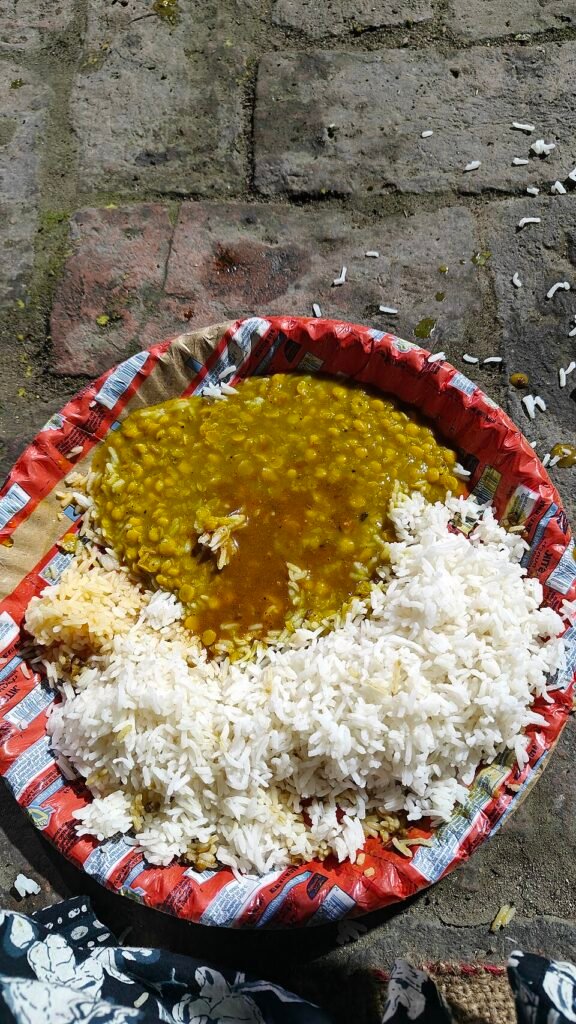
At a Kangra wedding lunch, servers move along the rows with rice and pots of gravy. A leaf plate fills a ladle at a time. The meal has its own pace, from the first spoonful of madra to the sweet rice at the end.
🍚 What makes a Kangri Dham
Dham is a ceremonial meal served at weddings, religious occasions and other large celebrations. Kangra district describes a midday meal traditionally served in courses to guests seated on the floor. Its account calls the leaf plate a pattlu. The rows allow servers to bring each dish around while guests are still eating the previous course.
Kangri Dham is one of several regional dham traditions in Himachal. What makes the Kangra meal recognisable is the combination and rhythm of its dishes. Rice carries the gravies, yoghurt-rich madra gives the meal body, and khatta brings a distinctly sour course before the sweet finish.
👨🍳 The botis and their kitchen
Kangra district describes botis as cooks who traditionally learned the work within Brahmin families. For a large feast, their preparations can begin the previous night. The district names the brass cooking vessels charoti and baltoi. A kitchen serving successive rows needs to have the rice, pulses and gravies ready in enough quantity to keep the same pace through each sitting.
The kitchen and the serving are part of the same work. A cook has to manage the yoghurt in madra over heat while keeping the flavour consistent across a large batch. Servers judge when a row is ready for more rice and when to bring the next dish. Given a chance to speak with a boti after service, ask which courses that family serves and what they call the sour dish. The names and order tell you where the cooks learned their craft.
🍽️ The Order of the Feast
The Kangra district’s Hindi account gives a sequence of rice and madra, another helping of rice, kadhi, teliya maah, khatta and meetha bhaat. It is a good way to follow one documented Kangra meal. Hosts and cooks may vary the pulses, insert dishes or change the order.
- Rice and madra. Start with fragrant steamed rice. Madra is a rich yoghurt-based preparation. Chickpeas are familiar in Kangra, and the district also gives kidney bean and paneer versions.
- Kadhi and maah. Kadhi adds a lighter, tangy gravy. Teliya maah is a black gram preparation, with the deeper flavour and texture of whole pulses. Extra dal or another curry may arrive between these rounds.
- Khatta. This sour course can be built around black chickpeas. Taste it against a mouthful of plain rice to pick up the difference between its sharpness and the earlier yoghurt gravies.
- Meetha bhaat. Sweet rice closes the sequence in the district account. The word bhaat refers to rice. The kitchen may use other sweets depending on the occasion.
👣 How to Experience It in Kangra
A wedding or family ceremony is an invitation-only occasion. For travellers, look for a food festival, an advertised dham day or a community meal open to visitors. In a restaurant, ask what comes with the Kangri Dham that day and whether the dishes arrive in rounds or together as a thali. Either gives you a way to learn the dishes, while the rounds are easiest to understand at a communal sitting.
At a feast, take your place when the hosts or volunteers invite you and let the servers know if you want a small first helping. Ask before photographing guests or the kitchen. If you avoid dairy, discuss ingredients before joining the meal, since standard preparations can contain yoghurt or ghee.
Related Guides
Sources and Further Reading
- Kangra district’s overview of Kangri Dham
- Kangra district’s Hindi account of the serving order
- Incredible India’s guide to regional food around Dharamshala
- CSIR-IHBT’s documentation of Kangri Dham preparations
Kangri Dham with chana dal, maani and white rice. Photo by Niyati Sharma 1505, CC BY-SA 4.0. Resized.
