
Travel guide
Dholavira
Ancient Harappan City in Rann of Kutch
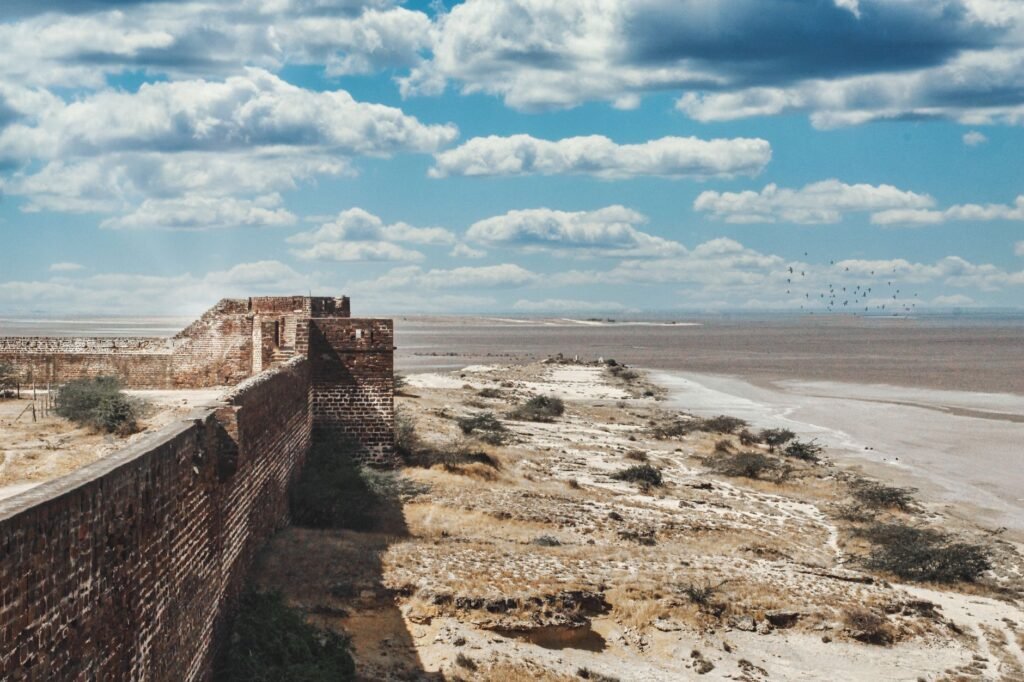
- Dholavira is a 5,000-year-old Harappan civilization site and UNESCO World Heritage Site located on Khadir Island in the Rann of Kutch
- The best time to visit is October to March when weather is pleasant; avoid monsoon and extreme summer heat
- The site features remarkable water conservation systems, reservoirs, and sophisticated urban planning from ancient times
- Bhuj is the nearest major town (around 250 km away), requiring a day trip or overnight stay near Dholavira
- Entry requires advance planning as accommodation options are limited; carry water, food, and sun protection
- Introduction
- Quick Facts About Dholavira: A Harappan City in the Rann of Kutch
- Why Visit Dholavira: A Harappan City in the Rann of Kutch
- How to Reach Dholavira: A Harappan City in the Rann of Kutch
- Best Time to Visit Dholavira: A Harappan City in the Rann of Kutch
- Top Things to Do in Dholavira: A Harappan City in the Rann of Kutch
- Where to Stay in Dholavira: A Harappan City in the Rann of Kutch
- Local Food & Cuisine
- Practical Travel Tips for Dholavira: A Harappan City in the Rann of Kutch
- Final Thoughts
- Frequently Asked Questions
Introduction
Imagine standing amidst the ruins of a city that thrived over 4,500 years ago, where advanced urban planning, sophisticated water management systems, and a thriving civilization once flourished in what is now a stark, beautiful desert landscape. Welcome to Dholavira: A Harappan City in the Rann of Kutch, one of India’s most remarkable archaeological treasures and a UNESCO World Heritage Site that offers a rare window into the grandeur of the Indus Valley Civilization. Located on Khadir Bet island in the Great Rann of Kutch in Gujarat, this ancient metropolis stands as a testament to human ingenuity and the remarkable achievements of our ancestors.
Unlike the more famous Harappan sites of Harappa and Mohenjo-daro in present-day Pakistan, Dholavira offers Indian travellers the unique opportunity to explore one of the largest and most prominent Harappan cities right on home soil. The site spans an impressive 100 hectares, making it one of the five largest Harappan sites in the entire subcontinent. What sets Dholavira apart is not just its size but its exceptional state of preservation, its unique water conservation systems that showcase ancient engineering brilliance, and its dramatic setting in the otherworldly landscape of the Rann of Kutch.
For history enthusiasts, archaeology lovers, and curious travellers seeking an experience far removed from conventional tourist circuits, Dholavira presents an unmissable opportunity. The site reveals a sophisticated urban settlement with distinct citadel areas, residential zones, elaborate gateways, and an ingenious water harvesting system that sustained thousands of inhabitants in one of the most challenging environments imaginable. This isn’t just a pile of old stones—it’s a living museum where every excavated structure tells stories of commerce, culture, craftsmanship, and community life from millennia past.
Quick Facts About Dholavira: A Harappan City in the Rann of Kutch
- Altitude
- Approximately 50 meters above sea level
- Best Time to Visit
- November to February
- Distance from Nearest Major City
- Bhuj (230 km), Ahmedabad (400 km)
- Nearest Airport
- Bhuj Airport (230 km)
- Nearest Railway Station
- Bhuj Railway Station (230 km), Samakhiali (165 km)
- Permits Required
- No special permits required; standard entry ticket
- Temperature Range
- Winter: 10°C to 25°C, Summer: 25°C to 48°C
- Entry Fee
- ₹25 for Indians, ₹300 for foreign nationals
- Approx Budget per Day
- ₹2,000-₹4,000 (budget), ₹4,000-₹8,000 (mid-range), ₹8,000+ (splurge)
- Site Opening Hours
- 8:00 AM to 6:00 PM (daily)
- Recommended Duration
- 2-3 days (including travel and nearby attractions)
- UNESCO Recognition
- Inscribed as World Heritage Site in 2021
Why Visit Dholavira: A Harappan City in the Rann of Kutch
Dholavira is not just another archaeological site—it’s a masterclass in ancient urban planning and environmental adaptation that remains relevant even today. What makes this Harappan city truly exceptional is its remarkable water management system. The city’s architects designed an intricate network of reservoirs, dams, and channels that could harvest and store rainwater across the settlement. With 16 large water reservoirs that could hold millions of liters, Dholavira’s inhabitants demonstrated extraordinary foresight in managing water resources in an arid environment—a lesson that resonates powerfully in today’s era of water scarcity.
The site features one of the world’s earliest and best-preserved stadium-like structures, suggesting that communal gatherings, ceremonies, or public events were central to Harappan social life. The fortification walls are built using a unique construction technique with sun-dried bricks and stone, showcasing architectural methods that have survived millennia. Perhaps most intriguingly, Dholavira has yielded one of the most significant finds in Harappan archaeology: a ten-character signboard—the longest Indus script inscription ever discovered. Though the script remains undeciphered, this ancient signboard hints at sophisticated communication systems and possibly administrative functions.
The location itself adds another layer of fascination. Visiting Dholavira means journeying through the mesmerizing landscape of the Rann of Kutch, with its vast salt marshes, seasonal wetlands, and striking desert vistas. The juxtaposition of this ancient urban civilization against the stark, almost lunar landscape creates an experience that’s as much about the journey as the destination. During winter months, the nearby areas attract migratory birds including flamingos, adding natural beauty to the historical exploration. The site also offers insights into trade routes, as Dholavira was strategically positioned for maritime and overland commerce, with archaeological evidence pointing to connections with Mesopotamia, Oman, and other ancient civilizations.

How to Reach Dholavira: A Harappan City in the Rann of Kutch
By Air: The nearest airport is Bhuj Airport (Bhuj Rudra Mata Airport), located approximately 230 km from Dholavira. The airport has regular flights from Mumbai (₹3,500-₹8,000), Delhi (₹5,000-₹12,000), and Ahmedabad (₹2,500-₹6,000). From Bhuj, you can hire a private taxi (₹4,000-₹6,000 for a round trip) or use a combination of bus and local transport. Ahmedabad’s Sardar Vallabhbhai Patel International Airport is a larger hub at 400 km distance, offering more flight options but requiring a longer road journey.
By Train: Bhuj Railway Station is the nearest major railhead at 230 km from Dholavira, well-connected to Mumbai, Ahmedabad, Delhi, and other major cities. The Mumbai-Bhuj Express, Bhuj-Bandra Terminus SF Express, and Ahmedabad-Bhuj Passenger trains are popular options. Alternatively, Samakhiali Junction, though smaller, is closer at 165 km and connects to Ahmedabad and other Gujarat cities. Train fares range from ₹200-₹500 (sleeper class) to ₹1,000-₹2,500 (AC classes) depending on origin city.
By Road: The road journey to Dholavira is an adventure in itself. From Bhuj, take State Highway 42 via Bhachau, Rapar, and Khavda—a 230 km journey taking approximately 5-6 hours. From Ahmedabad, it’s a 400 km drive (7-8 hours) via Dasada and Bhuj. Gujarat State Road Transport Corporation (GSRTC) operates regular buses from Bhuj to Rapar (₹150-₹200), from where you need to arrange local transport (₹1,500-₹2,000 for taxi) for the final 100 km stretch to Dholavira. Private taxi operators in Bhuj offer packages ranging from ₹5,000-₹8,000 for a full day trip including waiting time.
Self-Drive: Many travellers prefer self-driving, especially from Ahmedabad or Bhuj. The roads are generally well-maintained, though the final stretch can be challenging during monsoons. Fuel stations are available at Bhuj, Rapar, and Khavda, so fill up accordingly. Car rentals in Bhuj cost approximately ₹2,500-₹4,000 per day plus fuel.
Organized Tours: Several tour operators in Bhuj and Ahmedabad offer 2-3 day packages to Dholavira, often combined with Rann of Kutch exploration. These packages range from ₹8,000-₹15,000 per person, including transport, accommodation, meals, and guided tours.
Best Time to Visit Dholavira: A Harappan City in the Rann of Kutch
Winter (November to February): This is unquestionably the best time to visit Dholavira. Temperatures range from a pleasant 10°C to 25°C, making exploration comfortable during daytime. The cool evenings are perfect for stargazing in the clear desert sky. This period coincides with the Rann Utsav festival (November-February) in nearby areas, adding cultural vibrancy to your trip. Expect higher accommodation prices and advance bookings are essential, especially in December and January. The surrounding wetlands attract thousands of migratory birds including flamingos, pelicans, and various waterfowl, making it ideal for combining archaeology with bird-watching.
Spring (March to April): Early March remains pleasant with temperatures between 20°C and 32°C, though afternoons start getting warm. This is still a viable visiting period with fewer crowds than peak winter. By late April, temperatures climb to uncomfortable levels (up to 40°C), making midday exploration challenging. Accommodation prices are more reasonable, and you’ll have the site relatively to yourself. Carry sun protection, hats, and plenty of water.
Monsoon (June to September): This season is generally not recommended for visiting Dholavira. The region receives scanty rainfall (200-400 mm annually), but when it does rain, roads can become difficult to navigate, especially the final stretches. Temperatures range from 25°C to 38°C with high humidity. The site remains open, but the experience is compromised by heat and occasional accessibility issues. Some local guesthouses may close during this period. However, if you do visit during early monsoon, you’ll witness the landscape’s dramatic transformation as sparse vegetation springs to life.
Summer (May to June): Avoid if possible. Temperatures soar between 35°C and 48°C, making outdoor exploration genuinely difficult and potentially dangerous. The harsh sun, reflected heat from exposed ruins, and lack of shade create extreme conditions. The few visitors who come during this period should restrict site visits to early mornings (6-9 AM) or late afternoons (after 5 PM). Accommodation is cheapest during this period, and you might negotiate rates as low as 50% of winter prices.
Top Things to Do in Dholavira: A Harappan City in the Rann of Kutch
Explore the Fortified Citadel Complex
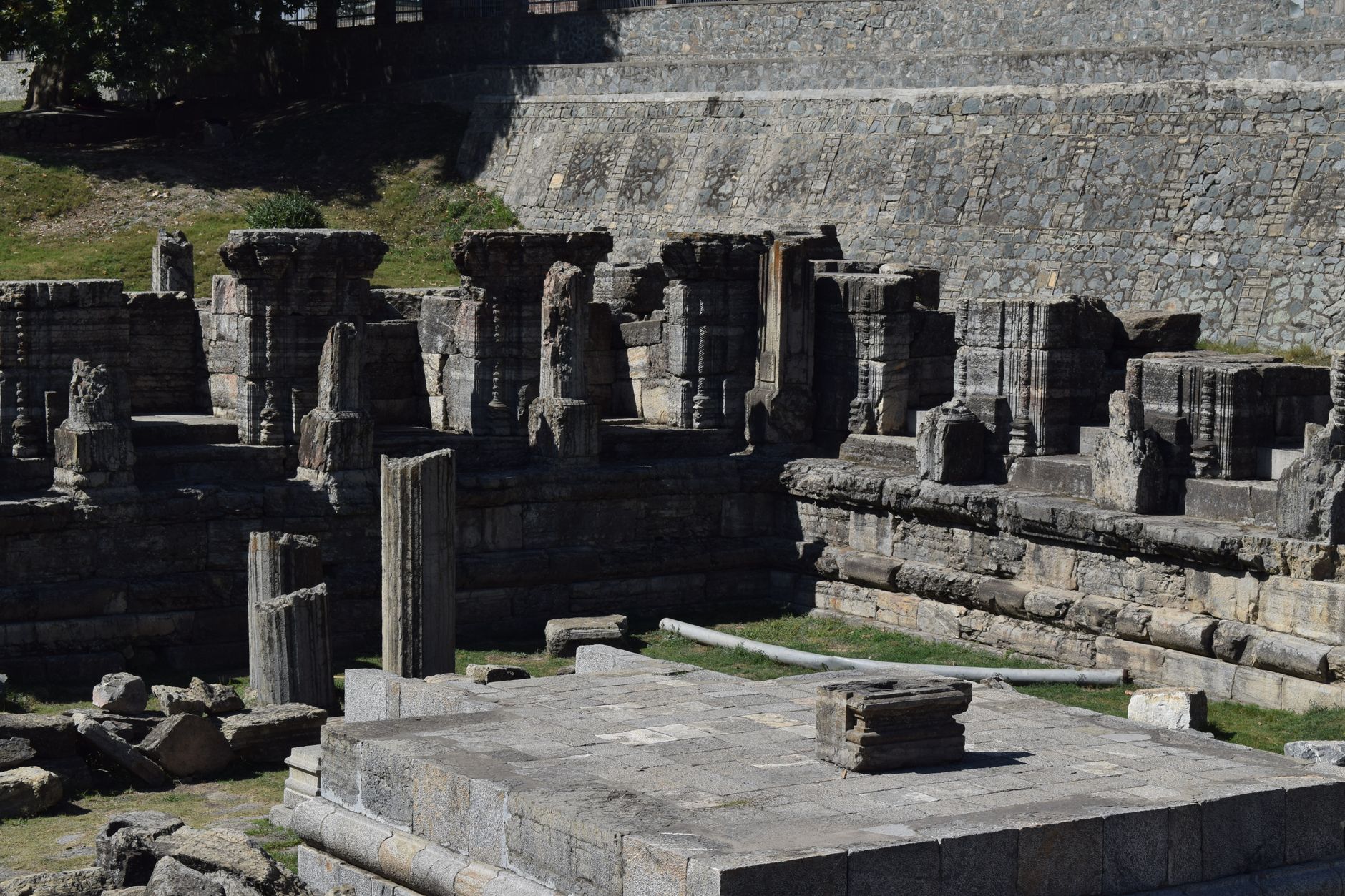
The heart of Dholavira consists of a massive fortified citadel with three distinct divisions: the citadel (upper town), middle town, and lower town, showcasing sophisticated hierarchical urban planning. Walk through the monumental gateways, some adorned with decorative elements, and observe the unique construction technique using layers of sun-dried bricks and locally available sandstone. The northern gateway is particularly impressive, featuring a stepped structure that hints at ceremonial significance. Allow at least 2-3 hours to properly explore this area, ideally with a guide who can explain the architectural and social significance of different sections.
Study the Ingenious Water Conservation System
Dholavira’s water reservoirs are engineering marvels that demonstrate the Harappans’ mastery over water management. The site features 16 reservoirs, some rock-cut and others built, strategically positioned to capture rainwater runoff from the surrounding hills. The largest reservoirs could hold up to 10 million liters of water, sustaining the city through long dry periods. Walk around these ancient tanks and observe the channels, dams, and embankments that formed an integrated water system. The site museum has informative displays explaining how this system functioned, making it essential to combine site exploration with a museum visit.
Visit the Dholavira Site Museum
The on-site museum, opened in 2019, houses an impressive collection of artifacts excavated from Dholavira including pottery, beads, seals, copper and shell objects, gold and silver ornaments, terracotta figurines, and tools. The museum’s highlight is a recreation of the famous ten-character signboard and detailed explanations of the Indus script. Interactive displays, 3D models, and informative panels provide context that brings the ruins to life. The air-conditioned museum also offers welcome respite from the heat. Entry is included in your site ticket, and spending an hour here before exploring the ruins greatly enhances understanding.
Photograph the Ceremonial Ground
One of Dholavira’s most unique features is a large open ground measuring approximately 283 x 47 meters, resembling a stadium or ceremonial area. This massive structure is surrounded by terraced seating arrangements on three sides, suggesting it hosted large public gatherings, festivals, religious ceremonies, or possibly even sporting events. The scale and design indicate sophisticated community organization and social cohesion. The area offers excellent photographic opportunities, especially during golden hour (early morning or late afternoon) when soft light illuminates the ancient stones, creating dramatic contrasts against the desert backdrop.
Discover the Residential Quarters and Streets
The lower town reveals residential areas with organized street patterns, houses of various sizes suggesting economic diversity, and evidence of sophisticated drainage systems. Some houses retain features like courtyards, multiple rooms, wells, and bathing platforms, offering intimate glimpses into daily Harappan life. The streets, some with drains still visible, follow a planned grid pattern that reveals advanced urban planning concepts. Look for evidence of craft workshops, storage facilities, and market areas that indicate vibrant economic activity. This section helps humanize the civilization beyond monumental architecture.
Experience the Rann Landscape and Wildlife
Beyond the archaeological site, explore the unique ecosystem of Khadir Bet island and the surrounding Rann landscape. During winter, the nearby wetlands and mudflats become temporary home to numerous migratory birds including greater and lesser flamingos, pelicans, cranes, and various waterfowl. The desert landscape itself is hauntingly beautiful, with distinctive flora including hardy shrubs and succulents adapted to extreme conditions. Local guides can arrange short nature walks or drives to nearby vantage points. The sunset over the Rann, viewed from near the ruins, creates unforgettable moments as the sky transforms through brilliant colors reflected in the salt flats.
Visit the Fossil Park and Surrounding Archaeological Sites
About 50 km from Dholavira lies the Fossil Park near Sansarpur-Miyani, showcasing marine fossils from the Jurassic era that highlight the region’s geological history. The area also contains several smaller Harappan sites like Surkotada, Juni Kuran, and others that together paint a picture of an entire regional civilization rather than isolated cities. Hiring a knowledgeable guide or driver familiar with these locations (approximately ₹2,000-₹3,000 for a full day) allows you to explore this broader archaeological landscape and understand the interconnected network of Harappan settlements.

Where to Stay in Dholavira: A Harappan City in the Rann of Kutch
Budget Accommodation (₹800-₹2,000 per night): Dholavira has limited accommodation options on-site, with basic guesthouses and homestays in and around the village. The Dholavira Tourism Zone offers simple but clean rooms with basic amenities at approximately ₹1,000-₹1,500 per night. Local homestays like Harappan Home Stay provide authentic experiences with Gujarati home-cooked meals for around ₹1,200-₹1,800 per person including meals. The Gujarat Tourism Toran Tourist Cottage in nearby Rapar (100 km away) offers no-frills accommodation at ₹800-₹1,200 per room. These budget options typically have limited electricity (often solar-powered), shared bathrooms in some cases, and basic bedding, but make up for it with hospitality and authenticity.
Mid-Range Accommodation (₹2,500-₹6,000 per night): Better options exist in Bhuj, though it means a 230 km drive. Hotel Prince in Bhuj offers comfortable rooms with modern amenities at ₹3,000-₹4,500 per night. Hotel Ilark, also in Bhuj, provides good mid-range accommodation at ₹2,800-₹4,000 with restaurant and travel desk facilities. For those wanting to stay closer to Dholavira, some tent resorts operate seasonally (November-March) near the site, offering comfortable tented accommodation with attached bathrooms, dining facilities, and cultural programs. Rann Riders and similar operators charge ₹4,000-₹6,000 per night including meals and activities, though availability is limited and advance booking essential.
Splurge Options (₹7,000+ per night): Luxury accommodation requires staying in Bhuj or booking premium tent resorts during Rann Utsav season. Regenta Resort Bhuj offers upscale rooms with swimming pool, spa, and multi-cuisine restaurant at ₹6,500-₹9,000 per night. The Fern Residency Bhuj provides luxury accommodation at ₹7,000-₹10,000 with comprehensive amenities. During Rann Utsav, premium tent cities like Rann Utsav Tent City (located in the broader Kutch region) offer luxury Swiss tents with cultural programs, camel safaris, and gourmet dining at ₹8,000-₹15,000 per person per night. Gateway to Rann Resort near Dhordo offers boutique accommodation at ₹10,000-₹18,000 per night with traditional Bhungas-style cottages and modern luxury.
Alternative Option: Many travellers prefer day-tripping from Bhuj, departing early morning (5-6 AM) and returning by evening. This requires a long day but provides access to better accommodation, dining, and facilities in Bhuj while still allowing thorough exploration of Dholavira.
Local Food & Cuisine
The cuisine in and around Dholavira reflects authentic Kutchi flavors—simple, wholesome, and adapted to desert conditions. Due to limited resources in Dholavira village itself, most dining options are basic, though Bhuj offers more variety and restaurants.
Dabeli: This iconic Kutchi snack consists of spiced mashed potato filling in a pav (bread roll), topped with pomegranate, roasted peanuts, sev (crispy noodles), and special dabeli masala. The sweet, spicy, and tangy combination is irresistible. Available at roadside stalls throughout the region for ₹15-₹30 per piece, it makes an excellent travel snack.
Kutchi Thali: A traditional Gujarati thali with Kutchi specialties including bajra rotla (millet flatbread), kadhi (yogurt curry), bharela ringan (stuffed eggplant), sev tameta (crispy noodles with tomatoes), ker sangri (desert beans and berries), and various chutneys. The meal is typically vegetarian and concludes with jaggery or sweet dishes. Thalis range from ₹150-₹300 depending on variety and location.
Khichdi and Kadhi: This comfort food combination—soft rice and lentil porridge with spiced yogurt curry—is staple fare perfectly suited to the climate. Local variations include adding vegetables or tempering with asafoetida and curry leaves. Simple yet satisfying, it’s widely available for ₹80-₹150.
Doodh Pak: This rich dessert made from thickened milk, rice, cardamom, saffron, and dry fruits is a traditional Gujarati sweet often served at special occasions. The creamy, aromatic preparation provides a perfect ending to spicy meals. Expect to pay ₹60-₹100 per portion.
Where to Eat: Options near Dholavira are extremely limited. Most visitors eat at their accommodation or pack food from Bhuj. Local homestays in Dholavira village provide authentic home-cooked Gujarati meals (₹200-₹350 per meal) if arranged in advance. The small Dholavira Tourism Zone Canteen offers basic thalis and snacks at ₹100-₹200. In Bhuj, Noorani Restaurant (₹150-₹300 per person) serves excellent Gujarati and North Indian vegetarian food. Hotel Prince Restaurant (₹200-₹400 per person) offers multi-cuisine options with air-conditioned comfort. Green Rock Restaurant in Bhuj (₹250-₹500 per person) provides rooftop dining with Gujarati, Punjabi, and Chinese options. For authentic street food and local flavors, explore the Bhuj Vegetable Market area in evenings where numerous stalls serve dabeli, pav bhaji, and chaats at ₹20-₹80 per item.
Practical Travel Tips for Dholavira: A Harappan City in the Rann of Kutch
Permits and Entry: No special permits are required for Indian nationals to visit Dholavira. The standard Archaeological Survey of India (ASI) entry fee is ₹25 for Indians and ₹300 for foreign nationals. The site museum is included in this ticket. Photography is permitted without additional charges, though tripods and commercial shoots may require special permission from ASI authorities. The site is open daily from 8:00 AM to 6:00 PM, though arriving early morning or staying until late afternoon provides the best light for photography and cooler exploration conditions.
Mobile Network and Connectivity: Mobile network coverage is extremely limited in Dholavira village. BSNL provides the most reliable coverage, though even this can be spotty. Airtel, Jio, and Vi have minimal to no coverage in the immediate area. Plan accordingly by downloading offline maps (Google Maps allows offline downloads), sharing your itinerary with family or friends before losing connectivity, and not relying on digital payment methods. Network coverage improves significantly once you return to Rapar or Bhuj. Some accommodations may offer limited Wi-Fi, but don’t count on it.
ATM and Cash: There are no ATMs in Dholavira village. The nearest ATMs are in Rapar (100 km away) or Bhachau. Carry sufficient cash for your entire trip including accommodation, meals, local transport, entry fees, guide charges, and emergencies. Most small shops and accommodations in Dholavira operate on cash-only basis. It’s advisable to withdraw ₹5,000-₹10,000 in Bhuj before heading to Dholavira, depending on your planned duration and spending habits.
Medical Facilities: Medical facilities in Dholavira are virtually non-existent. The nearest Primary Health Center is in Rapar (100 km), and proper hospitals are only in Bhuj (230 km). Carry a comprehensive first-aid kit including medications for common ailments: pain relievers, anti-diarrheal medication, antihistamines, bandages, antiseptic cream, oral rehydration salts, and any prescription medications you require. Travel insurance is highly recommended. If you have chronic conditions or health concerns, consult your doctor before undertaking this trip and carry all necessary medications.
What to Pack: Sun protection is paramount—bring high-SPF sunscreen (50+), wide-brimmed hats, sunglasses, and light cotton scarves for dust protection. Comfortable walking shoes with good grip are essential as you’ll walk extensively over uneven ancient ruins. Carry at least 2-3 liters of water per person per day, more in summer. Light, breathable, full-coverage clothing in natural fabrics protects from sun and respects local customs. Winter visitors (December-January) should pack warm layers for surprisingly cold evenings. A good flashlight or headlamp is useful as street lighting is minimal. Bring power banks as electricity supply can be intermittent. Insect repellent, though the desert environment has relatively few mosquitoes, is wise for evening hours. A small backpack for carrying water, snacks, and essentials during site exploration is practical.
Hiring Guides: While the site museum provides good information, hiring a knowledgeable guide significantly enhances understanding of Dholavira’s complex history and architectural features. Official ASI guides charge approximately ₹300-₹500 for a 2-3 hour tour for groups up to 5 people. Local guides with deep knowledge of Harappan civilization charge similar rates and can be arranged through your accommodation. English-speaking guides are available, though Hindi and Gujarati guides are more common.
Safety Considerations: Dholavira is generally very safe with virtually no crime against tourists. The main safety concerns are environmental: heat exhaustion, dehydration, and sun exposure during hot months. Always carry more water than you think necessary. The ruins have uneven surfaces, missing steps, and low walls—watch your footing carefully and supervise children closely. Avoid exploring the site during peak afternoon sun in summer months. Snakes and scorpions can inhabit ruins; stick to marked paths and don’t put hands into dark crevices. Keep vehicle doors locked when parked, though theft is rare. The region is seismically active (the devastating 2001 Bhuj earthquake epicenter was nearby), though earthquakes are unpredictable.
Responsible Tourism: Dholavira is an irreplaceable archaeological treasure and UNESCO World Heritage Site. Do not climb on fragile structures, remove any artifacts (even small stones), carve names, or leave graffiti—such actions are illegal and damage our cultural heritage. Carry all trash with you; there’s minimal waste management infrastructure in Dholavira village. Use water judiciously, remembering the desert environment’s scarcity. Respect local customs and dress modestly. Photography is permitted, but be courteous when photographing local people—always ask permission first. Support the local economy by purchasing from village shops, hiring local guides, and staying in community-run accommodations when possible. Consider visiting during the off-season to reduce pressure on limited infrastructure during peak tourist periods.
Language: Gujarati and Kutchi are primary languages, with Hindi understood by most. English is spoken by some younger people, guides, and in hotels, but limited in rural areas. Learning basic Hindi or Gujarati phrases like “dhanyavaad” (thank you), “kitna paisa?” (how much money?), and “pani” (water) enhances interactions and shows respect for local culture.
Final Thoughts
Visiting Dholavira: A Harappan City in the Rann of Kutch is far more than a typical tourist excursion—it’s a pilgrimage into humanity’s distant past, an encounter with the ingenuity of ancestors who built flourishing cities when much of the world was still in its civilizational infancy. Standing amidst these 4,500-year-old ruins, surrounded by the vast emptiness of the Rann, creates a profound sense of connection to history that few places can match. The sophisticated urban planning, the genius of water management systems that sustained thousands in a harsh desert, the evidence of vibrant trade networks extending across ancient world—all these elements combine to paint a picture of a remarkable civilization that challenges many assumptions about ancient societies.
The journey to Dholavira demands effort—long drives through remote landscapes, basic accommodation, limited modern amenities—but therein lies part of its magic. This remoteness has preserved the site’s authenticity and created an experience unmarred by excessive commercialization. As you walk the same streets that Harappan merchants walked, as you contemplate the reservoir systems that showcase engineering wisdom still relevant today, as you watch the sun set over the Rann while ancient ruins cast long shadows, you’ll understand why making this journey matters. Whether you’re a history enthusiast, an archaeology student, a photographer seeking unique landscapes, or simply a curious traveller wanting to explore roads less travelled, Dholavira offers rewards that transcend conventional tourism. Pack your bags, embrace the adventure, and prepare to have your perspective on India’s ancient heritage fundamentally transformed. This is not just a destination—it’s an experience that will stay with you long after the desert dust has been washed from your shoes.
- Visit early morning to avoid harsh afternoon sun and explore the site with better lighting for photography of ancient structures
- Hire a local guide at the entrance to understand the sophisticated water harvesting and urban planning systems unique to Dholavira
- Combine your visit with the Rann Utsav festival (November-February) for a cultural experience, but book accommodation months in advance
- Carry sufficient drinking water and snacks as there are minimal facilities; the nearest town Rapar is about 80 km away
- Visit the on-site museum first to understand the layout and significance before exploring the excavated ruins and reservoirs
Frequently Asked Questions about Dholavira: A Harappan City in the Rann of Kutch
Dholavira is a UNESCO World Heritage Site and one of the largest Harappan cities of the Indus Valley Civilization, located on Khadir Bet island in the Great Rann of Kutch, Gujarat. Dating back over 4,500 years, it spans 100 hectares and showcases exceptional urban planning, sophisticated water management systems, and well-preserved structures that offer a rare glimpse into ancient Indian civilization.
The best time to visit Dholavira is from November to February when the weather is pleasant with temperatures ranging from 10°C to 25°C. Summer months (March to June) should be avoided as temperatures can soar up to 48°C, making exploration extremely difficult in the desert landscape.
Dholavira is located 230 km from Bhuj and 400 km from Ahmedabad. The nearest airport and railway station are both in Bhuj (230 km away), though Samakhiali Railway Station is a closer option at 165 km from the site.
No special permits are required to visit Dholavira. You only need to purchase a standard entry ticket which costs ₹25 for Indian nationals and ₹300 for foreign nationals.
Unlike Harappa and Mohenjo-daro in Pakistan, Dholavira offers Indian travelers the opportunity to explore a major Harappan site within India. It features unique water conservation systems, exceptional preservation, distinct citadel areas, elaborate gateways, and a dramatic setting in the otherworldly Rann of Kutch landscape.
A visit to Dholavira requires an approximate budget of ₹2,000-₹4,000 per day for budget travelers and ₹4,000-₹8,000 per day for mid-range travelers. This includes accommodation, food, local transport, and entry fees to the archaeological site.