
Travel guide
Morni Hills
Shivalik Views and Tikkar Tal Lakes
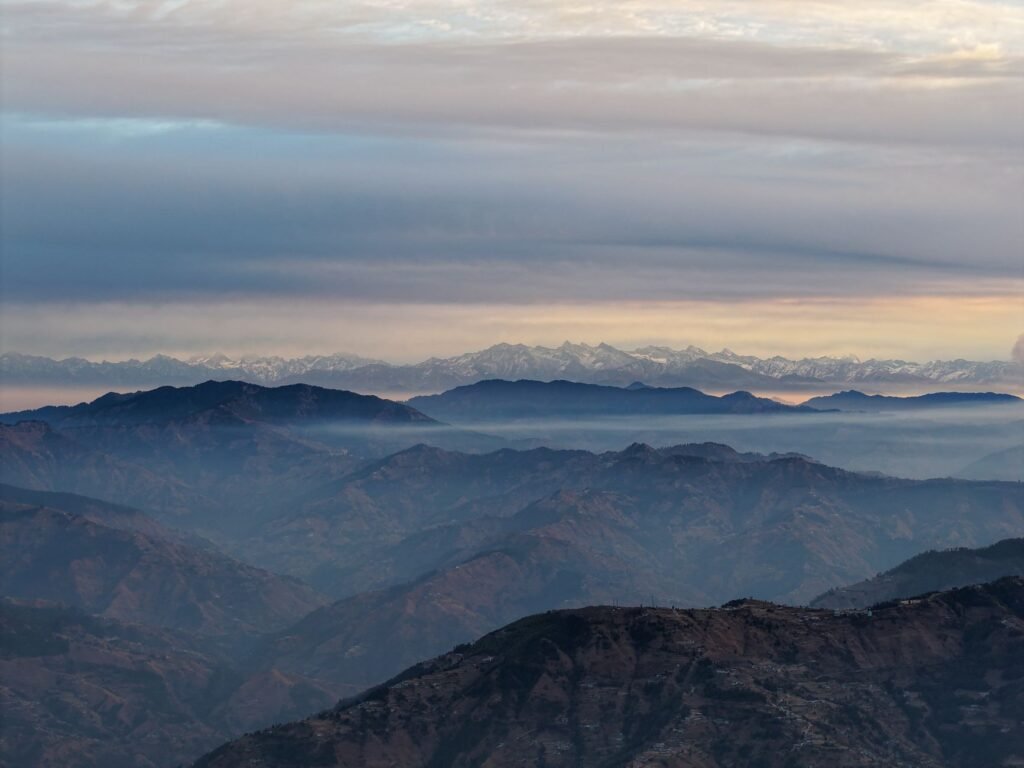
- Morni Hills is Haryana’s only hill station at 1,220 meters, offering panoramic Shivalik range views and twin Tikkar Tal lakes connected by a water channel.
- Best visited October to March for pleasant weather; monsoons (July-September) enhance the green landscape but may affect accessibility.
- Located 45 km from Chandigarh and 35 km from Panchkula, accessible via well-connected roads with regular bus and taxi services.
- Adventure activities include boating at Tikkar Tal, trekking to Adventure Park, paragliding, and birdwatching at Khol Hi-Raitan Wildlife Sanctuary.
- Limited accommodation options include Haryana Tourism’s resort and forest rest houses; advance booking recommended during peak season.
- Introduction
- Quick Facts About Morni Hills: Shivalik Views and the Lakes of Tikkar Tal
- Why Visit Morni Hills: Shivalik Views and the Lakes of Tikkar Tal
- How to Reach Morni Hills: Shivalik Views and the Lakes of Tikkar Tal
- Best Time to Visit Morni Hills: Shivalik Views and the Lakes of Tikkar Tal
- Top Things to Do in Morni Hills: Shivalik Views and the Lakes of Tikkar Tal
- Where to Stay in Morni Hills: Shivalik Views and the Lakes of Tikkar Tal
- Local Food & Cuisine
- Practical Travel Tips for Morni Hills: Shivalik Views and the Lakes of Tikkar Tal
- Final Thoughts
- Frequently Asked Questions
Introduction
Nestled in the Panchkula district of Haryana, Morni Hills: Shivalik Views and the Lakes of Tikkar Tal represent one of North India’s most underrated weekend getaways. While the Himalayas grab headlines and Kashmir commands poetry, these humble Shivalik foothills offer something equally precious: tranquility without the tourist hordes, pristine natural beauty without commercialization, and an escape that doesn’t require week-long planning or hefty budgets. At approximately 1,220 meters above sea level, Morni Hills stands as Haryana’s only hill station, crowned by the twin lakes of Tikkar Tal that shimmer like emeralds set in a forested diadem.
What makes Morni Hills particularly compelling is its dual character. By day, it’s an adventure playground with trekking trails, paragliding opportunities, and wildlife sightings in the surrounding Khol-Hi-Raitan Wildlife Sanctuary. By evening, it transforms into a contemplative retreat where the only sounds are birdsongs and rustling sal leaves. The drive up through winding mountain roads reveals terraced fields, dense forests of pine and oak, and glimpses of peacocks strutting across paths—a reminder that you’re entering a realm where nature still holds court.
For travelers exhausted by Delhi’s chaos or Chandigarh’s urban sprawl, Morni Hills offers rejuvenation just 45 kilometers away. The twin lakes of Tikkar Tal—connected yet distinct—provide a focal point for activities ranging from paddle-boating to lakeside picnics, while the surrounding Shivalik ranges gift visitors with panoramic views that stretch across three states on clear days. This isn’t a destination of monuments or museums; it’s a canvas of natural splendor waiting to be explored.
Quick Facts About Morni Hills: Shivalik Views and the Lakes of Tikkar Tal
- Altitude
- 1,220 meters (4,003 feet) above sea level
- Best Time to Visit
- March to June and September to November
- Distance from Nearest City
- 45 km from Chandigarh, 65 km from Panchkula, 275 km from Delhi
- Nearest Airport
- Chandigarh International Airport (53 km)
- Nearest Railway Station
- Chandigarh Railway Station (47 km) and Kalka Railway Station (35 km)
- Permits Required
- No special permits required; vehicle entry fee ₹50 for cars
- Temperature Range
- Summer: 20-35°C, Winter: 0-15°C, Monsoon: 18-28°C
- Approximate Budget per Day
- ₹1,500-₹4,000 (budget to mid-range), ₹5,000+ (luxury)
- Languages Spoken
- Hindi, Punjabi, English
- Mobile Network
- BSNL, Airtel, Jio (moderate coverage)
Why Visit Morni Hills: Shivalik Views and the Lakes of Tikkar Tal
Morni Hills claims distinction as Haryana’s only hill station, making it a geographical anomaly in a state better known for its agricultural plains. The Shivalik ranges here present a different aesthetic from the towering Himalayas—gentler slopes cloaked in subtropical pine forests, interspersed with sal, semul, and mango trees. This diversity creates microhabitats that support over 200 bird species, making Morni a certified paradise for ornithologists and casual birdwatchers alike. The great Indian hornbill, red junglefowl, and grey francolin are regular sightings here.
The twin lakes of Tikkar Tal form the heart of Morni’s appeal. Unlike artificial reservoirs, these are natural water bodies separated by a narrow embankment, with local legend claiming they were once a single lake split by an earthquake. The larger lake offers paddle-boating facilities and attracts migratory birds during winter months, while the smaller, quieter lake remains largely undisturbed, its surface reflecting surrounding hills like a natural mirror. During monsoons, the lakes swell and overflow with life—lotus flowers bloom, kingfishers dive for fish, and the surrounding forest turns impossibly green.
What truly distinguishes Morni from more commercialized hill stations is its authentic village atmosphere. The local Morni village still functions as a traditional settlement where life proceeds at a preindustrial pace. Women carry water pots from community wells, men tend terraced fields using centuries-old agricultural practices, and children play traditional games in dusty courtyards. This cultural authenticity, combined with minimal tourist infrastructure, creates an experience increasingly rare in India’s tourist circuit—genuine immersion in rural Himalayan foothill life without performative tourism.
The adventure opportunities here remain relatively undiscovered. The surrounding Khol-Hi-Raitan Wildlife Sanctuary offers trekking routes ranging from easy lakeside walks to challenging ridge hikes. Paragliding operators have recently established launch sites with Chandigarh and the plains visible below on clear days. Rock climbing enthusiasts find numerous natural formations perfect for bouldering. And unlike crowded Himachal destinations, you’re likely to have trails largely to yourself, with only the occasional shepherd or forest ranger for company.

How to Reach Morni Hills: Shivalik Views and the Lakes of Tikkar Tal
By Road from Chandigarh: The most popular route covers 45 kilometers via Panchkula. Take the Panchkula-Morni Road through Surajpur, Raipur Rani, and Thapli villages. The journey takes approximately 1.5 hours in a private vehicle. The road is well-maintained until Raipur Rani, then becomes narrower with hairpin bends for the final 15 kilometers. Taxi services from Chandigarh charge ₹1,500-₹2,000 for a one-way drop, or ₹3,000-₹3,500 for a round-trip with waiting time. Uber and Ola operate intermittently with similar pricing.
By Road from Delhi: The 275-kilometer journey takes 5-6 hours via National Highway 44 through Karnal and Ambala, then joining the Panchkula-Morni Road. Self-drive is popular, with the route well-signposted beyond Panchkula. Private taxi services charge ₹4,500-₹6,000 for the journey. Consider breaking the journey in Karnal or Ambala for refreshments and to avoid driver fatigue on mountain roads.
By Bus: Haryana Roadways operates daily bus services from Chandigarh ISBT (Sector 43) to Morni village. Buses depart at 7:30 AM, 10:00 AM, 1:30 PM, and 4:00 PM, with the journey taking 2-2.5 hours. Fare is approximately ₹60-₹80 per person. Return buses leave Morni at 6:00 AM, 9:00 AM, 2:00 PM, and 5:00 PM. Book tickets at the bus stand itself as online booking isn’t available. These buses offer a local experience with villagers as fellow passengers, though expect crowding during weekends and holidays.
By Train and Taxi: The nearest railway stations are Kalka (35 km) and Chandigarh (47 km). Kalka is well-connected to Delhi, Mumbai, Kolkata, and other major cities. From Kalka station, pre-paid taxis to Morni cost ₹900-₹1,200. The route via Kalka-Shimla Road and then Raipur Rani is scenic but involves more turns. Shared taxis from Kalka occasionally operate, costing ₹150-₹200 per seat, though departures are irregular.
By Air: Chandigarh International Airport (53 km) has daily flights from Delhi, Mumbai, Bangalore, and other major cities. From the airport, pre-booked taxis charge ₹1,800-₹2,200 to Morni Hills. App-based cabs are available but charge surge pricing during peak hours. The airport route via Panchkula is the most straightforward, taking approximately 1.5-2 hours depending on traffic through Chandigarh city.
Self-Drive Considerations: The roads are motorcycle-friendly for experienced riders, with many adventure groups organizing weekend rides. Fuel stations are available in Raipur Rani (20 km from Morni) and Panchkula. Mobile GPS works reasonably well, though downloading offline maps is advisable as network coverage weakens near the hills. Parking near Tikkar Tal costs ₹20-₹50 depending on vehicle size.
Best Time to Visit Morni Hills: Shivalik Views and the Lakes of Tikkar Tal
Spring (March to May): This is arguably the finest season for Morni Hills. Daytime temperatures hover between 20-30°C, perfect for outdoor activities. The landscape explodes with wildflowers—rhododendrons paint hillsides red, while semul trees bloom in brilliant orange. Tikkar Tal remains full from winter rains, and paddle-boating is at its best. Weekends see moderate crowds, but weekdays remain blissfully quiet. Accommodation prices are standard, without monsoon discounts or winter premiums. Pack light cottons for daytime and a light jacket for evenings.
Summer (June): Pre-monsoon heat makes plains unbearable, driving weekend crowds to Morni’s cooler climes. Temperatures reach 32-35°C during the day but drop to pleasant 20°C at night. The lakes begin receding slightly, and the landscape takes on a drier, golden hue. This is paragliding season, with thermals perfect for extended flights. Book accommodation in advance for weekends. Carry sunscreen, hats, and plenty of water for treks. Early morning and late evening are best for activities, with midday best spent under shade near the lakes.
Monsoon (July to September): The rains transform Morni into an emerald wonderland. Waterfalls appear on hillsides, the forest comes alive with leeches and fungi, and Tikkar Tal overflows dramatically. This is the low season—accommodation rates drop 30-40%, and you might have entire trails to yourself. However, roads become treacherous with landslides possible, especially during heavy downpours. Adventure activities are suspended. Visit only if you’re comfortable with leeches, constant drizzle, and the possibility of being stuck due to road closures. Photographers find the monsoon mist and cloud-covered valleys irresistible.
Autumn (October to November): Post-monsoon Morni is at its most accessible and beautiful. Crystal-clear skies offer uninterrupted Shivalik views, with the air pollution that plagues winter yet to set in. Daytime temperatures of 20-25°C are perfect for all activities. This is premium birdwatching season, with migratory species arriving at the lakes. Festival season brings local color—Diwali sees villages illuminated traditionally, and Dussehra fairs offer cultural immersion. Book early as this is the second-most popular season after spring. Carry layers as temperature variations between day and night become pronounced.
Winter (December to February): Morni experiences genuine cold with temperatures dropping to 2-5°C at night, occasionally touching zero. Morning fog blankets the landscape until 10 AM, creating atmospheric but view-limiting conditions. The lakes shrink to their smallest, and paddle-boating may be unavailable. However, this is the season for solitude-seekers and bonfire enthusiasts. Local guesthouses offer room heaters, and the small restaurants serve soul-warming soups and rajma-chawal. Carry heavy woolens, thermal wear, and waterproof shoes. Clear afternoons between 11 AM-4 PM offer excellent hiking conditions. New Year’s sees a rush of bookings from Chandigarh residents seeking hill station vibes without Shimla crowds.
Top Things to Do in Morni Hills: Shivalik Views and the Lakes of Tikkar Tal
Boating on Tikkar Tal Lakes
The paddle boats at the larger Tikkar Tal lake operate from 9 AM to 6 PM (weather permitting) and cost ₹100-₹150 for 30 minutes. The experience is meditative rather than thrilling—gliding across mirror-still waters surrounded by forested hills, with only the splash of your paddles and occasional bird calls breaking the silence. Early morning sessions (before 10 AM) offer the best light for photography and wildlife sightings, with kingfishers and cormorants actively fishing. The smaller lake, though lacking boat facilities, rewards those who walk around its perimeter with secluded picnic spots and uninterrupted reflection views.
Trekking to Morni Fort
The ruins of Morni Fort sit atop a ridge approximately 3 kilometers from the lakes via a moderately challenging trail. Built in the 17th century, the fort now consists of crumbling walls and a collapsed gateway, but the 360-degree views from its location are spectacular—the Shivalik ranges stretching north, plains extending south, and both Tikkar Tal lakes visible below. The trek takes 1.5-2 hours one way, passing through sal forest with rocky sections requiring careful footing. Local guides (₹300-₹500) can be arranged through guesthouses and share historical anecdotes about the fort’s Mughal-era significance as a minor administrative post.
Birdwatching in Khol-Hi-Raitan Wildlife Sanctuary
This 1,886-acre sanctuary surrounding Morni Hills hosts over 200 avian species, making it one of Haryana’s ornithological hotspots. Winter brings migratory species like the common teal, ruddy shelduck, and bar-headed goose to the lakes, while resident species include the grey partridge, red junglefowl, and Indian peafowl. The sanctuary’s mixed forests of sal, semul, chir pine, and bamboo create varied habitats. Serious birdwatchers should hire local guides (₹400-₹600 per day) who know nesting sites and calling patterns. The sanctuary requires no special permits for day visits, though entry fees of ₹50 per person apply at forest checkpoints.
Paragliding Adventures
Adventure operators based in Morni village offer tandem paragliding flights from designated launch sites at approximately 1,500 meters altitude. Flights typically last 15-30 minutes depending on thermals and wind conditions, with the entire Chandigarh-Mohali-Panchkula tricity visible below on clear days. Costs range from ₹2,500-₹3,500 per person including equipment and certified pilot. The season runs from March to June and September to November, with flights conducted primarily between 10 AM-4 PM when thermals are most reliable. Advance booking (3-5 days) is essential, and minimum age restrictions (16 years) and weight limits (40-90 kg) apply.
Village Walks and Cultural Immersion
Morni village itself, clustered around a bazaar road leading to the lakes, offers glimpses into rural Haryana life surprisingly untouched by tourism. Walk through narrow lanes where traditional mud-and-brick houses feature elaborate painted patterns, women grind spices on stone slabs, and children play gilli-danda in courtyards. The small Shiva temple near the village center sees daily evening aarti around 6 PM, which visitors can respectfully attend. Local families occasionally offer homestay experiences (arrange through guesthouse owners) including home-cooked meals and agricultural activities like milking cows or harvesting seasonal vegetables, priced around ₹500-₹800 per person including food.
Adventure Park Activities
The Morni Adventure and Amusement Park, operated by Haryana Tourism near Tikkar Tal, offers rope courses, zip-lining, Burma bridges, and wall climbing suitable for families and beginners. Entry costs ₹50 per person, with individual activities priced between ₹100-₹300. The facilities are basic compared to commercial adventure parks but adequate for children and casual adventurers. The park operates 10 AM-5 PM daily except Mondays. Weekend crowds can necessitate queuing for popular activities, while weekdays offer walk-in participation.
Nature Photography Expeditions
Morni’s varied landscapes—lakes, forests, wildlife, village life, panoramic viewpoints—make it a photographer’s playground. Sunrise at Tikkar Tal (around 6:30 AM depending on season) paints the lakes in golden and pink hues, while sunset from the ridge road offers silhouetted Shivalik profiles. Monsoon months provide dramatic cloud formations and mist-shrouded valleys, though protecting equipment from moisture is essential. Local photographers sometimes organize weekend workshops (₹1,500-₹2,500 including guide) covering landscape and bird photography techniques specific to Shivalik ecosystems.

Where to Stay in Morni Hills: Shivalik Views and the Lakes of Tikkar Tal
Budget Options (₹800-₹1,500 per night): The Haryana Tourism’s Kingfisher Tourist Complex near Tikkar Tal offers basic but clean rooms with attached bathrooms, geysers, and basic furniture at ₹900-₹1,200 per night. Location is unbeatable—a five-minute walk to the lakes. Book through Haryana Tourism’s website or directly at the property. Hotel Hill View in Morni village provides budget doubles at ₹1,000-₹1,400 with minimal amenities but helpful staff who arrange guides and taxis. Several local homestays (inquire at the village chai shop or through guesthouse networks) offer even more economical options at ₹600-₹800 including breakfast, with home-cooked meals providing authentic culinary experiences.
Mid-Range Options (₹2,000-₹4,500 per night): Tikkar Tal Resort features comfortable cottages with valley views, room heaters (winter essential), and an in-house restaurant serving decent North Indian fare. Rates hover around ₹2,500-₹3,500 depending on season and room type. The property organizes bonfires and guided nature walks. Lake View Retreat near the smaller Tikkar Tal lake offers superior rooms with balconies overlooking the water at ₹3,000-₹4,000, including breakfast. Their multi-cuisine restaurant is among Morni’s better dining options. Morni Hills Resort on the approach road provides modern amenities including Wi-Fi (intermittent), hot water, and vehicle parking at ₹2,800-₹3,800 per night.
Splurge Options (₹5,000+ per night): Moksha Himalaya Spa Resort, approximately 8 kilometers from Morni toward Nahan Road, represents the area’s most luxurious accommodation. Set on 10 acres with mountain views, it offers spa treatments, a swimming pool, premium rooms with modern amenities, and fine dining at ₹6,500-₹12,000 per night. While not directly in Morni, it provides a luxury base for exploring the region. Private eco-cottages and boutique properties have emerged around Morni village, marketed through Airbnb and similar platforms at ₹5,000-₹8,000 per night, featuring architectural character, organic gardens, and personalized service that chain properties lack.
Camping Options: Several local operators offer tent camping near the lakes or in forest clearings (with forest department permissions) at ₹1,200-₹2,000 per person including meals, bonfire, and basic toilet facilities. These are best during October-November and March-April when weather is pleasant. Camping provides the most immersive nature experience, with possibilities of nocturnal wildlife sounds and star-filled skies unpolluted by artificial lights.
Local Food & Cuisine
Morni’s culinary scene reflects its Haryanvi roots mixed with Punjabi influences from neighboring Chandigarh and Himachal Pradesh. Makki ki roti and sarson ka saag is the regional winter specialty—coarse cornmeal flatbreads paired with mustard green curry cooked with butter and spices. This combination, served with jaggery and white butter, is wholesome, warming, and authentically local. Most dhabas and guesthouses prepare this October-February.
Bajra khichdi made with pearl millet, lentils, and seasonal vegetables represents traditional Haryanvi comfort food, often accompanied by kadhi (yogurt-based curry) and homemade pickles. Besan masala roti—thick flatbreads stuffed with gram flour, onions, and spices—make for excellent trek food, available at village homes and simple eateries for ₹30-₹50 per piece.
Local sweets include methi laddu (fenugreek seed balls with jaggery) and gulgule (deep-fried sweet wheat balls), though these are more commonly homemade than restaurant items. Request homestay hosts to prepare these for authentic experiences. Lassi—thick yogurt drink—is excellent here, made from local buffalo milk and served in earthen cups at roadside stalls for ₹20-₹30.
Morni Village Dhaba near the main chowk serves authentic Haryanvi thalis (₹120-₹180) with seasonal vegetables, fresh rotis, dal, and rice—simple, clean, and satisfying. Tikkar Tal Restaurant at the tourism complex offers expanded menus including Chinese and South Indian dishes alongside North Indian fare (₹150-₹300 per meal), with lake views as bonus. Prakash Dhaba on the Raipur Rani-Morni road is a local favorite for egg curry, parathas, and tea (₹80-₹150 per person), patronized equally by travelers and locals.
Jungle Hut Cafe near the adventure park serves snacks, maggi, sandwiches, and tea/coffee (₹50-₹150), perfect for mid-exploration breaks. For alcohol, options are limited—some resorts serve beer (₹150-₹200 per bottle) with meals, while Morni village has a wine shop selling Indian spirits and beer, though public consumption is discouraged. Most guesthouses permit guests to bring and consume alcohol in rooms.

Practical Travel Tips for Morni Hills: Shivalik Views and the Lakes of Tikkar Tal
Permits and Entry Fees: No special permits are required to visit Morni Hills or Tikkar Tal. However, a nominal vehicle entry fee of ₹50 for cars and ₹20 for motorcycles is collected at the entry checkpoint. Entry to Khol-Hi-Raitan Wildlife Sanctuary costs ₹50 per person for Indians and ₹200 for foreign nationals, with camera fees of ₹100 for DSLRs. These can be paid at forest checkpoints with receipts issued.
Mobile Network and Connectivity: BSNL offers the most reliable coverage throughout Morni Hills, followed by Airtel and Jio with moderate signals. Vodafone and other networks are patchy. Near the lakes and main village, connectivity is reasonable for calls and messaging, though data speeds are 2G-3G quality. Wi-Fi availability is limited to some mid-range and premium resorts, and even there it’s intermittent. Download offline maps, music, and reading material before ascending.
ATM and Cash: The nearest ATMs are in Raipur Rani (20 km away). Morni village has no ATM facilities, and most establishments operate on cash-only basis. Card payments are accepted only at larger resorts. Carry sufficient cash (₹5,000-₹8,000 for a weekend trip) to cover accommodation, meals, activities, and emergencies. The village has no money exchange facilities for foreign currency.
Medical Facilities: Morni has a small government dispensary with basic first-aid and common medicines, open during working hours. For serious medical issues, Panchkula (45 km) has multi-specialty hospitals. Carry personal medications, anti-diarrheal pills, anti-allergy tablets, pain relievers, and antiseptic creams. Leeches are common during monsoons—carry salt or leech repellent. Insect repellent is advisable year-round.
What to Pack: Regardless of season, pack layers—mornings and evenings turn cold even in summer. Comfortable trekking shoes with good grip are essential for uneven trails. Sunscreen, sunglasses, and hats protect against strong mountain sun. Carry reusable water bottles (refills available at guesthouses), flashlights (village has limited street lighting), and power banks (electricity can be erratic). Biodegradable toiletries help minimize environmental impact. Pack a small day-bag for treks with energy bars, water, camera, and rain protection.
Safety Considerations: Morni Hills is generally safe with low crime rates. Solo women travelers can visit without concerns, though informing guesthouse staff about trekking plans is advisable. Roads require cautious driving, especially the final 15 kilometers with hairpin bends—avoid night driving. During monsoons, landslides are possible; check weather forecasts and local advice before traveling. Wildlife encounters (peacocks, monkeys, occasional leopard signs) require respectful distance—never feed animals or venture alone into deep forest areas.
Responsible Tourism Practices: Morni’s charm lies in its relatively pristine condition—help maintain it. Carry back all non-biodegradable waste; dustbins are scarce. Use designated trails to prevent soil erosion. Avoid loud music that disturbs wildlife and locals. Don’t pluck wildflowers or disturb bird nests. Support local economy by buying from village shops, hiring local guides, and choosing homestays over chain properties. Respect local customs—modest dress is appreciated in the village, and seek permission before photographing people. Plastic bags are officially banned in Haryana; carry cloth bags for purchases.
Best Practices for Photography: Early morning (6:00-9:00 AM) and late afternoon (4:00-6:30 PM) offer the best natural light for landscapes. Carry polarizing filters for lake reflections and skyscape enhancement. Telephoto lenses (200mm+) are essential for bird photography. Respect privacy—ask permission before photographing villagers, and offer to share images if possible. Tripods are helpful for low-light forest photography but can be cumbersome on treks.
Language and Communication: Hindi is universally understood. Learning basic phrases helps build rapport with locals. English is spoken at hotels and by educated youth but rarely in villages. Punjabi is widely understood given proximity to Punjab. Patience and gestures go far in communication—locals are generally helpful despite language barriers.
Final Thoughts
Morni Hills with its Shivalik vistas and the tranquil lakes of Tikkar Tal represents a travel paradox—easily accessible yet genuinely remote, popular among regional travelers yet uncrowded compared to mainstream hill stations, developed enough for comfortable visits yet raw enough to feel like discovery. In an era where most destinations suffer from over-tourism and commercialization, Morni retains an authentic character increasingly rare in Indian hill stations. The absence of malls, multiplexes, and manufactured attractions is precisely its appeal—here, nature itself is the entertainment, and simplicity is the luxury.
Whether you seek a solo retreat for introspection beside still waters, a family weekend combining nature and adventure, a photographer’s expedition capturing Shivalik biodiversity, or simply an escape from urban chaos without the hassle of multi-day travel planning, Morni Hills delivers. Pack your bags, charge your cameras, download some offline music, and head to Haryana’s modest but magnificent hill station. The twin lakes await, the Shivaliks beckon, and the forest trails promise renewal. In discovering Morni Hills, you’ll find not just a destination, but a reminder of what Indian tourism can be when development and preservation find balance—authentic, accessible, and achingly beautiful.
- Visit Tikkar Tal lakes early morning for mist-covered views and peaceful boating before day-trippers arrive from Chandigarh.
- Trek to the heritage Thakur Dwar temple ruins for panoramic 360-degree Shivalik views and explore the ancient archaeological site.
- Carry your own snacks and water as dining options in Morni village are limited; only basic dhabas are available beyond the tourism complex.
- Book Haryana Tourism’s Jungle Babbler resort well in advance as it’s the only quality accommodation; contact them directly for better rates.
- Combine your visit with nearby Khol Hi-Raitan Wildlife Sanctuary for leopard sightings and rare Himalayan bird species, especially in winter months.
Frequently Asked Questions about Morni Hills: Shivalik Views and the Lakes of Tikkar Tal
Morni Hills is located in the Panchkula district of Haryana at an altitude of approximately 1,220 meters (4,003 feet) above sea level. It is Haryana’s only hill station, crowned by the twin lakes of Tikkar Tal and surrounded by the Shivalik foothills.
The best time to visit Morni Hills is from March to June and September to November when the weather is pleasant for outdoor activities. Summer temperatures range from 20-35°C, while winter temperatures can drop to 0-15°C.
Morni Hills is located just 45 kilometers from Chandigarh and approximately 275 kilometers from Delhi. The nearest airport is Chandigarh International Airport at 53 km, and the nearest railway stations are Kalka (35 km) and Chandigarh (47 km).
No special permits are required to visit Morni Hills and Tikkar Tal. Only a vehicle entry fee of ₹50 for cars is charged at the entry point.
Morni Hills offers trekking trails, paragliding opportunities, wildlife sightings in the Khol-Hi-Raitan Wildlife Sanctuary, and paddle-boating at the twin Tikkar Tal lakes. Visitors can also enjoy lakeside picnics and panoramic views of the Shivalik ranges that stretch across three states on clear days.
The approximate budget per day ranges from ₹1,500-₹4,000 for budget to mid-range travelers and ₹5,000 or more for luxury accommodations. This makes it an affordable weekend getaway from Delhi or Chandigarh without requiring hefty budgets or week-long planning.