
Temple & sacred site
Shringa Rishi Temple, Bagi
The Sage Worshipped in Banjar Valley
At a glance
- Location
- Bagi village, Chaihni panchayat, Banjar area, Kullu district
- How to reach
- Via Banjar to Bagi, then the village approach to the shrine
Above Banjar, Bagi’s Shringa Rishi shrine connects a village story from Sakiran Jot with the wider devta traditions of Kullu.
The temple is dedicated to Shringa Rishi, a sage remembered in both the Ramayana tradition and the local stories of the Banjar valley. Bagi is the village to ask for when you travel. The Kullu Dussehra directory also records the deity’s participation in the festival at Kullu, linking the village shrine with the gathering at Dhalpur.
🌄 Location and how to reach it
The shrine is at Bagi village in Chaihni panchayat, in the Banjar area of Kullu district. The official Kullu Dussehra directory gives the approach as Kullu → Banjar → Bagi. Chehni also appears in local place names, so use both Bagi and Shringa Rishi Temple when asking about the final turn.
Google Maps: Find Shringa Rishi Temple, Bagi
- By road: Reach Banjar and take the local road towards Bagi. Ask where to stop for the temple before continuing towards another village.
- By public transport: Use Banjar as your transfer point and ask about a current bus or taxi for Bagi. Arrange the return before starting the village leg.
- On foot: Confirm the last stretch and whether it involves steps. If your plans include Chehni Kothi as well, ask separately where the uphill walk begins and allow time for the return.
🌸 Best Time to Visit
Visit in daylight and leave time for the village approach. If you want to see a local jach or the deity’s participation in the Banjar fair, check the current programme with the shrine. At Kullu Dussehra, the directory records the devta at Kullu. Visitors whose priority is darshan at Bagi should confirm the shrine’s arrangements on those dates.
📜 The Story from Sakiran Jot
The Kullu Dussehra directory records a local story about a farmer named Shartangan. He heard a voice near the land he was ploughing. In the story, a dry pond filled with water and he found an image of the rishi there. Guided by the image, he carried it to Sakiran Jot, where it took its place on a raised platform.
The district history also associates Shringa Rishi with the sacrifice performed for King Dasharatha before Rama’s birth. The local account gives the sage a home in the valley, with its own people and landscape.
🪵 The Shrine and Its Festival Objects
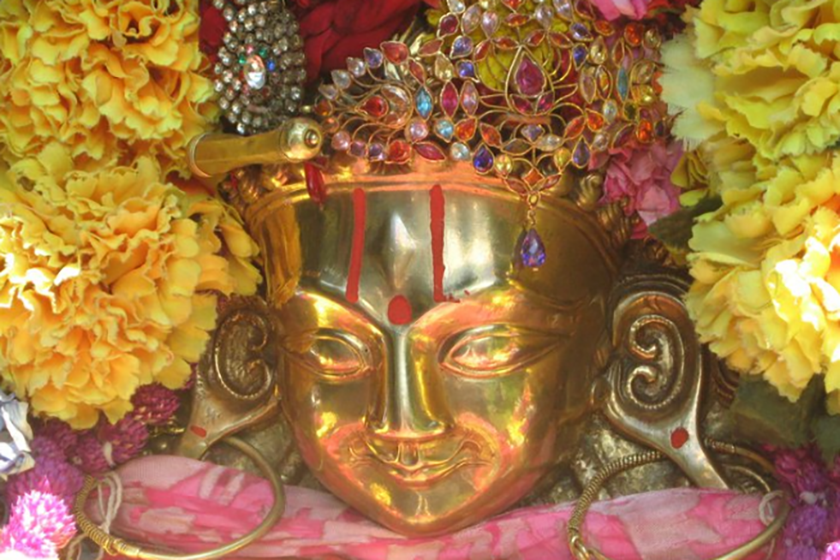
An Archaeological Survey of India report records a four-storeyed shrine at Baggi and describes metal moharas associated with its ratha. The moharas are sacred metal faces used in the deity’s processional ensemble. The report’s dating of some objects gives a reference point for their history. Ask at the shrine about what can be seen during an ordinary visit, since processional objects may only be brought out for particular occasions.
🙏 Visiting with Respect
Leave footwear where indicated and ask before entering any room used to keep ritual objects. If a procession or ceremony is underway, give the attendants and bearers space. Ask permission before photographing sacred objects or worshippers.
❓ Quick Questions Travellers Ask
- Which village should I ask for in Banjar? Ask for Shringa Rishi Temple at Bagi in Chaihni panchayat.
- Is Chehni Kothi part of darshan? It is a separate stop. Check the walking approach if you want to do both in one visit.
- Does the deity attend Kullu Dussehra? The official directory lists participation at Kullu. Check the current programme if you want to see the gathering.
A Final Thought
At Bagi, the story of Shartangan and the image on Sakiran Jot gives the shrine its local setting. The festival at Kullu offers a second way to see the deity’s place in the valley’s religious life.