
Temple & sacred site
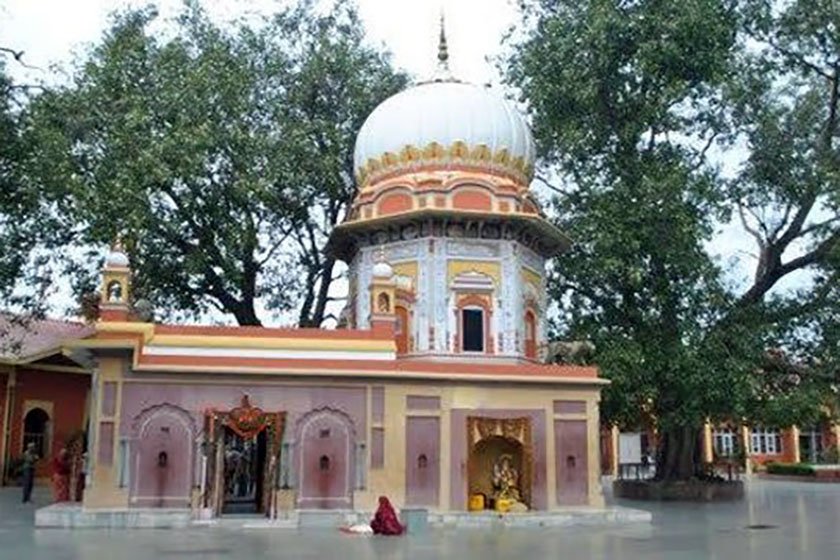
Maa Bala Sundri Temple, Trilokpur
The Child Goddess of Sirmaur
At a glance
- Location
- Trilokpur village near Kala Amb, Sirmaur district
- How to reach
- Via Kala Amb, then the local road to the Trilokpur temple
At Trilokpur near Kala Amb, a royal temple grew around a village tradition of finding the goddess in a sacred stone.
Maa Bala Sundri Temple stands in the lower hills of Sirmaur, close to the Haryana border. Devotees worship Bala Sundri as a youthful form of the goddess. The best way to understand this shrine is to follow two accounts side by side. The temple trust tells the story of a salt merchant, while the district administration records the ruler associated with building the temple.
🌄 Location and how to reach it
The temple is in Trilokpur village, Sirmaur district, approached through Kala Amb. From Nahan, take the road towards Kala Amb before turning for Trilokpur. Travellers coming from the plains can use Kala Amb as the same approach point.
Google Maps: Find Maa Bala Sundri Temple
- By road: Set the destination to Maa Bala Sundri Temple in Trilokpur, Sirmaur. Around the fair, follow the posted traffic directions for the last stretch.
- By public transport: Ask for the current Trilokpur connection at Kala Amb or Nahan. If your bus stops at Kala Amb, check how you will cover the village leg and make the return.
- At the temple: Locate the darshan entrance before joining a queue. If anyone in your group needs a shorter walk, ask where vehicles can drop passengers that day.
🌸 Best Time to Visit
An ordinary weekday is a good choice if you want time to look around the temple after darshan. The spring and autumn Navratri fairs are the occasions to see Trilokpur in full pilgrimage activity. They also change the pace of the visit. Allow more time for traffic, parking and the darshan line, and check the trust notices for the festival dates and arrangements.
🪔 The Salt Merchant and the Pindi
In the trust’s account, a merchant named Lala Ram Dass brought salt from Devban. The supply seemed to last beyond what he expected. The goddess then appeared in a dream and revealed that her presence was in the form of a pindi, a sacred stone in the salt. The tradition connects the merchant’s discovery with the decision to establish a temple.
The pindi is the important detail to know before you enter. It gives the story of the merchant a visible connection to the form worshipped here. Local versions may vary in their details, so the trust’s account is a good starting point for the story you hear at the shrine.
📜 The Temple and Sirmaur’s Rulers
The Sirmaur district administration credits Raja Dip Parkash with building the temple in 1573. That date refers to the founding temple in the district account. The village tradition explains why devotees regard this particular place as sacred, while the royal connection places the shrine in the history of Sirmaur.
🙏 Visiting with Respect
Remove footwear at the designated place and keep the darshan line moving once you reach the sanctum. Check the temple’s signs before using a camera. If you bring an offering, ask the attendants where to hand it over, especially during the fair when different queues may be in use.
❓ Quick Questions Travellers Ask
- Which Trilokpur should I search for? Use Trilokpur near Kala Amb in Sirmaur district. Including Kala Amb in the search helps distinguish the village from other places called Trilokpur.
- Is the temple an easy outing from Nahan? Yes, the route goes via Kala Amb. Give yourself more time if your visit falls during a Navratri fair.
- Where can I check festival arrangements? Use the temple trust’s notices for the year’s programme and look for local traffic instructions before setting out.
A Final Thought
On a quieter visit, the pindi and the merchant’s story give a simple point of focus. At Navratri, the queues and offerings show how far that village tradition now reaches.