
Temple & sacred site
Tauni Devi Temple, Hamirpur
The Vow of Twelve Brothers
At a glance
- Location
- Tauni Devi, Hamirpur district
- How to reach
- Road to Tauni Devi; confirm parking and the final approach to the shrine
At Tauni Devi, a family migration story and a distinctive custom involving designated stones give a Hamirpur goddess shrine its own devotional identity.
Tauni Devi Temple is on the Hamirpur–Awah Devi road. Devotees come for the goddess’s blessings, with family traditions and an annual gathering sustaining a wider connection than the size of the shrine alone might suggest.
The best-known account concerns twelve Chauhan brothers and their sister, remembered as unable to hear. It should be approached as sacred narrative, with care for the human figure at its centre rather than as a judgement about disability or misfortune.
🌄 Location and how to reach it
Regional descriptions place the temple around thirteen kilometres from Hamirpur on the Awah Devi route.
Google Maps: Find Tauni Devi Temple in Hamirpur district
- Final approach: Confirm the current entrance, parking and the final walking approach when arranging transport.
- By road, rail or air: Hamirpur is a practical base for the local road connection. For a wider rail or air journey, arrange onward travel separately and check current services. Ask about steps and access between different parts of the complex if mobility is a concern.
- Finding the temple: Use the temple name as well as the town name; a map result for Tauni Devi locality may not show the actual visitor entrance.
🌸 Best Time to Visit
Spring and autumn are comfortable choices for a visit combined with the surrounding hills. In summer, carry water and avoid making the day too crowded with stops. Rain can make approaches wet and may affect local road conditions.
For a normal worship day, enquire about current opening arrangements. For Navratri or a fair, confirm the year’s programme and allow time for a larger gathering.
📖 Twelve Brothers and Their Sister
A regional account tells of twelve Chauhan brothers seeking refuge in the hills with their sister. After a disturbing sign appeared while a home was being established, blame was placed on her.
In the devotional story, she undertook penance and disappeared into the earth on the tenth day of Ashadha. Her brothers later established a shrine in her memory. Other retellings place more emphasis on her meditation than on the family’s accusation.
The narrative belongs to local tradition rather than a documented account of the family’s migration. Its continuing religious meaning lies in the sister’s recognition as a protective goddess.
🙏 Family Deity and Continuing Worship
Tauni Devi is associated in local accounts with Chauhan family traditions. Devotees approach her for protection, wellbeing and the fulfilment of vows, with families returning across generations.
A family-deity relationship carries particular stories and customs, but a first-time visitor can still come respectfully. Ask what is appropriate rather than assuming that every family follows an identical ritual.
Beliefs about blessings or relief from illness should remain clearly devotional. A prayer is not a promise of a particular outcome, and the visit need not involve an elaborate ceremony to be meaningful.
🪨 The Stone-Striking Custom
Regional reporting describes devotees striking stones kept for the purpose when making a prayer or vow. The custom is explained through the tradition that Tauni Devi could not hear.
If you wish to participate, ask an attendant to show the designated objects and the current practice. This is a specific devotional custom, not an invitation to strike temple walls, sculpture or any loose stone you find.
The claim that every wish will be fulfilled is a statement of faith, not a result this guide can guarantee. Visitors can observe quietly without performing the custom themselves.
🏛️ The Temple and Its Present Form
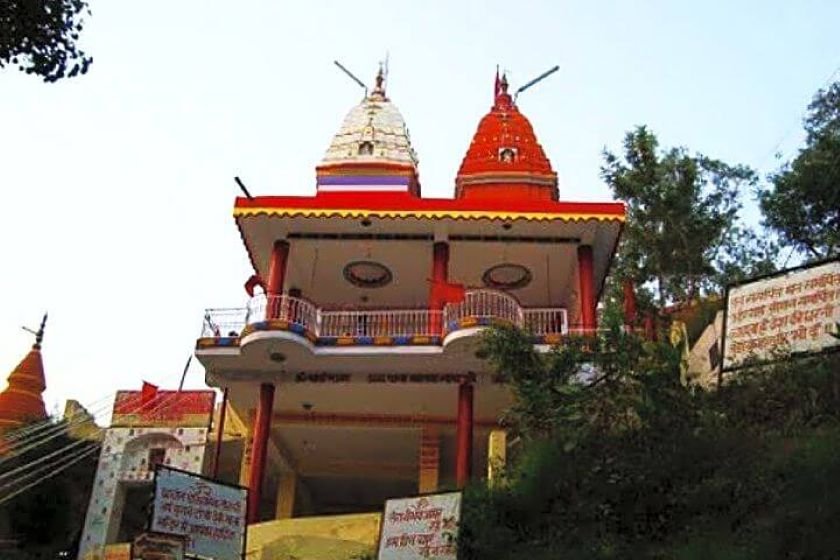
Published descriptions portray a developed, multi-level complex with other devotional spaces alongside the main goddess shrine. Ask which areas are open and how to move between them, particularly if there are queues or a service in progress.
Look at the building through its use: a place for darshan, family visits and shared religious occasions. Often-repeated estimates of three or four hundred years do not establish the construction date of every part visible today.
No secure founding year is asserted here. The story of the brothers and sister is not used to assign an archaeological date to the current structure.
🪔 Ashadha and Navratri
Local accounts connect the shrine’s annual gathering with Ashadha, the month associated with the goddess’s disappearance in the story. Check the current date and programme directly rather than assuming a fixed late-June date every year.
Navratri also draws devotees in regional descriptions. If a bhandara is being served, follow the volunteers’ guidance and take only what you can eat. Confirm food or accommodation needs in advance instead of relying on an older report.
👣 Visitor Etiquette
Follow footwear instructions and ask about sanctuary entry and photography. Give families space for personal prayer, and avoid filming the stone custom or a ceremony at close range without permission.
Keep packaging out of the compound and leave routes clear between devotional areas. If you would like to hear the origin story, choose a suitable moment when an attendant is free to speak.
🏞️ Other Temples on a Hamirpur Visit
- Awah Devi: a separate goddess shrine farther along the wider road corridor.
- Kalanjari Devi: another regional temple, with its own relocation legend.
- Gasota Mahadev: useful for learning about a different village shrine and cattle-fair tradition.
- Sujanpur Tira: allow separate travel and visiting time for its temples and heritage.
❓ Questions Before You Go
Is Tauni Devi the same as Jhanyari Devi? No. They are separate shrines with different stories and family associations.
Why do devotees strike stones? The custom is linked to the story of the goddess being unable to hear. Ask about the designated objects and practice.
Is the twelve-brothers story documented history? It is presented as a local sacred tradition.
Are fair dates and visitor facilities fixed? Confirm the programme and facilities for the year and day of your visit.
A Last Word
Tauni Devi’s distinctive story deserves a thoughtful hearing. Come for the living worship, ask about the customs carefully and allow the community’s account to give the place its meaning.
Sources and Further Reading
- Himtimes: Tauni Devi — attributed family narrative, stone custom and temple description; claims of guaranteed outcomes are devotional.
- Being Pahadia: Hamirpur temple overview — regional context.
- Hamirpur district administration — district information and public notices.