
Temple & sacred site
Gasota Mahadev Temple, Hamirpur
The Lingam No King Could Lift
At a glance
- Location
- Gasota Mahadev, Gasota village, Hamirpur district
- How to reach
- Road towards Gasota on the Hamirpur–Jahu side; confirm the temple approach locally
At Gasota, Shiva worship, a farmer’s discovery legend and a long-standing cattle fair keep the temple closely connected with the rural life around Hamirpur.
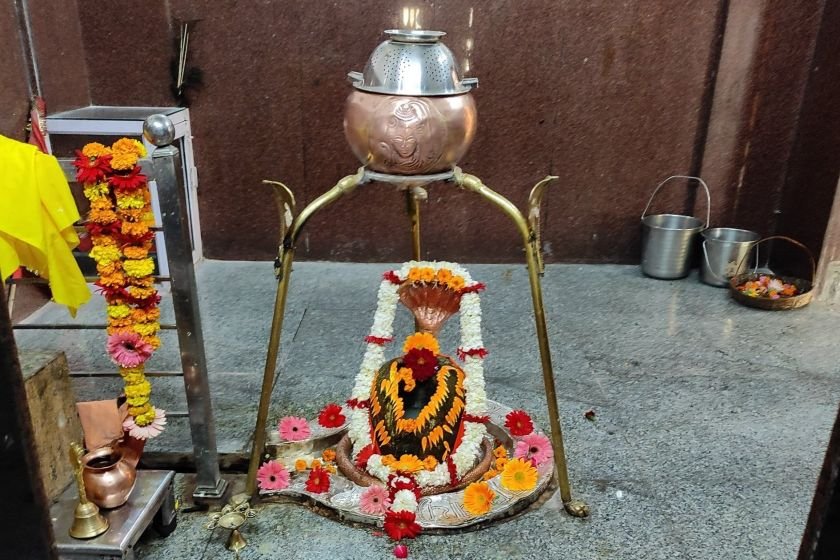
Gasota Mahadev Temple is a Shiva shrine on the Hamirpur–Jahu side of Hamirpur district. Devotion centres on the Shivling, with streams and the surrounding village forming part of the setting described in regional accounts.
The annual cattle fair is particularly distinctive. It brings worship together with the practical life of a farming region, making Gasota a place whose significance extends beyond a single origin story.
🌄 Location and how to reach it
Gasota lies on the Hamirpur–Jahu road. Published descriptions place it roughly eight to nine kilometres from Hamirpur.
Google Maps: Find Gasota Mahadev Temple
- By road: Confirm the temple turn and final vehicle approach locally.
- Regional connections: Hamirpur is a useful base for road transport and accommodation. Travellers arriving at a regional airport or railway station still need an onward road plan. Confirm accessibility needs directly; a short road journey does not establish that every part of the compound is step-free.
- Parking: Ask where to park, especially during a fair, and how far visitors need to walk to the sanctuary.
🌸 Best Time to Visit
Spring and autumn are comfortable seasons for darshan and time outdoors. Summer visits call for drinking water and a plan for the heat. Rain can change stream levels and walking conditions, so remain on established approaches.
For the temple at its most communal, ask about the cattle fair or Shivratri programme. For a quieter visit, choose a normal worship day and confirm the opening arrangements locally.
📖 The Farmer’s Discovery
A local tradition begins with a farmer whose plough struck a sacred stone. In one published version, water, milk and blood appeared, followed by a dream identifying the discovery as a naturally manifested Shivling.
The farmer and village then established worship at the place of discovery. The account gives an ordinary field a sacred identity, placing the temple’s beginnings within the work of rural life.
These are devotional narratives. They do not provide an archaeological date for the Shivling or a verified sequence of events beneath the present building.
👑 The Lingam That Could Not Be Moved
Another local telling says that a king wanted the discovered Shivling taken to his own seat. Those sent to lift it could not move it, and worship remained at Gasota.
The story explains the shrine’s location through the deity’s own decision. It is recorded in regional travel writing, but the ruler’s identity and the supposed relocation attempt are not established here as documentary history.
The theme has parallels at other Himachali shrines. Each version belongs to its own community; similarity between stories does not prove that their buildings share a founder or date.
💧 Bhima and the Water Tradition
A regional account also connects the local water source with Bhima. During the Pandavas’ travels, cattle suffered from a lack of water; Bhima is said to have struck the ground with his mace, bringing forth a spring.
The tale links water, livestock and protection. It adds another layer to Gasota’s sacred setting, while the flowing water itself should be understood according to present conditions rather than a promise that a particular pool or outlet can never dry.
Leave the stream edges clean and follow local instructions. A sacred water association does not establish suitability for swimming or drinking.
🙏 Worship and the Temple Setting
Gasota is dedicated to Lord Shiva. Visit the sanctuary according to its current rules, and ask where water or other offerings should be placed. Give devotees time and room for their prayers.
Regional accounts describe a gaushala and other facilities associated with the compound. If you wish to donate for cattle care or use a visitor facility, ask the responsible people about current arrangements and appropriate contributions.
Often-repeated age estimates describe the shrine as several centuries old. No dated foundation record is established here, and the age of the sacred tradition should not automatically be assigned to every visible part of the building.
🐂 The Gasota Cattle Fair
The first Monday of Jyeshtha is identified in district and regional accounts with the Gasota cattle fair. Worship and the buying and selling of cattle have historically brought people to the same gathering.
Confirm the date and format for the year you plan to travel. Lunar-calendar observances should not be reduced to a permanent fixed May date, and the scale or duration of an event may change.
If visiting during the fair, allow extra time for traffic and keep clear of animals and their handlers. Ask before photographing people at work, and follow directions around temporary stalls and routes.
🪔 Practical Arrangements and Etiquette
Check any meal service, accommodation or special worship directly. A published mention of a dharamshala or langar does not establish present availability or a guaranteed daily schedule.
Remove shoes where instructed, speak quietly near the sanctuary and leave sacred objects untouched. Avoid filming close to someone making a personal prayer. Carry away food packaging and keep offerings out of streams unless guided through a permitted practice.
🏞️ Other Temples Around Hamirpur
- Shani Dev at Lambloo: a modern shrine with a different weekly devotional rhythm.
- Jhanyari Devi: a goddess shrine associated with Katoch tradition.
- Kalanjari or Tauni Devi: other local destinations to plan by their actual road connections.
- Sujanpur Tira: allow separate time for Murli Manohar, Narvadeshwar and the town.
❓ Questions Before You Go
Is the temple on the Nadaun road? Gasota’s approach is described on the Hamirpur–Jahu side. Confirm the correct destination locally.
Was the lingam impossible for a king to lift? That is a local sacred story, not an independently established historical event.
When is the cattle fair? Accounts identify the first Monday of Jyeshtha. Check the actual programme for your year.
Can visitors swim nearby? No swimming recommendation is made here. Follow current local restrictions and water conditions.
A Last Word
Gasota’s stories return repeatedly to the field, the water and the cattle. They give the shrine a rooted character that is best appreciated by taking time for both the temple and the community around it.
Sources and Further Reading
- Hamirpur district: Gasota — location, temple setting and cattle-fair tradition.
- Divya Himachal, 28 January 2023: Gasota Mahadev — discovery and Bhima traditions, identified as local accounts.
- Regional travel account: Gasota Mahadev — the king-and-immovable-lingam legend.
- DevBhumi: Gasota Mahadev — temple and fair background; its unrelated transport paragraph should not be used for directions.