
Temple & sacred site
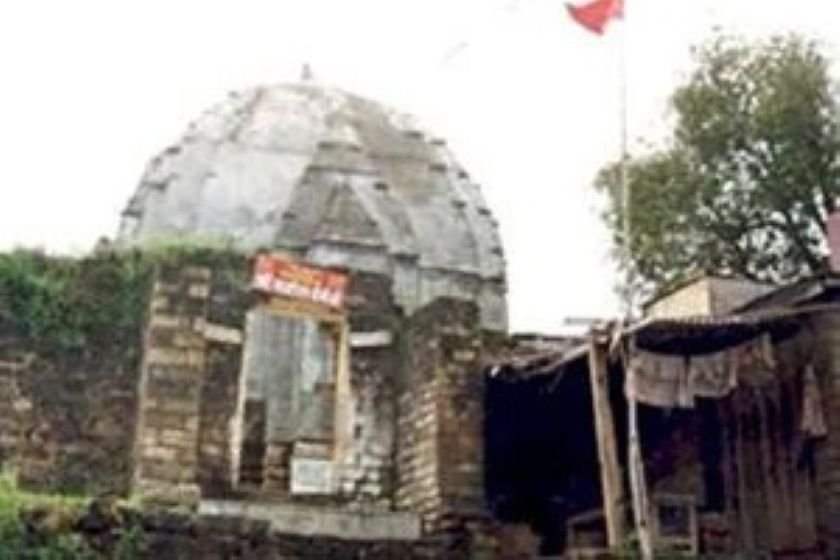
Kalanjari Devi Temple, Hamirpur
The Goddess Who Would Not Be Carried Away
At a glance
- Location
- Kalanjari Devi shrine, Hamirpur district
- How to reach
- Confirm the correct Kalanjari / Kalanjhari temple and current approach locally
Near Hamirpur, Kalanjari Devi is remembered through a compact local legend: an image taken away, sight lost on the journey and the goddess restored to her own place.
Kalanjari Devi Temple is a regional goddess shrine associated with the Hamirpur–Awah Devi road. Its story centres on the connection between the Devi and the community that worships her here.
Come for darshan, the local tradition and a quieter part of Hamirpur’s temple landscape. The available documentation is modest, so this guide distinguishes the recorded legend from claims about the age or construction of the building.
🌄 Location and how to reach it
Regional accounts place the temple about six kilometres from Hamirpur town on the Awah Devi road.
Google Maps: Search for Kalanjari Devi Temple in Hamirpur
- By road: Use that as orientation and confirm the correct village turn and temple approach locally.
- Parking and the final walk: Arrange the local road connection from your base and ask where visitors should park or be dropped off. If steps or walking distance matter, ask about the specific route to the sanctuary rather than assuming that a roadside location is fully accessible.
- Finding the temple: Include Himachal Pradesh in the search to avoid confusion with similarly named places elsewhere.
🌸 Choosing a Day to Visit
A normal worship day and a fair offer different experiences. For quiet darshan, enquire about a suitable visiting time. For a gathering, confirm the date and the community’s arrangements before planning around it.
Hamirpur’s lower hills can be hot in summer, while rain may affect local roads and paths. Carry water and allow a little flexibility in the itinerary. There is no verified fixed daily timetable given here.
📖 The Goddess Who Was Brought Back
A regional account records the belief that people from the Mandi side carried the goddess’s image away to install it in their own area. On the journey, they lost their sight. As they turned back towards the original place, their vision returned, and the image was restored.
The story explains why devotees understand the shrine’s location as the goddess’s choice. It is a sacred tradition, not an independently documented incident or an account of a medical condition.
Similar motifs occur at other shrines, including accounts associated with Awah Devi. That resemblance should not erase Kalanjari’s own identity or be used to assume that the two temples are the same place.
🙏 Devotion to Kalanjari Devi
Published regional descriptions portray the temple as a place where devotees seek blessings and the fulfilment of wishes. Families may bring their own customs of prayer and thanksgiving, guided by the people responsible for worship.
Ask what offerings are appropriate and where they should be placed. A visitor does not need an elaborate ritual programme to appreciate a small shrine; an unhurried period of quiet attention can be enough.
Beliefs about protection, recovery or answered prayers belong to devotional life. They should be presented as beliefs rather than promises about what a visit will accomplish.
📜 What Is Known About Its History?
The DevBhumi regional account describes Kalanjari as more than two hundred years old. That is a published age estimate, not a dated foundation inscription established for this guide.
No secure founder, construction sequence or specific royal patron is asserted here. Hamirpur’s wider Katoch history does not by itself prove that a Katoch ruler built every shrine in the district.
The continuing worship and the place-name are the useful starting points. For more detailed history, ask whether the temple community preserves records, inscriptions or a local account that can be identified and checked.
🪔 The Asharh Fair
The regional account identifies a fair in Asharh, broadly June–July, as a notable gathering at Kalanjari. The actual date should be checked for the year of your visit.
Ask about worship, public access and practical arrangements rather than assuming a fixed programme of performances or meals. A fair may also bring traffic and queues that change the time needed for a visit.
For Navratri or another occasion, obtain the temple’s own current information. A festival’s importance across goddess worship does not establish the precise local observance.
👣 A Considerate Temple Visit
Follow footwear instructions, speak quietly and leave the entrance clear for worshippers. Ask before entering the sanctuary or photographing the deity.
Give people at prayer their privacy. If someone shares a story, listen without asking for a ritual to be repeated for a camera. Avoid leaving plastic, packaging or food waste around the temple.
No verified temple phone number, fee or accommodation facility is supplied here. Local enquiries are more useful than relying on an unconfirmed listing.
🏞️ Other Hamirpur Temples
- Awah Devi: a separate hilltop goddess shrine on the Hamirpur–Mandi side.
- Gasota Mahadev: a Shiva temple to consider in a wider Hamirpur itinerary.
- Jhanyari or Tauni Devi: other local goddess destinations, each with its own stories and approach.
- Sujanpur Tira: allow a separate portion of the day for its temples and heritage.
Choose a few stops and confirm the road connections. Visiting every shrine named in a district guide is unlikely to leave much time for any one of them.
❓ Questions Before You Go
Is Kalanjari the same temple as Awah Devi? No. They are separate destinations even though some recorded legends share a theme.
Is the relocation story historical fact? It is presented here as local sacred tradition.
When is the main fair? Regional descriptions name Asharh; confirm the actual date locally.
Is the temple’s exact building age established? The often-repeated age estimate has not been verified through a dated foundation record here.
A Last Word
Kalanjari Devi’s story gives a small shrine a strong sense of belonging. Visit with time for darshan and for the community’s own account of why the goddess is worshipped at this place.
Sources and Further Reading
- DevBhumi: Kalanjari Devi Temple — regional description of location, age estimate, fair and attributed legend.
- Himachal Town and Country Planning: Hamirpur development plan — regional temple listing; not a current visitor timetable.