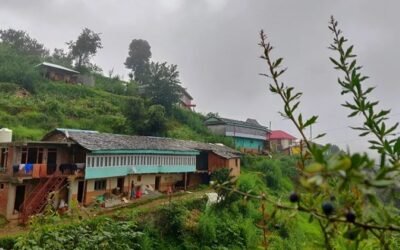
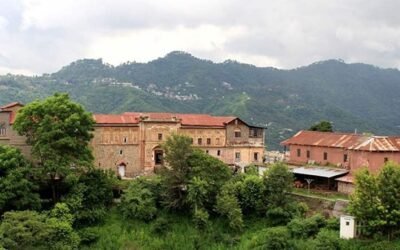
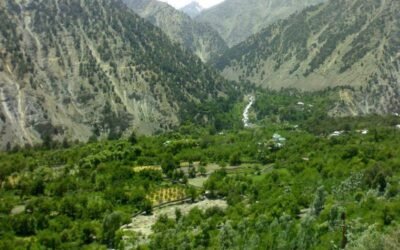
Fort Bachhretu, also written as Bachhretu Fort or Bacchretu Fort, is one of the lesser-known historical gems of Bilaspur district in Himachal Pradesh. Located on the Kot Dhar range near Bachhretu village, this old hill fort is known for its ruined stone walls, strategic hilltop setting, local legends, temple remains, and wide views of Gobind Sagar and the surrounding hills.
The fort is believed to date back to the period of Raja Ratan Chand of Kahlur/Bilaspur, who ruled during the 14th century. Today, the fort is mostly in ruins, but its remaining walls and layout still show that it was once an important defensive structure of the old Bilaspur state.
For travellers who enjoy forgotten forts, quiet hill routes, history, photography, and offbeat places, Fort Bachhretu is a meaningful hidden gem in lower Himachal.
Quick Information About Fort Bachhretu
| Detail | Information |
|---|---|
| Place | Fort Bachhretu |
| Also Written As | Bachhretu Fort / Bacchretu Fort |
| District | Bilaspur, Himachal Pradesh |
| Range | Kot Dhar |
| Near | Bachhretu village, Changar Talai, Ghumarwin |
| Best Known For | Old fort ruins, stone walls, hill views, Gobind Sagar views, Bilaspur history |
| Historical Association | Raja Ratan Chand of Kahlur/Bilaspur |
| Approximate Elevation | Around 3,000 feet |
| Approximate Distance from Ghumarwin | Around 34 km |
| Ideal Visit Duration | 1 to 2 hours |
| Best Time to Visit | October to March |
| Suitable For | History lovers, photographers, offbeat travellers, local explorers |
| Travel Type | Hidden Gem / Heritage Fort / Offbeat Historical Place |
Why Fort Bachhretu is a Hidden Gem
Fort Bachhretu is a hidden gem because it is one of the old fort sites of Bilaspur district, but it remains away from regular tourist attention. Many travellers know Bilaspur for Gobind Sagar Lake, Shri Naina Devi Ji Temple, Kandraur Bridge, Markandeya Ji Temple, and highway routes, but very few explore the smaller hill forts of the old Kahlur region.
The fort does not offer polished restoration or a developed tourist setup. Its charm lies in its raw condition. The ruined walls, scattered remains, hilltop location, and quiet surroundings give visitors a strong feeling of history.
This is a place for people who enjoy old stones, forgotten routes, local stories, and views from historic hill points. Fort Bachhretu may not look grand in the modern sense, but it carries the memory of an older Bilaspur.
Historical Importance of Fort Bachhretu
Fort Bachhretu is associated with the old Kahlur state, which later became known as Bilaspur. The fort is commonly linked with Raja Ratan Chand, who ruled Kahlur from 1355 to 1406.
Bilaspur district has several small ancient fortresses, including Bachhretu, Bahadurpur, Basseh, Fatehpur, Sariyun, Swarghat and Tiun. These forts were part of the defensive and administrative landscape of the old hill state.
Fort Bachhretu was strategically located on the Kot Dhar range. Such forts were usually built on high ridges so that rulers could watch nearby routes, control movement, protect the region, and keep a defensive advantage.
Location on Kot Dhar
Fort Bachhretu stands on the Kot Dhar range near Bachhretu village. The name Kot Dhar itself is connected with the fort, showing how important this structure once was to the identity of the hill range.
The fort is located above Changar Talai side and offers views towards Gobind Sagar and the surrounding hills. Its location explains why it would have been useful in earlier times. From a high position, the fort could oversee the region and act as a strong hill post.
The setting is peaceful and not heavily commercial. Visitors should expect a quiet rural hill route rather than a developed monument approach.
Fort Layout and Ruins
Today, Fort Bachhretu is mostly in ruins, but its remaining layout still gives an idea of its original size. The fort is believed to have had a rectangular plan, with old stone walls and several rooms inside the enclosure.
Some descriptions mention that the fort walls were once very high and thick, built with hammer-dressed stone. Around 15 rooms can still be traced from the remains in some accounts. There are also references to underground chambers, possibly used for storage in earlier times.
These remains show that Fort Bachhretu was not just a small watch post. It was a proper hill fort with defensive walls, internal spaces, storage areas, and a strategic location.
Stone Walls and Old Construction
The remaining walls of Fort Bachhretu are one of its most important features. Even in ruined form, they show the strength of old hill-fort construction. The use of dressed stone and thick walls reflects the defensive needs of the time.
Unlike decorative palaces, hill forts in lower Himachal were practical structures. They were built to survive attacks, protect people and resources, and control important locations.
For visitors interested in architecture, Fort Bachhretu gives a simple but powerful example of old mountain defence construction.
Temple Remains Inside the Fort
Fort Bachhretu is also associated with temple remains inside the fort area. Some accounts mention a small temple with images of local deities, including a form of Ashta Bhuja Devi.
This shows that forts were not only military structures. They often had sacred spaces inside, because religion, protection, kingship, and daily life were closely connected in hill states.
Visitors should treat any temple remains or sacred objects with respect. Do not touch, move, damage, or photograph religious objects carelessly.
Views from Fort Bachhretu
One of the best reasons to visit Fort Bachhretu is the view from the hilltop area. The fort gives wide views of the surrounding hills and parts of the Gobind Sagar side.
The landscape is especially beautiful during clear weather. The lower-Himalayan hills, rural settlements, lake-side views, and open sky create a peaceful travel experience.
For photographers, the fort offers a mix of ruins, stone walls, rural roads, hills, and lake views. Morning and late afternoon are usually better for photography.
Best Time to Visit Fort Bachhretu
The best time to visit Fort Bachhretu is from October to March. During these months, the weather is more comfortable for walking, photography, and exploring the fort remains.
Summer can be hot in Bilaspur district, especially during the afternoon. If visiting between April and June, plan your visit early in the morning or later in the evening.
Monsoon brings greenery, but the route and old stone areas can become slippery. Travel carefully during heavy rain.
Winter is pleasant for a short heritage outing, especially if you enjoy quiet hill places without crowds.
How to Reach Fort Bachhretu
Fort Bachhretu is best reached by road. The main nearby reference points are Bachhretu village, Changar Talai, Ghumarwin and Bilaspur town.
From Bilaspur
Travellers from Bilaspur town can drive towards the Ghumarwin side and continue towards the Bachhretu region depending on the selected route. Road conditions and local village roads should be checked before starting.
From Ghumarwin
Ghumarwin is one of the practical route points for visiting Fort Bachhretu. The fort is around 34 km from Ghumarwin side according to commonly available references. Local guidance may be useful for the final approach.
From Changar Talai
Changar Talai is a closer local reference point. The fort is located above this side near Bachhretu village. If you are travelling for the first time, ask locals for the correct route to the fort area.
From Chandigarh
Travellers coming from Chandigarh can include Fort Bachhretu as part of a Bilaspur heritage route. It is better planned with other nearby places instead of as a standalone long-distance trip.
Suggested Half-Day Plan
Start early from Bilaspur or Ghumarwin and drive towards the Bachhretu side. Reach the nearest accessible point and continue towards the fort area with local guidance if needed.
Spend time exploring the ruined walls, old layout, temple remains, and surrounding views. Do not rush the visit. Fort Bachhretu is best understood slowly.
After visiting the fort, you can return towards Ghumarwin or Bilaspur and include nearby places depending on your route.
Nearby Places to Visit
Fort Bachhretu can be combined with other historical, religious, and scenic places in Bilaspur district.
Gobind Sagar Lake
Gobind Sagar Lake is one of the main attractions of Bilaspur district. Its wide water views and peaceful surroundings can be added to a Bilaspur route.
Ghumarwin
Ghumarwin is an important nearby town and a practical route point for travellers visiting the Bachhretu side.
Kandraur Bridge
Kandraur Bridge is another interesting landmark in Bilaspur district, known for its height, old engineering importance, and Sutlej River views.
Markandeya Ji Temple
Markandeya Ji Temple is an important spiritual site in Bilaspur and can be included in a local religious and heritage circuit.
Shri Naina Devi Ji Temple
Shri Naina Devi Ji Temple is one of the most famous temples in Bilaspur district and can be added to a longer travel plan.
Travel Tips for Fort Bachhretu
Wear comfortable shoes because the fort area may involve walking on uneven ground, stones, and rough paths.
Carry drinking water and light snacks, especially during summer.
Take local guidance for the final route if you are visiting for the first time.
Do not climb broken walls or unsafe sections of the fort.
Avoid touching, moving, or damaging old stones, temple remains, or heritage objects.
Visit during daylight only. Old ruins and rural hill routes are not suitable for late evening exploration.
Be careful during monsoon because stones and paths can become slippery.
Respect local villages, private land, farms, and religious spaces.
Do not litter. Carry your waste back to a proper disposal point.
Who Should Visit Fort Bachhretu?
Fort Bachhretu is ideal for history lovers, photographers, offbeat travellers, local explorers, students, and people interested in the old hill forts of Himachal Pradesh.
It is also suitable for travellers who enjoy quiet places and do not mind visiting a site that is mostly in ruins.
This place may not suit visitors looking for luxury facilities, cafés, ticketed monuments, adventure activities, or a fully developed tourist setup. Fort Bachhretu is raw, quiet, and historical.
Final Words
Fort Bachhretu is one of the important hidden heritage places of Bilaspur district. Built on the Kot Dhar range and associated with Raja Ratan Chand of the old Kahlur state, the fort reminds visitors of Bilaspur’s forgotten hill-fort history.
Its ruined walls, old layout, temple remains, wide views, and peaceful surroundings make it a meaningful stop for travellers who like history beyond famous monuments.
For anyone exploring Bilaspur’s lesser-known side, Fort Bachhretu deserves a respectful and unhurried visit.