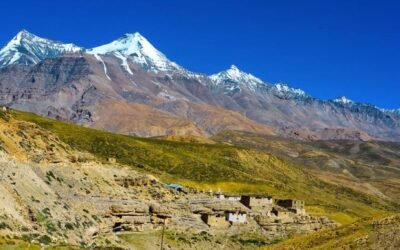
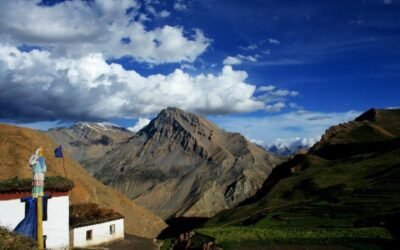
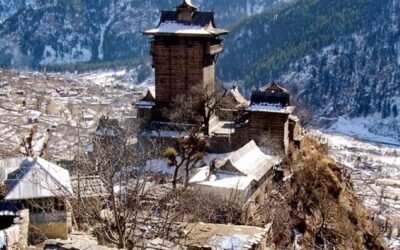
Habban Valley is a quiet and beautiful offbeat destination in Sirmaur district of Himachal Pradesh. Located in the hills near Rajgarh, this valley is known for deodar forests, village life, apple orchards, peaceful walking routes, and a refreshing mountain atmosphere. It is not a crowded tourist place, and that is what makes it special for travellers who want to see Himachal beyond the usual hill stations.
Habban is often described as a peaceful village valley surrounded by forests and hills. It lies in the Sirmaur region and is commonly reached from Solan through Rajgarh. The area sits at an elevation of around 6,770 feet, giving it pleasant weather for most of the year.
Quick Information About Habban Valley
| Detail | Information |
|---|---|
| Place | Habban Valley |
| District | Sirmaur, Himachal Pradesh |
| Near | Rajgarh |
| Best Known For | Deodar forests, apple orchards, village stays, peaceful valley views |
| Approximate Elevation | Around 6,770 feet |
| Approximate Distance from Solan | Around 70 km via Rajgarh |
| Ideal Visit Duration | Half day to 1 day |
| Best Time to Visit | March to June and September to November |
| Suitable For | Nature lovers, families, photographers, slow travellers |
| Travel Type | Hidden Gem / Valley Escape / Offbeat Village Destination |
Why Habban Valley is a Hidden Gem
Habban Valley is a hidden gem because it still feels quiet, local, and less commercial compared to popular Himachal destinations. Many travellers know Sirmaur for Churdhar, Renuka Ji, Rajgarh, and Haripurdhar, but Habban remains a softer and more peaceful corner of the district.
The valley is not about big hotels, loud markets, or crowded viewpoints. Its charm is in the natural setting — tall trees, village homes, orchards, narrow roads, and calm hill views. It is the kind of place where you slow down naturally.
For travellers who enjoy peaceful Himachal, Habban Valley offers a simple but refreshing experience. It is suitable for people who want nature, silence, village culture, and an offbeat travel feeling without going too far into remote terrain.
Location and Natural Setting
Habban Valley is located near Rajgarh in Sirmaur district. Rajgarh itself is known as the Peach Valley of Himachal and is recognised for its natural beauty, camping, and trekking possibilities.
Habban adds a more quiet village-valley character to this region. The surroundings are green, forested, and peaceful. Deodar trees are one of the main natural highlights of the area, and the valley has the kind of landscape that feels calm without needing much development.
The road journey towards Habban is also part of the experience. As you move away from busier towns, the hills become quieter, the villages feel more traditional, and the pace of travel becomes slower.
Deodar Forests and Green Views
One of the strongest reasons to visit Habban Valley is its natural beauty. The area is known for deodar forests and hill views, which give it a peaceful mountain character.
The forested surroundings make Habban suitable for relaxed walks, photography, and quiet time in nature. This is not a place where you need a packed sightseeing list. The best experience here is simply spending time in the valley, walking slowly, and enjoying the fresh air.
During clear weather, the views around Habban feel open and refreshing. During the rainy season and after monsoon, the greenery becomes richer, but visitors should be careful on narrow and slippery hill roads.
Apple Orchards and Village Life
Habban Valley is also associated with orchards and rural Himachali life. The wider Rajgarh belt is known for fruit cultivation, and many parts of this region have orchards, farms, and village-based livelihoods.
This makes Habban more interesting for slow travellers. You get to see a side of Himachal that is not built only around tourism. Local homes, fields, orchards, forest edges, and village roads together create the real charm of the valley.
If you are visiting during fruit season, the region feels more lively. However, visitors should always respect private orchards and local property. Do not enter farms or pluck fruit without permission.
Peaceful Village Walks
Habban Valley is best explored on foot, but slowly and respectfully. A short walk around the village side can show you the quiet beauty of the place better than any viewpoint.
The walking experience here is simple. You may pass by village homes, orchards, trees, small paths, and open hill views. There may not be formal tourist signboards everywhere, so it is better to take local guidance if you are planning to explore beyond the main village area.
This kind of travel is ideal for people who enjoy natural places without too much noise. Habban is not made for rushed sightseeing. It is made for slow travel.
Trekking and Nearby Trails
Habban Valley has nearby walking and trekking possibilities, including routes towards Banalidhar and the wider Churdhar side, as mentioned in local travel references.
These routes should not be treated casually without preparation. Weather, forest paths, distance, and local conditions can change the experience. If you are planning a longer walk or trek, take local advice, start early, carry water, and avoid going alone on unfamiliar routes.
For most visitors, light village walks and short nature walks are enough to enjoy Habban Valley.
Best Time to Visit Habban Valley
The best time to visit Habban Valley is from March to June and September to November. During these months, the weather is usually pleasant for road travel, walking, photography, and spending time outdoors.
Winter can also be beautiful, especially if you enjoy quiet hill places. The area may experience cold weather, and higher nearby sections can become chilly. Travel with warm clothes if you are visiting in winter.
Monsoon brings greenery but also makes hill roads more sensitive. Landslides, slippery patches, and low visibility can happen during heavy rain, so travel carefully.
How to Reach Habban Valley
Habban Valley is best reached by road. The usual route is through Solan and Rajgarh. It is commonly mentioned as being around 70 km from Solan via Rajgarh, though travel time can vary depending on road condition and stops.
From Solan
Solan is one of the most practical starting points for Habban Valley. From Solan, travellers can drive towards Rajgarh and then continue towards Habban. The route offers a peaceful lower-Himalayan drive through the Sirmaur side.
From Rajgarh
Rajgarh is the nearest major reference point for Habban. If you are staying in or around Rajgarh, Habban can be planned as a short offbeat trip.
From Chandigarh
Travellers coming from Chandigarh can plan Habban Valley as a long day trip or a relaxed overnight trip. Starting early is better because hill-road travel takes time.
From Shimla
Habban can also be approached from the Shimla side depending on the chosen route. Travellers should check local road conditions before planning.
Suggested One-Day Plan
Start early from Solan or Rajgarh and drive towards Habban Valley. Spend time enjoying the village surroundings, forest views, orchards, and peaceful walking routes.
Keep the plan light. Habban is not a destination where you need to cover too many attractions. The main experience is the valley itself.
After spending a few hours in Habban, you can return towards Rajgarh or continue towards nearby places depending on your route and daylight.
Nearby Places to Visit
Habban Valley can be combined with other peaceful places in the Rajgarh and Sirmaur region. This makes it a good part of a slow travel itinerary.
Rajgarh
Rajgarh is known as the Peach Valley of Himachal. It is a beautiful hill town with orchards, green surroundings, and a peaceful local character.
Churdhar
Churdhar is one of the most important trekking and religious destinations in the Sirmaur-Shimla region. It is suitable for travellers who want a more adventurous route, but it requires proper planning.
Shaya Village
Shaya village is associated with Shirgul Devta and lies in the wider Habban region. It can be considered if you are interested in local faith and village culture.
Solan
Solan is the main access town for many travellers coming from Chandigarh, Kalka, or Shimla. It works well as a starting or return point for a Habban Valley trip.
Travel Tips for Habban Valley
Drive carefully because the roads towards smaller hill villages can be narrow and winding. Avoid late-night driving if you are not familiar with the route.
Carry drinking water, basic snacks, a light jacket, and comfortable shoes. Facilities may be limited compared to popular tourist towns.
Respect local homes, orchards, and village life. Do not enter private farms without permission.
Keep the valley clean. Do not leave plastic, bottles, or food waste behind.
Network connectivity may vary in some patches, so download your map route in advance.
If you are planning a longer walk or trek, ask locals about the path and current conditions before starting.
Who Should Visit Habban Valley?
Habban Valley is ideal for nature lovers, photographers, families, slow travellers, and people who enjoy peaceful village destinations. It is also suitable for travellers who have already explored popular places and now want something quieter in Sirmaur.
This place may not suit visitors looking for luxury resorts, shopping streets, nightlife, adventure activities, or a heavily developed tourist setup. Habban is simple, natural, and local.
Final Words
Habban Valley is one of the quiet hidden gems of Sirmaur district. It has forests, orchards, village charm, hill views, and a peaceful atmosphere that makes it different from crowded tourist places.
For travellers who want to experience a slower and more natural side of Himachal Pradesh, Habban Valley is worth adding to the list. It is not a place that tries to impress loudly. It stays calm, green, and simple — and that is exactly why it feels special.