
Hidden gem
Haripur–Guler, Kangra
The Hill Fort and the Beginnings of Kangra Painting
At a glance
- Location
- Haripur and Guler, Kangra district
- How to reach
- Use Haripur as the fort destination and confirm the local approach
The walls above Haripur and the paintings associated with Guler tell two stories of the same small hill state.
Haripur and Guler are paired in Kangra’s heritage accounts. Haripur was the old capital, and its fort looks over the Banganga. The name Guler is also used for a school of painting that helped shape the style now associated with Kangra. A visit makes most sense when you know where to see the setting and where to look for the paintings themselves.
🌄 Location and how to reach it
The fort is above Haripur in Kangra district, near Guler. Search for Haripur–Guler or Haripur Fort in Kangra. The name Haripur is also used elsewhere in Himachal, so include the district when asking for directions.
Google Maps: Find Haripur–Guler, Kangra
- By road: Use Haripur as the destination for the fort. Ask locally where to stop and which public approach gives a view of the walls.
- By public transport: Ask at a regional bus stand about the Haripur or Guler connection and the return. If considering the Kangra Valley Railway, check current service and the onward leg from the station.
- On foot: Check the route from the settlement to the ridge. Visit the parts locals identify as accessible and leave time for the walk back.
🌸 Best Time to Visit
Choose a dry day with enough daylight to see the walls and the valley below. Ask about the approach after rain. If your trip also includes a museum for the paintings, check its opening hours separately.
🏰 Haripur and the Banganga
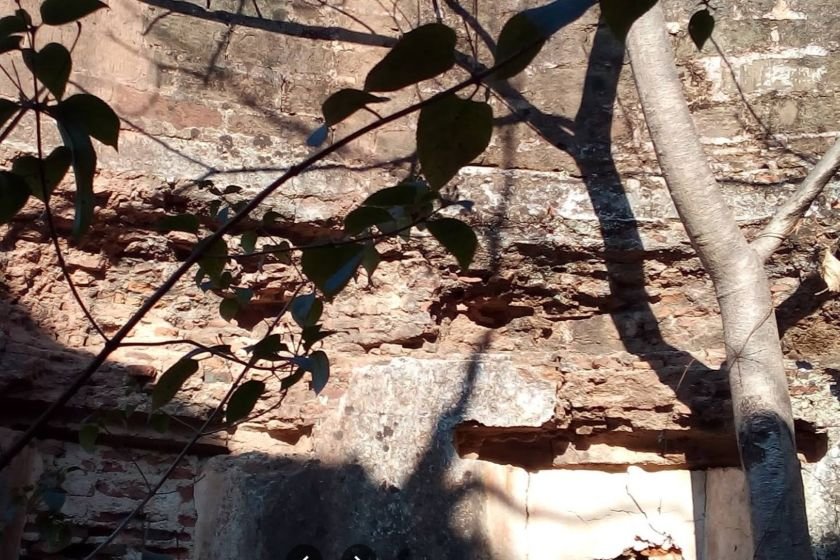
Himachal Tourism links the fort with Raja Hari Chand and notes the Banganga around the site. From a public viewpoint, look at how the walls follow the terrain. The ridge and river explain much of the position’s defensive value.
The visitor experience today is a look at surviving walls and the landscape through which the old state was organised. Give the fort some distance where the masonry is broken and use any marked public route.
🎨 How Guler Helped Shape Kangra Painting
Kangra district places the development of the Kangra school at Haripur–Guler in the eighteenth century and identifies Raja Govardhan Chand as a patron. The NCERT art history traces activity at the court even earlier and names Pandit Seu and his sons Manak and Nainsukh in the development of the Guler–Kangra style.
With those names in mind, look for paintings that show the artists’ attention to faces, gestures and landscape. The district points visitors to the Maharaja Sansar Chand Museum, adjoining Kangra Fort, for examples. Treat the museum as a separate stop. Haripur gives you the setting of the old court and the museum gives you a chance to see the art.
👣 Visiting the Fort
Keep to paths open to visitors and view fragile masonry from ground level. Ask before entering a courtyard or property in the settlement. If the fort approach is closed, ask where you can see the walls from a public road or path.
❓ Quick Questions Travellers Ask
- Are Haripur and Guler the same stop? They are neighbouring settlements associated with the former Guler state. For the fort, ask specifically for Haripur.
- Where can I see examples of Kangra paintings? Kangra district suggests the museum adjoining Kangra Fort. Confirm its opening arrangements.
- Can I plan around the train? Check the current railway service and how you will get from the station to Haripur before committing to that route.
A Final Thought
Start with the river and ridge at Haripur. Then look for the names of Guler’s painters in a museum. Seeing both gives the old court and its art a clearer place in Kangra’s history.