
Hydropower & River Projects
Luhri Stage I and Sunni Dam Projects, Sutlej Valley
Two SJVN works between Rampur and Koldam
At a glance
- Location
- Sutlej between Rampur and Koldam
- How to reach
- Via the Sutlej corridor; separate road approaches
- Walking difficulty
- Public approaches and designated viewpoints
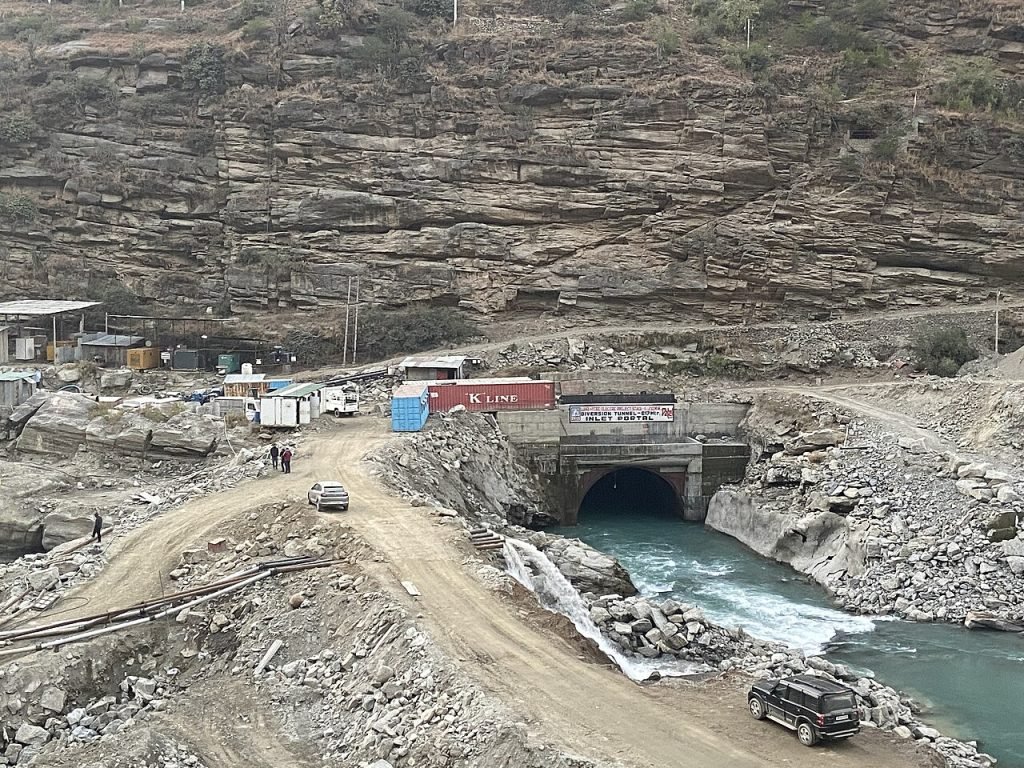
SJVN is building Luhri Stage I and Sunni Dam on separate stretches of the Sutlej. The designs call for 210 MW and 382 MW respectively.
🌄 Location and how to reach it
Locate the two schemes along the Sutlej downstream of Rampur. Sunni Dam’s project area is associated with the Shimla–Mandi reach, while the Luhri works occupy an upstream stretch. Choose a public settlement as your travel destination.
Google Maps: Map the approach
- By road: Confirm the road and public stopping point for the stage you want to understand. Work sites can have construction traffic and temporary diversions.
- By public transport: Ask about the service to the relevant Sutlej valley settlement. Arrange any last leg independently for each project.
- On foot: Use town and village lanes. Stay outside construction fencing and contact SJVN for authorised access.
🏗️ Luhri Stage I
SJVN lists 210 MW for Stage I. The design uses the fall of the Sutlej with pondage. SJVN also identifies a separate 172 MW Stage II in the wider plan. The current CEA construction inventory lists Stage I as an active works package.
⚙️ Sunni Dam
The 382 MW Sunni scheme is farther downstream. Its dam and power station would use a different reach and another drop before the water continues towards Koldam. The 382 MW design total describes the completed generating equipment.
🌊 Status along the cascade
Rampur and Koldam already generate power. The CEA records Luhri Stage I and Sunni Dam under construction. These phases involve different milestones, from diversion and concrete work to turbine installation and commercial operation. Check the date on any expected completion year.
Sources and Further Reading
Featured photo: Vishesh luck · Original image or video · CC BY-SA 4.0.
