
Temple & sacred site
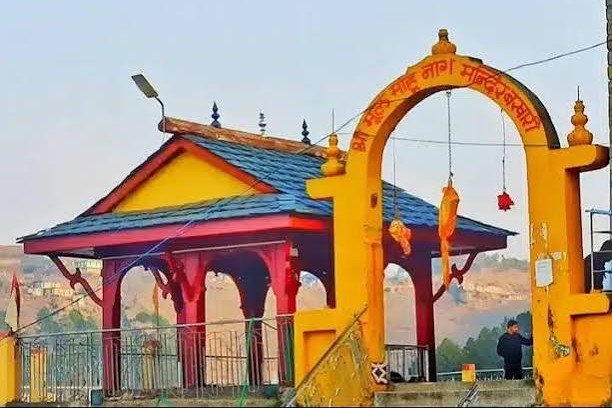
Mool Mahunag Temple, Karsog
Karna and the Village Fair at Bakhari
At a glance
- Location
- Bakhari in the Karsog area, Mandi district
- How to reach
- Use the Shimla–Karsog corridor and ask for the Bakhari turn to Mool Mahunag
On the Karsog side of Mandi, the Mool Mahunag shrine honours a local devta whom devotees associate with Karna of the Mahabharata.
Karsog’s temples are spread across several villages. The shrine at Bakhari is a useful addition to a visit that might already take in Mamleshwar Mahadev at Mamel or Kamaksha Devi at Kao. What makes the Mahunag stop distinctive is the way the village tradition connects a local deity with a figure from the epic.
🌄 Location and how to reach it
The shrine is at Bakhari in the Karsog area of Mandi district. A state environment master plan places the village on the Shimla–Karsog road corridor and identifies it with the Mahunag fair. Use Mool Mahunag Temple, Bakhari as the destination when asking for the final turn.
Google Maps: Find Mool Mahunag Temple, Karsog
- By road: From Karsog or from the Shimla side, ask for the Bakhari turn before leaving the main road. If you plan to visit Chindi or Kao the same day, check the connecting route with a local driver.
- By public transport: Ask at Karsog which bus serves the Bakhari side and where it drops passengers. Allow for a walk or a local ride between the drop-off and the shrine.
- At the temple: Confirm the vehicle approach and where to leave footwear. On fair days ask where visiting vehicles are being directed.
🌸 Best Time to Visit
Choose a daylight visit for a quieter look around the temple and its setting. For the Mahunag fair, check the dates with organisers in Karsog or Bakhari. Festival listings identify the fair as an established event in Mandi. Its programme and the arrangements for the approach are best confirmed for the year you are travelling.
📜 Karna in the Mahunag Tradition
In the Mahabharata, Karna is remembered as a warrior whose loyalty and generosity are central to his story. The Karsog tradition identifies him with Mahunag, the devta worshipped here. The association gives the story a local home. At Bakhari the emphasis is on the deity’s place in community worship and the annual gathering around the shrine.
The Kullu Dussehra directory records a separate tradition told about Shesh Nag of Jibhi that also names Mahunag in the old Suket region. It is an example of how the same landscape appears in the stories of more than one deity. The Bakhari shrine has its own local account and worship arrangements.
🥁 The Fair and the Village Visit
The state’s planning material names Bakhari in connection with the Mahunag fair. For visitors, the practical difference is the pace of the day. Allow time to find the worship line and ask where visitors can stand if a ceremony is under way. For a quieter journey, go outside the fair and leave enough time to ask about the temple and its setting.
🙏 Visiting with Respect
Follow the temple’s guidance on footwear, photography and where to stand. Ask permission before photographing a ceremony or objects carried by worshippers. If you are making several stops in Karsog, give this shrine time of its own.
❓ Quick Questions Travellers Ask
- What should I tell a driver? Ask for Mool Mahunag Temple at Bakhari in the Karsog area.
- Who is worshipped here? Devotees associate Mahunag with Karna of the Mahabharata.
- Can I combine it with other Karsog temples? Yes. Decide the order after confirming the village roads and how long you want to spend at each shrine.
A Final Thought
Mahunag is a reminder that the stories of the epics are also told through particular villages, deities and fairs. Bakhari is the place to hear this one in its local setting.