
Hydropower & River Projects
Nathpa Jhakri Hydroelectric Project, Sutlej Valley
The 1,500 MW station that also feeds Rampur
At a glance
- Location
- Nathpa, Kinnaur, and Jhakri, Shimla district
- How to reach
- NH5 via Rampur and Jhakri
- Walking difficulty
- Public approaches and designated viewpoints
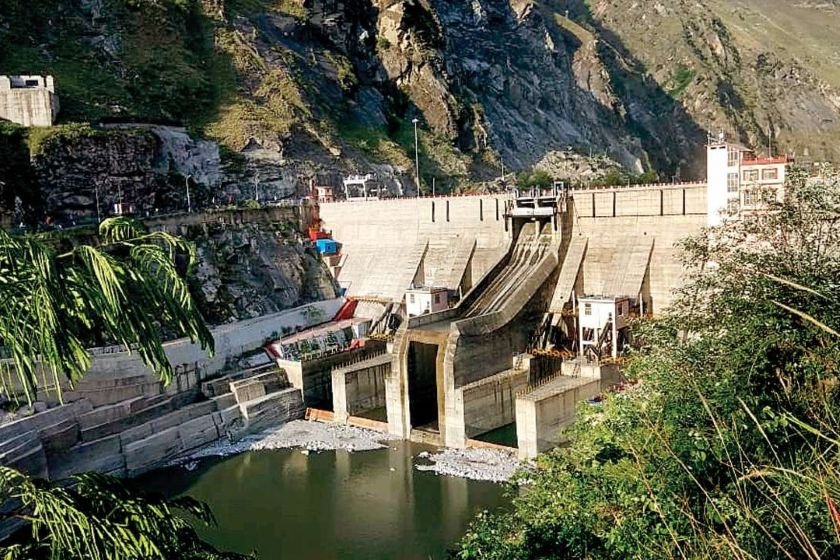
SJVN’s Nathpa Jhakri project diverts the Sutlej at Nathpa and generates electricity underground at Jhakri. Its discharge then supplies the downstream Rampur station.
🌄 Location and how to reach it
Nathpa is the dam site in Kinnaur and Jhakri is the power-station settlement in Shimla district. Both are on the Sutlej corridor, but they are separate destinations. Use Jhakri for the downstream end of the project or ask locally about a safe public view of the Nathpa stretch.
Google Maps: Map the approach
- By road: From Rampur Bushahr, follow NH5 towards Jhakri and onward towards Nathpa if the road is open. Plan stops in the settlements or at proper pull-offs.
- By public transport: Check for a Kinnaur-bound bus stopping in Jhakri and verify the return before continuing farther up the highway.
- On foot: Walk in the public parts of Jhakri. Confirm any organised visit directly with SJVN and keep away from project gates and river channels.
⚙️ How the station works
The dam diverts water into a system that removes much of the sediment before a roughly 27 km headrace tunnel carries it towards Jhakri. The elevation difference gives the water pressure to drive six 250 MW units, for 1,500 MW installed. The station reached commercial operation in 2004 after its units were brought into service in stages.
🌊 Where the water goes next
Jhakri’s discharge becomes the supply for SJVN’s Rampur project. Rampur uses another drop in the river valley, so the same water can generate power again before rejoining the Sutlej. SJVN’s two project profiles show how generation at Rampur depends on releases from upstream.
🪨 The role of sediment
The Sutlej can carry heavy sediment loads, particularly when rainfall or snowmelt increases flows. Desilting chambers slow the water so particles can settle before reaching the turbines. Suspended grit can still wear machinery, and high sediment levels can limit generation.