
Travel guide
Pabbar Valley
Himachal’s Hidden Gem for Offbeat Travel
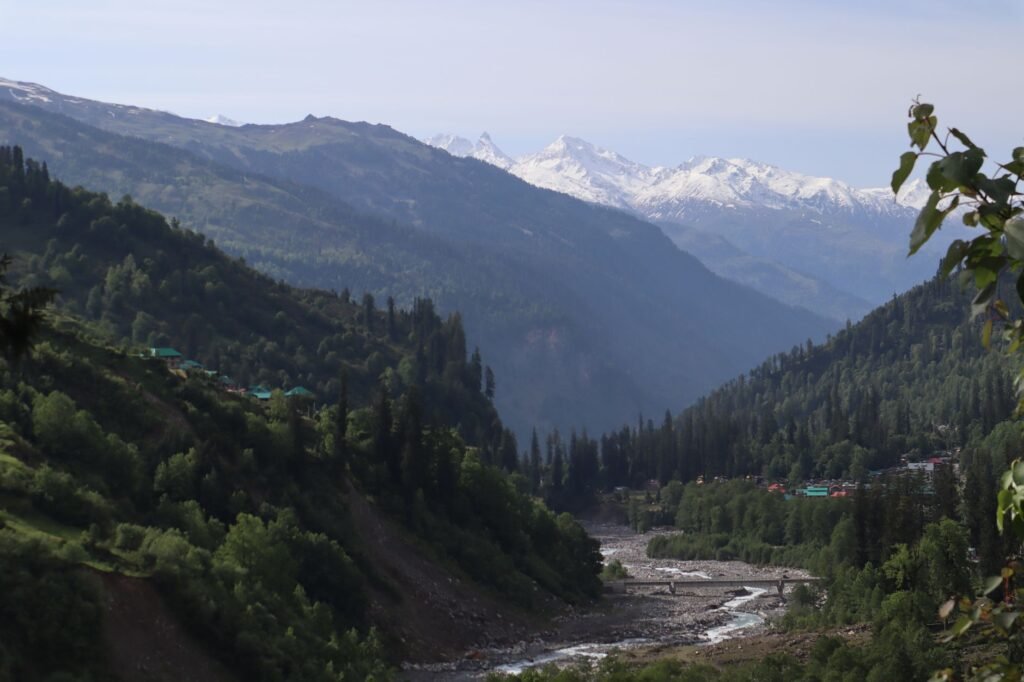
- Pabbar Valley is best accessed via Rohru, 120 km from Shimla on the Shimla-Kinnaur highway
- April to June and September to November offer ideal weather for exploring the valley
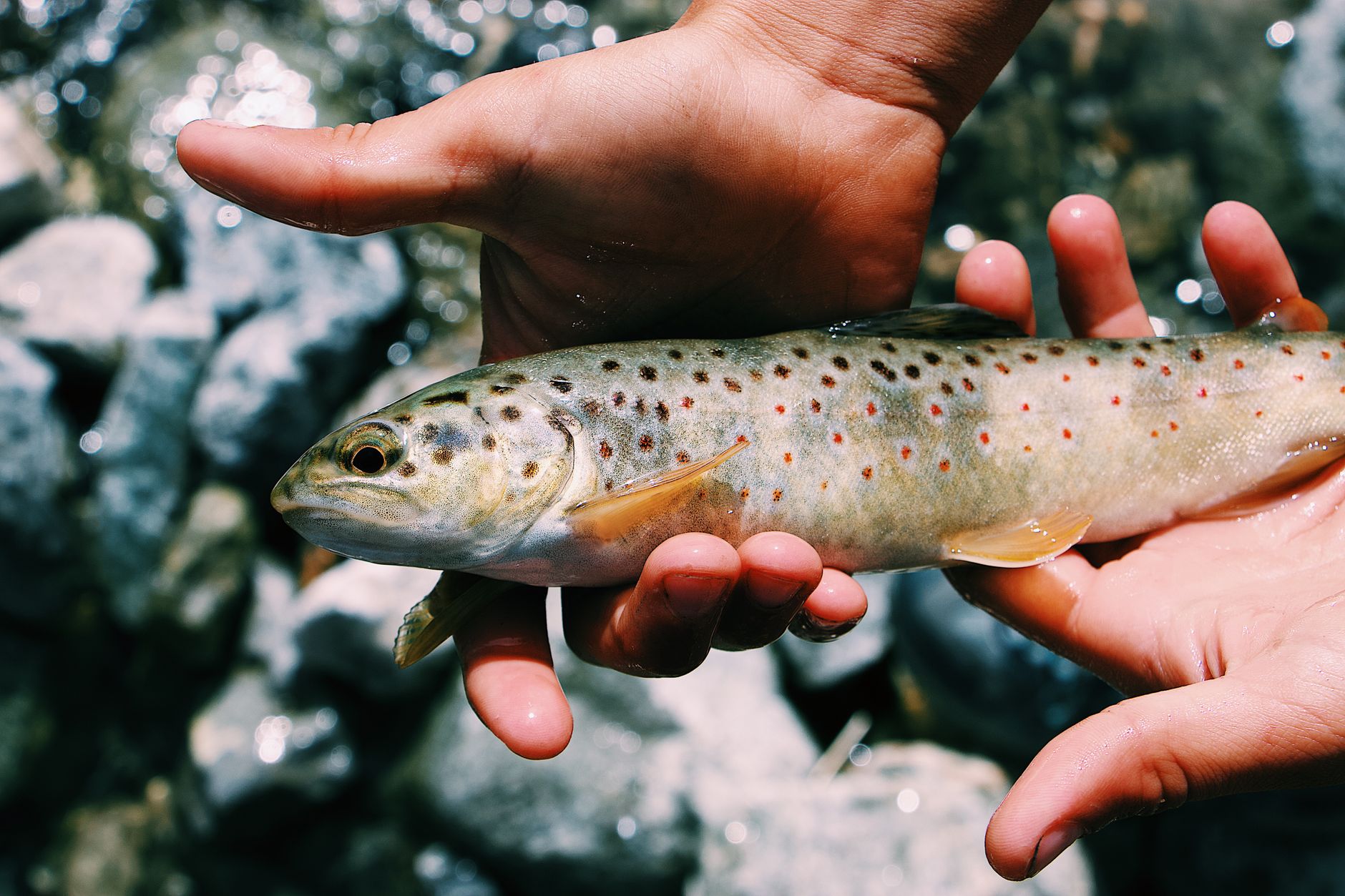
- The Pabbar River is famous for brown and rainbow trout fishing with proper permits
- Villages like Chirgaon and Tikkar offer authentic homestay experiences with local families
- Limited mobile connectivity and ATMs make cash and offline maps essential for travel
Introduction
Tucked away in the Shimla district of Himachal Pradesh, Pabbar Valley remains one of the state’s best-kept secrets—a pristine ribbon of emerald forests, apple orchards, and traditional Himachali villages that stretches along the crystalline Pabbar River. Unlike the crowded hill stations that dot the region, this enchanting valley offers travelers an authentic glimpse into mountain life, where ancient temples stand sentinel over terraced fields, and the air carries the sweet scent of pine and deodar. For those seeking to escape the tourist trail and immerse themselves in the raw, unspoiled beauty of the Himalayas, Pabbar Valley presents an irresistible proposition.
What makes this valley particularly special is its remarkable diversity—from the gentle orchards near Rohru to the dramatic alpine meadows near Chanshel Pass, the landscape transforms dramatically with every kilometer traveled upstream. The valley spans approximately 65 kilometers along the Pabbar River, starting from its confluence with the Tons River near Tikkar and extending deep into the Himalayas toward the Chanshel watershed. Here, traditional Himachali culture thrives untouched by modern commercialization, with locals still practicing age-old agricultural methods and celebrating festivals that have remained unchanged for centuries.
Whether you’re a trekker seeking challenging trails, a photographer chasing the perfect mountain light, an angler hoping to land trout in pristine streams, or simply a weary soul looking for peace away from city chaos, Pabbar Valley offers experiences that will etch themselves permanently into your travel memories. This comprehensive guide will help you discover everything this magnificent valley has to offer.
Quick Facts About Pabbar Valley
- Altitude
- 1,800m to 3,500m (varies across the valley)
- Best Time to Visit
- April to June and September to November
- Distance from Shimla
- 115 km (approximately 4-5 hours by road)
- Distance from Delhi
- 420 km (approximately 10-11 hours by road)
- Nearest Airport
- Jubbarhatti Airport, Shimla (90 km from Rohru)
- Nearest Railway Station
- Kalka Railway Station (145 km from Rohru)
- Permits Required
- Not required for most areas; required for Chanshel Trek (₹200 per person)
- Temperature Range
- Summer: 15°C-25°C | Winter: -5°C to 10°C
- Approx Budget per Day
- ₹1,500-₹3,000 (budget) | ₹3,000-₹6,000 (mid-range) | ₹6,000+ (luxury)
Why Visit Pabbar Valley
Pabbar Valley distinguishes itself through its extraordinary combination of natural beauty and cultural authenticity. The Pabbar River, a major tributary of the Tons River, is renowned as one of the best trout fishing destinations in India, with healthy populations of brown and rainbow trout that attract anglers from across the country. The crystal-clear waters rushing over smooth river stones create a mesmerizing soundtrack that accompanies you throughout your valley journey. What sets this river apart is its pristine condition—upstream villages maintain traditional practices that keep the waters unpolluted, making it one of the cleanest river systems in Himachal Pradesh.
The valley’s apple economy provides another unique dimension to the visitor experience. During September and October, the entire valley transforms into a bustling harvest hub, with families picking apples from orchards that have been cultivated for generations. Many homestay operators welcome guests to participate in the harvest, offering an authentic farm-to-table experience rarely found in commercialized tourist destinations. The region produces some of Himachal’s finest apples, and witnessing the entire ecosystem—from blossom to harvest to market—offers profound insights into mountain agricultural life.
Architecturally, Pabbar Valley showcases some of the finest examples of traditional Himachali temple construction. The Hatkeshwari Temple near Hatkoti stands as a masterpiece of wooden architecture, dating back over 1,000 years, with intricate carvings that rival anything found in more famous temple complexes. The Mahamaya Temple at Hatkoti, believed to have been visited by the Pandavas during their exile, houses a remarkable brass idol and features architectural elements that blend Hindu and Buddhist influences. These aren’t museum pieces—they’re living temples where local communities gather for festivals and daily worship, allowing visitors to witness Himalayan spiritual traditions in their authentic context.
Beyond cultural and natural attractions, the valley serves as a basecamp for some of Himachal’s most rewarding yet uncrowded treks. The Chanshel Pass trek, the Churdhar trek accessible from the valley’s lower reaches, and numerous day hikes to alpine meadows and glacial lakes offer trekking experiences where you might walk entire days without encountering another group. The biodiversity here is exceptional—leopards, Himalayan black bears, barking deer, and countless bird species including the Western Tragopan inhabit the dense forests, while the meadows burst with wildflowers during the summer months.
How to Reach Pabbar Valley
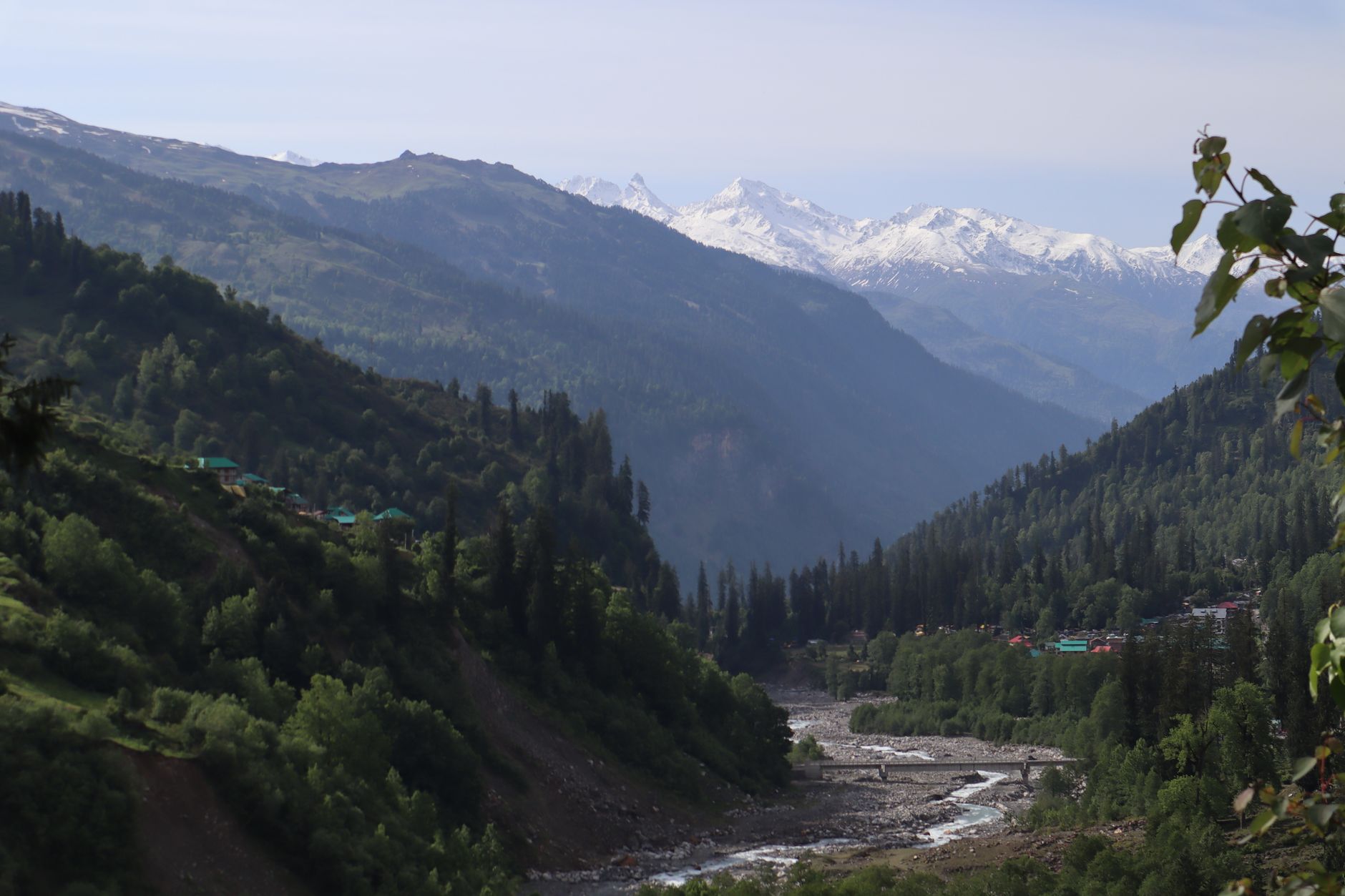
By Air: The nearest airport is Jubbarhatti Airport in Shimla, located approximately 90 km from Rohru, the main town in Pabbar Valley. However, this small airport has limited connectivity with only a few flights per week from Delhi, subject to weather conditions. Ticket prices range from ₹3,500 to ₹8,000 one way. From the airport, you’ll need to hire a taxi to Rohru, which costs ₹2,500-₹3,000 and takes about 3 hours. A more practical option is flying to Chandigarh International Airport (165 km from Rohru), which has excellent connectivity to major Indian cities with flights costing ₹2,500-₹7,000. From Chandigarh, taxis to Pabbar Valley cost ₹4,000-₹5,000, or you can take a bus to Shimla and then continue to the valley.
By Train: Kalka Railway Station (145 km from Rohru) is the nearest major railhead with connections to Delhi, Kolkata, and other major cities. From Kalka, the scenic narrow-gauge Kalka-Shimla toy train offers a memorable journey to Shimla (₹300-₹1,200 depending on class, 5-6 hours), though it’s not the fastest option. Regular trains from Delhi to Kalka cost ₹200-₹1,500 depending on class. From Shimla, you can take a bus or taxi to reach Pabbar Valley. Alternatively, take a taxi directly from Kalka to Rohru for approximately ₹3,500-₹4,000 (3.5-4 hours).
By Road from Delhi: The 420 km journey from Delhi to Pabbar Valley takes 10-11 hours. Take NH44 to Karnal, then NH7 through Chandigarh to Shimla, and finally NH5 and local roads to Rohru. Private taxi services cost ₹8,000-₹12,000 for the entire journey. HRTC (Himachal Road Transport Corporation) operates overnight Volvo buses from Delhi to Shimla (₹600-₹900, 10 hours), from where you can catch morning buses to Rohru. Alternatively, some private operators run direct buses to Rohru from Delhi (₹700-₹1,000).
By Road from Shimla: From Shimla, the 115 km journey to Rohru takes 4-5 hours via Theog and Kotkhai. HRTC operates regular bus services (₹120-₹200, depending on bus type) every hour from 6 AM to 4 PM. Private taxis cost ₹2,500-₹3,500 for the journey. The road is well-maintained but winding, with spectacular valley views throughout. From Rohru, local buses and shared taxis (₹20-₹100) connect to various villages deeper in the valley like Chirgaon, Tikkar, and Sainj.
Local Transport within the Valley: Once in the valley, local buses connect major villages, though services are infrequent (usually 2-3 buses daily to remote villages). Shared taxis operate on popular routes costing ₹50-₹200 per person. For flexibility, consider hiring a local taxi for the day (₹2,000-₹3,000 depending on distance) or renting a motorcycle in Rohru (₹800-₹1,200 per day). Many homestays offer pickup services from Rohru for ₹500-₹1,000.
Best Time to Visit Pabbar Valley
Spring (March-April): Spring brings Pabbar Valley back to life after winter’s slumber. Apple and cherry blossoms blanket the orchards in white and pink, creating postcard-perfect landscapes. Temperatures range from 10°C to 20°C—pleasant for outdoor activities. Snow melts at higher elevations, feeding the Pabbar River which runs full and vigorous. This is an excellent time for photography and nature walks, though some high-altitude treks remain inaccessible due to lingering snow. Crowds are minimal, and accommodation prices are moderate. The valley celebrates several local festivals during this period, including Bishu, the Himachali New Year in mid-April.
Summer (May-June): Peak tourist season brings warm, comfortable weather with temperatures between 15°C and 25°C. All trekking routes open, including the challenging Chanshel Pass trek. The Pabbar River’s temperature moderates, making it ideal for trout fishing—the main fishing season runs from April to June. Wildflowers carpet alpine meadows, and the forest canopy provides cool shade for hiking. This is the busiest period, so book accommodations in advance and expect prices to be 30-50% higher than off-season. Weekends see day-trippers from Shimla and Chandigarh, but weekdays remain relatively peaceful.
Monsoon (July-August): The monsoon transforms Pabbar Valley into a verdant paradise, with every shade of green imaginable painting the landscape. However, heavy rainfall (the valley receives 1,500-2,000mm annually, mostly during these months) makes roads treacherous, with frequent landslides causing travel disruptions. Leeches become a nuisance on forest trails. That said, for those willing to brave the elements, this season offers unparalleled beauty, almost zero crowds, and rock-bottom prices. Photography in the misty, rain-washed mornings is magical. The Pabbar River swells dramatically—impressive to watch but dangerous for fishing or crossing. If visiting during monsoon, stay flexible with your itinerary and avoid high-altitude areas.
Autumn (September-November): Many consider autumn the absolute best time to visit Pabbar Valley. September through October is harvest season—orchards laden with apples create a festive atmosphere as families gather fruit and prepare for market. The post-monsoon clarity offers spectacular mountain views, with the Dhauladhar and Pir Panjal ranges visible on clear days. Temperatures drop gradually from 20°C in September to 5°C by November, with crisp, invigorating air perfect for trekking. October sees the valley celebrate numerous harvest festivals, with local deities carried in processions accompanied by traditional music. By late November, snowfall begins at higher elevations, and accommodation options start closing for winter. Crowds are moderate, and prices reasonable.
Winter (December-February): Winter wraps Pabbar Valley in a pristine blanket of snow, transforming it into a winter wonderland. Temperatures plunge to -5°C to 10°C, with heavy snowfall often blocking access to upper valley villages. Rohru and Hatkoti remain accessible, offering cozy retreats for those seeking snowy solitude. Many hotels and homestays close, and buses reduce frequency dramatically. However, for winter enthusiasts, the experience is magical—frozen waterfalls, snow-laden deodar forests, and utterly silent nights. This is the cheapest time to visit (prices drop 40-50%), but confirm accommodation availability before traveling. Essential to carry heavy woolens, and a 4WD vehicle is recommended.
Top Things to Do in Pabbar Valley
Trout Fishing in the Pabbar River
The Pabbar River ranks among India’s premier trout fishing destinations, with healthy populations of brown and rainbow trout inhabiting its cold, oxygen-rich waters. The Himachal Pradesh Fisheries Department manages several beats along the river, with day permits available at ₹500 for Indians and ₹1,000 for foreigners from the Fisheries Office in Rohru. The best fishing stretches lie between Chirgaon and Tikkar, where the river flows through spectacular gorges. Equipment can be rented in Rohru (₹300-₹500 per day) or brought from home. Local guides (₹1,000-₹1,500 per day) know the best pools and runs where trophy-sized fish lurk. The fishing season runs from April through October, with May-June and September-October offering the best catches.
Trekking to Chanshel Pass
The Chanshel Pass trek (4,520m) stands as one of Himachal’s most rewarding high-altitude adventures, offering 360-degree Himalayan panoramas from its summit. The trek begins from Tikkar or Chirgaon, taking 4-5 days to complete the circuit. The route passes through dense deodar and oak forests, alpine meadows carpeted with wildflowers, and finally the stark, beautiful landscape above the treeline. At the pass, views encompass the Kinnaur Kailash, Srikhand Mahadev, and countless other peaks. This trek requires moderate fitness and proper acclimatization. Hiring local guides (₹1,500-₹2,000 per day) is recommended as the trail isn’t always well-marked. The best trekking period is June through September, avoiding monsoon’s heaviest weeks.
Exploring Ancient Temples at Hatkoti
Hatkoti, situated at the valley’s entrance where the Pabbar meets the highway, houses two architecturally magnificent temples that justify a half-day exploration. The Hatkeshwari Temple, dating to the 6th-7th century, features exquisite woodwork and stone carvings depicting scenes from Hindu mythology. The temple’s shikhara (spire) showcases Gupta-period architectural influences rarely seen in Himachal. Across the river, the Mahamaya Temple complex includes a main temple and several smaller shrines amid landscaped grounds. The brass idol of Goddess Mahishasuramardini is particularly noteworthy. Both temples remain active places of worship, with morning and evening aartis (₹11-₹51 for prasad). The annual Dussehra fair in October sees thousands of devotees converge here for traditional celebrations.
Apple Orchard Tours and Farm Stays
Pabbar Valley’s economy revolves around apple cultivation, with orchards terracing the hillsides from 1,800m to 2,800m elevation. Many farm families offer orchard tours, explaining grafting techniques, pest management, and the economics of apple farming. During harvest season (September-October), visitors can participate in picking, grading, and packing apples, gaining hands-on agricultural experience. Several homestays include working orchards where guests help with daily farm activities. The experience culminates in tasting fresh apples, apple juice, and traditional apple preserves. Some farms near Rohru and Chirgaon offer structured orchard tours (₹200-₹500 per person including refreshments). This activity provides profound insights into mountain livelihoods and the challenges facing small farmers.
Village Walks and Cultural Immersion
The valley’s traditional villages—Chirgaon, Sainj, Tikkar, and Pandranu—preserve architectural and cultural traditions increasingly rare elsewhere in Himachal. Walk through these settlements to observe traditional stone-and-timber houses with slate roofs, ancient water mills still grinding grain, and terraced fields cultivated using methods unchanged for centuries. Villagers are remarkably welcoming, often inviting visitors for tea and conversation. Several villages have small temples with unique wooden architecture and distinctive local deities. The best approach is to hire a local guide (₹800-₹1,000 per day) who can facilitate introductions and explain cultural nuances. During festivals, witnessing traditional dance, music, and deity processions offers unforgettable cultural experiences unavailable in tourist-centric destinations.
Bird Watching and Wildlife Spotting
Pabbar Valley’s diverse ecosystems—from riverine forests to alpine meadows—support exceptional biodiversity. Over 150 bird species have been recorded, including the vulnerable Western Tragopan, Himalayan Monal, Koklass Pheasant, and numerous laughingthrushes, woodpeckers, and raptors. Early morning walks along forest trails offer the best bird watching opportunities. The forests also harbor leopards, Himalayan black bears, barking deer, ghoral, and yellow-throated martens, though these elusive mammals require patience and luck to spot. The meadows near Chanshel support alpine specialists including pikas and snow partridges. Serious wildlife enthusiasts should hire knowledgeable local guides (₹1,200-₹1,500 per day) who know animal movements and best spotting locations. Carry binoculars and field guides, and practice responsible wildlife viewing by maintaining safe distances.
Where to Stay in Pabbar Valley
Budget Accommodations (₹500-₹1,500 per night)
Budget travelers will find excellent homestays throughout the valley offering authentic experiences at affordable rates. Pabbar Valley Homestay in Chirgaon provides clean, simple rooms with attached bathrooms for ₹800-₹1,200 per night including home-cooked meals. The family operates an apple orchard and welcomes guests to participate in farm activities. Sainj Village Homestay offers similar amenities for ₹600-₹1,000, with the added advantage of river-facing rooms where you fall asleep to the Pabbar’s soothing sounds. In Rohru, Hotel Pabbar provides basic but clean rooms with hot water for ₹700-₹1,200, conveniently located near the bus stand. Forest Rest Houses at various locations (bookable through the Himachal Forest Department website) offer rustic accommodation for ₹500-₹800, though availability is limited. Many locals in Tikkar and Pandranu offer informal homestays for ₹500-₹800 including meals—ask around at the village chai shops.
Mid-Range Options (₹1,500-₹4,000 per night)
The Pabbar Heritage Resort near Hatkoti offers comfortable cottages with valley views for ₹2,500-₹3,500, including breakfast. The property features a garden restaurant serving local and North Indian cuisine. Apple Valley Resort in Rohru provides modern rooms with amenities like Wi-Fi (limited), hot water, and an in-house restaurant for ₹2,000-₹3,000. Their location makes it convenient for organizing treks and fishing expeditions. Riverside Camps near Chirgaon (seasonal, April-October) offer Swiss tents with attached bathrooms for ₹2,500-₹3,500 including meals, providing a glamping experience beside the Pabbar River. Himalayan Eco Lodges scattered through the valley provide eco-friendly accommodation in traditional Himachali-style cottages (₹2,000-₹3,500) with solar power, organic meals, and minimal environmental impact. Chanshel Valley Camps near Tikkar cater specifically to trekkers with ₹1,800-₹2,500 packages including accommodation, meals, and trek support services.
Luxury and Boutique Stays (₹4,000+ per night)
While Pabbar Valley isn’t known for luxury resorts, several upscale options provide comfortable, well-appointed stays. The Royal Orchard near Sainj offers premium cottages with modern amenities, valley views, and gourmet meals for ₹5,000-₹7,000. The property includes a spa offering traditional Himachali treatments and massage. Deodar Manor in Chirgaon provides boutique accommodation in a restored heritage property with just five rooms (₹6,000-₹8,000), featuring antique furniture, wood-burning fireplaces, and personalized service. Meals showcase local organic produce from their kitchen garden. Pabbar Fishing Lodge near Tikkar, catering primarily to serious anglers, offers all-inclusive packages (₹8,000-₹12,000 per person per day) including luxury accommodation, guided fishing, equipment, permits, and meals. Private valley cottages available through homestay networks can be rented entirely for ₹4,000-₹8,000 per night, ideal for families or groups seeking privacy and flexibility.
Local Food & Cuisine
Pabbar Valley’s cuisine reflects its agricultural heritage and harsh mountain winters, emphasizing preserved foods, local grains, and warming spices. Sidu stands as the valley’s signature dish—a steamed bread made from wheat flour, stuffed with poppy seeds, walnuts, or fat, and traditionally served with ghee or mutton. The preparation requires skill, with the dough fermented overnight before being shaped and steamed in special utensils. Every family has its own sidu recipe, and homestays take pride in serving their version. Patrode or Patrode features colocasia leaves coated with gram flour paste, rolled, steamed, and then sliced and fried—a nutritious, delicious snack common during monsoon when colocasia thrives.
Thukpa, introduced by Tibetan influences, has been thoroughly Himachalized in Pabbar Valley, appearing as a hearty noodle soup packed with local vegetables and sometimes dried meat, perfect for cold evenings. Aktori, a festive dish prepared during special occasions, combines wheat flour with buckwheat, cooked as a sweet cake with jaggery and walnuts—dense, nutritious, and utterly satisfying. Channa Madra, chickpeas cooked in yogurt-based gravy with cardamom and cloves, appears at every feast and celebration. Locally caught trout, simply grilled or fried with local herbs and lemon, offers a fresh, delicate taste unmatched by farm-raised fish elsewhere.
For dining out, Apple Valley Restaurant in Rohru serves reliable North Indian and Chinese food (₹150-₹300 per meal) along with local dishes on request. Pabbar Dhaba near Hatkoti offers simple, authentic Himachali food (₹100-₹200 per thali) in a no-frills setting—their rajma-chawal and sidu are legendary among locals. Riverside Cafe in Chirgaon provides a more tourist-friendly menu (₹200-₹400 per meal) with pastas, sandwiches, and Indian standards, plus excellent chai and pakoras—perfect for post-trek refueling. Traditional Village Dhabas in Sainj and Tikkar (₹80-₹150 per meal) serve whatever is freshly prepared that day—usually dal, rice, seasonal vegetables, and rotis—simple but wholesome.
Don’t miss trying local apple products—fresh apple juice, apple preserves, dried apple chips, and apple cider (when available) showcase the valley’s signature fruit in various forms. Many homestays prepare Himachali kadhi, a sour chickpea flour curry distinct from Punjabi kadhi, and meetha bhaat, sweetened rice with raisins and dried fruits served on special occasions. Street food is limited, but during festivals, you’ll find vendors selling babru (kachori stuffed with black gram paste) and bhature (fried bread) with chana. Vegetarians will find the cuisine accommodating, though the emphasis on dairy, ghee, and paneer makes strict vegan options limited outside of homestays where you can request modifications.

Practical Travel Tips for Pabbar Valley
Permits and Documentation: Indian citizens require no permits to visit most of Pabbar Valley. However, trekking to Chanshel Pass requires a permit (₹200 per person) obtainable from the Forest Department office in Rohru—carry two passport-size photos and ID proof. Fishing permits cost ₹500 for Indians and ₹1,000 for foreigners, available from the Fisheries Department in Rohru. Foreign nationals should carry passport and visa copies at all times as random checks occur in border areas. If staying at higher altitude camps, register with local authorities—homestay operators can assist with this.
Mobile Network and Connectivity: BSNL provides the most reliable mobile coverage throughout the valley, with reasonable signals in Rohru, Hatkoti, and Chirgaon. Airtel and Jio work in Rohru and major villages but become patchy beyond. Vodafone coverage is limited. In upper valley villages like Tikkar and Pandranu, mobile signals are intermittent or absent. Internet connectivity is slow even where available—don’t expect to stream videos or make video calls. Many accommodations lack Wi-Fi, and where it exists, speeds are suitable only for messaging and basic browsing. Consider this digital detox an opportunity to truly disconnect and experience the valley authentically.
ATMs and Money: The State Bank of India in Rohru has the valley’s only reliable ATM. Carry sufficient cash for your entire trip as ATMs frequently run out of cash, especially on weekends and after holidays. No ATMs exist beyond Rohru, and no establishments accept cards except a few hotels in Rohru. Mobile payment platforms like Paytm and Google Pay work where mobile signals exist, but many local vendors, especially in villages, deal only in cash. Budget ₹1,000-₹2,000 per day in cash for meals, transport, and incidentals. The nearest banks with currency exchange are in Shimla.
Medical Facilities: Rohru has a Community Health Centre with basic medical facilities and a 24-hour pharmacy. For serious medical emergencies, Shimla (115 km) has the nearest quality hospitals. Carry a comprehensive first-aid kit including medicines for altitude sickness (Diamox), pain relievers, anti-diarrheal medication, bandages, antiseptic, and any prescription medications you require. No pharmacies exist in villages beyond Rohru. If trekking, consider carrying oxygen cylinders or portable oxygen concentrators for altitude-related issues. Travel insurance covering medical evacuation is strongly recommended, as helicopter rescue from remote areas costs ₹2-3 lakhs or more.
What to Pack: Regardless of season, pack layers as mountain weather is unpredictable. Essentials include warm jacket (even in summer, evenings get cold), rain gear, comfortable trekking shoes with good grip, sun protection (hat, sunglasses, sunscreen—UV radiation intensifies with altitude), flashlight or headlamp (power cuts are common), reusable water bottle, basic toiletries (limited shopping options exist), and any special snacks you prefer. For winter visits (December-February), carry heavy woolens, thermal wear, and waterproof boots. Trekkers need proper gear including sleeping bags rated for cold temperatures, trekking poles, and a good backpack. Bring entertainment like books or card games—there’s no nightlife, and power cuts mean you can’t depend on electronic devices.
Safety Considerations: Pabbar Valley is generally very safe with extremely low crime rates. However, natural hazards require attention. During monsoon, landslides frequently block roads—check road conditions before traveling and stay flexible with itineraries. When trekking, inform your accommodation about your plans and expected return time. Don’t trek alone in remote areas, and hire local guides unfamiliar with routes. The Pabbar River, while beautiful, has strong currents and cold temperatures—don’t attempt to swim without local advice. Wildlife encounters are possible—maintain safe distances and never feed animals. At night, carry flashlights as street lighting is minimal. Women travelers report feeling safe, but as anywhere, exercise normal precautions and prefer registered accommodations.
Responsible Tourism Practices: Pabbar Valley’s pristine condition depends on visitors respecting its fragility. Carry all trash out—no garbage collection systems exist in remote villages. Use refillable water bottles rather than buying plastic bottles. Respect local customs, particularly around temples where photography may be prohibited and dress modestly. Ask permission before photographing people. When staying in homestays, be mindful of water and electricity consumption—these are precious resources. Support local economy by buying directly from farmers and artisans. If trekking, stick to established trails to prevent erosion. Use biodegradable soaps and toiletries. Respect wildlife by observing from distance and never disturbing animals. The valley’s future as a sustainable destination depends on visitors treading lightly.
Final Thoughts
Pabbar Valley represents everything that makes Himalayan travel deeply rewarding—unspoiled natural beauty, genuine cultural interactions, and the profound peace that comes from disconnecting from modern life’s frenzy. Unlike Himachal’s developed hill stations where commercialization has diluted authenticity, this valley retains its soul. Here, you’ll experience mountain life as it’s been lived for generations, share meals with farming families whose connection to the land runs generations deep, and explore landscapes where human footprints remain light. The valley doesn’t offer luxury resorts or fancy restaurants, and that’s precisely its appeal. What it offers instead is infinitely more valuable—authenticity, tranquility, and the space to rediscover yourself away from the noise.
Whether you spend your days casting flies for wild trout, trekking to high-altitude passes, photographing ancient temple architecture, or simply sitting by the river with a book and endless cups of chai, Pabbar Valley accommodates all travel styles. It’s a destination that rewards the curious, the adventurous, and those willing to embrace simplicity. So pack your bags, set aside your expectations of Wi-Fi and room service, and prepare to discover one of Himachal Pradesh’s last true hidden gems. The Pabbar River has been flowing through these mountains for millennia, and its timeless rhythm has a way of putting modern concerns into perspective. Visit soon, tread lightly, and carry home memories that will beckon you back to this magical valley again and again.
- Visit the weekly market in Rohru on Mondays to interact with locals and buy fresh apples, walnuts and traditional woolen items
- Obtain fishing permits from the Fisheries Department in Rohru town before attempting trout fishing in Pabbar River
- Hire a local guide from Chirgaon village for the trek to Chanshel Pass as trails are unmarked and weather changes rapidly
- Book homestays in advance during apple harvest season (September-October) as accommodation fills quickly with seasonal workers
- Carry sufficient cash as the last reliable ATM is in Rohru and most villages operate on cash-only basis
Frequently Asked Questions about Pabbar Valley
Pabbar Valley is located in the Shimla district of Himachal Pradesh, stretching approximately 65 kilometers along the Pabbar River from its confluence with the Tons River near Tikkar. It is situated 115 km from Shimla, which takes approximately 4-5 hours to reach by road.
The best time to visit Pabbar Valley is from April to June and September to November when the weather is pleasant and ideal for outdoor activities. During summer months (April-June), temperatures range from 15°C to 25°C, while winter temperatures can drop to -5°C to 10°C.
Most areas of Pabbar Valley do not require any permits for tourists. However, if you plan to undertake the Chanshel Trek, you will need to obtain a permit which costs ₹200 per person.
Pabbar Valley’s altitude varies significantly across the region, ranging from 1,800 meters to 3,500 meters. The landscape transforms dramatically from gentle orchards near Rohru at lower altitudes to dramatic alpine meadows near Chanshel Pass at higher elevations.
Pabbar Valley is approximately 420 km from Delhi, which takes about 10-11 hours by road. The nearest airport is Jubbarhatti Airport in Shimla (90 km from Rohru), and the nearest railway station is Kalka Railway Station (145 km from Rohru).
The daily budget for Pabbar Valley varies depending on your travel style. Budget travelers can manage with ₹1,500-₹3,000 per day, mid-range travelers should budget ₹3,000-₹6,000 per day, while luxury travelers may spend ₹6,000 or more per day.