
Travel guide
Rancer Island Kangra
Birdwatching in the Pong Dam Wetlands
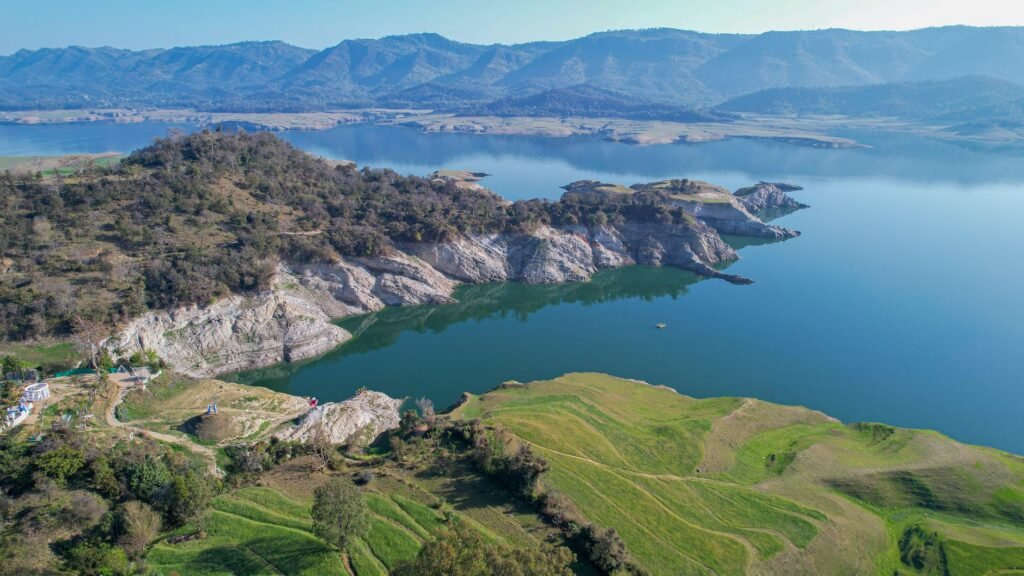
At a glance
- District
- Kangra
- Rancer Island is located in Pong Dam Lake, a Ramsar wetland site and bird sanctuary in Kangra district
- Best visited between November and March for migratory bird watching and pleasant weather
- Accessible only by boat from Nagrota Surian or Pong Dam reservoir points
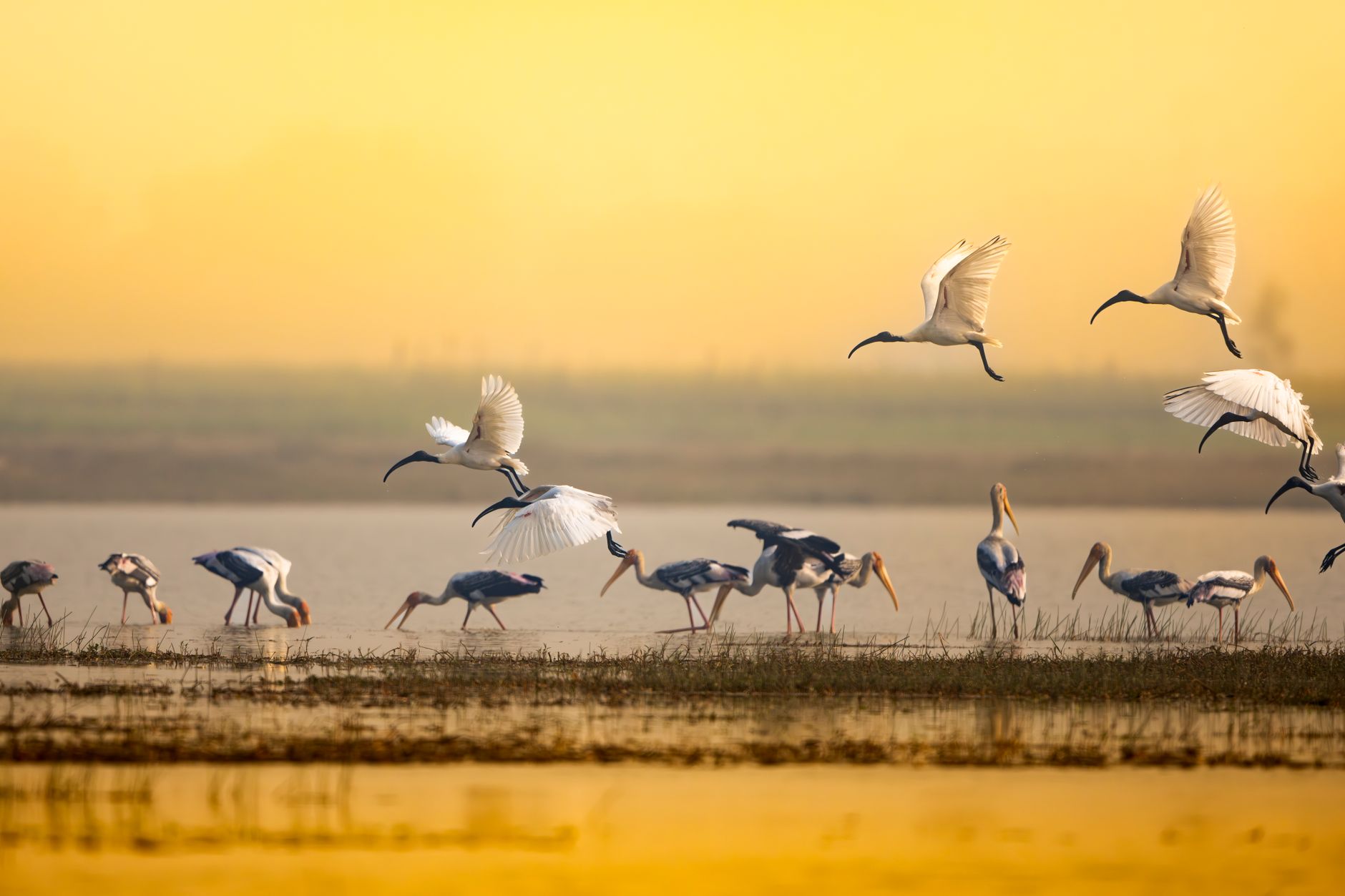
- Over 220 bird species can be spotted, including bar-headed geese and endangered species
- Photography permits and local boat arrangements should be made in advance for the best experience
Introduction
Nestled in the heart of Kangra Valley, where the mighty Beas River carves its way through the verdant landscapes of Himachal Pradesh, lies a hidden treasure that few travelers have discovered—Rancer Island. This enchanting river island, locally known as “Rancer Tapu,” emerges from the confluence waters like a green jewel, offering an escape so serene that it feels almost mythical. Unlike the crowded hill stations that dot Himachal’s tourist circuit, Rancer Island remains blissfully untouched, a sanctuary where the rhythmic flow of water, the whisper of poplars and willows, and the distant call of Himalayan birds create a symphony of natural tranquility.
What makes Rancer Island truly exceptional is its dual personality—it’s simultaneously accessible yet remote, developed yet pristine. Located just 18 kilometers from Kangra town, this river island spans approximately 2.5 kilometers in length and varies between 300 to 800 meters in width depending on the season and water levels. The island has been home to a small community of farmers and fishermen for generations, their traditional lifestyle offering visitors an authentic glimpse into rural Himalayan existence. During the monsoon months, the island transforms dramatically as the Beas swells, sometimes isolating it completely, while in winter and spring, it becomes a verdant paradise of wheat fields, vegetable gardens, and wildflower meadows.
For the adventurous traveler seeking experiences beyond the conventional tourist trail, Rancer Island presents opportunities for riverside camping, bird watching, traditional village immersion, fishing expeditions, and soul-soothing nature walks. The island’s unique ecosystem supports an impressive variety of flora and fauna, while its strategic location offers panoramic views of the Dhauladhar Range to the north and the Shivalik Hills to the south. Whether you’re a photographer chasing the perfect golden-hour shot, a writer seeking solitude, or a family looking for an offbeat weekend getaway, this river island promises memories that linger long after you’ve returned to city life.
Quick Facts About Rancer Island
- Altitude
- 720 meters (2,362 feet) above sea level
- Best Time to Visit
- October to April (avoid July-August monsoon)
- Distance from Nearest City
- 18 km from Kangra, 48 km from Dharamshala
- Nearest Airport
- Gaggal Airport (Dharamshala) – 42 km
- Nearest Railway Station
- Kangra Mandir Railway Station – 16 km
- Permits Required
- None (but register with local panchayat if camping)
- Temperature Range
- Summer: 15°C-32°C | Winter: 2°C-18°C
- Approx Budget per Day
- ₹800-₹2,500 (depending on accommodation and activities)
Why Visit Rancer Island
Rancer Island stands apart from Himachal’s mainstream destinations through its remarkable authenticity and ecological uniqueness. This is one of the few inhabited river islands in the entire Himalayan region, where approximately 150 families maintain a traditional agrarian lifestyle that has remained largely unchanged for centuries. The island’s agricultural landscape follows seasonal patterns—bright yellow mustard fields in winter, emerald wheat in spring, and terraced vegetable cultivation during summer. Walking through these fields on narrow earthen paths, with the Beas flowing on both sides, creates an almost surreal island-within-mountains experience that you simply cannot find elsewhere in Himachal.
The island serves as a crucial ecological corridor and biodiversity hotspot within the Kangra Valley. Ornithologists have documented over 85 species of birds here, including the increasingly rare Pallas’s Fish Eagle, Black-bellied Terns, and various migratory waterfowl that stop here during their trans-Himalayan journeys. The riverside vegetation zones support a distinct microclimate that hosts plant species uncommon to the surrounding valley, including several medicinal herbs that local villagers have traditionally used for generations. This ecological richness makes Rancer Island a living laboratory for nature enthusiasts and environmental students.
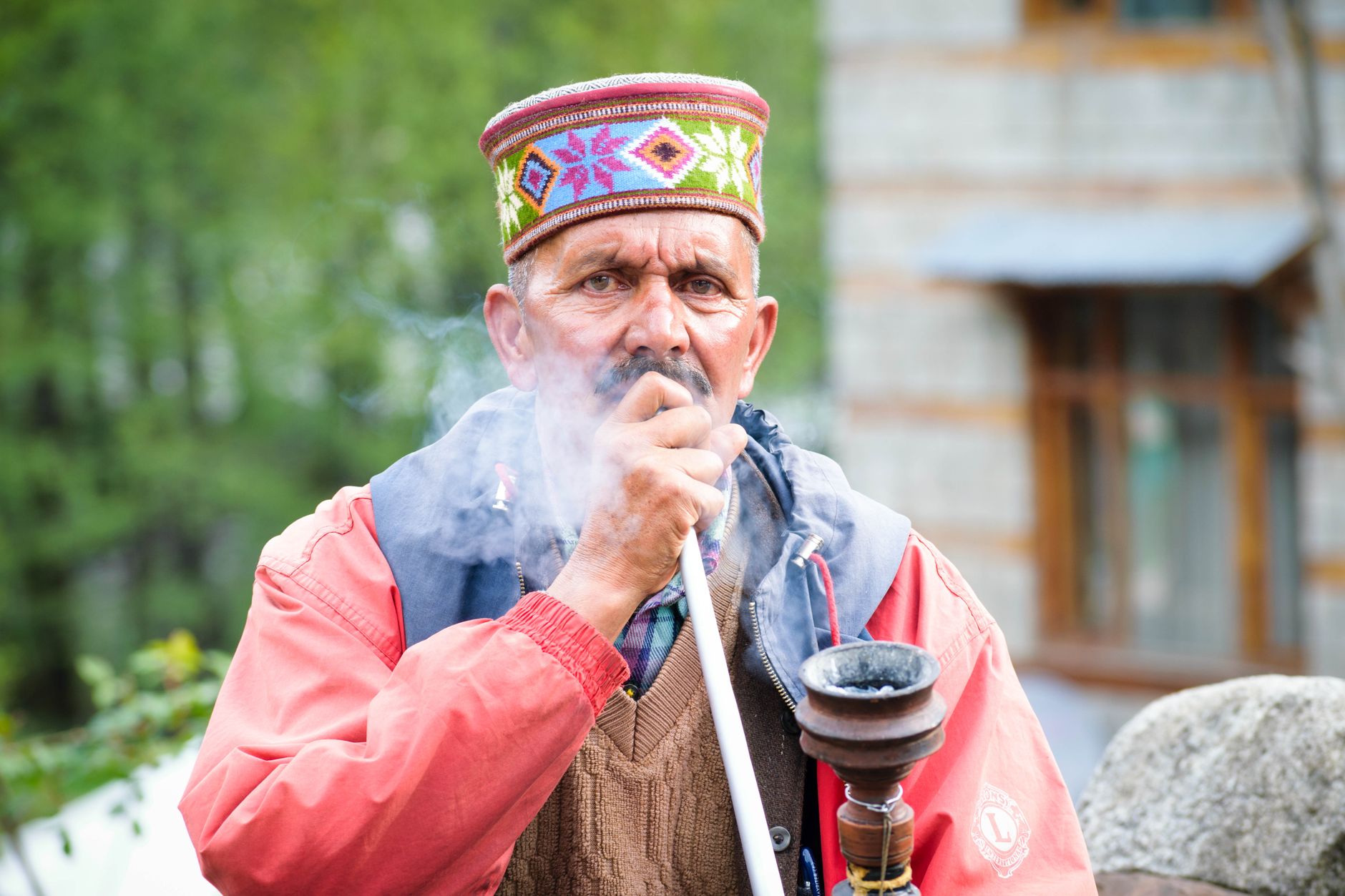
Beyond its natural attributes, Rancer Island offers cultural immersion opportunities that feel genuine rather than staged for tourists. The island’s inhabitants, primarily belonging to the Gaddi and Rajput communities, maintain traditions of hospitality that welcome respectful visitors into their homes. You can participate in daily activities like fishing with traditional nets, learning about organic farming practices, attending local festivals at the small Shiva temple that anchors the island’s spiritual life, or simply sharing chai and conversations in Kangri dialect with families who’ve lived here for seven generations. This authentic cultural exchange, combined with the island’s physical beauty and ecological significance, creates a travel experience that nourishes both adventure and soul.

How to Reach Rancer Island
By Air: The nearest airport is Gaggal Airport (Kangra Airport) in Dharamshala, located 42 kilometers from Rancer Island. Air India operates daily flights from Delhi (₹3,500-₹8,500 depending on season and booking time). From the airport, hire a pre-paid taxi to Rancer Island for approximately ₹1,200-₹1,500, or take a shared taxi to Kangra town (₹300 per person) and then proceed by local transport to the island access point near Rancer village.
By Train: Kangra Mandir Railway Station, on the narrow-gauge Pathankot-Jogindernagar line, is just 16 kilometers away. The scenic toy train journey from Pathankot takes approximately 3.5 hours (₹50-₹200 depending on class). From Kangra Mandir station, local shared taxis charge ₹40-₹60 per person to reach Rancer village, the main access point to the island. Alternatively, the broader-gauge Pathankot Railway Station (88 km away) offers better connectivity to major Indian cities, with multiple daily trains from Delhi, Amritsar, and Chandigarh.
By Road: Rancer Island is well-connected by road. From Dharamshala (48 km), HRTC buses run regularly to Kangra town (₹50-₹70, 1.5 hours), from where you can catch local buses to Rancer village (₹15-₹20, 30 minutes). Private taxis from Dharamshala charge ₹1,500-₹1,800 for a direct drop. From Delhi (480 km), overnight Volvo buses to Dharamshala cost ₹800-₹1,500, or you can drive via NH44 and NH154 (approximately 10-11 hours). From Chandigarh (220 km), the drive takes 5-6 hours via NH205 and NH154, with taxi services available for ₹4,000-₹5,500.
Accessing the Island: The main access point is from Rancer village on the southern bank. During dry season (October-June), you can cross via a seasonal bridge made of wooden planks and bamboo (₹10 toll), which provides a thrilling, slightly wobbly entry experience. During monsoon or high-water periods, local boatmen operate small boats (₹50-₹100 per person for round trip). Some homestays on the island offer complimentary boat pickup if you’ve booked in advance.
Best Time to Visit Rancer Island
October to November (Autumn): This is arguably the finest time to visit Rancer Island. Post-monsoon, the landscape bursts with greenery, the Beas flows clear and steady, and temperatures remain comfortable (12°C-26°C). The harvest season brings the island alive with agricultural activity—you can witness wheat threshing, vegetable harvesting, and traditional farming practices. The light during these months is exceptional for photography, with crisp visibility toward the Dhauladhar Range. Tourist crowds are minimal, and all accommodation options remain open. This is also the best period for bird watching as resident species are most active.
December to February (Winter): Winter transforms Rancer Island into a golden-brown tapestry as mustard fields bloom and wheat crops grow. Temperatures can drop to 2°C-5°C at night, though daytime remains pleasant (15°C-18°C). This is peak season for Dhauladhar snow views, with the range appearing dramatically white against blue skies. Pack warm clothes, as riverside locations feel colder than valley towns. Some budget accommodations may close, but homestays remain operational. This is perfect for travelers seeking solitude and those interested in traditional winter crops. Bonfires and traditional Himachali winter foods add to the experience.
March to June (Spring and Early Summer): Spring (March-April) brings wildflowers, blooming fruit trees, and the most vibrant green landscapes. Temperatures gradually rise from comfortable (20°C-25°C in March) to warm (28°C-32°C in May-June). This is excellent for riverside picnics, swimming in the Beas (in designated safe zones), and extended nature walks. However, May and June see more tourists, especially weekend visitors from Punjab and Chandigarh. Advance booking is recommended. The island’s small temples host several local festivals during March-April, offering cultural insights.
July to September (Monsoon): Generally not recommended for visiting Rancer Island. The Beas swells significantly, often flooding parts of the island, and the seasonal bridge becomes unusable. Heavy rains make boat crossings risky, and several island areas become inaccessible. Landslides can disrupt road connectivity to Kangra. However, adventurous travelers interested in witnessing the river’s raw power and don’t mind limited access might find this season fascinating—the island appears like a storm-tossed ship in a raging sea. Only a few homestays remain operational, and always verify accessibility before planning a monsoon visit.
Top Things to Do in Rancer Island
Riverside Camping Under the Stars
Experience the magical ambiance of camping on sandy river beaches that emerge along the island’s northern banks during winter months. Several spots offer safe camping zones where the gentle sound of flowing Beas creates natural white noise perfect for deep sleep. Local guides can arrange complete camping setups (tent, sleeping bags, meals) for ₹800-₹1,500 per person. The night sky here, far from urban light pollution, reveals constellations and the Milky Way with stunning clarity. Early morning mist rising from the river creates ethereal photographic opportunities.
Traditional Fishing with Local Experts
Join island fishermen for traditional angling sessions using techniques passed down through generations. The Beas around Rancer Island hosts mahseer, katla, and rohu fish. Local guides (₹500-₹700 for half-day) provide traditional nets and rods, teaching cast-net techniques and showing prime fishing spots. This isn’t sport fishing but rather an immersive cultural experience, often culminating in preparing and sharing the catch with the fisherman’s family. Best fishing times are early morning (5:30-8:30 AM) and late evening (4:30-7:00 PM).
Agricultural Tourism and Farm Stays
Participate in authentic farming activities depending on the season—plowing with oxen, wheat harvesting with traditional sickles, vegetable picking, or learning about organic farming methods that island farmers have practiced for centuries. Several families offer half-day farm experiences (₹300-₹500 per person) including lunch prepared from farm produce. This provides profound insights into sustainable agriculture and rural Himalayan life. Children particularly enjoy feeding livestock, collecting eggs, and understanding where food actually comes from.
Bird Watching and Nature Walks
Rancer Island’s diverse habitats—riverine forests, agricultural fields, wetland zones, and scrubland—attract an impressive bird population. Early morning guided bird walks (₹600-₹800 with local naturalist) reveal species like Crested Kingfisher, Plumbeous Water Redstart, Grey-headed Canary Flycatcher, and various raptors. The island’s periphery trail, approximately 7 kilometers of walking paths, takes 3-4 hours to complete leisurely, offering constantly changing landscapes and guaranteed wildlife sightings including Himalayan Palm Civets, Jungle Cats, and numerous butterfly species.
Photography Expeditions
Photographers find Rancer Island endlessly rewarding—the interplay of river, agricultural landscape, village life, and mountain backdrop creates compositional opportunities throughout the day. Sunrise from the eastern bank (around 6:15-7:00 AM depending on season) illuminates the Dhauladhar Range spectacularly. Golden hour (5:00-6:30 PM) bathes the wheat and mustard fields in warm light perfect for landscape photography. Village portraits require respectful permission but yield authentic cultural documentation. Local photography guides familiar with best viewpoints and optimal lighting charge ₹700-₹1,000 for half-day sessions.
Temple Visits and Cultural Immersion
The island’s small but ancient Raneshwar Mahadev Temple, believed to be over 300 years old, sits at the island’s center and serves as the spiritual anchor for the community. While modest in size, the temple features beautiful stone carvings and hosts several annual festivals including Maha Shivaratri (February/March) when the entire island comes alive with celebrations, music, and community feasts. Visiting during local festivals provides unparalleled cultural experiences, though respect for religious customs and prior permission for photography is essential.
Where to Stay in Rancer Island
Budget Options (₹500-₹1,200 per night): The island’s most authentic accommodation comes through homestays with local families. Sharma Homestay, run by a fourth-generation farming family, offers basic but clean rooms with attached bathrooms, home-cooked meals, and genuine hospitality (₹700-₹900 per night including dinner and breakfast). Rancer River Cottage, operated by a retired teacher, provides two simple rooms with shared facilities and spectacular river views (₹500-₹600 per night, meals extra at ₹150-₹200 per meal). Gaddi Village Stay near the island’s southern tip accommodates guests in traditional Himachali-style rooms with modern basic amenities (₹800-₹1,000 per night). All budget options emphasize cultural exchange over luxury, perfect for travelers seeking authentic experiences.
Mid-Range Options (₹1,500-₹3,500 per night): Beas Island Resort, the island’s most established property, offers eight cottages with attached modern bathrooms, 24-hour hot water, comfortable beds, and a restaurant serving Himachali and North Indian cuisine (₹2,200-₹2,800 per night). River View Farmstay, a converted traditional house with five well-appointed rooms, features organic farm-to-table dining, yoga sessions, and guided nature walks (₹1,800-₹2,500 per night including breakfast). Dhauladhar Island Retreat, positioned on the island’s northern bank with stunning mountain views, provides seven rooms with modern amenities, camping facilities, and a small library of Himalayan literature (₹2,500-₹3,200 per night).
Splurge Options (₹4,000-₹8,000 per night): While Rancer Island doesn’t host luxury resorts—its charm lies precisely in its uncommercialized character—Heritage River House offers premium accommodation in a beautifully restored 150-year-old mansion with four suites, antique furniture, personalized service, and curated cultural experiences (₹6,500-₹8,000 per night including all meals and guided activities). Eco Luxury Camps, operational October-April, provides upscale glamping with spacious safari-style tents featuring proper beds, attached bathrooms, electricity, and gourmet dining under the stars (₹4,500-₹5,500 per night). Both properties arrange private transport, customized itineraries, and exclusive experiences unavailable to general visitors.
Local Food & Cuisine
Rancer Island’s cuisine reflects authentic Kangra Valley food traditions, emphasizing local grains, seasonal vegetables, dairy products, and minimal spices that allow natural flavors to shine. Must-try dishes include Siddu—steamed wheat bread stuffed with poppy seeds, walnuts, or mashed dal, served with ghee or chutney—a breakfast staple that provides energy for farming work. Aktori, a festive pancake made from buckwheat flour and wheat flour in elaborate patterns, is traditionally prepared during local festivals. Bhey (lotus stem curry) showcases the region’s riverine resources, cooked with yogurt and local spices into a creamy, tangy preparation. Chana Madra, chickpeas cooked in yogurt-based gravy with cardamom and cloves, represents Kangra’s signature dish and appears at every celebration.
Rancer Dhaba, the island’s most popular eatery near the seasonal bridge, serves authentic home-style Himachali thalis (₹120-₹180) featuring dal, seasonal sabzi, rice, roti, and chaas. Their fresh river fish curry when available (₹200-₹300) is exceptional. Gaddi Kitchen, run by a women’s cooperative, specializes in traditional recipes including patande (savory rice pancakes) and babru (stuffed black gram kachori), with meals ranging ₹100-₹250. Beas View Café, popular with younger visitors, offers a mix of local dishes and standard North Indian fare, plus excellent masala chai and pakoras (₹80-₹200). Island Organic Restaurant at Beas Island Resort provides upscale Himachali cuisine using island-grown produce, with main courses priced ₹250-₹450.
Don’t miss trying fresh madra (preparation style using yogurt and spices) with seasonal vegetables, locally pressed mustard oil used in cooking that imparts distinctive flavor, and the island’s exceptional fresh dairy products—particularly thick buffalo-milk yogurt and ghee. During winter, households prepare marchu (local chili chutney fermented with mustard oil) which adds fierce heat to meals. Street vendors near the access point sell seasonal roasted corn (₹30-₹50), steaming cups of pink noon chai (₹15-₹20), and during winter, peanuts roasted with local salt (₹30-₹40 per portion).
Practical Travel Tips for Rancer Island
Permits and Documentation: No special permits are required to visit Rancer Island. However, if planning camping or extended stays, it’s courteous to inform the local gram panchayat office in Rancer village. This informal registration helps local authorities maintain visitor records and ensures safety during emergencies. Indian nationals need no documents beyond basic ID proof, while international tourists should carry passport copies and valid Indian visas as spot verification by local police can occur occasionally.
Mobile Network and Connectivity: BSNL and Jio provide the most reliable mobile coverage on Rancer Island, though signal strength varies—generally good near the village cluster, weaker in agricultural areas and the island’s northern parts. Airtel works intermittently. Internet speeds remain slow (2G-3G), making this perfect for a digital detox. The nearest reliable WiFi is in Kangra town. Most accommodations lack internet facilities—embrace this disconnection as part of the experience. Emergency calls to Kangra police (01892-265000) generally connect.
ATM and Banking: There are no ATMs or banks on Rancer Island itself. The nearest ATMs are in Kangra town, 18 kilometers away. Carry sufficient cash for your entire stay—most homestays, dhabas, and local guides accept only cash. Some mid-range properties accept UPI payments, but don’t depend on it. Budget ₹1,500-₹2,500 per day per person cash depending on accommodation and activities planned. The State Bank of India branch in Kangra (5 km from the island access point) offers full banking services.
Medical Facilities: Medical facilities on the island are limited to a small primary health sub-center with basic first-aid capabilities. For anything beyond minor ailments, the Civil Hospital in Kangra (20 km) provides adequate medical care, while Tanda Medical College (35 km) offers advanced facilities. Carry personal medications, basic first-aid supplies, anti-diarrheal medicines, insect repellent, and any prescription drugs. The nearest pharmacy is in Kangra town. Travel insurance covering medical emergencies is strongly recommended for all visitors.
What to Pack: Pack layered clothing as temperatures fluctuate significantly between day and night. Essential items include comfortable walking shoes, sunscreen (high SPF), sunglasses, hat, water bottles, flashlight/headlamp (electricity can be intermittent), power bank, insect repellent, personal medications, basic toiletries (many homestays provide minimal amenities), camera with extra batteries, binoculars for bird watching, and a small backpack for day exploration. During winter (December-February), bring warm jacket, thermals, and woolen socks. Avoid heavy luggage—the island’s unpaved paths make wheeled bags impractical.
Safety Considerations: Rancer Island is exceptionally safe with virtually no crime. However, observe basic precautions: respect river safety—the Beas has strong undercurrents and swimming should only be attempted in designated safe zones with locals present; avoid isolated areas after dark; inform your accommodation when going for extended walks; be cautious during monsoon season when pathways become slippery and river levels unpredictable. Women travelers report feeling completely secure, though solo female travelers might prefer homestays over camping alone. The local community is protective of visitors and genuinely helpful during any difficulties.
Responsible Tourism Practices: Rancer Island’s pristine condition depends entirely on visitor responsibility. Essential practices include: carry back all non-biodegradable waste—no plastic disposal facilities exist on the island; use refillable water bottles rather than buying packaged water; respect agricultural lands—don’t walk through crops; seek permission before photographing people, especially women; don’t disturb wildlife or bird nesting areas; support local economy by purchasing from island vendors rather than bringing everything from outside; dress modestly respecting rural sensibilities; don’t offer money to children which creates begging culture; participate in community-organized clean-up drives if available. Several homestays now operate waste-segregation programs—cooperate fully with these initiatives.
Final Thoughts
Rancer Island represents everything that makes Himalayan travel deeply meaningful—authentic cultural encounters, unspoiled natural beauty, and the rare opportunity to experience a lifestyle that continues largely unchanged by modern tourism’s homogenizing influences. This is not a destination for those seeking Instagram-perfect resorts, adventure sports infrastructure, or curated experiences. Rather, it rewards travelers who value genuineness over glamour, who find joy in simple pleasures like watching sunset paint the Dhauladhar peaks gold, sharing stories over chai with families whose roots in this soil run generations deep, or falling asleep to the eternal song of the Beas River. The island’s true luxury lies in its authenticity, its unhurried rhythms, and its reminder that some of travel’s richest experiences come not from what we see, but from how deeply we allow ourselves to connect with place and people.
As Himachal Pradesh continues developing its tourism infrastructure, places like Rancer Island become increasingly precious—living museums of tradition, ecology, and community that deserve both our visitation and our protection. When you visit, you’re not just a tourist consuming an experience, but a participant in an ongoing story of people, land, and river that has unfolded for centuries. Come with open hearts and curious minds, leave behind only footprints and perhaps a bit of yourself in return for what this extraordinary island so generously offers. Whether you stay for a weekend or a week, Rancer Island will recalibrate your understanding of what constitutes richness in travel and life. It’s time to venture beyond Himachal’s well-trodden paths and discover this river-bound jewel that promises not just a journey, but a genuine homecoming to what matters most.
- Visit Rancer Island early morning between 6-8 AM when migratory birds are most active and the light is perfect for photography
- Book your boat with local fishermen from Nagrota Surian village for authentic experience and better pricing than tourist operators
- Carry binoculars and telephoto lens as the island doesn’t allow close approach to protect nesting sites during breeding season
- Combine your visit with a stop at the nearby Pong Dam viewpoint for panoramic lake views and sunset photography
- Pack your own food and water as there are no facilities on the island; leave no trace to preserve this pristine wetland ecosystem
Frequently Asked Questions about Rancer Island
Rancer Island, locally known as “Rancer Tapu,” is located in the Kangra Valley of Himachal Pradesh, India, where it emerges from the Beas River. The island is situated just 18 kilometers from Kangra town, 48 kilometers from Dharamshala, and 42 kilometers from Gaggal Airport, making it relatively accessible despite its remote feel.
The best time to visit Rancer Island is from October to April when the weather is pleasant and the island is most accessible. It’s recommended to avoid visiting during July and August monsoon months when the Beas River swells and can sometimes completely isolate the island.
Rancer Island offers a variety of activities including riverside camping, bird watching, traditional village immersion experiences, fishing expeditions, and peaceful nature walks. The island is also perfect for photography, especially during golden hour, and provides opportunities to experience authentic rural Himalayan lifestyle with local farming and fishing communities.
Rancer Island spans approximately 2.5 kilometers in length and varies between 300 to 800 meters in width depending on the season and water levels. The island is located at an altitude of 720 meters (2,362 feet) above sea level in the Kangra Valley.
Rancer Island’s strategic location offers stunning panoramic views of the Dhauladhar Range to the north and the Shivalik Hills to the south. The island’s unique ecosystem supports impressive flora and fauna, and visitors can experience verdant landscapes including wheat fields, vegetable gardens, and wildflower meadows depending on the season.
The nearest railway station to Rancer Island is Kangra Mandir Railway Station, located 16 kilometers away, while the nearest airport is Gaggal Airport in Dharamshala, 42 kilometers from the island. No special permits are required to visit Rancer Island, though registration with local authorities may be needed.