
Travel guide
Sivasagar
Ahom Palaces, Temples and Royal Tanks
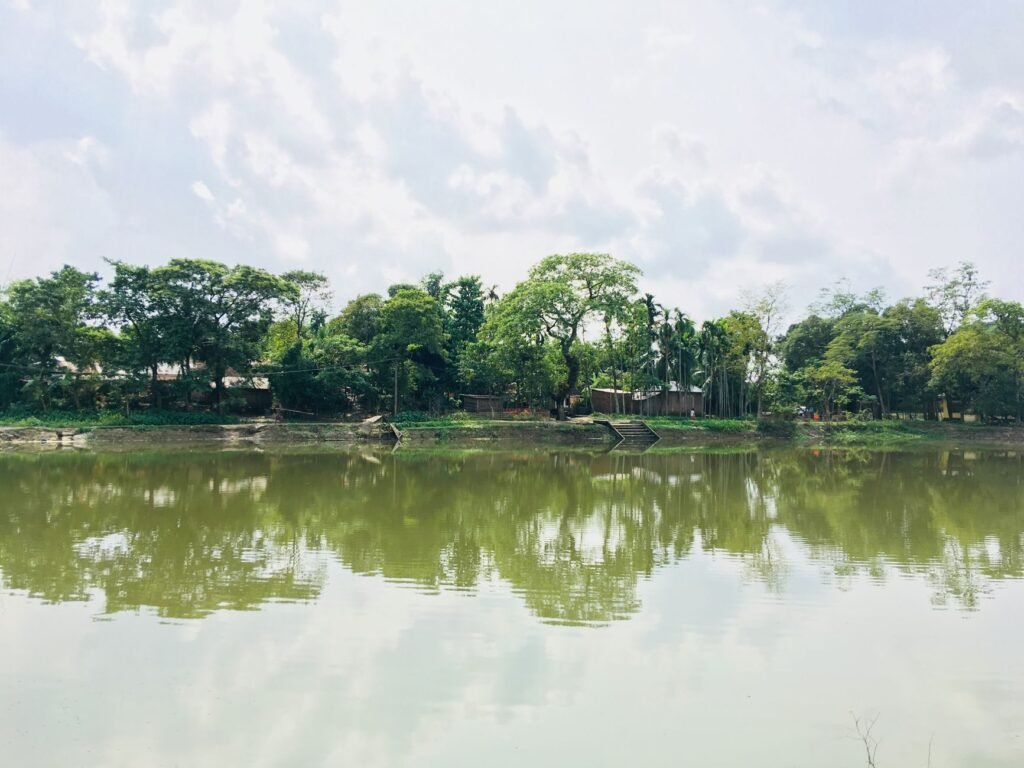
- Sivasagar served as the Ahom Kingdom capital for over 600 years, with the sprawling Sivasagar Tank at its heart covering 129 acres.
- The Rang Ghar, a two-storied amphitheater built in 1744, is Asia’s oldest surviving pavilion and showcases unique Ahom architecture.
- Talatal Ghar, a seven-storied palace with three underground levels, features secret tunnels and served as the Ahom military headquarters.
- Shiva Dol temple beside Sivasagar Tank stands 104 feet tall, making it one of the tallest Shiva temples in India built in 1734.
- October to March offers the best weather to explore Sivasagar’s outdoor monuments, with pleasant temperatures and clear skies for photography.
- Introduction
- Quick Facts About Sivasagar: Ahom Palaces, Temples and Royal Tanks
- Why Visit Sivasagar: Ahom Palaces, Temples and Royal Tanks
- How to Reach Sivasagar: Ahom Palaces, Temples and Royal Tanks
- Best Time to Visit Sivasagar: Ahom Palaces, Temples and Royal Tanks
- Top Things to Do in Sivasagar: Ahom Palaces, Temples and Royal Tanks
- Where to Stay in Sivasagar: Ahom Palaces, Temples and Royal Tanks
- Local Food & Cuisine
- Practical Travel Tips for Sivasagar: Ahom Palaces, Temples and Royal Tanks
- Final Thoughts
- Frequently Asked Questions
Introduction
Nestled in the heart of Upper Assam, the historic town of Sivasagar stands as a magnificent testament to the glory of the Ahom dynasty that ruled Assam for six centuries. Sivasagar: Ahom Palaces, Temples and Royal Tanks represents one of India’s most underrated heritage destinations, where grand palatial structures, intricately carved temples, and sprawling man-made tanks narrate stories of architectural brilliance and administrative prowess. The very name ‘Sivasagar’ translates to ‘Ocean of Lord Shiva’, a reference to the massive Sivasagar Tank that dominates the town’s landscape and serves as the focal point around which the Ahom capital once flourished.
What makes Sivasagar truly captivating is its ability to transport visitors back to an era when this region was known as Rangpur, the political nerve centre of the mighty Ahom kingdom from 1699 to 1788. Unlike many Indian historical sites that have succumbed to neglect, the monuments of Sivasagar retain much of their original grandeur, with their distinctive architectural style that blends Hindu, Islamic, and indigenous Tai influences. The town offers an immersive journey through time, where every palace gateway, every temple shikhara, and every stone-stepped tank reveals the sophisticated engineering skills and aesthetic sensibilities of a civilization that thrived in India’s northeastern frontier.
For travellers seeking experiences beyond India’s well-trodden tourist circuits, Sivasagar presents an opportunity to explore a unique cultural landscape where history breathes through brick and mortar, where the legacy of warrior kings merges seamlessly with the gentle rhythms of contemporary Assamese life, and where the romance of exploration is enhanced by the absence of commercialization that plagues more famous monuments across the country.
Quick Facts About Sivasagar: Ahom Palaces, Temples and Royal Tanks
- Altitude
- 95 metres (312 feet) above sea level
- Best Time to Visit
- October to March (Winter and early spring)
- Distance from Nearest Major City
- 370 km from Guwahati, 60 km from Jorhat
- Nearest Airport
- Jorhat Airport (60 km), Dibrugarh Airport (80 km)
- Nearest Railway Station
- Simaluguri Junction (16 km), Sivasagar Town Railway Station (3 km)
- Permits Required
- None for Indian nationals; valid ID proof required for foreigners
- Temperature Range
- Winter: 10°C-25°C; Summer: 25°C-35°C; Monsoon: 24°C-32°C
- Approx Budget per Day
- ₹1,500-₹3,000 (budget), ₹3,000-₹6,000 (mid-range), ₹6,000+ (luxury)
Why Visit Sivasagar: Ahom Palaces, Temples and Royal Tanks
Sivasagar offers a distinctive historical narrative that sets it apart from mainstream Indian heritage destinations. The Ahom dynasty, which ruled for 600 years without interruption, represents one of the longest-reigning dynasties in Indian history, yet their architectural legacy remains relatively unknown outside the Northeast. The monuments here showcase a unique architectural vocabulary that cannot be found elsewhere in India—the distinctive hemispherical domes of the temples, the multi-storied palace structures built entirely without mortar, and the precisely engineered tanks with their elaborate stepped ghats represent indigenous innovations that evolved independently of North Indian or Deccani architectural traditions.
The Sivasagar Tank itself, covering approximately 129 acres with an average depth of 27 feet, stands as an engineering marvel created in 1734 by Bar Raja Ambika, wife of Swargadeo Siva Singha. The scale of this artificial water body, along with the Joysagar and Gaurisagar tanks nearby, demonstrates the Ahom mastery over hydraulic engineering and urban planning. These weren’t merely decorative features but served crucial functions in water management, irrigation, and defence, while also providing venues for royal ceremonies and public celebrations.
What makes Sivasagar particularly special for discerning travellers is the authenticity of experience it offers. The monuments remain largely uncommercialized, allowing visitors to explore at leisure without navigating through crowds of tourists or aggressive vendors. The surrounding landscape retains its traditional character, with rice fields extending to the horizon, traditional Assamese villages maintaining age-old lifestyles, and the gentle pace of life providing a welcome respite from India’s urban chaos. The opportunity to witness living traditions—from weaving on traditional looms to the preparation of authentic Assamese cuisine—adds contemporary cultural richness to the historical exploration.

How to Reach Sivasagar: Ahom Palaces, Temples and Royal Tanks
By Air: The nearest airport is Jorhat Airport (Rowriah Airport), located 60 km from Sivasagar. Daily flights connect Jorhat with Kolkata (₹4,500-₹8,000), Guwahati (₹3,000-₹5,500), and Dibrugarh. From Jorhat Airport, pre-paid taxis to Sivasagar cost approximately ₹1,200-₹1,500, while shared Sumo vehicles (waiting for full capacity) charge ₹200-₹300 per person. Dibrugarh Airport, 80 km away, offers similar connectivity and taxi fares range from ₹1,800-₹2,200.
By Train: Simaluguri Junction, 16 km from Sivasagar town, is the main railway station with good connectivity. The Kamrup Express, Brahmaputra Mail, and Northeast Express connect Simaluguri with Guwahati (7-8 hours, ₹200-₹600 depending on class), New Delhi (approximately 36 hours, ₹800-₹2,500), and Kolkata (20-22 hours, ₹500-₹1,800). Local taxis from Simaluguri to Sivasagar cost ₹300-₹400, while auto-rickshaws charge ₹250-₹300. The smaller Sivasagar Town Railway Station, just 3 km from the main monuments, has limited train services but can be convenient for certain routes.
By Road: Sivasagar enjoys excellent road connectivity via National Highway 37. From Guwahati (370 km), government ASTC buses depart regularly from Paltan Bazaar and charge ₹400-₹600 for a journey of 8-9 hours. Private operators like Network Travels and Green Valley offer semi-sleeper and sleeper coaches (₹600-₹900). From Jorhat (60 km), frequent bus services cost ₹50-₹80 and take approximately 90 minutes. Hiring a private taxi from Guwahati costs ₹5,500-₹7,000, while from Jorhat it’s ₹1,000-₹1,500. Shared Sumo services from Jorhat cost around ₹100-₹150 per person.
Self-Drive: The drive from Guwahati to Sivasagar via NH37 passes through scenic tea gardens and traditional villages. The road condition is generally good, though some stretches may be under repair. Fuel stations are available at regular intervals in towns like Nagaon, Kaziranga, and Jorhat. Car rentals in Guwahati with driver cost approximately ₹3,500-₹4,500 per day for local sightseeing around Sivasagar.
Best Time to Visit Sivasagar: Ahom Palaces, Temples and Royal Tanks
Winter (November to February): This is unquestionably the best time to visit Sivasagar. Temperatures range from 10°C to 25°C, providing perfect conditions for exploring the outdoor monuments. The clear skies and pleasant weather make photography ideal, with the golden morning light beautifully illuminating the ancient structures. December and January can be slightly chilly in early mornings, requiring light woolens. This period coincides with several Assamese festivals, including Magh Bihu in mid-January, when you can witness traditional celebrations. Tourist footfall is moderate, allowing comfortable exploration without overcrowding.
Spring (March to April): These months offer another excellent window for visiting. Temperatures climb to 20°C-30°C, still comfortable for sightseeing. The landscape remains green from winter rains, and the tanks retain good water levels. Rongali Bihu in mid-April brings vibrant celebrations with traditional music, dance, and feasting—an extraordinary time to experience Assamese culture. However, April can get warm, particularly during midday hours. Carry sun protection and stay hydrated during afternoon explorations.
Monsoon (May to September): The monsoon season sees heavy rainfall, with July and August being particularly wet. While the monuments remain accessible, constant rain can disrupt travel plans and make outdoor exploration challenging. The tanks overflow beautifully during this period, and the surrounding countryside turns lush green. However, photography can be difficult due to overcast skies, and leeches may be present in grassy areas. Budget travellers might find good hotel deals during this off-season, with discounts of 20-30%. If you don’t mind the rain, the monsoon offers a different perspective on Sivasagar’s landscape.
Early Autumn (October): October marks the transition from monsoon to winter. Rainfall decreases significantly, though occasional showers persist. The landscape remains verdant, and the air is fresh. Temperatures range from 20°C to 30°C. This is a shoulder season with fewer tourists but increasingly pleasant weather. Durga Puja celebrations in October add cultural vibrancy to the visit, with the local Bengali and Assamese communities organizing elaborate festivities.
Top Things to Do in Sivasagar: Ahom Palaces, Temples and Royal Tanks
Explore the Rang Ghar – Asia’s Oldest Amphitheatre
The Rang Ghar, located about 3 km from the town centre, stands as the most iconic symbol of Ahom architecture and represents Asia’s oldest surviving amphitheatre, built around 1746 by Swargadeo Pramatta Singha. This two-storied structure, shaped like an inverted royal Ahom long boat, served as a royal pavilion from where the Ahom kings and nobles watched various sports and cultural events, including buffalo fights, wrestling matches, and traditional performances. The distinctive oval dome, the arched entrances, and the ornamental motifs showcasing Ahom artistic sensibilities make this monument absolutely unmissable, especially when captured during the golden hour of sunset.
Visit the Shiva Dol and Temple Complex at Sivasagar Tank
Built in 1734 by Bar Raja Ambika, the Shiva Dol stands 104 feet tall and ranks among the tallest Shiva temples in India. Located on the banks of Sivasagar Tank alongside the Vishnu Dol and Devi Dol, this temple complex represents the zenith of Ahom temple architecture with its distinctive beehive-shaped shikhara constructed from locally fired bricks. The massive lingam inside draws devotees year-round, while the temple premises offer spectacular views over the expansive tank, particularly during evening aarti when oil lamps reflect on the water surface creating a mesmerizing atmosphere.
Discover the Talatal Ghar and Kareng Ghar Palace Complex
The Talatal Ghar, constructed by Swargadeo Rudra Singha in 1698, represents a unique military architecture with seven stories—three above ground and four below. This palace-cum-military station features secret tunnels (now closed for safety), strategic vantage points, and an intricate design that served both residential and defensive purposes. The adjacent Kareng Ghar, also called Garhgaon Palace, was the royal residence with remarkable multi-storied construction using a unique mortar made from lentil pulses, rice, and lime, showcasing indigenous engineering brilliance that has allowed these structures to withstand centuries of monsoons and earthquakes.

Circumambulate the Joysagar Tank and Temple
The Joysagar Tank, covering approximately 318 acres (larger than even Sivasagar Tank), was excavated in 1697 by Swargadeo Rudra Singha in memory of his mother Joymoti. The scale of this artificial water body is simply staggering, and a walk around its perimeter (approximately 5 km) offers insights into the engineering capabilities of the Ahoms. The Joysagar group of temples—Joy Dol, Faat Dol, and Ghanashyam Dol—located on the tank’s banks showcase exquisite terracotta work and house important religious artifacts, making this a perfect half-day excursion.
Experience Gaurisagar and the Monuments of Queen Phuleswari
Located about 13 km from Sivasagar town, Gaurisagar represents another remarkable Ahom heritage site built by Bar Raja Phuleswari, wife of Swargadeo Siva Singha. The Gaurisagar Tank, though smaller than Sivasagar and Joysagar, features beautiful ghats and is surrounded by important temples including the Vishnu Dol, Shiva Dol, and Devi Dol, each showcasing slightly different architectural styles. The peaceful atmosphere, combined with the opportunity to interact with local villagers who maintain traditional lifestyles, makes Gaurisagar particularly rewarding for those seeking off-the-beaten-path experiences.
Visit the Ahom Raja’s Museum
Housed in a building near the Sivasagar Tank, this modest but informative museum contains a valuable collection of Ahom artifacts including royal garments, weapons, manuscripts written on ‘sanchipat’ (processed bark), household items, and historical documents. The exhibits provide crucial context for understanding the monuments you’ll visit, with displays explaining Ahom administrative systems, warfare techniques, and daily life. Photography restrictions apply inside, but the nominal entry fee of ₹20 for Indians and ₹100 for foreigners makes this an excellent value for history enthusiasts.
Where to Stay in Sivasagar: Ahom Palaces, Temples and Royal Tanks
Budget Options (₹600-₹1,500 per night): Hotel Brahmaputra near AT Road offers clean, basic rooms with attached bathrooms starting at ₹700 per night. The Shiva Guest House, located within walking distance of the main tank, provides budget accommodations from ₹600, though facilities are minimal. Hotel Ashiana (₹900-₹1,200) on AT Road delivers decent value with reasonable cleanliness and helpful staff who can arrange local transport. The Tourist Lodge run by Assam Tourism, when operational, offers government-rate rooms around ₹800-₹1,000 with basic amenities and central location.
Mid-Range Options (₹1,500-₹4,000 per night): Hotel Shiva Palace, the town’s most established mid-range property, offers well-maintained air-conditioned rooms from ₹2,200, along with an in-house restaurant serving decent North Indian and Chinese cuisine. Paradise Hotel (₹1,800-₹2,800) provides comfortable accommodations with modern bathrooms, WiFi connectivity, and room service. Hotel Rajmahal on Commissioner Road charges ₹2,500-₹3,500 for spacious rooms with contemporary amenities and helpful concierge services for arranging guides and vehicles.
Premium/Heritage Options (₹4,000+ per night): While Sivasagar lacks luxury chain hotels, the charming heritage property Purvi Discovery at Gaurisagar (approximately ₹4,500-₹6,500) offers an authentic experience in restored traditional Assamese architecture with modern comforts. The property organizes cultural programs, traditional Assamese meals, and guided heritage tours. For a more upscale experience, visitors often stay in Jorhat (60 km away) at properties like Paradise Resort or Hotel Priya Palace (₹3,500-₹5,500), which offer superior facilities while keeping Sivasagar accessible for day trips.
Local Food & Cuisine
Must-Try Dishes: The Assamese thali available at local eateries offers an authentic introduction to regional cuisine, featuring khar (an alkaline dish made with raw papaya or pulses and filtered water from burnt banana peels), tenga (sour fish curry with tomatoes or elephant apple), duck meat curry, bamboo shoot preparations, and pitika (mashed vegetables with mustard oil and chillies). Pitha, traditional rice cakes prepared in numerous varieties including til pitha (sesame-stuffed), ghila pitha (fried), and tekeli pitha (steamed in banana leaves), are breakfast favourites especially during winter months. Fish preparations, particularly those using local river fish like rohu, catla, and magur cooked with khar or in mustard gravy, represent the essence of Assamese culinary traditions.
Don’t miss trying masor tenga, the tangy fish curry that’s a staple of Assamese cuisine, along with aloo pitika (mashed potatoes with mustard oil and onions) and lai xaak bhaji (mustard greens stir-fried with garlic). For adventurous eaters, silkworm larvae preparations and various preparations of duck and pigeon offer unique gastronomic experiences. Conclude meals with tamul-paan (betel nut and betel leaf), an integral part of Assamese hospitality and culture.
Where to Eat: Hotel Shiva Palace Restaurant offers the most extensive menu in town with Assamese thalis (₹150-₹250), North Indian dishes (₹120-₹300), and Chinese options in a clean, air-conditioned environment. Paradise Restaurant near the bus stand serves authentic Assamese fare at reasonable prices (₹100-₹200 per meal) with particularly good fish preparations. For budget meals, the small eateries near the Sivasagar Tank like Maa Kamakhya Hotel and Bismillah Hotel serve simple but tasty local dishes for ₹60-₹120.
Hotel Ashiana’s ground-floor restaurant provides reliable vegetarian and non-vegetarian options (₹80-₹200) with generous portions. For evening snacks and tea, the numerous small tea stalls around the main market area serve excellent Assam tea (₹10-₹20) with traditional snacks like singara (₹10), pakoras (₹20-₹30), and chops (₹15-₹25). The local market also offers fresh seasonal fruits, traditional sweets like narikol laru (coconut sweets), and packaged Assam tea at much better prices than tourist destinations.

Practical Travel Tips for Sivasagar: Ahom Palaces, Temples and Royal Tanks
Permits and Documentation: Indian nationals require no special permits to visit Sivasagar, though carrying valid photo identification is advisable. Foreign nationals should carry their passport and valid Indian visa. While Sivasagar itself is unrestricted, if planning excursions to nearby areas, check current regulations as some border districts occasionally require Protected Area Permits (PAP) or Restricted Area Permits (RAP), particularly for areas near international borders with Myanmar and Bhutan.
Mobile Network and Connectivity: Airtel, Jio, BSNL, and Vodafone-Idea provide generally reliable coverage in Sivasagar town and around major monuments. Data speeds are adequate for messaging and social media, though streaming might be slow. WiFi is available in most mid-range and premium hotels but may be unreliable. Consider downloading offline maps and essential information before arriving.
Banking and ATMs: State Bank of India, Union Bank, Axis Bank, and ICICI Bank have branches with ATMs in Sivasagar town. However, ATMs can run out of cash, especially on weekends, so withdraw sufficient funds when possible. Most hotels and larger restaurants accept digital payments via Paytm, PhonePe, and Google Pay, but small eateries and auto-rickshaws primarily operate on cash. The nearest currency exchange facilities are in Jorhat.
Medical Facilities: Sivasagar Civil Hospital provides basic emergency services, while several private clinics and pharmacies operate in the main bazaar area. For serious medical issues, Jorhat Medical College Hospital (60 km) offers better facilities. Carry a basic medical kit with common medications, antiseptics, insect repellent, and any prescription medicines. The tropical climate can cause stomach upsets in those unaccustomed to local food, so carrying anti-diarrheal medication and oral rehydration salts is advisable.
What to Pack: Comfortable walking shoes are essential for exploring monument sites, which often involve uneven surfaces and stairs. Light, breathable cotton clothing works best in the humid climate, along with a hat, sunglasses, and sunscreen for daytime visits. Carry insect repellent, especially if visiting during monsoon or early autumn. A light raincoat or umbrella is useful even during winter due to occasional showers. Modest clothing is appreciated when visiting active temples—avoid shorts and sleeveless tops. Bring a reusable water bottle as staying hydrated is crucial.
Local Transport: Auto-rickshaws are the primary mode of local transport, with meters rarely used. Negotiate fares beforehand—typical short rides within town cost ₹30-₹50, while trips to outlying monuments like Rang Ghar cost ₹80-₹100 one way. Hiring an auto for a full day of sightseeing costs approximately ₹800-₹1,200 depending on destinations covered. Cycle-rickshaws charge ₹20-₹40 for short distances. For greater flexibility, hire a taxi for the day (₹1,500-₹2,000) through your hotel.
Hiring Guides: Official guides can be arranged through Assam Tourism or at major monument sites for approximately ₹500-₹800 for a half-day tour. While the monuments lack extensive information signage, a knowledgeable guide significantly enriches the experience by explaining Ahom history, architectural features, and local legends. Alternatively, some hotels can connect you with informed local residents who offer guiding services at negotiable rates.
Safety Considerations: Sivasagar is generally safe for tourists with low crime rates. However, exercise standard precautions—keep valuables secure, avoid deserted areas after dark, and be cautious when withdrawing cash from ATMs. Women travellers generally face no particular issues, though dressing modestly helps avoid unwanted attention. The monuments themselves are well-maintained, but watch for uneven surfaces and crumbling structures, particularly at the palace complexes where some areas may not have safety barriers.
Responsible Tourism: The monuments of Sivasagar, though ancient and resilient, require respectful treatment. Don’t climb on structures not designated for access, avoid littering at monument sites or around the tanks, and respect photography restrictions at active temples. When visiting temples, remove shoes at designated points and maintain silence. Support local artisans by purchasing authentic Assamese handicrafts, silk products, and traditional items directly from weavers and craftspeople rather than middlemen. Be mindful of water usage as the region faces seasonal water stress. Engage respectfully with local communities, ask permission before photographing people, and consider learning a few basic Assamese phrases to enhance interactions.
Shopping Opportunities: The local markets near Sivasagar Tank offer traditional Assamese products including pat silk, muga silk sarees and mekhela chadars (₹2,000-₹15,000 depending on quality), brass and bell metal utensils crafted using traditional methods (₹300-₹5,000), bamboo and cane products (₹100-₹1,000), and Assam tea directly from gardens (₹300-₹800 per kg for quality varieties). These make authentic souvenirs while supporting local livelihoods.
Final Thoughts
Sivasagar: Ahom Palaces, Temples and Royal Tanks offers a journey into a fascinating chapter of Indian history that remains refreshingly undiscovered by mass tourism. The monuments here don’t overwhelm with Mughal grandeur or Dravidian intricacy, but they captivate through their understated elegance, unique architectural vocabulary, and the palpable sense of a living heritage that continues to shape local identity. Walking through the palace complexes, circumambulating the vast royal tanks, and standing before temples that have witnessed centuries of devotion provides a contemplative experience that contrasts sharply with the often commercialized atmosphere of more famous Indian heritage sites.
The town rewards those who approach it with curiosity and patience, revealing its stories gradually—in the precision of its stone-stepped ghats, in the ingenuity of its underground palace chambers, in the distinctive profile of its temple domes against the Assamese sky. Beyond the monuments, Sivasagar offers an authentic encounter with northeastern Indian culture, where traditional values coexist with modernity, where hospitality is genuine rather than transactional, and where every meal, every conversation, every interaction adds depth to your understanding of this remarkable region. Whether you’re a history enthusiast, an architecture student, a photographer seeking unique subjects, or simply a traveller weary of crowded tourist circuits, Sivasagar promises rewards that extend far beyond its monuments—it offers perspective, tranquility, and the rare pleasure of genuine discovery in an increasingly homogenized travel landscape.
- Visit Rang Ghar early morning around 6-7 AM for golden light photography and to avoid crowds, as the red-brick structure glows beautifully at sunrise.
- Hire a local guide at Talatal Ghar to explore the underground tunnels safely; they know the secret passages and share fascinating Ahom war strategies.
- Combine your visit to Sivasagar Tank temples with the evening aarti ceremony at Shiva Dol around 6 PM for an authentic spiritual experience.
- Book accommodations near the main tank area to walk to all major monuments; rickshaws charge premium rates for multiple palace visits throughout the day.
- Try authentic Ahom cuisine at local eateries near Joysagar Tank, especially khar and tenga dishes that reflect the region’s unique culinary heritage.
Frequently Asked Questions about Sivasagar: Ahom Palaces, Temples and Royal Tanks
The best time to visit Sivasagar is from October to March, during winter and early spring when temperatures range between 10°C-25°C. This period offers pleasant weather ideal for exploring the historic palaces, temples, and royal tanks without the discomfort of summer heat or monsoon rains.
Sivasagar is located 370 km from Guwahati, the nearest major city in Assam. The nearest airports are Jorhat Airport at 60 km and Dibrugarh Airport at 80 km, while the nearest railway stations are Simaluguri Junction (16 km) and Sivasagar Town Railway Station (3 km).
The name ‘Sivasagar’ translates to ‘Ocean of Lord Shiva’, referring to the massive Sivasagar Tank that dominates the town’s landscape. The town was formerly known as Rangpur and served as the political nerve centre of the mighty Ahom kingdom from 1699 to 1788.
No permits are required for Indian nationals to visit Sivasagar. Foreign nationals need to carry valid ID proof but do not require special permits to explore the Ahom palaces, temples, and royal tanks.
Sivasagar is situated at an altitude of 95 metres (312 feet) above sea level. The approximate daily budget ranges from ₹1,500-₹3,000 for budget travelers, ₹3,000-₹6,000 for mid-range visitors, and ₹6,000+ for luxury travelers.
The monuments of Sivasagar feature a distinctive architectural style that blends Hindu, Islamic, and indigenous Tai influences, reflecting the sophisticated engineering skills of the Ahom dynasty. These structures retain much of their original grandeur and showcase the aesthetic sensibilities of a civilization that ruled Assam for six centuries.