
Travel guide
Sural Bhatori
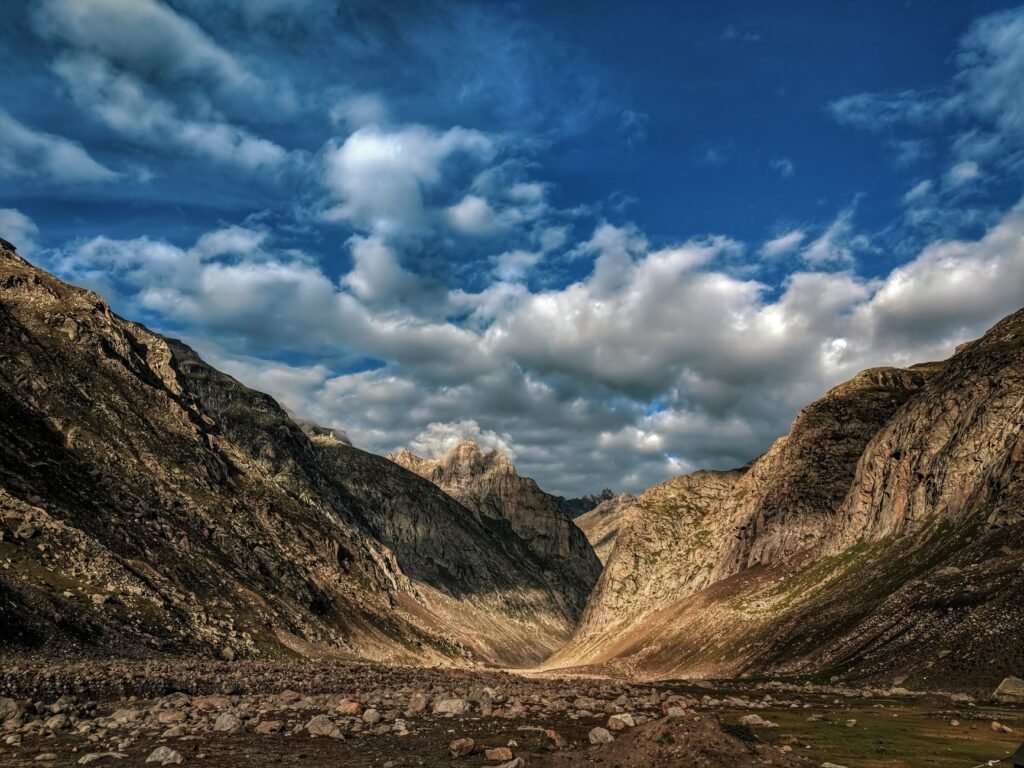
Remote Alpine Meadow in Pangi Valley
At a glance
- District
- Chamba
- Sural Bhatori is a high-altitude alpine meadow at approximately 4,200 meters in remote Pangi Valley
- Accessible only during June to September due to heavy snowfall and extreme weather conditions
- Requires a multi-day trek from Killar or nearby villages with experienced local guides
- Inner Line Permit required for travel to Pangi Valley; arrange in advance from Chamba
- Limited mobile connectivity and facilities; carry all essential supplies and camping equipment
Introduction
Tucked away in the remote Pangi Valley of Chamba district, Sural Bhatori is one of Himachal Pradesh’s best-kept secrets—a pristine alpine meadow that epitomizes the untamed beauty of the Indian Himalayas. This enchanting destination sits at the convergence of ancient shepherd trails and offers travelers an experience that’s light years away from the commercialized hill stations that dot the region. Unlike the crowded peaks of Shimla or Manali, Sural Bhatori remains refreshingly unexplored, promising solitude seekers and adventure enthusiasts an authentic Himalayan experience wrapped in raw, unfiltered natural splendor.
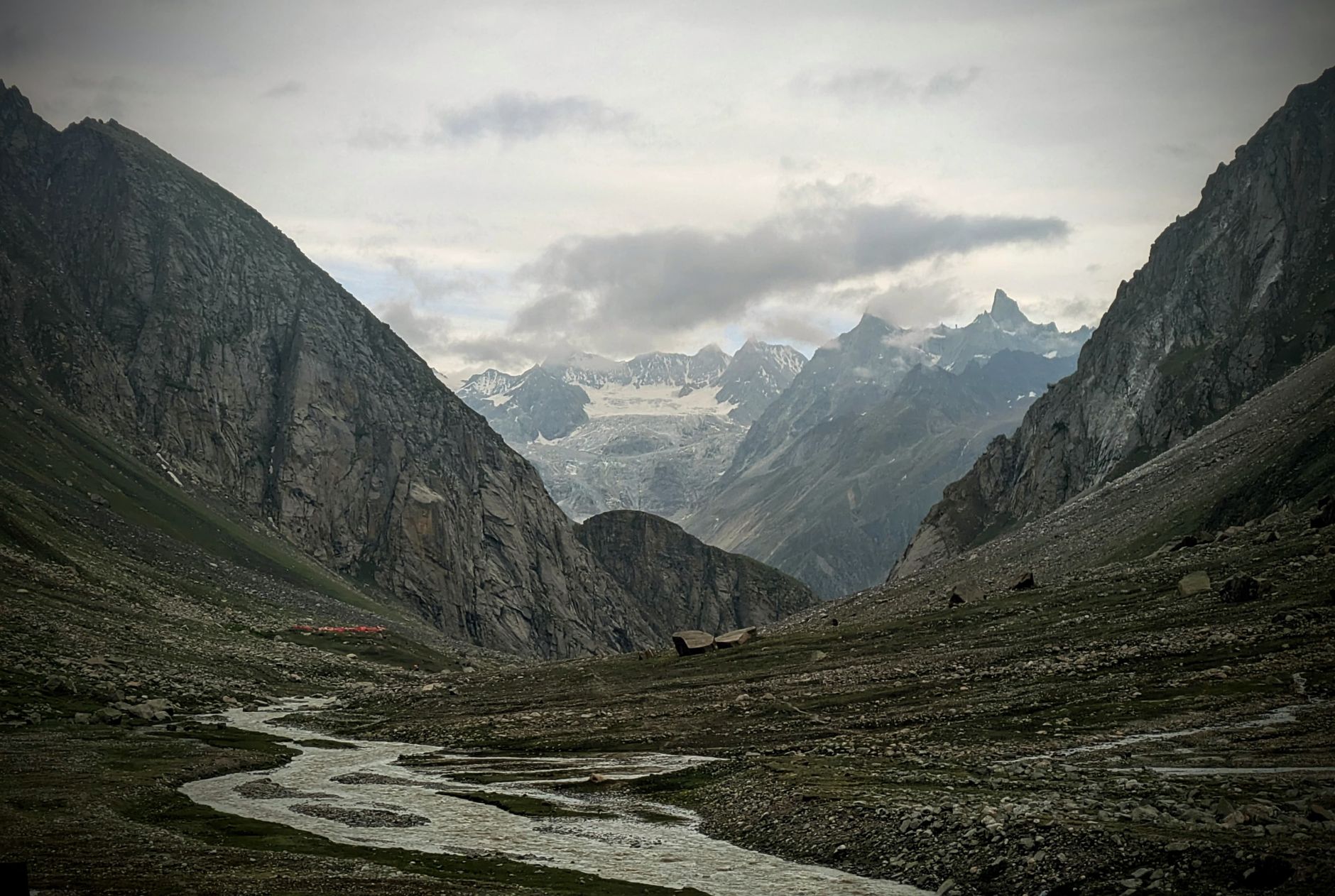
The journey to Sural Bhatori is as much a part of the adventure as the destination itself. Located in the isolated Pangi Valley—often called the “Valley of Death” due to its treacherous winter conditions—this meadow demands commitment from its visitors. The reward? Sweeping vistas of snow-capped peaks, carpets of wildflowers that bloom in impossible abundance, crystal-clear mountain streams, and the opportunity to witness a way of life that has remained virtually unchanged for centuries. This is where the pastoral communities of Pangi still practice transhumance, moving their flocks between seasonal pastures just as their ancestors did.
For those willing to venture beyond the beaten path, Sural Bhatori offers something increasingly rare in our hyper-connected world: genuine remoteness. Here, mobile signals fade, concrete gives way to grass, and the constant hum of modern life is replaced by the whisper of mountain winds and the distant tinkling of shepherd bells. This is Himachal at its most authentic, raw, and utterly magnificent.
Quick Facts About Sural Bhatori
- Altitude
- Approximately 3,800 meters (12,467 feet)
- Best Time to Visit
- June to September
- Distance from Killar (Pangi HQ)
- 42 km
- Distance from Chamba
- 268 km via Sach Pass
- Nearest Airport
- Bhuntar (Kullu-Manali), 285 km
- Nearest Railway Station
- Pathankot, 340 km
- Permits Required
- Inner Line Permit (ILP) may be required for certain areas; check with local administration
- Temperature Range
- Summer: 10°C to 25°C; Winter: -15°C to 5°C (inaccessible)
- Approx Budget per Day
- ₹1,500 – ₹2,500 (budget travel)
Why Visit Sural Bhatori
What sets Sural Bhatori apart from other high-altitude meadows in Himachal is its extraordinary isolation combined with unspoiled pastoral culture. While places like Triund or Prashar Lake have become Instagram hotspots, Sural Bhatori remains genuinely remote—a destination that requires effort, planning, and a spirit of adventure. The meadow itself is a vast expanse of alpine grassland punctuated by seasonal wildflowers including rare Himalayan orchids, blue poppies, and edelweiss that transform the landscape into a natural botanical garden between July and August.
The cultural dimension adds another layer of uniqueness. The Pangwala community that inhabits these high valleys practices a form of Buddhism mixed with animistic traditions unique to this region. During the summer months, shepherds establish temporary settlements in Sural Bhatori, bringing their sheep and goats to graze on the nutrient-rich alpine grasses. Witnessing their daily routines—milking goats, making traditional butter and cheese, spinning wool on hand spindles—offers an anthropological window into a lifestyle that’s rapidly disappearing elsewhere in the Himalayas.
The geological features are equally compelling. Sural Bhatori sits in a glacially carved valley with dramatic rock formations that tell the story of ancient ice movements. Several perennial streams fed by snowmelt create natural water features, and the meadow serves as a base for more ambitious treks to nearby passes including the challenging route toward Zanskar. The night sky here, free from any light pollution, reveals the Milky Way in breathtaking clarity—making it a paradise for astrophotography enthusiasts.
How to Reach Sural Bhatori
By Air: The nearest functional airport is Bhuntar Airport near Kullu, approximately 285 km from Sural Bhatori. Daily flights connect Bhuntar with Delhi (₹3,500-₹8,000 depending on season). From Bhuntar, you’ll need to arrange private transport to Killar via the Rohtang-Gramphu-Keylong-Udaipur-Killar route (open June-October). This journey typically costs ₹8,000-₹12,000 for a private taxi and takes approximately 12-14 hours with overnight halts recommended.
By Train: Pathankot Railway Station in Punjab is the nearest major railhead at 340 km. Well-connected to Delhi, Mumbai, Kolkata, and other major cities, Pathankot offers numerous train options. From Pathankot, you can hire a taxi to Chamba (120 km, ₹2,500-₹3,500, 4 hours), then proceed to Pangi Valley via Sach Pass. Total journey from Pathankot to Killar via Sach Pass is approximately 320 km and takes 14-16 hours in good conditions (₹10,000-₹15,000 for private vehicle).
By Road from Delhi: The most adventurous option involves driving from Delhi to Sural Bhatori, covering approximately 750 km. Route options include: (1) Delhi-Chandigarh-Mandi-Keylong-Udaipur-Killar via Rohtang Pass (750 km, 2-3 days with stops), or (2) Delhi-Pathankot-Chamba-Killar via Sach Pass (740 km, 2-3 days). Both routes present significant challenges requiring high-clearance vehicles, preferably 4×4. Many travelers hire Mahindra Bolero or Scorpio vehicles in Manali or Chamba (₹4,000-₹6,000 per day).
From Killar to Sural Bhatori: The final 42 km from Killar requires either trekking (2-3 days with camping) or hiring a local vehicle capable of navigating rough mountain tracks. During peak summer, shared jeeps occasionally run to villages en route (₹500-₹800 per person), but private hire is more reliable (₹3,500-₹5,000 for the round trip). The last 8-10 km typically requires trekking or pony hire (₹800-₹1,200 per pony).
Via Sach Pass (Seasonal): The legendary Sach Pass route from Chamba to Killar opens only from late June to early October. This 140 km stretch is one of India’s most challenging mountain drives, reaching 4,420 meters at the pass. HRTC buses operate this route during season (₹400-₹600, 10-12 hours), departing Chamba early morning. However, the journey is extremely demanding and motion sickness is common. Private vehicles are recommended for flexibility (₹8,000-₹12,000 Chamba to Killar).
Best Time to Visit Sural Bhatori
June (Early Season): The Sach Pass typically opens in mid-to-late June, making Pangi Valley accessible after eight months of winter isolation. This is the shoulder season when snow still caps the peaks and lingers in shaded areas of Sural Bhatori. Daytime temperatures range from 8°C to 18°C. The meadows are just awakening, with early wildflowers beginning to bloom. Tourist numbers are minimal, and you’ll have the landscape largely to yourself. However, some facilities may not yet be fully operational, and weather can be unpredictable. This is ideal for photographers seeking snow-mountain contrasts and travelers preferring solitude.
July-August (Peak Season): These monsoon months paradoxically represent the best time to visit Sural Bhatori. While lower Himachal experiences heavy rainfall, the rain-shadow effect of Pangi Valley results in lighter precipitation. The meadows explode with wildflower blooms—a spectacular carpet of colors including blue poppies, primulas, potentillas, and countless other species. Temperatures are most pleasant (12°C to 25°C), and all trekking routes are accessible. Shepherds establish their summer camps, offering cultural interactions. This period sees the highest (though still modest) tourist activity. Accommodation options fill up, so advance booking is essential. The main drawback is occasional afternoon showers and the possibility of landslides blocking access roads temporarily.
September (Ideal Time): Early September combines the best of all worlds—stable weather, clear skies, operational facilities, and thinning crowds. Post-monsoon clarity offers spectacular mountain views, perfect for photography and trekking. Temperatures begin dropping (10°C to 20°C), signaling the transition to autumn. Wildflowers are past peak but still present. The shepherds prepare to descend with their flocks, and witnessing this migration is culturally fascinating. By late September, nights become quite cold (near freezing), requiring good sleeping gear. This is arguably the optimal visiting window for most travelers.
October (Late Season): Early October offers a narrow window before the valley closes for winter. The landscape takes on golden autumn hues, and the first snow often dusts the peaks, creating dramatic vistas. However, weather becomes increasingly unpredictable, and Sach Pass typically closes by mid-October. Only the Rohtang-Keylong route remains viable, and even that becomes risky with early snowfall. Temperatures drop significantly (5°C to 15°C daytime, below 0°C at night). Most local families migrate to lower altitudes. This is strictly for hardcore adventurers willing to accept risks of sudden weather changes and potential isolation.
November-May (Completely Inaccessible): Pangi Valley becomes entirely cut off from the outside world. Sach Pass is buried under 15-20 feet of snow, and even the Rohtang route closes after heavy snowfall. The valley’s permanent residents endure extreme isolation, relying on stockpiled supplies and occasional helicopter drops for emergencies. Temperatures plummet to -15°C or lower, and the landscape is locked in deep winter. Travel during these months is impossible for tourists.

Top Things to Do in Sural Bhatori
Trek to High Altitude Passes
Sural Bhatori serves as an excellent base for ambitious trekkers aiming for the surrounding passes that connect Pangi with Zanskar and Lahaul. The trek toward Umasi La (approximately 5,350 meters) is particularly rewarding, offering a challenging 3-4 day expedition through pristine wilderness with minimal human presence. These routes require proper acclimatization, good fitness levels, and preferably a local guide who knows the constantly shifting trail conditions. The sense of achievement standing atop these remote passes, with 360-degree views of unnamed peaks, is unparalleled.
Wildflower Photography and Botanical Exploration
Between mid-July and late August, Sural Bhatori transforms into one of the Himalayas’ finest natural botanical gardens. Amateur botanists and macro photographers will find endless subjects—from the rare blue Himalayan poppy (Meconopsis) to various species of primulas, potentillas, saxifrages, and gentians. Early mornings, when dew still clings to petals and the light is soft and golden, provide magical photography opportunities. Carry a field guide to Himalayan flora to properly identify the remarkable diversity of alpine plant life thriving in this harsh yet nurturing environment.
Cultural Immersion with Shepherd Communities
During the summer grazing season, Pangwala shepherds establish temporary settlements called “doks” across Sural Bhatori’s expanse. These families welcome respectful visitors and offer glimpses into their ancient pastoral lifestyle. You can participate in daily activities like milking goats, churning traditional butter, or preparing local delicacies like chhang (barley beer). Evenings around campfires, listening to folk songs and stories passed down through generations, create memories far more valuable than any photograph. Consider contributing fairly for hospitality—₹300-₹500 for meals or ₹200-₹300 for tea and snacks is appropriate.
Fishing in Mountain Streams
Several crystal-clear streams fed by snowmelt flow through and around Sural Bhatori, home to native trout species. While commercial fishing is prohibited without permits, catch-and-release fishing is generally tolerated if done respectfully and sustainably. The challenge of fly-fishing in these high-altitude waters, surrounded by spectacular mountain scenery, attracts serious anglers. Local knowledge about which streams hold fish is invaluable, so connect with guides in Killar before heading out. Always practice ethical angling and never deplete the limited fish populations.
Stargazing and Astrophotography
At nearly 4,000 meters altitude with zero light pollution, Sural Bhatori offers some of India’s finest stargazing opportunities. On clear nights (most common in September), the Milky Way stretches across the sky with incredible clarity, and meteor showers during August’s Perseids are spectacular. Astrophotographers can capture stunning long-exposure images with minimal equipment. The thin atmosphere and excellent seeing conditions occasionally allow viewing of deep-sky objects like the Andromeda Galaxy with basic binoculars. Even casual observers will be awestruck by the celestial display that unfolds nightly above these remote meadows.
Day Hikes to Surrounding Viewpoints
Several day-hike options radiate from Sural Bhatori, requiring no special permits or technical skills. A popular route leads to a ridge approximately 400 meters higher than the main meadow (3-4 hours round trip), offering panoramic views of the Pangi Valley and surrounding peaks. Another worthwhile hike follows the main stream upstream toward its glacial source, passing through increasingly dramatic gorges and waterfalls. These shorter excursions allow acclimatization for those planning more ambitious treks and provide excellent photography opportunities without the commitment of multi-day expeditions.
Meditation and Yoga Retreats
The profound silence and natural beauty of Sural Bhatori create an ideal environment for meditation and yoga practice. Some visitors organize informal retreats, practicing at sunrise when the meadows are bathed in golden light and the air is crisp and pure. The altitude naturally slows the pace of life, encouraging introspection and mindfulness. Several flat, grassy areas provide perfect natural yoga platforms with Himalayan peaks as backdrop. This is an excellent opportunity to disconnect completely from digital life and reconnect with nature and inner stillness—a rare luxury in our hyperconnected age.

Where to Stay in Sural Bhatori
Budget Options (₹500-₹1,200 per night): Accommodation at Sural Bhatori itself is extremely limited and mostly involves camping. You’ll need to bring your own equipment or arrange with local guides in Killar who can provide tents and camping gear (₹500-₹800 per person including tent, sleeping bag, and mattress). During peak season, some shepherds allow travelers to stay in their temporary shelters—basic wooden or stone structures with minimal amenities (₹300-₹500 per night). These offer authentic cultural experiences but expect no electricity, running water, or privacy. The nearest village with basic guesthouses is Dharwas, approximately 15 km from Sural Bhatori, where homestays charge ₹800-₹1,200 per night with simple meals included.
Mid-Range Options (₹1,500-₹3,000 per night): The town of Killar, serving as Pangi Valley’s headquarters, offers several mid-range guesthouses that make sensible bases for day trips to Sural Bhatori. The Pangi Valley Guest House and Hotel Snow View provide relatively comfortable rooms with attached bathrooms, hot water (solar or geyser), and basic meals (₹1,800-₹2,500 per night). The Public Works Department (PWD) Rest House in Killar can be booked through proper channels (₹1,500-₹2,000) and offers clean, government-maintained rooms, though availability isn’t guaranteed. These establishments provide the comfort and facilities lacking at the meadow itself while keeping you within striking distance for early morning departures to Sural Bhatori.
Comfortable Options (₹3,000+ per night): For those seeking more comfort, the best strategy involves organizing fully outfitted camping experiences through specialized tour operators based in Manali or Chamba. Companies like Himalayan Eco-Camps and Pangi Adventure Tours offer complete packages including luxury camping with spacious tents, comfortable beds, attached toilet tents, solar lighting, and excellent meals prepared by camp chefs (₹4,500-₹7,000 per person per night, all-inclusive). These packages typically require minimum group sizes (4-6 people) and advance booking of at least 2-3 weeks. The premium you pay ensures comfort, safety, proper waste management, and expert local guides—worthwhile for those uncomfortable with rough camping conditions.
Practical Considerations: Regardless of accommodation choice, understand that Sural Bhatori lacks all modern amenities. There’s no electricity (bring power banks and solar chargers), no mobile connectivity, no shops, and no restaurants. All supplies must be carried in. Water is available from streams but requires purification (carry tablets or filters). Toilet facilities are non-existent—practice proper wilderness sanitation at least 60 meters from water sources. The extreme remoteness means self-sufficiency is crucial; carry all medications, first-aid supplies, food supplements, and emergency equipment. Altitude sickness is a real risk at 3,800 meters—spend at least one night in Killar (2,500 meters) for acclimatization before ascending to Sural Bhatori.
Local Food & Cuisine
The cuisine of Pangi Valley reflects its isolation, harsh climate, and pastoral culture, with dishes designed to provide maximum nutrition and warmth. Thukpa—a hearty noodle soup with vegetables and sometimes meat—is a staple that’s perfect after cold mountain days. The local version incorporates sun-dried vegetables preserved from summer for use during the long winter isolation. Channa Madra, chickpeas cooked in yogurt-based gravy flavored with cardamom and cloves, provides essential protein and is commonly served with rice or local bread. Aktori, a traditional Pangi bread made from wheat or barley flour and shaped into thick rotis, is baked in stone ovens and pairs excellently with butter churned from yak or goat milk.
Perhaps most distinctive is Chhang, a mildly alcoholic beverage fermented from barley or rice that’s central to Pangwala culture. Served both for hospitality and warmth, it has a slightly sour, earthy taste that’s an acquired preference for outsiders. The traditional butter tea (similar to Tibetan suja) made with butter, salt, and black tea provides essential calories and warmth at high altitudes. During summer months when fresh milk is abundant, locally made cheese and paneer appear in various dishes, offering rare freshness in this remote location.
Where to Eat: At Sural Bhatori itself, there are no restaurants or eateries—all meals must be self-prepared or arranged with local shepherds. In Killar, Himalayan Dhaba offers simple but satisfying meals including dal, rice, rotis, and vegetable curries (₹150-₹300 per meal). The modest Snow View Restaurant connected to the hotel serves both local Pangwala specialties and standard North Indian fare (₹200-₹400 per meal). For the most authentic experience, arrange home-cooked meals with local families through your guesthouse (₹250-₹350 per meal). These homemade thalis provide the best opportunity to taste genuine Pangi cuisine prepared with traditional methods and locally sourced ingredients.
When camping at Sural Bhatori, most travelers carry ready-to-eat packages, instant noodles, dry fruits, energy bars, and packet soups. However, hiring a local cook through tour operators (₹800-₹1,200 per day) dramatically improves the experience. These skilled individuals can prepare fresh rotis, dal, rice, and vegetables even with minimal camping equipment, transforming basic ingredients into nourishing, morale-boosting meals. Always carry high-energy snacks—chocolate, nuts, glucose biscuits—for the trail, as the altitude and exertion increase caloric requirements significantly. Tea materials (tea bags, sugar, milk powder) are essential for the constant cups of chai that punctuate mountain life and provide both warmth and social lubrication when interacting with locals.
Practical Travel Tips for Sural Bhatori
Permits and Permissions: As of current regulations, inner areas of Pangi Valley may require Inner Line Permits for Indian nationals and Protected Area Permits for foreign nationals, though enforcement varies. Check with the Chamba District Magistrate’s office (+91-1899-222006) or Killar Sub-Divisional Magistrate for current requirements before traveling. Permits, when required, are typically free or nominal (₹50-₹100) but require photocopies of ID proof and passport-size photographs. Processing usually takes 1-2 days, so plan accordingly. Some trekking routes toward border areas definitely require permits obtainable in Killar from the local administration office.
Mobile Network and Connectivity: Accept complete digital disconnection. Mobile signals from BSNL occasionally work in Killar town but are entirely absent at Sural Bhatori and surrounding areas. This remoteness is part of the appeal but requires planning. Inform family and friends you’ll be unreachable for the duration of your stay. Download offline maps (Maps.me or Google Maps offline areas) before entering the valley. Carry a physical map and compass as backup navigation tools. Emergency communication relies on satellite phones (some tour operators carry them) or traveling to Killar where BSNL MTNL connections may work sporadically.
ATM and Cash: The nearest ATM is in Chamba, 268 km away—and it’s not always functional. Carry sufficient cash in small denominations (₹10, ₹20, ₹50, ₹100 notes) to cover all anticipated expenses plus emergency reserve. Budget ₹2,000-₹3,000 per day per person including accommodation, food, transportation, and miscellaneous expenses. Local transactions are exclusively cash-based; UPI, cards, and digital payments are impossible. Store cash in multiple secure locations (money belt, hidden pouches, tent pockets) to minimize loss risk if one source is compromised.
Medical Facilities: Sural Bhatori has zero medical infrastructure. The nearest Primary Health Centre (PHC) is in Killar with extremely basic facilities—essentially a first-aid station. For anything beyond minor ailments, the nearest hospital is in Udaipur (Lahaul) or Chamba, both 200+ km away requiring several hours of difficult travel. This makes self-sufficiency in medical matters absolutely critical. Carry a comprehensive first-aid kit including medications for altitude sickness (Diamox), pain relievers, anti-diarrheal medicines, antibiotics, bandages, antiseptics, blister treatments, and any personal prescription medications with generous surplus. Consider altitude sickness particularly seriously—symptoms include headache, nausea, dizziness, and fatigue. Descend immediately if symptoms worsen despite rest and hydration.
What to Pack: Even during summer, temperatures drop significantly at night. Pack layered clothing including thermal innerwear, fleece jacket, waterproof windproof outer shell, warm hat, and gloves. Trekking boots with good ankle support and waterproofing are essential. Sun protection is critical at altitude—high SPF sunscreen, lip balm, sunglasses with UV protection, and wide-brimmed hat prevent painful sunburn and snow blindness. Sleeping bag rated for -5°C minimum is necessary even in summer. Carry water purification tablets or filter, headlamp with extra batteries, power bank (solar charger helpful), basic camping gear, trekking poles, and a good quality tent if camping independently. Don’t forget toilet paper, hand sanitizer, and biodegradable soap.
Safety Considerations: The remoteness that makes Sural Bhatori special also creates genuine risks. Never trek alone—groups of at least 3-4 people are safest. Inform authorities in Killar about your plans and expected return. Weather changes rapidly at altitude; be prepared to shelter or retreat if conditions deteriorate. River crossings can be dangerous, especially during afternoon meltwater surges. Carry emergency whistle, basic survival gear, and know how to use them. Wildlife including Himalayan brown bears occasionally frequent these meadows; maintain proper food storage and waste management. Register with your embassy if you’re a foreign national, and carry comprehensive travel insurance that specifically covers high-altitude trekking and evacuation.
Responsible Tourism: Sural Bhatori’s pristine condition depends on visitors practicing leave-no-trace principles religiously. Carry out all non-biodegradable waste—every wrapper, plastic bottle, and battery. Human waste should be buried at least 15 cm deep and 60+ meters from water sources, or carried out in specialized waste bags. Use biodegradable soaps and detergents, and even then, away from streams. Don’t disturb wildflowers or wildlife. Respect local customs and sacred sites—always ask permission before photographing people or religious symbols. Support the local economy by hiring local guides and porters (₹800-₹1,500 per day), purchasing supplies in Killar rather than bringing everything from outside, and compensating families fairly for hospitality. The valley’s fragile ecosystem and culture can only sustain tourism if visitors demonstrate genuine respect and care.
Final Thoughts
Sural Bhatori represents something increasingly rare in our mapped, documented, and Instagram-saturated world—genuine remoteness and authenticity. This is not a destination for casual tourists seeking comfort and convenience; it’s a pilgrimage for those who understand that the most rewarding experiences often demand the greatest effort. The journey to reach these high meadows, whether via the legendary Sach Pass or through the valleys of Lahaul, is an adventure that tests resolve and rewards perseverance. Once there, the profound silence, the riot of wildflower colors, the warmth of shepherd hospitality, and the humbling vastness of the Himalayas create experiences that photographs can barely capture and words struggle to convey.
If you’re reading this and feeling the pull of genuine adventure, start planning your journey to Sural Bhatori for the next summer season. Research thoroughly, prepare meticulously, travel respectfully, and approach the destination with the humility it demands. The Pangi Valley and its crown jewel of alpine meadows will reward your effort with memories that outlast all the comfort-seeking holidays combined. This is where you’ll discover not just a magnificent landscape but perhaps something about your own resilience, adaptability, and capacity for wonder. The mountains are calling—Sural Bhatori awaits those brave enough to answer.
- Hire porters and guides from Killar village who know the unmarked trails to Sural Bhatori meadow
- Carry sufficient cash as there are no ATMs in Pangi Valley beyond Killar town
- Acclimatize for at least 2 days in Killar before attempting the high-altitude trek to Sural Bhatori
- Pack warm layers even in summer as temperatures can drop below freezing at night
- Inform local authorities in Killar about your trekking plans for safety purposes
Frequently Asked Questions about Sural Bhatori
The best time to visit Sural Bhatori is from June to September when the meadows are accessible and in full bloom. During winter months, the region becomes inaccessible due to heavy snowfall and treacherous conditions, with temperatures dropping as low as -15°C.
Sural Bhatori is located at an altitude of approximately 3,800 meters (12,467 feet) above sea level. It is situated 42 km from Killar, which is the headquarters of Pangi Valley in Chamba district.
An Inner Line Permit (ILP) may be required for certain areas in and around Sural Bhatori. It is advisable to check with the local administration in Killar or Chamba before planning your trip to ensure you have all necessary documentation.
For budget travelers, the approximate daily budget for visiting Sural Bhatori ranges from ₹1,500 to ₹2,500. This remote destination offers an authentic Himalayan experience away from commercialized tourist spots.
The nearest airport is Bhuntar (Kullu-Manali) at 285 km, and the nearest railway station is Pathankot at 340 km from Sural Bhatori. From Chamba town, the distance is 268 km via the challenging Sach Pass route.
Sural Bhatori offers extraordinary isolation and an unspoiled pastoral culture unlike commercialized destinations like Triund or Prashar Lake. It provides genuine remoteness with sweeping vistas of snow-capped peaks, abundant wildflowers, and an opportunity to witness the traditional transhumance lifestyle of Pangi’s pastoral communities.