
Travel guide
Udaipur
The City of Lakes and Royal Rajasthani Heritage
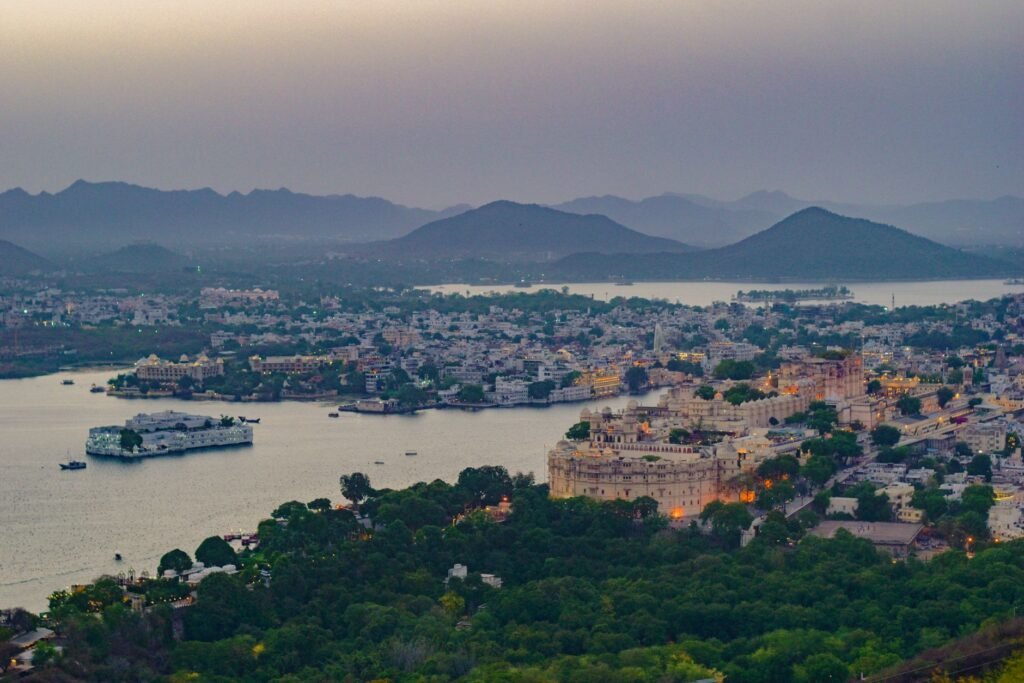
- Udaipur is best visited between October and March when weather is pleasant for sightseeing and lake activities.
- City Palace and Lake Pichola are must-visit attractions offering stunning architecture and boat rides at sunset.
- Budget travelers can find excellent accommodation in old city guesthouses while luxury hotels offer heritage palace experiences.
- Local transportation includes auto-rickshaws, taxis, and bike rentals for exploring the city and nearby attractions.
- Try traditional Rajasthani thalis and dal baati churma at local restaurants for authentic culinary experiences.
Introduction
Nestled in the southern reaches of Rajasthan, Udaipur emerges like a shimmering mirage of white marble palaces, azure lakes, and regal heritage that captivates every soul who wanders into its embrace. Known as the “City of Lakes” and the “Venice of the East,” Udaipur stands as a testament to Rajputana grandeur, where every cobblestone whispers tales of valour, romance, and artistic brilliance. Founded in 1559 by Maharana Udai Singh II, this enchanting city has evolved from a princely capital into one of India’s most beloved travel destinations, drawing wanderers seeking beauty, culture, and an escape into a world where time seems to slow down amidst palace courtyards and lakeside sunsets.
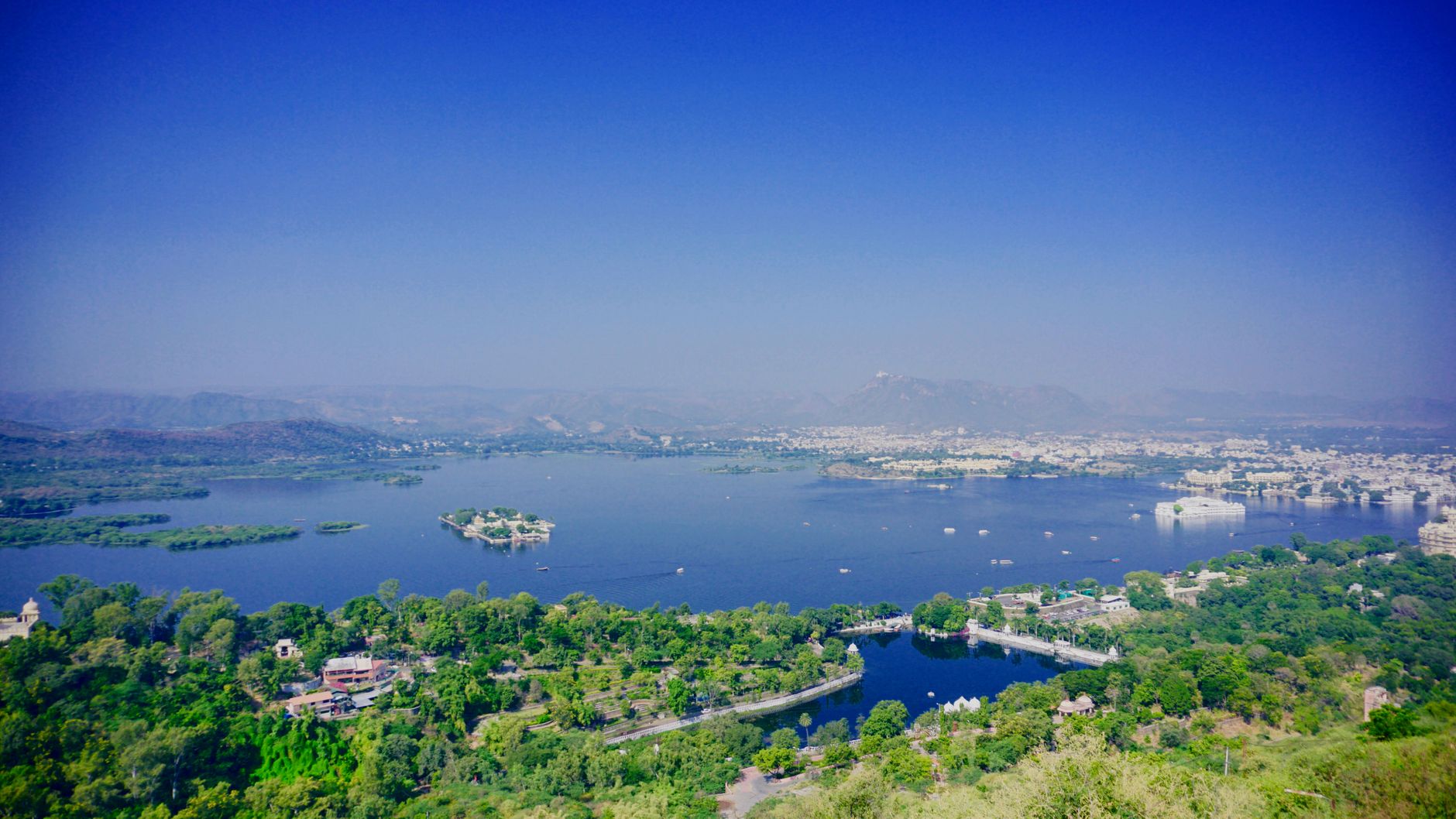
Unlike the desert landscapes that characterize much of Rajasthan, Udaipur is blessed with an abundance of water bodies that have shaped its identity and aesthetic. The city sprawls around the picturesque Lake Pichola, with the majestic City Palace complex rising from its eastern banks, creating reflections so perfect they blur the line between reality and dreams. The Aravalli Hills form a protective embrace around the city, their green-clad slopes providing a dramatic backdrop to the white-washed architecture that has earned Udaipur its sobriquet as the “White City.”
What sets Udaipur apart from other heritage destinations is its living, breathing quality—this is not merely a museum city frozen in time, but a vibrant cultural hub where traditional arts flourish alongside contemporary creativity. From the miniature painters who continue centuries-old techniques to the musicians preserving classical ragas, from the craftsmen creating intricate tie-dye textiles to the chefs reinventing royal recipes, Udaipur offers travellers an immersive journey into Rajasthani culture that extends far beyond palace tours and boat rides.
Quick Facts About Udaipur
- Altitude
- 598 meters (1,962 feet) above sea level
- Best Time to Visit
- October to March (winter months)
- Distance from Nearest Major City
- Ahmedabad: 262 km, Jaipur: 395 km, Jodhpur: 254 km
- Nearest Airport
- Maharana Pratap Airport (22 km from city center)
- Permits Required
- None for general tourism; camera fees applicable at some monuments
- Temperature Range
- Summer: 23°C-44°C, Winter: 5°C-30°C, Monsoon: 25°C-35°C
- Approx Budget per Day in INR
- Budget: ₹1,500-2,500, Mid-range: ₹3,000-6,000, Luxury: ₹10,000+
Why Visit Udaipur
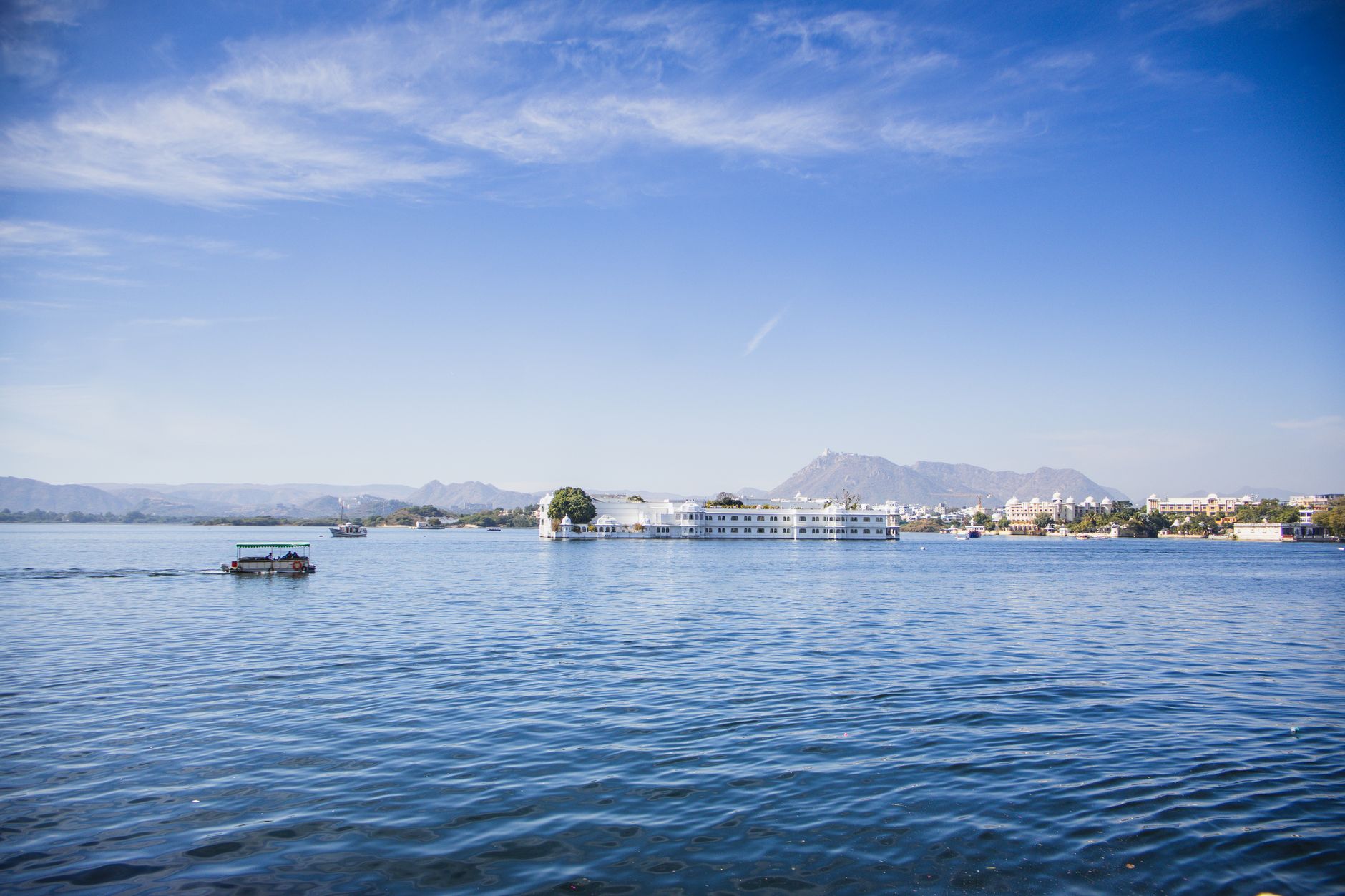
Udaipur’s uniqueness lies in its extraordinary synthesis of natural beauty and human artistry. The city’s architectural masterpieces don’t merely sit beside the lakes—they engage in an intimate dialogue with the water, creating a symbiotic relationship that defines the city’s character. The Lake Palace, now the iconic Taj Lake Palace hotel, appears to float ethereally on Lake Pichola’s surface, its white marble walls turning amber at sunset and silver under moonlight. This isn’t just picturesque; it represents a sophisticated understanding of aesthetics and engineering that the Mewar dynasty perfected over centuries.
The city’s artistic heritage offers another compelling reason to visit. Udaipur has been a patron of the arts for over four centuries, and this legacy continues today in the narrow lanes of the old city. The Rajasthani miniature painting tradition, characterized by intricate details, vibrant natural colours, and elaborate depictions of courtly life, thrives in family-run studios where sixth and seventh-generation artists still mix pigments from minerals and stones. The city is also renowned for its silver jewelry craftsmanship, particularly the meenakari (enamel work) and thewa (glass work) techniques that are increasingly rare elsewhere.
Beyond the well-trodden palace circuits, Udaipur offers layers of discovery that reward curious travelers. The city’s stepped wells, or bawdis, represent ingenious water conservation systems adorned with sculptural artistry. The traditional havelis in areas like Gangaur Ghat and Ambrai showcase residential architecture with intricately carved wooden balconies and colorful glass windows. The surrounding Aravalli landscape provides opportunities for cycling, trekking, and wildlife spotting at sanctuaries like Sajjangarh Wildlife Sanctuary. Moreover, Udaipur serves as an excellent base for exploring rural Rajasthan, with numerous villages nearby where ancient crafts, tribal cultures, and agricultural traditions remain largely unchanged.
How to Reach Udaipur
By Air: Maharana Pratap Airport, located 22 km east of the city center, connects Udaipur with major Indian cities. Direct flights operate from Delhi (₹3,500-8,000, 1 hour 30 minutes), Mumbai (₹4,000-9,000, 1 hour 45 minutes), Bangalore (₹5,000-12,000, 2 hours 15 minutes), and Jaipur (₹2,500-6,000, 55 minutes). Pre-paid taxis from the airport to the city center cost approximately ₹500-700, while ride-sharing apps charge ₹350-500. Some hotels offer complimentary airport transfers for advance bookings.
By Train: Udaipur City Railway Station is well-connected to India’s railway network. The Mewar Express from Delhi (19665/19666) covers 738 km in approximately 12 hours with fares ranging from ₹350 (sleeper) to ₹1,500 (AC 2-tier). The Chetak Express connects to Jaipur (395 km, 7-8 hours, ₹300-1,200), while trains from Mumbai take 15-16 hours covering 745 km (₹400-1,800). Advance booking is highly recommended, especially during October to March. Auto-rickshaws from the railway station to the lake area cost ₹100-150.
By Road: Udaipur enjoys excellent road connectivity via National Highway 48 and NH 76. RSRTC (Rajasthan State Road Transport Corporation) operates regular Volvo and Express buses from Ahmedabad (262 km, 5-6 hours, ₹400-800), Jaipur (395 km, 7-8 hours, ₹500-1,000), Jodhpur (254 km, 5-6 hours, ₹400-700), and Mount Abu (164 km, 3-4 hours, ₹300-500). Private luxury buses offer more comfortable options at ₹800-1,500. Self-drive and chauffeur-driven car rentals are available from neighboring cities at approximately ₹10-15 per km.
By Taxi/Cab: Private taxis can be hired from surrounding cities. Approximate costs include: Ahmedabad (₹3,500-5,000), Jaipur (₹4,500-6,500), Jodhpur (₹3,500-5,000), and Mount Abu (₹2,500-3,500). These rates typically include driver charges, toll taxes, and parking fees. Many operators offer customized sightseeing packages en route, particularly beneficial when traveling from Jaipur (visiting Chittorgarh Fort) or Mount Abu (exploring Kumbhalgarh).
Best Time to Visit Udaipur
Winter (October to March): This is undoubtedly the ideal time to explore Udaipur. October brings relief from monsoon rains with pleasant temperatures ranging from 15°C to 30°C. The lakes are full, gardens lush, and the air clear—perfect for photography and outdoor activities. November through February offers the most comfortable weather (10°C to 28°C), though nights can be cool requiring light woolens. December and January see peak tourist season, with hotels charging premium rates and popular attractions experiencing crowds. The Shilpgram Crafts Fair in late December is a major cultural draw. March marks the beginning of warmer weather but remains pleasant for sightseeing, with temperatures climbing to 20°C-35°C.
Summer (April to June): Summers in Udaipur are hot, with temperatures soaring to 38°C-44°C. However, the relatively higher altitude compared to other Rajasthani cities and the proximity to lakes make it somewhat more bearable than Jaipur or Jodhpur. This off-season period offers significant advantages: hotel rates drop by 30-50%, attractions are less crowded, and you can experience the city at a more leisurely pace. Early morning and evening outings remain enjoyable, while afternoons are best spent in air-conditioned museums or lakeside cafes. The Mewar Festival in March/April (coinciding with Gangaur) showcases vibrant cultural performances and processions.
Monsoon (July to September): The monsoon transforms Udaipur into a verdant paradise. Rainfall averages 650 mm, primarily between July and August, with temperatures ranging from 25°C to 35°C. The lakes overflow, waterfalls cascade in nearby areas, and the Aravalli Hills turn emerald green. While heavy rains can occasionally disrupt sightseeing plans, the monsoon offers a romantic, refreshing perspective of the city. Photography enthusiasts find this season particularly rewarding, with dramatic cloud formations and rainbow-streaked skies. Hotel rates remain low, and the reduced tourist numbers create an intimate experience of the city’s monuments. The only caveat is that some outdoor activities and boat rides may be temporarily suspended during heavy rainfall.
Top Things to Do in Udaipur
Explore the City Palace Complex
The City Palace stands as Rajasthan’s largest palace complex, a magnificent amalgamation of Rajasthani, Mughal, Medieval, European, and Chinese architectural styles built over 400 years. Spread across 11 interconnected palaces, the museum showcases royal artifacts including miniature paintings, crystal gallery, royal weaponry, and elaborate peacock mosaics. The Mor Chowk’s intricate glass and mirror work, the Manak Mahal’s crystal and porcelain collection, and the panoramic city views from the upper terraces justify spending 3-4 hours here. Entry fee is ₹300 for Indians and includes an audio guide option (₹200 extra) that greatly enhances the experience with historical narratives and architectural details.
Boat Ride on Lake Pichola
No visit to Udaipur is complete without gliding across Lake Pichola’s tranquil waters, especially during sunset when the entire cityscape bathes in golden light. The standard one-hour boat ride (₹400-500 per person) departs from multiple ghats and passes by the Lake Palace, Jag Mandir island palace, and provides stunning perspectives of the City Palace’s waterfront facade. For a more exclusive experience, private sunset cruises (₹2,000-3,500) offer romantic ambiance, while traditional wooden boats can be chartered for photography sessions. The best departure time is 4:30-5:00 PM to witness the sunset, though early morning rides (7:00-8:00 AM) offer serene, crowd-free moments with excellent light for photography.
Visit Sajjangarh (Monsoon Palace)
Perched atop the Bansdara Peak of the Aravalli Hills at 944 meters altitude, Sajjangarh Palace offers breathtaking 360-degree panoramic views of Udaipur’s lakes, palaces, and surrounding countryside. Built in 1884 by Maharana Sajjan Singh as an astronomical center and monsoon retreat, the palace now serves primarily as a viewpoint, though its architectural details and historical significance warrant exploration. The 15 km drive up winding mountain roads takes 30-40 minutes, with entry fees of ₹80 for Indians and ₹200 for vehicles. Time your visit for late afternoon to watch sunset paint the city in amber and crimson hues, then stay as city lights begin twinkling below—a truly magical experience.
Stroll Through Saheliyon-ki-Bari
This ornamental garden, whose name translates to “Garden of the Maidens,” was built in the 18th century for the royal ladies and their 48 attendants. Beyond its historical significance, the garden showcases Mughal-style landscaping with four marble-lined pools featuring intricate lotus fountains, marble elephants, kiosks, and a delightful collection of imported English rain fountains that still function perfectly. The lush lawns, shaded walkways, and peaceful ambiance make it an ideal morning destination (best visited between 8:00-10:00 AM before tour groups arrive). Entry fee is ₹50 for Indians, and the garden stays open from 9:00 AM to 6:00 PM. The adjacent Science Park and toy train appeal to families traveling with children.
Experience Traditional Arts at Bharatiya Lok Kala Mandal
This folk art museum and cultural institution offers an authentic glimpse into Rajasthan’s diverse folk traditions, including puppet shows (kathputli), folk dances, folk music, and traditional costumes. The museum houses an impressive collection of over 1,000 folk art objects including masks, dolls, ornaments, and instruments. Daily puppet shows (usually at 6:00 PM, ₹60 per person) narrate local legends and historical tales through this ancient art form that has entertained Rajasthani communities for centuries. For those interested in learning, the institution offers short workshops in puppet-making, miniature painting, and traditional dance, providing meaningful cultural exchange beyond passive tourism.
Explore the Hidden Gems of Old City
Venture beyond the main tourist circuit into the narrow, winding lanes of the old city where authentic Udaipur reveals itself. The Jagdish Temple, a large Hindu temple in Indo-Aryan architectural style dedicated to Lord Vishnu, features intricate carvings and attracts daily worshippers, offering insight into living religious practices. Wander through Bada Bazaar and Hathi Pol Bazaar for traditional shopping—miniature paintings, tie-dye textiles (bandhani), silver jewelry, leather mojaris (traditional shoes), and wooden handicrafts at prices significantly lower than tourist-focused shops. Stop at traditional mishri shops for local sweets, observe craftsmen at work in their small workshops, and photograph the colorfully painted havelis that line the ghats, particularly around Gangaur Ghat and Ambrai Ghat during early morning or late afternoon golden hours.
Where to Stay in Udaipur
Budget (₹800-2,500 per night): Udaipur offers excellent budget accommodations, particularly around Lake Pichola and the old city. Zostel Udaipur near Chandpol provides dormitory beds from ₹600 and private rooms from ₹1,800, with a rooftop cafe offering lake views. Jagat Niwas Palace Guest House, a heritage property at Lal Ghat, offers rooms from ₹1,200-2,000 with traditional Rajasthani decor and rooftop dining overlooking the lake. Nukkad Guest House and Mewari Haveli are family-run establishments offering authentic hospitality, clean rooms (₹1,000-1,800), and invaluable local insights. These properties provide basic amenities, WiFi, and strategic locations within walking distance of major attractions.
Mid-Range (₹3,000-8,000 per night): This category offers the best value in Udaipur with heritage properties providing royal ambiance at reasonable prices. Jaiwana Haveli, perched above Lal Ghat, features traditionally decorated rooms (₹3,500-5,500) and an excellent rooftop restaurant with direct City Palace views. Udai Kothi, a charming heritage hotel with Victorian-style rooms (₹4,000-6,000), boasts a rooftop pool and multi-cuisine restaurant. Amet Haveli, a 350-year-old mansion converted into a boutique hotel (₹5,000-7,500), offers lakeside rooms with balconies, a lovely courtyard restaurant, and evening cultural performances. Lake Pichola Hotel provides comfortable modern amenities (₹3,500-5,000) with lake-facing rooms and complimentary breakfast.
Luxury (₹10,000+ per night): Udaipur’s luxury hotels rank among India’s finest, offering unparalleled heritage experiences. The Taj Lake Palace, occupying an entire island on Lake Pichola, represents the pinnacle of luxury (₹35,000-85,000), with marble-floored rooms, private dining experiences, and impeccable service. The Oberoi Udaivilas (₹40,000-1,00,000+) spreads across 50 acres with dome-shaped pavilions, private pools, and intricate decorative domes. The Leela Palace Udaipur (₹25,000-60,000) overlooks Lake Pichola with rooms featuring carved wooden furniture and spectacular views. For those seeking heritage charm at relatively lower luxury rates, Fateh Prakash Palace (₹15,000-30,000), part of the City Palace complex, offers restored royal suites and the famous Crystal Gallery dining experience.
Local Food & Cuisine
Udaipur’s cuisine reflects its royal heritage and Rajasthani traditions, characterized by rich gravies, ghee-laden preparations, and innovative vegetarian dishes developed due to water scarcity and Jain dietary influences. Dal Baati Churma remains the quintessential Rajasthani dish—hard wheat dumplings (baati) baked in traditional ovens, served with spiced lentils (dal) and sweetened crushed wheat (churma). The labor-intensive preparation and generous ghee content make it immensely satisfying. Gatte ki Sabzi showcases Rajasthani ingenuity—gram flour dumplings cooked in spiced yogurt gravy, typically served with bajra (pearl millet) rotis. Laal Maas, for non-vegetarians, presents fiery mutton curry cooked with Mathania red chilies, garlic, and traditional spices, originally a hunting community dish adopted by royalty. Ker Sangri, a unique desert delicacy, combines dried berries and beans in a tangy, spicy preparation that exemplifies Rajasthani resourcefulness in arid conditions.
For authentic Rajasthani thalis, Natraj Dining Hall near Bapu Bazaar serves unlimited traditional meals (₹200-300) in a no-frills setting frequented by locals. The thali includes various sabzis, dal, bajra roti, rice, papad, pickles, and dessert—excellent value and authentic flavors. Ambrai Restaurant at Amet Haveli offers refined Rajasthani and Continental cuisine (₹600-1,200 per person) with spectacular lake and palace views, perfect for romantic dinners. The laal maas and ker sangri here are exceptional, as are the vegetarian preparations like papad ki sabzi.
Millets of Mewar, a health-focused restaurant near Fateh Sagar Lake, serves traditional recipes using forgotten grains like jowar, bajra, and ragi (₹300-500 per person), offering both authenticity and nutritional value. For street food experiences, the area around Ghanta Ghar (Clock Tower) comes alive in evenings with vendors selling mirchi vada (stuffed chili fritters), pyaaz kachori (onion-filled pastries), and mawa kachori (sweet pastry filled with condensed milk and dry fruits) at ₹20-50 per piece. Jheel’s Ginger Coffee Bar & Bakery near Gangaur Ghat provides excellent coffee, fresh pastries, and continental breakfast options (₹150-400) in a charming lakeside setting, ideal for those seeking lighter, international fare between traditional meals.

Practical Travel Tips for Udaipur
Permits and Entry Fees: No special permits are required for visiting Udaipur. However, various monuments charge entry fees: City Palace Museum (₹300 for Indians, ₹100 for students), Sajjangarh Palace (₹80 for Indians, ₹200 for vehicle entry), Saheliyon-ki-Bari (₹50), and Jagdish Temple (free, camera fee ₹50). Many heritage hotels charge non-guest entry fees (₹500-1,000) for visiting their public areas and dining facilities. Composite tickets offering access to multiple monuments operated by the Mewar royal family are available at ₹500, providing savings if you plan to visit several sites.
Mobile Network and Connectivity: Udaipur enjoys excellent mobile network coverage from all major operators (Airtel, Jio, Vodafone-Idea, BSNL). 4G connectivity is reliable throughout the city and most tourist areas. WiFi is available at hotels, restaurants, and cafes, though speeds vary. For international visitors, purchasing an Indian SIM card is straightforward at airport counters or city mobile shops with passport and visa documentation.
ATMs and Money: ATMs are widely available throughout Udaipur, particularly concentrated around Chetak Circle, Surajpol, and the City Palace area. Most accept international cards (Visa, Mastercard). However, it’s wise to carry sufficient cash as smaller shops, local transport, and street vendors operate on cash-only basis. Currency exchange facilities are available at the airport, major hotels, and authorized exchange bureaus in the city center, offering competitive rates for major currencies.
Medical Facilities: Udaipur has adequate medical infrastructure for common tourist ailments. GBH American Hospital (Chetak Circle), Paras JK Hospital (Sector 5), and Rabindranath Tagore Hospital (MB Road) provide 24-hour emergency services and multi-specialty care. Numerous pharmacies operate throughout the city, with many staying open until late evening. It’s advisable to carry basic medications for stomach issues, as dietary changes can affect some travelers. Travel insurance covering medical emergencies is highly recommended.
What to Pack: Pack according to season—light cotton clothing for summer (April-June) with sun protection (hat, sunglasses, sunscreen SPF 50+), light woolens for winter evenings (November-February), and rain gear during monsoon (July-September). Modest clothing is recommended when visiting temples and religious sites—avoid shorts, sleeveless tops, and revealing clothing. Comfortable walking shoes are essential for exploring the old city’s uneven lanes. Carry a reusable water bottle, as Udaipur’s tap water isn’t potable, though filtered water is available at hotels and restaurants. A power bank, universal adapter, and waterproof bag for electronics prove useful during extended sightseeing.
Safety and Security: Udaipur is generally safe for tourists, including solo female travelers, though standard precautions apply. Avoid isolated areas after dark, use registered taxis or ride-sharing apps rather than unmarked vehicles, and keep valuables secured. The old city’s narrow lanes can be confusing; download offline maps or hire local guides. Be cautious of overly friendly strangers offering deals on jewelry, carpets, or tours—politely decline and book through reputable agencies. During peak season, pickpocketing can occur in crowded areas; keep bags secure and avoid displaying expensive jewelry or cameras ostentatiously.
Responsible Tourism: Udaipur faces environmental challenges, particularly regarding its lakes, which have experienced water level fluctuations due to reduced rainfall and increased development. Practice responsible tourism by: avoiding single-use plastics (carry cloth bags, reusable water bottles), respecting local customs and dress codes at religious sites, supporting local artisans by purchasing directly from craftspeople rather than commission-driven tourist shops, not littering at monuments or lakes, and being sensitive when photographing locals (always ask permission). Consider staying at heritage hotels that employ local communities and practice sustainable tourism. When taking boat rides, choose operators following environmental guidelines. The city’s charm lies in its preservation—help maintain it for future generations by treading lightly and respecting both cultural and natural heritage.
Final Thoughts
Udaipur transcends the typical tourist experience, offering instead a profound immersion into Rajasthani culture, history, and aesthetics that lingers long after departure. This is a city where every corner reveals another facet of beauty—whether it’s the play of light on Lake Pichola at dawn, the intricate brushstrokes of a miniature painter’s work, the aromatic complexity of traditional Rajasthani cuisine, or the warm hospitality of people proud of their heritage. The city’s magic lies not just in its palaces and lakes, though these are undeniably spectacular, but in the seamless integration of past and present, where royal heritage buildings serve as hotels and museums, where traditional arts adapt to contemporary contexts, and where modernity embraces rather than erases tradition.
Whether you’re a first-time visitor to Rajasthan or a seasoned traveler seeking deeper cultural engagement, Udaipur rewards every type of exploration. Plan for at least three to four days to truly absorb the city’s essence—wander without itinerary through the old city’s lanes, linger over rooftop meals watching the sunset, engage with artisans in their workshops, and allow yourself to slow down to Udaipur’s unhurried rhythm. The city has a way of enchanting visitors, transforming planned brief stops into extended stays and creating memories that beckon you to return. As you watch the sun set over Lake Pichola, painting the City Palace in shades of gold and amber, you’ll understand why Udaipur remains etched in the hearts of all who visit—this is not just a destination, but an experience of beauty, culture, and timeless romance that defines the very essence of royal Rajasthan.
- Visit Bagore Ki Haveli at 7 PM for the Dharohar folk dance show featuring traditional Rajasthani performances including puppet shows.
- Book sunset boat rides on Lake Pichola one day in advance during peak season to avoid disappointment and crowds.
- Explore the narrow lanes of old city early morning between 6-8 AM for authentic local life and uncrowded photography opportunities.
- Hire a local guide at City Palace entrance for insider stories about royal family history not mentioned in guidebooks.
- Visit Sajjangarh Monsoon Palace 90 minutes before sunset for panoramic city views and best lighting for photography.
Frequently Asked Questions about Udaipur
The best time to visit Udaipur is from October to March during the winter months when the weather is pleasant and comfortable for sightseeing. During this period, temperatures range from 5°C to 30°C, making it ideal for exploring the city’s palaces, lakes, and outdoor attractions without the scorching summer heat.
Udaipur is called the “City of Lakes” because unlike the desert landscapes that characterize much of Rajasthan, it is blessed with an abundance of water bodies that have shaped its identity and aesthetic. The city sprawls around the picturesque Lake Pichola and other lakes, earning it nicknames like “Venice of the East” and distinguishing it from other Rajasthani cities.
Udaipur is located at an altitude of 598 meters (1,962 feet) above sea level in the southern reaches of Rajasthan. The city is 262 km from Ahmedabad, 395 km from Jaipur, and 254 km from Jodhpur, with the nearest airport being Maharana Pratap Airport located 22 km from the city center.
Udaipur was founded in 1559 by Maharana Udai Singh II as a princely capital. This enchanting city has evolved from its origins as a Rajputana royal seat into one of India’s most beloved travel destinations, known for its white marble palaces and regal heritage.
No permits are required for general tourism in Udaipur, making it easily accessible for all travelers. However, camera fees are applicable at some monuments and heritage sites within the city.
The daily budget for Udaipur varies based on travel style: budget travelers can manage with ₹1,500-2,500, mid-range travelers should plan for ₹3,000-6,000, while luxury travelers may need ₹10,000 or more per day. This includes accommodation, food, transportation, and sightseeing expenses.