
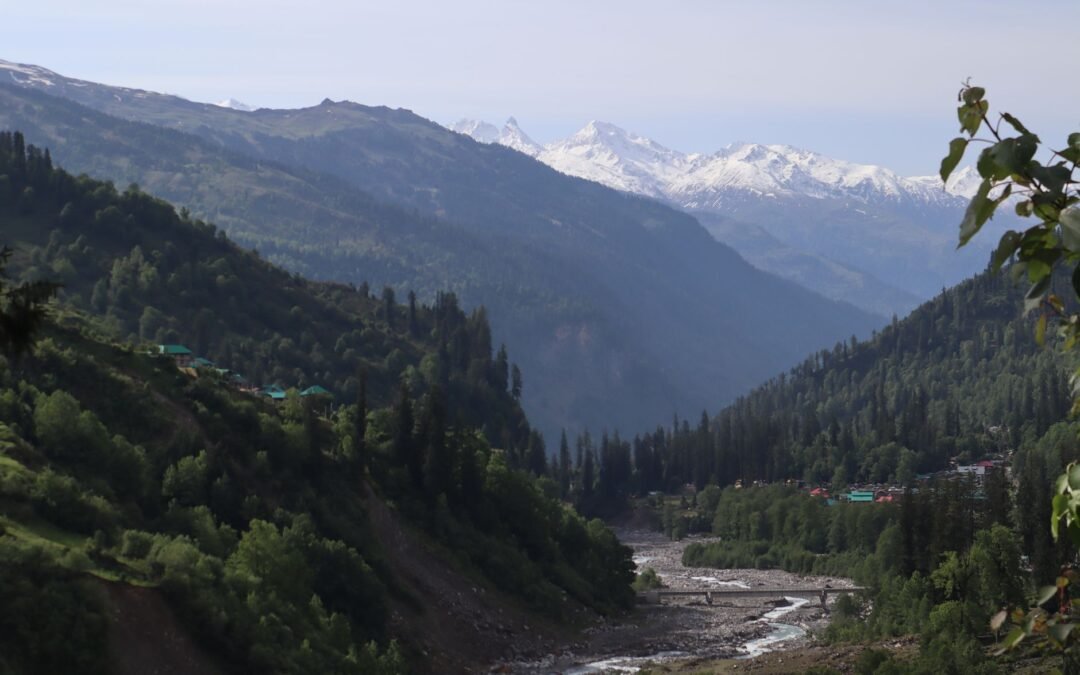
- Barot Valley is located 65 km from Mandi at 6,000 feet altitude, perfect for offbeat travelers seeking tranquility away from crowded hill stations.
- The valley is famous for trout fishing in Uhl River – obtain permits from Fisheries Department at nominal charges for angling experiences.
- Best time to visit is March to June and September to November; avoid monsoons due to landslides and winter for heavy snowfall blocking roads.
- Limited ATM and mobile connectivity available – carry sufficient cash and download offline maps before reaching Barot Valley.
- Homestays and guesthouses offer authentic Himachali hospitality at budget-friendly rates, ranging from ₹800-2500 per night with local meals included.
Introduction
Tucked away in the Mandi district of Himachal Pradesh, Barot Valley remains one of North India’s best-kept secrets—a pristine paradise that has somehow escaped the relentless march of mass tourism. While neighbouring hill stations groan under the weight of crowds and commercialization, this enchanting valley continues to offer the increasingly rare gift of authentic mountain solitude. Named after a small hamlet that sits cradled between forested ridges and the gurgling Uhl River, Barot Valley presents travelers with something precious: a glimpse of Himalayan life as it has been lived for centuries, untouched and unhurried.
What makes Barot Valley truly special is not just its stunning natural beauty—though the panoramic views of snow-capped peaks, dense deodar forests, and terraced apple orchards certainly take your breath away—but its remarkable ability to transport you back to a simpler time. Here, you won’t find honking traffic, aggressive touts, or garish neon signs. Instead, you’ll discover stone-and-wood houses with slate roofs, shepherds guiding their flocks along mountain paths, and locals who still greet strangers with genuine warmth. This is a destination for those who seek connection: with nature, with culture, and perhaps most importantly, with themselves.
Whether you’re an adventure enthusiast looking to trek through virgin forests, an angler hoping to land the legendary trout of the Uhl River, a photographer chasing that perfect golden-hour shot, or simply a weary soul craving digital detox and mountain therapy, Barot Valley offers an experience that resonates long after you’ve returned to the plains. This is Himachal as it once was—raw, real, and utterly rejuvenating.
Quick Facts About Barot Valley
| Feature | Details |
|---|---|
| Altitude | 1,830 meters (6,000 feet) above sea level |
| Best Time to Visit | March to June, September to November |
| Distance from Nearest City | Mandi: 65 km, Bir Billing: 40 km, Jogindernagar: 40 km |
| Nearest Airport | Bhuntar Airport (Kullu): 110 km |
| Nearest Railway Station | Jogindernagar: 40 km |
| Permits Required | Fishing permit (₹300-500 per day), camping permits for certain areas |
| Temperature Range | Summer: 15°C-28°C, Winter: -5°C to 10°C |
| Approx Budget per Day | ₹1,500-₹3,500 (mid-range), ₹800-₹1,500 (budget), ₹4,000+ (luxury) |
Why Visit Barot Valley
Barot Valley distinguishes itself through a remarkable combination of factors that you won’t easily find replicated elsewhere in the Indian Himalayas. First and foremost is its status as one of India’s premier trout fishing destinations. The Uhl River, which carves its way through the valley, was stocked with brown and rainbow trout by the British in the 1920s, and the tradition continues today under the Himachal Pradesh Fisheries Department. Unlike many tourist traps where “experiences” feel manufactured, fishing here is the real deal—you’ll wade into icy mountain streams at dawn, learning the art of fly-fishing in surroundings so pristine you can drink the water straight from the river.
The valley’s history as a hydroelectric project site adds another unique dimension. The Shanan Hydel Project, commissioned in 1932, was Asia’s first such project and remains functional today. The reservoir created by this project has become a scenic attraction in its own right, with emerald-green waters reflecting surrounding peaks. More importantly, because the area was long administered by the Punjab State Electricity Board with restricted access, it remained protected from unplanned development—an accidental conservation success story that preserved Barot’s character.
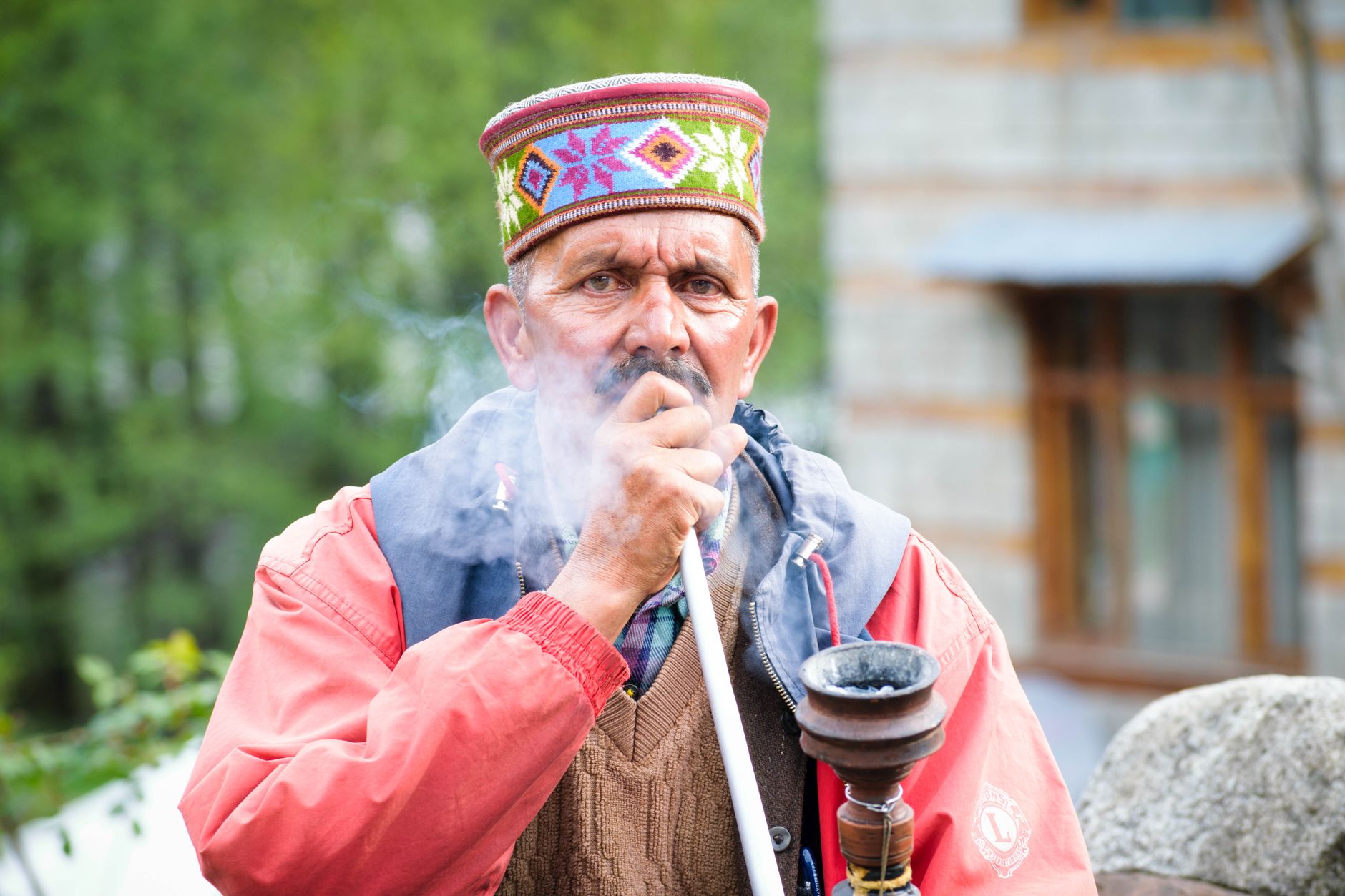
What truly sets Barot apart, however, is its authentic cultural fabric. The valley is home to the Gaddi shepherd community, semi-nomadic pastoralists who have maintained their traditional lifestyle for centuries. Between April and October, you’ll encounter these shepherds moving their flocks between high-altitude pastures, dressed in their distinctive chola (woolen coats) and carrying their entire world on their backs. They’re usually delighted to share stories over cups of sweet chai, offering insights into a way of life that exists in harmony with the mountains. This isn’t a cultural museum or staged performance—it’s living heritage.
The biodiversity of the region deserves special mention. Barot lies within the Great Himalayan Range ecosystem, hosting leopards, Himalayan black bears, barking deer, ghoral, and an incredible variety of birds including the colorful monal pheasant (Himachal’s state bird), koklass pheasant, and various species of eagles. The surrounding forests—primarily deodar, oak, rhododendron, and pine—create a constantly changing palette of colors through the seasons, from the fresh greens of spring to the golden browns of autumn.
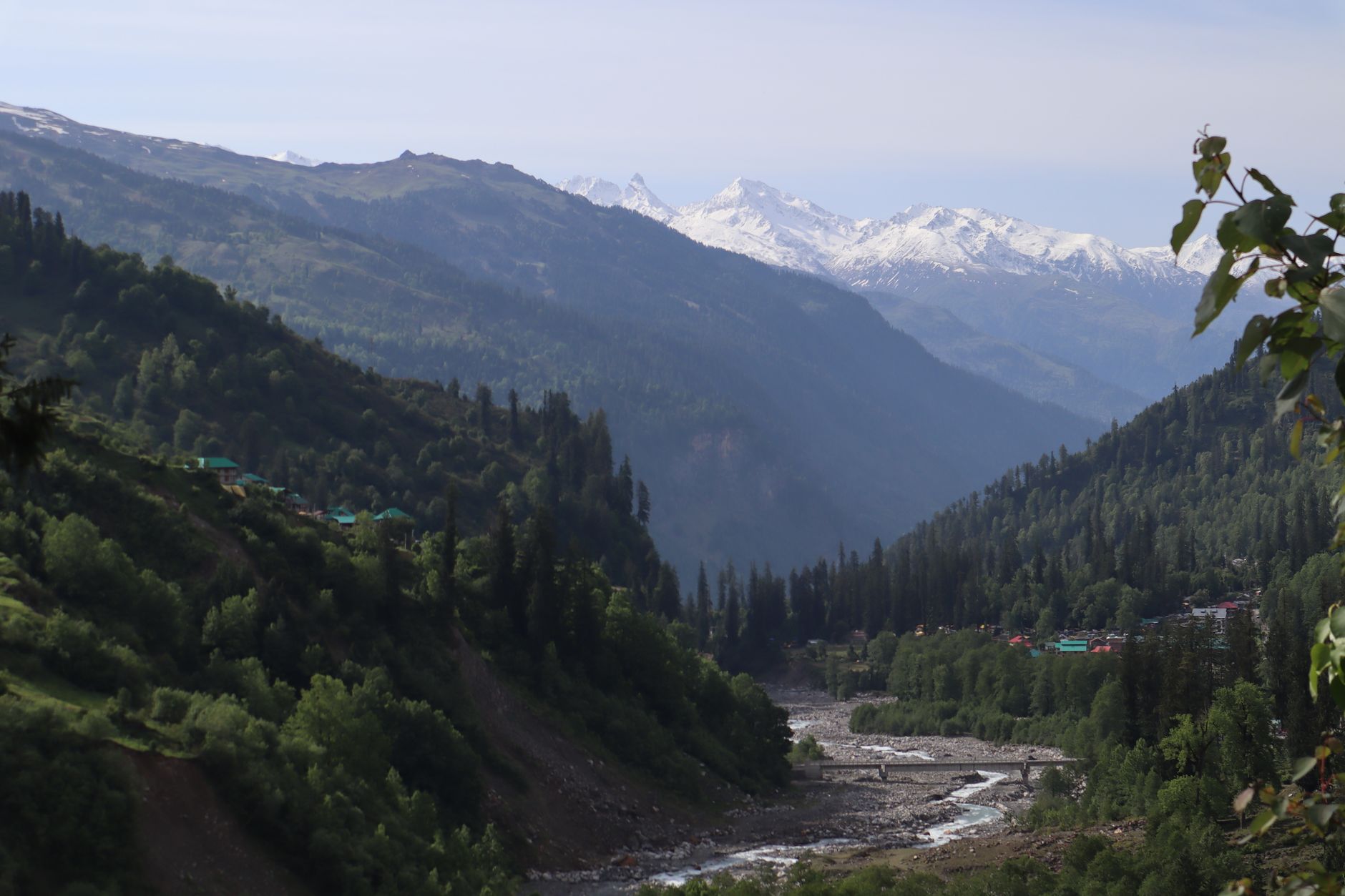
How to Reach Barot Valley
By Air: The nearest airport is Bhuntar Airport (also called Kullu-Manali Airport), located approximately 110 km from Barot. The airport receives flights from Delhi, Chandigarh, and occasionally from other major cities. From the airport, you can hire a taxi to Barot, which costs between ₹2,500 to ₹3,500 depending on your bargaining skills and the season. The journey takes approximately 4-5 hours via Mandi and Jogindernagar. Alternatively, you can fly into Chandigarh Airport (approximately 200 km away), which has better connectivity and more frequent flights, though the road journey will be longer—around 6-7 hours by taxi (₹4,500-₹6,000).
By Train: Jogindernagar Railway Station, 40 km from Barot, is the nearest railhead and the terminal station of the narrow-gauge Kangra Valley Railway—a UNESCO World Heritage Site. The toy train from Pathankot to Jogindernagar is an experience in itself, winding through 971 bridges and 2 tunnels over 163 km of spectacular scenery. However, this journey takes 9-10 hours, so most travelers opt for a train to Chandigarh or Pathankot, then continue by road. From Jogindernagar, local buses to Barot run twice daily (morning and afternoon) costing around ₹50-₹80, or you can hire a taxi for ₹800-₹1,200.
By Road: This is the most popular option. From Delhi (approximately 530 km), the most scenic route goes via Chandigarh, Bilaspur, and Mandi, taking 11-13 hours depending on traffic and stops. From Chandigarh (200 km), take NH5 to Mandi, then the road to Jogindernagar, and finally the winding 40 km road to Barot (total journey: 5-6 hours). From Manali (150 km via Aut-Jogindernagar), the journey takes 5-6 hours through stunning mountain scenery. State-run HRTC buses operate from Mandi to Barot (₹100-150), departing around 8:00 AM and 2:00 PM. Private taxis from Mandi cost ₹1,800-₹2,500.
Important Note: The final 40 km stretch from Jogindernagar to Barot is a narrow mountain road with sharp turns and patches that can be challenging during monsoons or heavy snowfall. This road is part of the journey’s charm but requires careful driving. Self-drivers should be experienced with mountain roads and preferably drive an SUV or vehicle with good ground clearance.
Best Time to Visit Barot Valley
Spring (March to May): This is arguably the finest time to visit Barot Valley. As winter loosens its grip, the valley explodes into life. March still carries a chill, with temperatures ranging from 8°C to 18°C, and you might catch the last snowfall on higher peaks. By April and May, temperatures climb to a comfortable 15°C to 28°C. Rhododendrons paint the hillsides crimson and pink, wildflowers carpet the meadows, and the trout fishing season is in full swing. This period sees moderate tourist traffic—enough to ensure all facilities are operational, but not so much that you lose the sense of solitude. Apple and plum orchards burst into blossom, creating picture-perfect landscapes. The only downside? Occasional pre-monsoon showers in late May.
Summer (June to August): June remains pleasant with temperatures between 18°C and 28°C, making it popular with families escaping the plains’ brutal heat. However, monsoon rains arrive by late June or early July, lasting through August. While the valley looks lush and vibrant during this period, the rains can be heavy and persistent. The approach road becomes slippery and occasionally dangerous, with possibilities of landslides. Most adventure activities get restricted, and the fishing becomes less productive. That said, if you don’t mind the rain and want to see Barot at its greenest, with waterfalls at their most dramatic and virtually no crowds, this off-season visit can be magical—just come prepared with proper rain gear.
Autumn (September to November): Many seasoned travelers consider this the absolute best time for Barot. The monsoon withdraws by early September, leaving behind crystal-clear skies, clean air, and tremendous visibility. Temperatures range from 10°C to 25°C, perfect for all outdoor activities. The forests transition into autumn colors—golden deodar needles, amber oak leaves, and red-brown foliage create a photographer’s paradise. October is particularly spectacular, with stable weather, comfortable temperatures, and the beginning of the apple harvest season. By November, temperatures drop (5°C to 15°C), and you’ll need warmer clothing, but the snow-capped peaks form dramatic backdrops, and you can often negotiate better accommodation rates as tourist numbers thin.
Winter (December to February): Winter transforms Barot into a snow-covered wonderland, with temperatures ranging from -5°C to 10°C. Heavy snowfall is common, particularly in January and February, often cutting off road access for days at a time. While this extreme isolation appeals to certain adventurous souls seeking complete disconnect, it’s not recommended for average tourists. Many homestays and guesthouses close for the season, restaurants operate limited hours, and trekking becomes dangerous without proper equipment and guides. However, if you’re prepared for harsh conditions and can handle potential roadblocks, winter offers an ethereal, almost otherworldly experience of Barot buried in pristine white silence.
Top Things to Do in Barot Valley
Trout Fishing in the Uhl River
Barot’s crown jewel activity is undoubtedly trout fishing in the pristine Uhl River. The Himachal Pradesh Fisheries Department maintains this fishery, stocking it regularly with brown and rainbow trout. You’ll need to obtain a fishing permit (₹300-500 per day for Indians, ₹500-1,000 for foreigners) from the Fisheries Office near the reservoir. Equipment can be rented locally for ₹200-500 per day, though serious anglers prefer bringing their own gear. The best spots include the stretch near the Nargu Wildlife Sanctuary and around the reservoir’s edges. Early mornings offer the best catches, and local guides (₹500-800 per day) can significantly improve your success rate while teaching you fly-fishing techniques specific to these mountain waters.
Trekking to Lohali Village and Beyond
The trek to Lohali village, approximately 8 km from Barot, offers a perfect introduction to the region’s trekking possibilities. This moderate trek takes 3-4 hours one way, winding through dense forests and offering spectacular views of the valley below. Lohali itself is a traditional Gaddi village where time seems to have stopped—slate-roofed houses, terraced fields, and friendly locals who might invite you for tea. More ambitious trekkers can continue to Billing (the paragliding takeoff site), about 14 km further, or explore the Rajgundha trek (approximately 12 km), which takes you through virgin forests to remote shepherd settlements at 2,400 meters altitude.
Exploring the Nargu Wildlife Sanctuary
Just 5 km from Barot, the Nargu Wildlife Sanctuary spans 278 square kilometers of pristine Himalayan ecosystem. While spotting the elusive snow leopard or Himalayan black bear requires extraordinary luck, the sanctuary rewards patient visitors with sightings of barking deer, ghoral, Himalayan tahr, and an impressive variety of birds. The forest department maintains basic trails, but hiring a local guide (₹500-700 per day) dramatically enhances the experience, as they know animal movements and can identify bird calls. The sanctuary is best explored in early morning or late afternoon when wildlife is most active. Remember to maintain absolute silence and respect wildlife viewing ethics—this is their home, and we are merely visitors.
Camping by the Uhl River
Few experiences match the magic of camping beside the Uhl River, with its constant symphony of rushing water under a sky ablaze with stars. Several spots along the river offer flat ground suitable for camping, though you should seek permission from locals and ensure you’re not on private land. Multiple operators in Barot offer camping packages (₹800-₹1,500 per person including meals and equipment), or you can bring your own gear. Evening campfires, freshly cooked meals, and the possibility of spotting nocturnal wildlife make this unforgettable. The best camping season runs from April to June and September to October when weather is stable and nights aren’t too cold.
Visiting the Shanan Power House
Engineering enthusiasts shouldn’t miss the historic Shanan Hydel Project, commissioned in 1932 and still operational today. This was Asia’s first major hydroelectric project, a remarkable feat of engineering that involved laying a 16 km tunnel through the mountains. The power house itself isn’t always open for interior visits (permissions can be sought from authorities), but the reservoir created by the project has become a scenic spot where locals and tourists gather. The area around the reservoir offers pleasant walks, picnic spots, and fishing opportunities. The reservoir’s emerald-green waters create stunning photograph opportunities, especially during golden hour when surrounding peaks reflect on the calm surface.
Interacting with the Gaddi Community
One of Barot’s most enriching experiences doesn’t require permits, equipment, or guides—just an open heart and genuine curiosity. The Gaddi shepherds who move through the valley with their flocks are repositories of ancient mountain wisdom. Strike up conversations at tea stalls, offer to help with daily tasks, or simply observe their camps from a respectful distance. Many Gaddi families have now settled in permanent villages around Barot and are happy to share their traditional lifestyle, stories, and perhaps even invite you to try their cuisine—Sidu (steamed bread) with ghee, Madra (chickpea curry), and Mittha (sweet rice). Such interactions provide insights no guidebook can offer and often become travelers’ most treasured memories.

Where to Stay in Barot Valley
Budget Options (₹500-₹1,500 per night): Barot’s accommodation scene is dominated by simple homestays and guesthouses run by local families, which is excellent news for budget travelers seeking authentic experiences. Hotel Barot Heights offers basic but clean rooms starting at ₹700 per night, with home-cooked meals available for an additional ₹300-400. Himalayan Trout House, run by a Gaddi family, provides rustic rooms (₹800-₹1,200) with shared bathrooms and incredible hospitality—their home-cooked Pahari meals are legendary among repeat visitors. Shringi Vatika Homestay charges ₹600-₹1,000 for rooms with basic amenities, and the family is exceptionally helpful in arranging local guides and activities. Most budget options include breakfast, and many will prepare packed lunches for trekkers (₹100-150). Don’t expect luxury, but do expect warm hospitality, clean linen, and often stunning views.
Mid-Range Options (₹1,500-₹3,500 per night): The Himalayan Retreat Barot offers comfortable rooms starting at ₹2,000 per night with modern amenities including hot water, Wi-Fi (though connectivity is limited), and attached bathrooms. Their in-house restaurant serves both Indian and Chinese cuisine (meals ₹200-400). Barot Adventure Camp provides well-maintained cottages (₹1,800-₹2,800) with valley views and arranges all adventure activities at competitive rates. River Valley Cottages, located right beside the Uhl River, charges ₹2,500-₹3,500 for their well-appointed rooms with balconies overlooking the water—the sound of the river is nature’s perfect sleep therapy. These properties typically include breakfast and dinner, maintain better hygiene standards, and offer room service.
Splurge Options (₹4,000+ per night): While Barot hasn’t yet seen the boutique hotel boom that has transformed other Himachal destinations, a few upscale options exist. Anadventure Barot offers premium glamping experiences and luxury cottages (₹4,500-₹7,000 per night) with modern amenities, gourmet meals, and organized activities. The Hosteller Barot, though technically a hostel, offers private rooms (₹3,500-₹5,000) with contemporary design, common areas perfect for socializing, and a vibrant atmosphere popular with younger travelers. Some high-end properties near Bir-Billing (about 40 km away) offer day trips to Barot as part of their packages if you prefer to base yourself at more luxurious accommodation while exploring the region.
Important Booking Notes: During peak season (April-June, September-October), advance booking is essential as accommodation is limited. Many properties don’t appear on major booking platforms—direct phone contact or WhatsApp booking is common. Always confirm what’s included in the tariff (meals, hot water timings, etc.) and understand that power cuts are common, though most places have backup generators or solar power.
Local Food & Cuisine
Barot’s cuisine reflects its Pahari (mountain) heritage, with dishes designed to provide warmth and energy for life in cold climates. The food is simple, wholesome, and deeply flavorful, relying on locally available ingredients and traditional cooking methods. Sidu is perhaps the most iconic dish—a steamed wheat bread stuffed with poppy seeds, hemp seeds, or walnuts, served piping hot with ghee or clarified butter. The preparation is time-intensive, with the dough fermented overnight before being steamed in special vessels. Breaking open a hot Sidu and watching the ghee soak in is pure comfort food poetry.
Madra, a chickpea or kidney bean curry cooked in yogurt with aromatic spices, is a staple at most local meals. Unlike the heavy, cream-based curries of the plains, Madra has a subtle tanginess and is surprisingly light despite being filling. Chha Gosht (marinated lamb curry) represents Barot’s non-vegetarian tradition, cooked slowly with minimal spices to let the meat’s natural flavors shine. The local preparation uses fresh lamb from mountain-bred sheep, giving it a distinctive taste. Mittha (sweet rice with dry fruits) and Babru (kneaded dough stuffed with black gram paste and fried) round out the traditional menu.
Trout, freshly caught from the Uhl River, appears on most restaurant menus during fishing season. Whether grilled with butter and herbs (₹300-500 for a generous portion) or prepared Pahari-style with local spices, the freshness is incomparable—you might have hooked this very fish yourself that morning!
Where to Eat: June 16 Restaurant, a small establishment near the main market, serves authentic local cuisine at reasonable prices (₹150-300 per meal). Their Sidu is prepared fresh daily, and they’re happy to explain dishes to curious visitors. Cafe Barot, a relatively new addition, caters to younger travelers with a mix of Pahari dishes, North Indian standards, and continental options like pasta and sandwiches (₹100-350 per dish). The café’s ambiance is relaxed, with outdoor seating offering valley views. Himalayan Trout House Restaurant specializes, as the name suggests, in trout preparations (₹400-600 per dish), though they also serve excellent vegetarian Pahari thalis (₹200-250). Most homestays and guesthouses provide home-cooked meals (₹200-400 for lunch or dinner), which is often the most authentic culinary experience—hosts prepare traditional dishes using recipes passed down through generations, and meals become social occasions where you’ll hear local stories and valley lore.
Don’t leave Barot without trying the local Himachali tea—a butter tea variation that’s salty rather than sweet, an acquired taste that grows on you with each cup. Also sample locally produced honey and apple products, especially apple jam and apple cider vinegar, available at small shops in the market area (₹150-300 for jars).
Practical Travel Tips for Barot Valley
Permits and Regulations: A fishing permit is mandatory if you plan to fish, available from the Fisheries Department office near the reservoir (₹300-500 for Indians, ₹500-1,000 for foreigners per day). Photography in the Nargu Wildlife Sanctuary is permitted without special permits, but drone photography requires permission from the forest department—obtaining this can be time-consuming, so arrange it in advance if needed. Camping in designated areas generally doesn’t require special permits, but always ask local authorities or your homestay owner to avoid complications. Foreigners don’t need special permits to visit Barot itself, unlike some border areas in Himachal.
Mobile Network and Connectivity: Be prepared for serious digital detox—mobile connectivity in Barot is sporadic at best. BSNL has the most reliable coverage, though even this is limited to certain areas. Jio, Airtel, and Vodafone-Idea have virtually no signal throughout most of the valley. Some guesthouses and cafes offer Wi-Fi, but it’s slow and unreliable, dependent on a handful of broadband connections that frequently fail. Rather than fighting this, embrace the disconnection—it’s part of Barot’s charm. Download offline maps, music, and any important information before arriving. Inform family and friends that you’ll be difficult to reach.
Money and ATMs: There are no ATMs in Barot itself. The nearest ATM is in Jogindernagar, 40 km away. Carry sufficient cash for your entire stay, plus emergency backup. Most establishments don’t accept cards or digital payments. Calculate accommodation costs, meals, permits, guide fees, and miscellaneous expenses, then bring 50% more than your estimate. Mandi and Jogindernagar have multiple ATMs where you can withdraw before the final leg to Barot. Some larger guesthouses might accept UPI payments if you’re lucky enough to hit a window of internet connectivity, but don’t count on it.
Medical Facilities: Barot has a small government health center for basic medical issues, but serious medical facilities are available only in Jogindernagar or Mandi. Carry a comprehensive first-aid kit including pain relievers, antiseptic cream, bandages, any prescription medications you need, altitude sickness medication (though 1,830 meters rarely causes problems), anti-diarrhea tablets, and antihistamines. Insect repellent is important during warmer months. If you have any chronic conditions, consult your doctor before traveling and bring adequate medication—resupply will be impossible.
What to Pack: Weather in the mountains is unpredictable, so layering is key. Bring warm clothes even in summer—evenings and mornings can be cold. Essentials include: sturdy trekking shoes (the terrain is challenging), flip-flops for homestays, comfortable hiking clothes, a waterproof jacket, warm layers including a fleece or light down jacket, sun protection (hat, sunglasses, sunscreen—UV exposure is intense at altitude), a headlamp or torch (power cuts are common), a reusable water bottle with filter if possible, basic toiletries (availability in local shops is limited), any specific medications, and binoculars if you’re interested in birdwatching. Don’t bring excessive luggage—you might need to carry it on uneven paths to certain accommodations.
Safety Considerations: Barot is generally very safe with extremely low crime rates. The main safety concerns are environmental—steep paths, river crossings, and wildlife encounters. Always hire local guides for serious treks (₹500-800 per day), inform your accommodation about your plans, never trek alone in unfamiliar terrain, and respect your own limitations. The Uhl River can be deceptive—water levels rise quickly after rain, and currents are stronger than they appear. Don’t attempt crossings without local guidance. Carry emergency contact numbers for your accommodation and local police station. Respect wildlife—maintain safe distances, never feed animals, and store food securely at campsites.
Responsible Tourism: Barot’s pristine nature and authentic culture are fragile assets that mass tourism could easily damage. Practice Leave No Trace principles rigorously—carry back all waste (plastic bottles, wrappers, cigarette butts), use designated toilet facilities or follow proper wilderness sanitation practices, stick to established trails to prevent erosion, and never disturb wildlife. Respect local customs and dress modestly, especially when interacting with the traditional Gaddi community. Ask permission before photographing people. Support local economy by buying from local shops, hiring local guides, staying in homestays, and eating at family-run restaurants. Avoid buying plastic-bottled water if possible—many accommodations provide filtered water, or bring your own filtration system. Say no to single-use plastics. If you see litter, pick it up even if it’s not yours—leave places better than you found them.
Final Thoughts
Barot Valley represents something increasingly rare in our hyper-connected, over-touristed world: an authentic mountain refuge where life moves at nature’s pace and human development hasn’t overwhelmed the landscape’s intrinsic character. This isn’t a destination for those seeking Instagram-perfect cafes, luxury resorts, or non-stop entertainment. Rather, it’s a place for travelers who understand that true luxury often lies in simplicity—in the taste of freshly caught trout grilled over an open fire, in conversations with shepherd families who’ve crossed these mountains for generations, in the absolute silence of a starlit night broken only by the river’s eternal song.
As you plan your journey to Barot Valley, remember that you’re not just visiting another tourist spot—you’re entering a delicate ecosystem and a living culture that have somehow survived the modern world’s homogenizing forces. Travel here with respect, curiosity, and an open heart. Leave behind expectations of constant connectivity, predictable schedules, and standardized experiences. What you’ll gain in return is something far more valuable: perspective, peace, and memories of a Himalayan valley that still guards its secrets well, offering them only to those willing to slow down, look closer, and listen carefully to what the mountains have to say. Barot Valley awaits—not with flashy advertisements and tourist gimmicks, but with the quiet confidence of a place that knows its own worth.
- Visit the century-old Shanan Hydel Power Project tunnel – a 3 km walk through the mountain offering unique engineering marvel views and cool interiors even in summer.
- Book trout fishing permits one day in advance from Forest Rest House; early morning 5-8 AM offers best catch rates in Uhl River near Nargu Wildlife Sanctuary.
- Hire local guides from village for Bara Bhangal trek starting point – they know secret camping spots and can arrange mule support at better rates than agencies.
- Stock up groceries and essentials in Baijnath or Jogindernagar as Barot has limited shops; carry thermos for hot beverages during riverside picnics.
- Visit during October-November apple harvest season when locals offer fresh orchard-picked apples and you can experience traditional Himachali apple processing methods.
Frequently Asked Questions about Barot Valley
The best time to visit Barot Valley is from March to June and September to November when the weather is pleasant and ideal for outdoor activities. Summer temperatures range from 15°C to 28°C, while winter can drop to -5°C to 10°C, making the shoulder seasons perfect for trekking, fishing, and sightseeing.
Barot Valley is located 65 km from Mandi and 40 km from Jogindernagar railway station, the nearest railhead. The closest airport is Bhuntar Airport in Kullu, approximately 110 km away, from where you can hire a taxi or take local buses to reach the valley.
Barot Valley sits at an altitude of 1,830 meters (6,000 feet) above sea level, which is relatively moderate. At this elevation, altitude sickness is extremely rare and most visitors experience no discomfort, making it suitable for travelers of all ages and fitness levels.
If you plan to go fishing in the Uhl River, you’ll need a fishing permit costing ₹300-500 per day. Additionally, camping permits are required for certain designated areas in the valley, which can be obtained from local authorities or forest department offices.
The daily budget for Barot Valley varies by travel style: budget travelers can manage with ₹800-1,500, mid-range travelers should expect ₹1,500-3,500, and luxury travelers may spend ₹4,000 or more. This includes accommodation, meals, and local activities.
Barot Valley stands out as one of North India’s best-kept secrets, offering authentic mountain solitude away from mass tourism and commercialization. Unlike crowded hill stations, it preserves centuries-old Himalayan culture with traditional stone-and-wood houses, pristine nature including the Uhl River and deodar forests, and genuine local hospitality without the usual tourist infrastructure.