
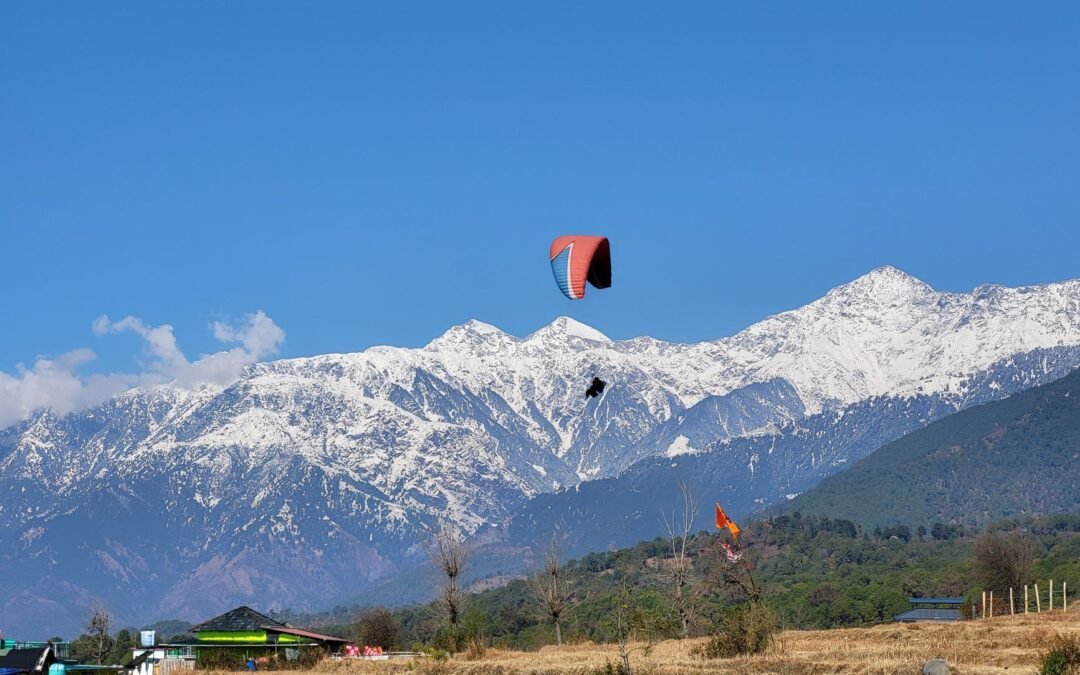
- Bir Billing is Asia’s best paragliding site with tandem flights available from October to June at 2400m altitude
- The flight from Billing takeoff site to Bir landing site covers 14km with 800m descent taking 15-30 minutes
- Bir village offers Tibetan monasteries and cafes while Billing is the high-altitude launch site accessible by taxi
- Best season is October-November and March-May for clear skies and optimal flying conditions
- Pre-book paragliding with certified pilots during peak season as slots fill quickly especially on weekends
Introduction
Nestled in the Kangra district of Himachal Pradesh, Bir Billing has emerged as one of India’s most captivating adventure destinations, drawing thrill-seekers and peace-lovers alike to its pristine Himalayan embrace. This twin village—Bir, the landing site, and Billing, the take-off point—has earned international acclaim as one of the world’s best paragliding destinations, ranking second globally. But beyond its adrenaline-pumping aerial adventures, Bir Billing offers a rare combination of Tibetan Buddhist culture, colonial-era tea estates, dense pine forests, and a thriving community of artists, spiritual seekers, and digital nomads who’ve made this mountain paradise their second home.
What truly sets Bir Billing apart from other Himalayan destinations is its dual personality. While Billing sits at the edge of a cliff, offering heart-stopping views and launching platforms for paragliders, the lower settlement of Bir presents a tranquil tapestry of Tibetan monasteries, meditation centers, and charming cafes serving everything from traditional thukpa to artisanal sourdough. The landscape transitions from the bustling energy of adventure sports to the serene quietude of monastery bells within just a few kilometers, making it an ideal destination for travelers seeking both excitement and introspection.
Over the past decade, Bir Billing has transformed from a well-kept secret among paragliding enthusiasts to a must-visit destination for travelers seeking authentic Himalayan experiences away from the commercialized hill stations of Shimla and Manali. Yet, despite its growing popularity, the region retains its rustic charm, unpolluted skies, and the warm hospitality that defines Himachali culture.
Quick Facts About Bir Billing
| Altitude | Bir: 1,525 meters (5,003 feet) | Billing: 2,400 meters (7,874 feet) |
|---|---|
| Best Time to Visit | March to May and September to November |
| Distance from Nearest City | Dharamshala: 70 km | Mandi: 62 km | Chandigarh: 250 km |
| Nearest Airport | Kangra Airport (Gaggal): 67 km | Chandigarh Airport: 250 km |
| Permits Required | No special permits for Indian nationals | Foreign nationals require registration |
| Temperature Range | Summer: 15°C to 30°C | Winter: -2°C to 15°C |
| Approx Budget per Day | Budget: ₹1,000-1,500 | Mid-range: ₹2,500-4,000 | Luxury: ₹5,000+ |
Why Visit Bir Billing
Bir Billing stands out as Asia’s premier paragliding destination, having hosted the Paragliding World Cup in 2015—a testament to its exceptional thermals, consistent weather conditions, and breathtaking flight paths. The vertical drop of approximately 800 meters between Billing (take-off) and Bir (landing) creates perfect conditions for extended flights, with some lasting over two hours. Pilots from across the globe arrive here for cross-country flights, with some adventurers covering distances of over 200 kilometers in a single flight. The sight of dozens of colorful paragliders dotting the cerulean sky against the backdrop of the Dhauladhar ranges has become iconic.
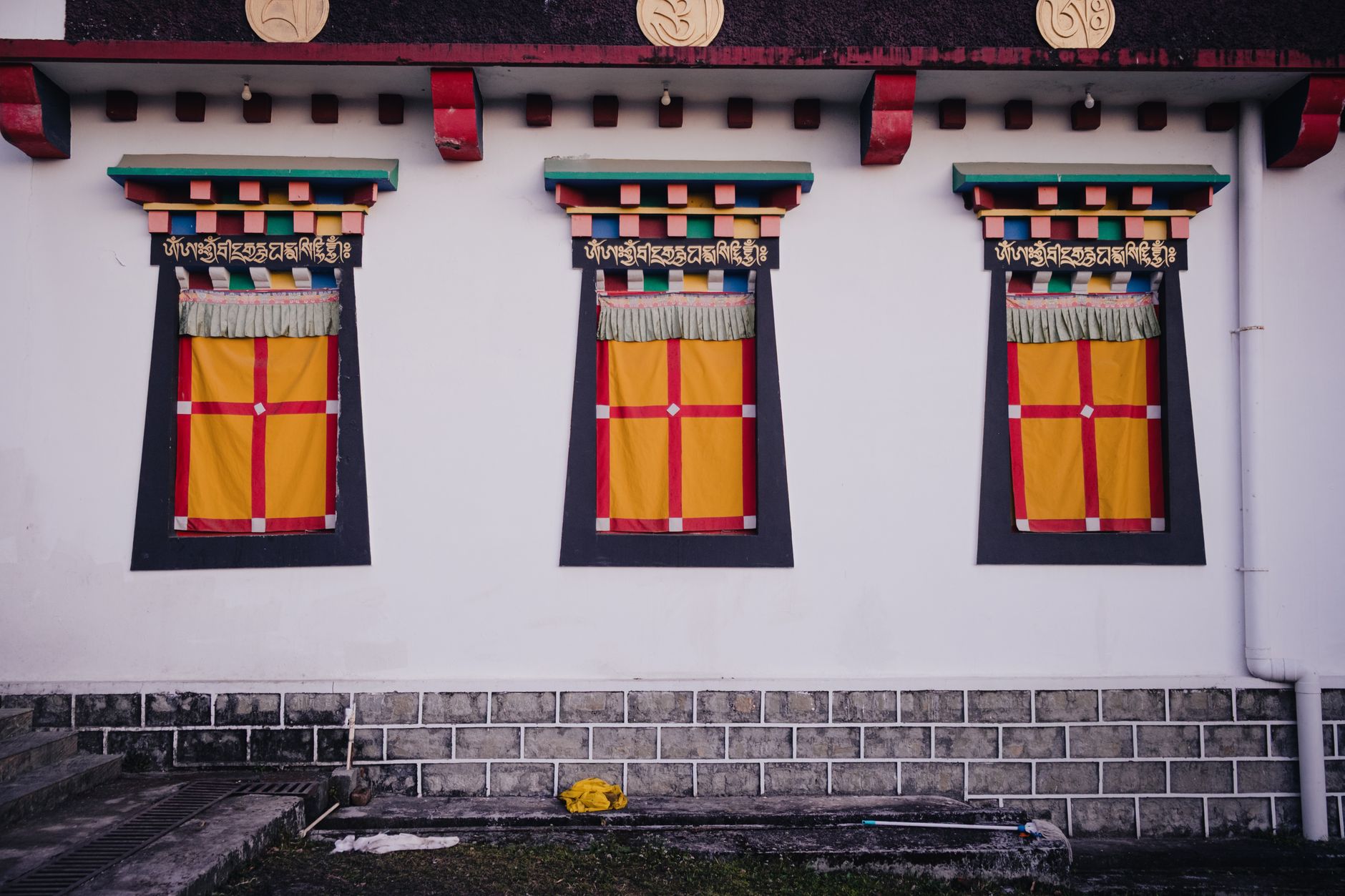
Beyond adventure sports, Bir serves as a significant center of Tibetan Buddhism in India. The village is home to several monasteries, including the Chokling Monastery, established by Tibetan refugees in the 1960s. The Deer Park Institute, a renowned center for the study of classical Indian wisdom traditions, attracts scholars and spiritual practitioners from around the world. The morning chants echoing from these monasteries, the butter lamps flickering in prayer halls, and the sight of maroon-robed monks going about their daily routines add a deeply spiritual dimension to the Bir experience.
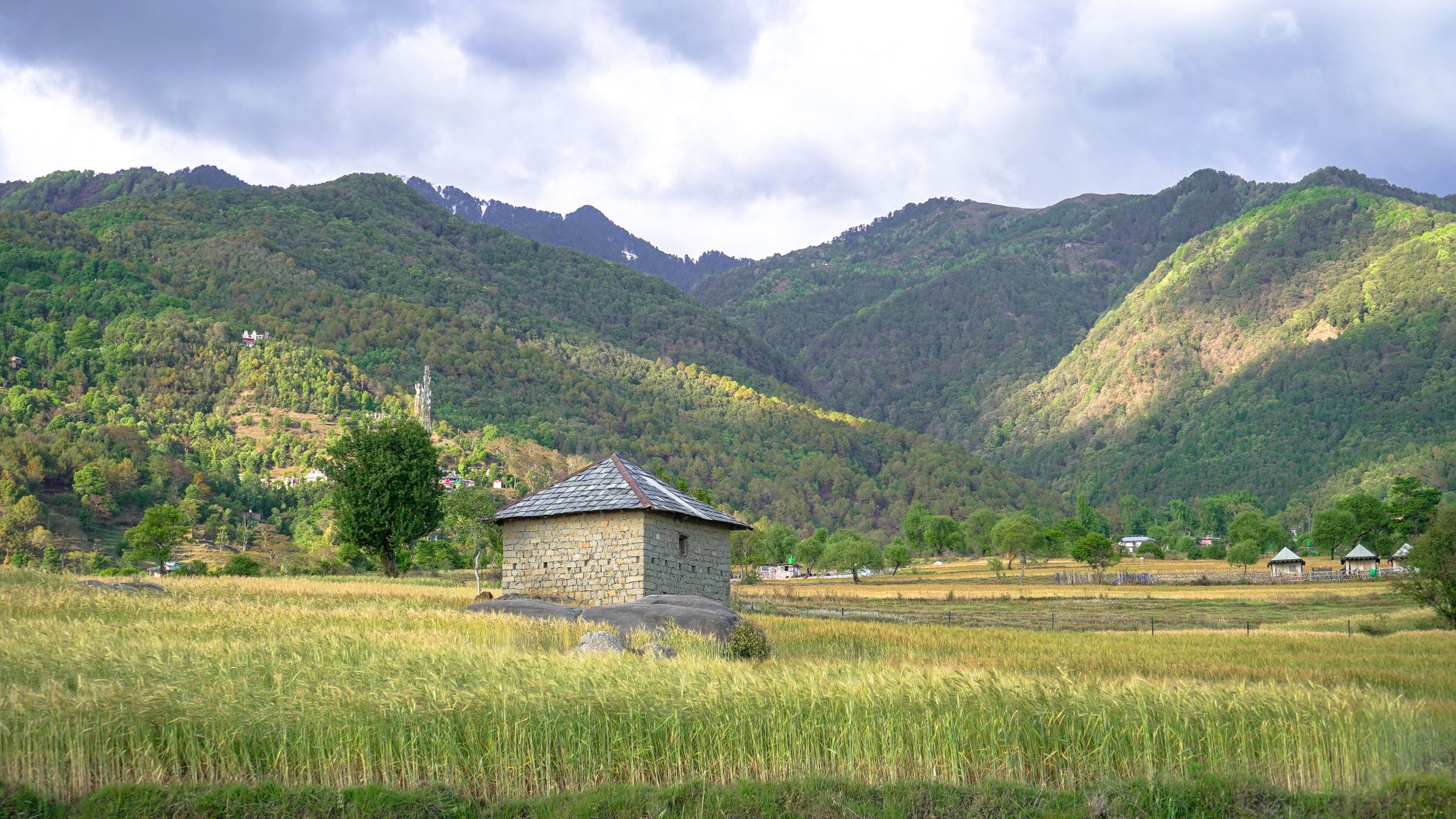
The region also boasts a unique ecological significance, positioned within the Kangra Valley’s tea-growing belt. Colonial-era tea estates carpet the hillsides with their manicured bushes, producing some of Himachal Pradesh’s finest black teas. Visitors can trek through these plantations, interact with tea-pickers, and learn about the processing methods at local cooperatives. The combination of adventure, spirituality, natural beauty, and agricultural heritage creates a multifaceted destination that appeals to diverse traveler interests—something increasingly rare in India’s rapidly commercializing tourism landscape.
How to Reach Bir Billing
By Air: The nearest airport is Kangra Airport (Gaggal), located 67 kilometers from Bir, with limited connectivity primarily from Delhi. Flights operate 3-4 times weekly depending on the season, with fares ranging from ₹3,500 to ₹8,000. From the airport, you can hire a taxi for approximately ₹1,800-2,200, taking about 2 hours. Alternatively, Chandigarh International Airport (250 km away) offers more frequent connections and competitive fares. From Chandigarh, shared taxis to Bir cost around ₹500-700 per person, or you can hire a private taxi for ₹4,500-5,500, with the journey taking 6-7 hours.
By Train: The nearest major railway station is Pathankot (142 km away), well-connected to Delhi, Mumbai, Kolkata, and other major cities. From Pathankot, buses to Bir depart from the main bus stand, costing ₹150-250 and taking approximately 4-5 hours. Private taxis charge ₹3,000-3,500 for the journey. Another option is the narrow-gauge Kangra Valley Railway from Pathankot to Ahju station (28 km from Bir), offering a scenic mountain rail experience, though the journey is slow and connections require careful planning. From Ahju, local buses and shared taxis are available for ₹50-100 per person.
By Road: Bir is well-connected by road from major Himachal Pradesh towns. From Delhi (485 km), overnight Volvo buses operated by HRTC (Himachal Road Transport Corporation) run regularly, with fares ranging from ₹800-1,200. The journey takes approximately 10-12 hours. From Dharamshala (70 km), regular buses depart every hour between 7 AM and 5 PM, costing ₹80-150, with a travel time of 2.5-3 hours. From Manali (165 km), direct buses cost ₹300-450 and take 6-7 hours. Private taxi services are abundant—from Dharamshala expect to pay ₹1,800-2,200, from Manali ₹4,000-5,000, and from Delhi ₹9,000-12,000.
Local Transport: Within Bir, most attractions are walkable, but to reach Billing (14 km uphill), you’ll need transportation. Shared taxis operate regularly during paragliding season, charging ₹100-150 per person one-way. Private taxis to Billing cost ₹600-800 for a round trip. Many paragliding operators include transportation to Billing in their package prices. Motorcycles and scooters can be rented in Bir for ₹500-800 per day, offering flexibility to explore nearby villages and viewpoints.
Best Time to Visit Bir Billing
Spring (March to May): This is peak paragliding season when the weather conditions are most favorable. Clear skies, moderate temperatures (15°C to 30°C), and strong thermals make it ideal for both tandem and solo flights. The rhododendrons bloom in nearby forests, adding vibrant colors to the landscape. Accommodation prices are at their highest, and booking in advance is essential. March and April see moderate crowds, while May becomes busier as summer vacationers arrive. This is the best time for photography, with excellent visibility of the Dhauladhar peaks and lush green valleys below.
Monsoon (June to August): The monsoon season brings heavy rainfall, making paragliding operations sporadic and often canceled. Roads can become challenging due to landslides, particularly the route to Billing. However, this is when Bir reveals its quieter, more contemplative side. Accommodation rates drop by 30-50%, the landscape turns emerald green, and waterfalls come alive. The Tibetan community celebrates various festivals during this period. This season is ideal for travelers interested in meditation retreats, monastery visits, and experiencing local life without tourist crowds. Pack comprehensive rain gear and be prepared for indoor activities.
Autumn (September to November): Considered by many as the absolute best time to visit, autumn offers crystal-clear post-monsoon skies, perfect paragliding conditions, and comfortable temperatures (10°C to 25°C). October hosts the Bir Billing Paragliding World Cup events (in years when it’s scheduled), attracting international pilots and spectators. The surrounding mountains are at their most visible, with fresh snow beginning to cap the higher peaks by late November. The harvest season brings festivals and agricultural activities to witness. Crowds are manageable in September but increase significantly in October and early November. This is premium time for adventure sports, trekking, and photography.
Winter (December to February): Winter transforms Bir Billing into a quiet mountain retreat, with temperatures dropping to -2°C to 15°C. Occasional snowfall occurs, particularly in January and February, though Bir itself (being at lower altitude) remains accessible. Billing receives heavier snow, and the road may be closed temporarily. Paragliding operations are limited but not entirely halted; on clear days with sunshine, flights do occur, offering unique perspectives of snow-covered landscapes. This is the best time for budget travelers, with accommodation rates at their lowest and excellent deals available. The cafes become cozy hideaways with wood-fired heaters, making it perfect for solo travelers, writers, and those seeking solitude. Warm clothing is essential, and some establishments close for the season.
Top Things to Do in Bir Billing
Paragliding Experience
The primary attraction—tandem paragliding flights from Billing to Bir—offers an unparalleled aerial perspective of the Kangra Valley. Flights typically last 15-30 minutes, though longer cross-country flights can be arranged for experienced enthusiasts. Certified pilots from schools like Himalayan Flyers, Bir Billing Paragliding, and Flying Fox Adventures conduct these flights, with tandem rates ranging from ₹2,500-3,500 including transportation to Billing, safety briefing, and GoPro video footage. The experience involves a simple running take-off from the launch site at Billing, followed by a serene glide through mountain air, with occasional thermals lifting you higher for extended views. Landing is gentle on the spacious fields near Bir’s monastery. October through May offers the most consistent conditions, though flights operate year-round subject to weather clearance.
Monastery Circuit and Spiritual Exploration
Bir hosts several significant Tibetan Buddhist monasteries that welcome visitors. The Chokling Monastery, with its vibrant murals and massive prayer wheel, conducts public prayers at 6 AM and 5 PM daily. The Palpung Sherabling Monastery, located 8 kilometers from Bir, is an architectural marvel with golden roofs, intricate woodwork, and houses over 500 monks. The monastery complex includes a library, teaching halls, and meditation centers where visitors can attend teachings and meditation sessions. The Nyingyang Monastery offers intimate experiences with smaller crowds. Most monasteries have no entry fees but welcome donations; photography inside prayer halls is usually restricted. Attending the morning prayers, where deep chanting reverberates through halls filled with butter lamp light, provides profound cultural immersion.
Trekking and Nature Walks
The region offers numerous trekking routes suitable for various fitness levels. The Rajgundha Trek (10 km one-way from Billing) takes you through oak and rhododendron forests to a picturesque village with stunning valley views; the moderate trek takes 4-5 hours one-way, and homestays are available in Rajgundha (₹500-800 per night including meals). The Bir-Billing trek (14 km, 3-4 hours uphill) follows the road but offers shortcut trails through forests, rewarding trekkers with progressively expanding vistas. Shorter nature walks include the trail to Gunehar (6 km), a traditional Himachali village with slate-roofed houses and terraced fields. Local guides are available for ₹500-800 per day, though most trails are well-marked and manageable independently.
Tea Estate Tours and Tea Tasting
The Bir area lies within Himachal Pradesh’s tea-growing region, with several estates offering tours during the plucking season (March-November). The Bir Tea Factory conducts guided tours explaining the entire tea production process—from plucking to withering, rolling, oxidation, and drying. Tours cost around ₹100-200 per person and include tastings of different tea grades. You can purchase fresh tea directly at factory prices (₹200-600 per 100 grams depending on quality). Walking through the manicured tea gardens in early morning, watching skilled pluckers at work, and understanding the labor-intensive process adds appreciation for the humble tea leaf. Some homestays also arrange private tea garden picnics with spectacular valley views.
Mountain Biking and Cycling Routes
Bir Billing’s mountainous terrain and network of village roads create excellent mountain biking opportunities. Several adventure sports companies rent quality mountain bikes for ₹500-800 per day, offering both self-guided and guided cycling tours. Popular routes include the Bir-Barot circuit (approximately 60 km round trip) passing through forest trails and remote villages, the Bir-Billing road climb (a challenging 14 km ascent with 800-meter elevation gain), and easy rides through the tea estates and nearby settlements. Guided group rides typically cost ₹1,500-2,500 including bike rental, guide, and support vehicle. The best cycling season is March-May and September-November when weather conditions are favorable and roads are in good condition.
Camping and Stargazing
The clear, pollution-free skies of Bir Billing offer spectacular stargazing opportunities, with the Milky Way clearly visible on moonless nights. Several campsites operate in the area, with Bir Billing Camp and Highland Adventure Camp offering tent stays starting from ₹1,000-1,500 per person including meals, bonfire, and basic amenities. Camping at Billing itself provides the most dramatic setting—perched at the cliff edge with unobstructed sky views—though facilities are minimal and temperatures drop significantly at night. Many camps organize guided night walks, astronomy sessions with telescope viewing, and morning nature walks. The best stargazing period is during new moon nights in October-November and March-April when skies are clearest and weather most stable.

Where to Stay in Bir Billing
Budget Options (₹500-1,500 per night): The Nest Hostel offers dormitory beds from ₹400 and private rooms from ₹800, with a communal kitchen, coworking space, and garden area popular among backpackers and digital nomads. Zostel Bir provides dorm beds starting ₹599 with their signature social atmosphere, common areas, and organized activities. Himalayan Eco Lodges offers basic but clean cottages from ₹1,000 with valley views and home-cooked meals available. Thupten Guest House, run by a Tibetan family, charges ₹700-1,200 for rooms with attached bathrooms and serves authentic Tibetan breakfasts. Many local families offer homestays for ₹500-800 including meals, providing authentic cultural experiences and home-cooked Himachali cuisine.
Mid-range Options (₹2,000-4,500 per night): The Gliders Village Resort features comfortable rooms from ₹2,500 with mountain views, an in-house restaurant, and arrangements for all adventure activities. Bir Radisson Resort (not part of the hotel chain) offers modern amenities from ₹3,000, including a garden restaurant and evening bonfire. Cloud 7 Bir provides boutique accommodation from ₹3,500 with contemporary design, valley-facing balconies, and a specialty cafe. 4500 Bir offers artistic cottages from ₹2,800 designed by the owner-architect, featuring local materials, solar heating, and organic gardens. The Black Cat Lodge charges ₹2,500-3,500 for rooms with traditional Himachali architecture, wood-fired heaters, and personalized service.
Splurge Options (₹5,000+ per night): Himalayan Park Resort offers luxury rooms from ₹6,500 with premium amenities, spa services, multi-cuisine restaurant, and curated local experiences. The Birr House provides upscale cottages from ₹8,000 featuring designer interiors, private terraces, organic farm-to-table meals, and butler service. Green Ridge Camps & Resort combines luxury tented accommodation from ₹5,500 with adventure activities, nature walks, and gourmet dining. Bir Billing Gateway offers premium rooms from ₹7,000 with modern facilities, conference spaces, and comprehensive tour arrangements. These properties typically include complimentary breakfast, airport transfers, and activity bookings as part of their packages.
Local Food & Cuisine
The food scene in Bir Billing reflects its cultural diversity, blending Tibetan, Himachali, and international cuisines. Thukpa—a hearty noodle soup with vegetables or meat, seasoned with local herbs—is essential comfort food, especially during cold evenings. The local version uses hand-pulled noodles and incorporates Himalayan spices creating a unique flavor profile different from its Tibetan origins. Momos here are exceptional, with several varieties including traditional steamed, fried (kothey), and the local specialty—tingmo (steamed bread) served with vegetable or meat curries. Siddu, a Himachali steamed bread made from wheat flour and stuffed with poppy seeds, walnuts, or vegetables, served with ghee or clarified butter, represents authentic local cuisine. Butter tea (Po Cha), the traditional Tibetan beverage made with tea, butter, and salt, is an acquired taste but provides essential warmth and energy at high altitudes—locals swear by its revitalizing properties during cold winters.
Garden Cafe (budget: ₹150-300 per person) serves excellent Tibetan fare including authentic momos, thukpa, and freshly baked goods in a peaceful garden setting with mountain views. Silver Linings Cafe (mid-range: ₹250-500) offers eclectic menu spanning Israeli, Italian, and local cuisines, with their wood-fired pizzas and organic salads being particularly popular among the expat community. June 16th Cafe (budget-mid-range: ₹200-400) specializes in healthy organic food, excellent coffee, homemade cakes, and hosts live music sessions on weekends. Avva’s Cafe (mid-range: ₹300-600) provides Italian and Continental dishes using local ingredients, with their handmade pasta and local trout preparations receiving high praise. The Hideout Cafe (budget: ₹150-300) serves simple Himachali thalis (traditional meal platters) including dal, rice, seasonal vegetables, and chapatis—an economical way to experience local flavors. Most monasteries run small cafes serving affordable traditional Tibetan meals (₹100-200) with proceeds supporting monastery operations.
Practical Travel Tips for Bir Billing
Permits and Documentation: Indian nationals require no special permits for Bir Billing. Foreign nationals must complete standard registration at their accommodation within 24 hours of arrival—hotels and guesthouses handle this routinely. Carry multiple photocopies of your passport/ID and visa (for foreigners) as they’re needed for various registrations. For paragliding activities, operators require you to sign indemnity forms and carry valid ID proof. The process is straightforward but ensure you carry original documents during your stay.
Connectivity and Internet: Mobile network coverage is decent in Bir with BSNL and Jio providing the most reliable service; Airtel works reasonably well, while Vodafone-Idea has patchy coverage. At Billing, network connectivity is intermittent. Most cafes and accommodations offer WiFi, though speeds are modest (2-10 Mbps) and can be unreliable during peak hours or bad weather. For travelers requiring consistent internet for work, testing connectivity before committing to accommodation is advisable. Several cafes like Silver Linings and June 16th have dedicated coworking spaces with better bandwidth.
Money and Banking: Bir has limited ATM facilities—one Punjab National Bank ATM near the main market and one State Bank of India ATM—both frequently running out of cash during peak season. Withdraw sufficient cash in Dharamshala or Mandi before arriving. Most budget accommodations, homestays, and small eateries only accept cash. Mid-range and upscale properties accept cards, though digital payment (UPI, Paytm) is increasingly common. Carry denominations of ₹100, ₹50, and ₹20 notes for small purchases and auto-rickshaw fares. The nearest full-service bank branch is in Baijnath (10 km away).
Medical Facilities: Bir has a small primary health center for basic medical emergencies and a couple of private clinics. The nearest well-equipped hospital is Civil Hospital Dharamshala (70 km). Carry a personal first-aid kit including altitude sickness medication (if planning to stay at Billing), anti-diarrheal medicines, pain relievers, antiseptic cream, bandages, and any prescription medications. Several pharmacies in Bir main market stock common medicines. For serious medical issues, evacuation to Dharamshala or Chandigarh becomes necessary. Travel insurance covering adventure sports is highly recommended, as paragliding accidents, though rare, may require specialized treatment.
What to Pack: Layered clothing is essential as temperatures fluctuate significantly between day and night and between Bir and Billing. Pack thermals, fleece jacket, windproof outer layer, comfortable trekking shoes with good grip, sun hat, sunglasses (essential for paragliding), sunscreen (SPF 40+ due to high altitude), lip balm, reusable water bottle, headlamp or torch, basic medications, and power bank. If visiting during monsoon, waterproof jackets and bags are mandatory. For winter visits (December-February), heavy woolens, gloves, and warm socks are necessary. Modest clothing is appropriate when visiting monasteries—avoid shorts and sleeveless tops.
Safety Considerations: Bir Billing is generally very safe for solo travelers, including women. However, basic precautions apply: avoid isolated trails after dark, inform someone about your trekking plans, and don’t venture into unknown areas without guides during monsoon. For paragliding, always choose certified operators registered with the Bir Billing Paragliding Association—check for APPI/BHPA certifications. Never fly with uncertified pilots offering cheaper rates, as safety equipment and insurance may be compromised. Road conditions to Billing can be challenging; if driving yourself, ensure your vehicle is in good condition and avoid traveling after dark. The cliff edges at Billing have minimal barriers—exercise extreme caution, especially with children.
Responsible Tourism: Bir Billing’s beauty and culture face threats from increasing tourism. Practice responsible travel by minimizing plastic use—carry reusable bottles, bags, and refuse single-use plastics. Many cafes offer filtered water refills for nominal charges (₹10-20). Dispose of trash properly; don’t litter on trails or paragliding sites. Respect monastery protocols—remove shoes before entering, walk clockwise around stupas and prayer wheels, ask permission before photographing monks or religious ceremonies, and maintain silence in prayer halls. Support local economy by staying in homestays, eating at local establishments, and purchasing directly from artisans rather than middlemen. Avoid loud music and disruptive behavior, especially near monasteries and residential areas. If trekking, stick to marked trails to prevent erosion and habitat destruction. Consider offsetting your carbon footprint by contributing to local environmental initiatives—several organizations run tree-planting and waste management programs accepting volunteer support.
Final Thoughts
Bir Billing represents the Himalayas at their most accessible yet authentic—a destination where adventure and serenity coexist harmoniously, where the roar of paragliders launching from cliff edges mingles with monastery bells echoing across valleys. Whether you’re catching thermals high above the Kangra Valley, sipping butter tea with monks discussing Buddhist philosophy, trekking through rhododendron forests to remote villages, or simply watching the sun set over the Dhauladhar ranges from a cafe terrace, Bir Billing offers experiences that resonate long after you’ve descended from its heights. The destination’s unique combination of world-class adventure sports, spiritual richness, ecological beauty, and warm community has created something rare—a place that welcomes tourism while maintaining its soul.
The journey to Bir Billing rewards travelers who seek substance beyond superficial tourism—those willing to wake early for monastery prayers, engage with local communities, support sustainable practices, and embrace both the thrill of flight and the stillness of meditation. As you plan your visit, remember that the magic of Bir Billing lies not just in the activities you’ll do but in the slower rhythms you’ll discover, the conversations you’ll have with fellow travelers and locals, and the perspective you’ll gain—both literally from the sky and metaphorically from exposure to different ways of living. Pack your bags, prepare for adventure, but also prepare to slow down, breathe deeply, and discover why this mountain sanctuary has captured the hearts of wanderers from across the world. The mountains are calling, and Bir Billing awaits with open skies and ancient wisdom.
- Book early morning paragliding slots for the calmest winds and clearest mountain views before afternoon thermals intensify
- Stay in Bir village rather than Billing as it has better accommodation, cafes, and monasteries while Billing is just the launch site
- Carry your own snacks and water to Billing takeoff point as facilities are limited at 2400m altitude
- Visit the Chokling Monastery and Deer Park Institute in Bir during afternoon hours when paragliding winds become too strong
- Negotiate shared taxi rates from Bir to Billing in advance – expect ₹600-800 per vehicle for the 14km uphill journey
Frequently Asked Questions about Bir Billing
The best time to visit Bir Billing is from March to May and September to November when the weather conditions are ideal for paragliding and outdoor activities. During these months, the skies remain clear with consistent thermals, temperatures range comfortably between 15°C to 30°C, and the monsoon rains have subsided, making it perfect for both adventure sports and sightseeing.
Bir Billing is located 70 km from Dharamshala, 62 km from Mandi, and 250 km from Chandigarh. The nearest airport is Kangra Airport (Gaggal) at 67 km, while Chandigarh Airport is 250 km away, offering convenient connectivity for travelers from different parts of India.
Bir, the landing site, is situated at an altitude of 1,525 meters (5,003 feet) above sea level, while Billing, the take-off point for paragliding, is located at 2,400 meters (7,874 feet). This altitude difference creates the perfect conditions for paragliding, making Bir Billing one of the world’s best destinations for the sport.
Indian nationals do not require any special permits to visit Bir Billing. However, foreign nationals are required to complete registration formalities as per local regulations for staying in the region.
The daily budget for Bir Billing varies based on your travel style: budget travelers can manage with ₹1,000-1,500 per day, mid-range travelers should plan for ₹2,500-4,000, while luxury travelers may spend ₹5,000 or more. This budget typically covers accommodation, meals, local transport, and basic activities in the region.
Bir Billing is internationally recognized as the second-best paragliding destination in the world and Asia’s premier paragliding site, having hosted the Paragliding World Cup in 2015. Beyond adventure sports, it offers a unique combination of Tibetan Buddhist culture, colonial-era tea estates, meditation centers, and a thriving community of artists and spiritual seekers, making it ideal for both thrill-seekers and those seeking tranquility.