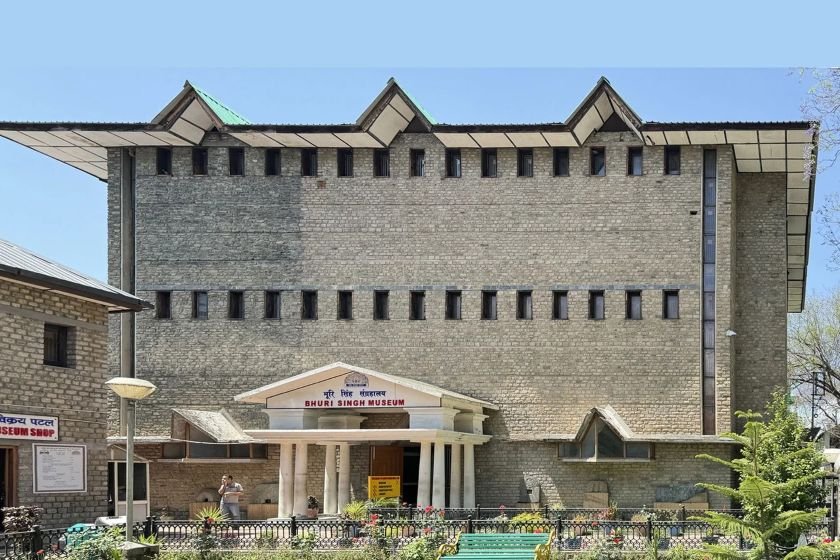
Bhuri Singh Museum is one of the most important cultural and heritage places in Chamba district of Himachal Pradesh. Located in the heart of Chamba town, this museum preserves the art, history, archaeology, manuscripts, paintings, inscriptions, coins, costumes, crafts and royal legacy of the old Chamba state.
For travellers visiting Chamba, this museum is not just an indoor attraction. It is a doorway into the deeper history of the region. The temples, paintings, copper plates, carved stones, old photographs, royal objects and traditional items displayed here help visitors understand why Chamba holds such a special place in Himachal’s cultural map.
Bhuri Singh Museum was formally opened on 14 September 1908 and was named after Raja Bhuri Singh, who ruled Chamba from 1904 to 1919. He donated his family collection of paintings to the museum, and the idea of creating a public museum was strongly associated with the work of J. Ph. Vogel, a noted Indologist and archaeologist who studied old inscriptions and heritage material of Chamba.
Quick Information About Bhuri Singh Museum
| Detail | Information |
|---|---|
| Place | Bhuri Singh Museum |
| District | Chamba, Himachal Pradesh |
| Location | Chamba town |
| Established | 14 September 1908 |
| Named After | Raja Bhuri Singh of Chamba |
| Best Known For | Chamba paintings, inscriptions, manuscripts, sculptures, royal objects, cultural heritage |
| Ideal Visit Duration | 1 to 2 hours |
| Best Time to Visit | Throughout the year |
| Suitable For | History lovers, families, students, photographers, culture travellers |
| Travel Type | Hidden Gem / Museum / Heritage and Cultural Destination |
Why Bhuri Singh Museum is a Hidden Gem
Bhuri Singh Museum is a hidden gem because many travellers visit Chamba for temples, Chaugan, river views and nearby places like Khajjiar, but do not give enough time to this museum. In reality, the museum is one of the best places to understand the soul of Chamba.
The museum holds the memory of the old Chamba state through objects that are not easily found elsewhere. Paintings, inscriptions, copper plates, manuscripts, costumes, weapons, coins and traditional crafts together tell the story of the region in a quiet but powerful way.
It is not a flashy tourist attraction. Its value is deeper. For anyone interested in Himachali art, Pahari painting, temple culture, royal history and local life, Bhuri Singh Museum is worth visiting properly.
History of Bhuri Singh Museum
Bhuri Singh Museum was formally opened in 1908 during the rule of Raja Bhuri Singh. The museum was named after him because of his important role in donating the royal family’s collection of paintings and supporting the idea of a public museum for Chamba.
The museum’s creation was also linked with J. Ph. Vogel, who worked with the Archaeological Survey of India and studied many inscriptions and historical materials from the Chamba region. His research helped bring attention to the importance of Chamba’s cultural and archaeological heritage.
Over time, the museum became one of the major regional museums of Himachal Pradesh. It continues to preserve and display objects connected with the art, culture and history of Chamba and nearby Himalayan regions.
Raja Bhuri Singh and the Royal Collection
Raja Bhuri Singh ruled Chamba from 1904 to 1919. His contribution to the museum is very important because he donated paintings from the royal collection. These works formed the base of the museum’s early holdings.
The royal collection gives visitors a direct link with Chamba’s courtly culture. It shows how art, religion, royal patronage and local traditions were connected in the old hill state.
Because of this connection, the museum is not only a public institution. It also carries the personal legacy of Chamba’s royal history.
Chamba Paintings and Pahari Art
One of the most important highlights of Bhuri Singh Museum is its collection of Chamba and Pahari paintings. These paintings reflect the artistic traditions that developed in the hill states of Himachal and nearby regions.
Pahari paintings are known for delicate lines, devotional themes, fine colours, expressive faces, and detailed natural settings. Many works are connected with themes from Hindu mythology, royal life, local culture and religious traditions.
For art lovers, this section is one of the strongest reasons to visit the museum. It helps visitors understand the refined artistic taste of the old Himalayan courts.
Inscriptions and Copper Plates
Bhuri Singh Museum is also known for its inscriptions and copper plate records. These objects are extremely important because they preserve historical information about rulers, land grants, temple donations, administrative decisions and religious activities.
In earlier times, copper plates and stone inscriptions were used as official records. They help historians understand the political, social and religious life of the region.
For normal visitors, these objects may look simple at first, but they are among the most valuable parts of the museum because they carry written evidence from the past.
Manuscripts and Old Documents
The museum also preserves old manuscripts and documents connected with the cultural and religious life of Chamba. These manuscripts show the importance of learning, faith, language and record-keeping in the old hill state.
Some manuscripts are linked with religious texts, local traditions, royal records and historical references. They are valuable because they show how knowledge was preserved before modern printing and digital records.
This section is especially meaningful for students, researchers and travellers who enjoy deeper heritage.
Sculptures and Archaeological Objects
Bhuri Singh Museum has a strong collection of sculptures and archaeological objects. These include stone carvings, temple-related objects, memorial stones and other historical pieces from the Chamba region.
Such objects help visitors understand the artistic and religious style of the area. Chamba has a long temple tradition, and the museum preserves many objects that reflect this sacred heritage.
The sculptures are important not only as art pieces but also as evidence of the region’s old religious life and craftsmanship.
Coins, Weapons and Royal Items
The museum also displays coins, weapons and objects connected with royal and everyday life. These items help visitors imagine the older political and social world of Chamba.
Coins show trade, economy and authority. Weapons reflect defence, status and royal power. Household and ceremonial objects show lifestyle, customs and cultural identity.
Together, these displays make the museum more complete. They show that Chamba’s history was not only about temples and rulers, but also about people, craft, administration and daily life.
Chamba Rumal and Local Craft Heritage
Chamba is famous for Chamba Rumal, a traditional embroidered textile known for its fine needlework and artistic detail. Bhuri Singh Museum is an important place to understand this craft tradition.
Chamba Rumal is usually associated with mythological themes, floral patterns, fine borders and delicate embroidery. It reflects the artistic skill of local women and the cultural refinement of the region.
For travellers interested in Himachali crafts, this is one of the most beautiful parts of Chamba’s heritage.
Traditional Costumes and Cultural Objects
The museum also helps visitors understand the traditional lifestyle of Chamba through costumes, ornaments and cultural objects. These displays show how people dressed, decorated themselves and lived in earlier times.
Traditional items are important because they connect history with everyday life. They show the identity of local communities, seasonal practices, rituals and social customs.
This makes the museum useful not only for history lovers but also for families and students who want to learn about Himachali culture in a simple way.
Why You Should Visit Before Exploring Chamba
Bhuri Singh Museum is a good place to visit early in your Chamba trip. Once you understand the history, art and culture of the region through the museum, the temples, old lanes, Chaugan and surrounding places become more meaningful.
After visiting the museum, you can better appreciate Chamba’s old temples, wooden carvings, stone architecture, local crafts and royal heritage.
In this way, the museum works like an introduction to Chamba. It prepares you to see the town with more understanding.
Best Time to Visit Bhuri Singh Museum
Bhuri Singh Museum can be visited throughout the year because it is located inside Chamba town and is an indoor heritage attraction.
The best time for a comfortable Chamba trip is from March to June and September to November. During these months, the weather is usually suitable for walking around the town, visiting temples and exploring nearby places.
Winter is also a good time for museum visits, especially for travellers who enjoy quiet heritage walks. Monsoon can bring road issues in the wider Chamba region, so travel plans should be made carefully during heavy rain.
How to Reach Bhuri Singh Museum
Bhuri Singh Museum is located in Chamba town and is easy to reach by road.
From Chamba Chaugan
The museum is located close to the main town area, so visitors staying near Chamba Chaugan can reach it easily by walking or by a short local ride.
From Dalhousie
Travellers from Dalhousie can reach Chamba by road and visit the museum as part of a day trip. The route is scenic and can be combined with Chamba town temples and Chaugan.
From Khajjiar
Khajjiar is another popular nearby destination. Travellers can come to Chamba town from Khajjiar and include Bhuri Singh Museum in the same route.
From Pathankot
Pathankot is the nearest major railhead for many visitors travelling to Chamba. From Pathankot, travellers can reach Chamba by road through Dalhousie or the direct Chamba route depending on the plan.
Suggested Half-Day Plan
Start your Chamba visit with Bhuri Singh Museum. Spend around one to two hours exploring the galleries, paintings, inscriptions, manuscripts, sculptures and cultural objects.
After the museum, visit Chamba Chaugan and then continue towards Laxmi Narayan Temple Complex. If time allows, add Chamunda Devi Temple or other nearby old temples.
This plan is suitable for families, students, photographers, heritage lovers and travellers who want a proper understanding of Chamba town.
Nearby Places to Visit
Bhuri Singh Museum can be easily combined with important places in Chamba town.
Chamba Chaugan
Chamba Chaugan is the open heart of the town and one of the most important public spaces in Chamba. It is a good place to walk and understand the town’s local atmosphere.
Laxmi Narayan Temple Complex
Laxmi Narayan Temple Complex is one of the most important temple groups in Chamba. Its old stone architecture and religious importance make it a must-visit place near the museum.
Chamunda Devi Temple
Chamunda Devi Temple is located above the town and offers a peaceful spiritual atmosphere along with beautiful views of Chamba.
Akhand Chandi Palace
Akhand Chandi Palace is another heritage structure connected with the royal history of Chamba. It adds to the old-world character of the town.
Rang Mahal
Rang Mahal is associated with Chamba’s royal and cultural past. It is an important name in the heritage identity of the town.
Travel Tips for Bhuri Singh Museum
Check the latest museum timings before visiting, as timings and weekly closing days can change.
Keep enough time for the galleries. Do not rush through the museum.
Photography rules may vary inside the museum, so ask before taking pictures.
Do not touch paintings, manuscripts, sculptures, inscriptions or display objects.
Maintain silence and respect inside the galleries.
This is a good place for students and families, so read the display information carefully.
Visit the museum before exploring Chamba temples and old town areas for better context.
Carry water if you are also planning a walking tour of Chamba town.
Keep the museum and surrounding area clean.
Who Should Visit Bhuri Singh Museum?
Bhuri Singh Museum is ideal for history lovers, art lovers, students, families, researchers, photographers, culture travellers and anyone interested in Chamba’s old identity.
It is also suitable for travellers who want to understand Himachal beyond mountains and sightseeing points.
This place may not suit visitors looking only for adventure activities, shopping, cafés or quick entertainment. Bhuri Singh Museum is best enjoyed by people who value history, art, culture and slow exploration.
Final Words
Bhuri Singh Museum is one of the most valuable hidden heritage gems of Chamba district. With its Chamba paintings, inscriptions, manuscripts, sculptures, coins, weapons, royal objects, Chamba Rumal and cultural displays, it preserves the memory of an old Himalayan kingdom.
It is not just a museum building. It is a bridge between Chamba’s past and present.
For anyone visiting Chamba town, Bhuri Singh Museum deserves proper time. It helps travellers see the town not only as a scenic place, but as a living centre of art, history and Himachali culture.