Churah Valley is one of the most beautiful and lesser-explored regions of Chamba district in Himachal Pradesh. Located around the Tissa side, this valley is known for dense forests, remote villages, traditional life, mountain roads, apple orchards, sacred places, wildlife surroundings, and routes that move towards the high and rugged parts of Chamba.
Churah is not a regular tourist destination like Dalhousie, Khajjiar or Chamba town. It is quieter, wilder and more local. The valley has a strong rural character where people still live close to forests, fields, deities, weather and old hill routes. Himachal Tourism also lists Churah Valley among the lesser-known and unexplored destinations of the state, describing its rural charm as a discovery for offbeat travellers.
For travellers who want to explore Chamba beyond the famous places, Churah Valley is a meaningful hidden gem. It offers a deeper experience of Himachal where the journey, villages, forests and silence are as important as the destination itself.
Quick Information About Churah Valley
| Detail | Information |
|---|---|
| Place | Churah Valley |
| District | Chamba, Himachal Pradesh |
| Main Region | Tissa / Churah side |
| Best Known For | Forests, remote villages, sacred sites, mountain roads, wildlife, offbeat routes |
| Nearby Places | Tissa, Bhanjraru, Devi Kothi, Salooni, Chamba |
| Ideal Visit Duration | 1 day to 2 days |
| Best Time to Visit | April to June and September to October |
| Suitable For | Offbeat travellers, photographers, nature lovers, road-trip explorers |
| Travel Type | Hidden Gem / Remote Valley / Offbeat Chamba Destination |
Why Churah Valley is a Hidden Gem
Churah Valley is a hidden gem because it remains away from the common Himachal travel circuit. Most visitors to Chamba district stay around Dalhousie, Khajjiar, Chamba town or Bharmour, while Churah quietly keeps its own mountain identity.
The valley is not heavily commercial. There are no large tourist markets, no luxury cafés and no overdeveloped sightseeing setup. Instead, Churah offers old village roads, forested slopes, local temples, river valleys, traditional homes and a strong sense of distance from the usual crowd.
This is the kind of place that suits travellers who enjoy raw landscapes and real village life. Churah is not made for rushed tourism. It is best explored slowly, with patience and respect.
Location and Landscape
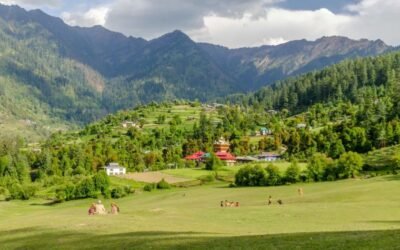
Churah Valley lies in the Chamba district and is commonly associated with the Tissa side. The region has a rugged and beautiful landscape, with forested hills, remote villages, streams, terraced fields and mountain roads.
The valley feels different from the more popular parts of Chamba. It is more remote, more rural and more closely connected with forest life. The roads can be narrow and winding, but the views are rewarding for travellers who enjoy offbeat journeys.
The landscape changes with elevation. Lower sections have village settlements and cultivated land, while higher areas move towards dense forests, meadows and rougher mountain routes.
Villages of Churah Valley
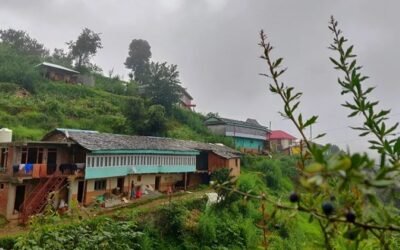
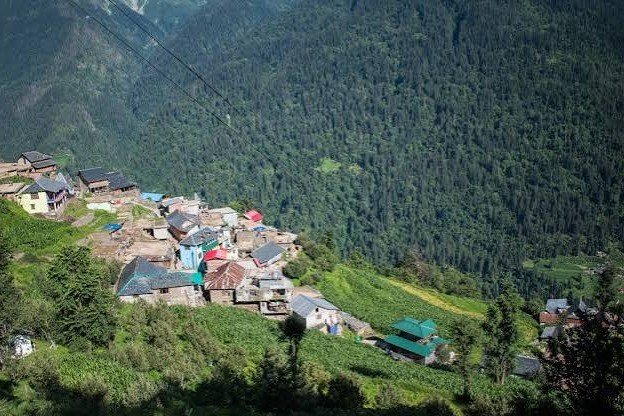
The villages of Churah Valley are the real soul of the region. Places around Tissa, Bhanjraru, Devi Kothi and nearby settlements show the local lifestyle of this part of Chamba.
These are not tourist-display villages. They are working mountain communities where people are connected with farming, livestock, forests, local deities, seasonal movement and traditional customs.
A slow walk through village areas can give travellers a better understanding of Churah than any single viewpoint. Traditional houses, fields, village temples, local paths and quiet surroundings make the valley feel deeply rooted in its own culture.
Forests and Natural Beauty
Churah Valley is known for its rich natural surroundings. The forested slopes, fresh mountain air, bird sounds, streams and quiet hill roads make it a beautiful place for nature lovers.
The valley is especially attractive in spring and early summer when greenery becomes fresh and the weather is pleasant. After monsoon, the forests look deep and rich, but roads may become more sensitive. In autumn, the views are clearer and the valley feels peaceful.
For travellers who like photography, Churah offers natural frames of forests, village homes, mountain roads, terraced slopes and distant ridges.
Sacred Places and Local Faith
Churah Valley has several sacred places and local temples that are important for the people of the region. One of the known religious places in the wider Churah side is Gandasru Mahadev, which is listed by the Chamba district tourism information as a religious tourist place in Churah Valley.
Local faith in Churah is closely connected with village life. Temples, deities, fairs and seasonal rituals are part of the cultural rhythm of the valley. These places are not only religious sites but also community spaces.
Visitors should behave respectfully around temples and village deity areas. Dress modestly, avoid loud behaviour and ask before taking photographs inside sacred spaces.
Devi Kothi and Churah’s Temple Heritage
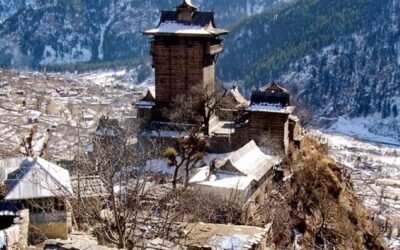
Devi Kothi is one of the important names associated with the Churah region. The village is known for its temple heritage and beautiful mountain setting. It can be included in a deeper Churah-side itinerary if road and time allow.
The temples and local deity traditions of this region show how Chamba’s culture is strongly connected with faith, wood-and-stone architecture, local legends and community gatherings.
For travellers interested in cultural Himachal, Churah Valley offers more than natural beauty. It also gives a meaningful look at local belief systems.
Bhanjraru and Tissa Side
Bhanjraru and Tissa are important route points in the Churah region. Tissa works as the practical centre for many travellers moving into the valley, while Bhanjraru is also an important local settlement.
These places are useful for route planning, local information, basic facilities and onward movement towards interior villages. If you are visiting Churah for the first time, it is better to ask locals in Tissa or Bhanjraru about road conditions, route safety and the best nearby places to explore.
Wildlife and Remote Forest Character
The Churah region has a strong forest and wildlife character. The wider Chamba district is known for dense forests, streams, meadows and rich wildlife zones. Churah’s less-commercial landscape makes it suitable for people who enjoy nature in a quieter form.
Birdwatching, forest-side photography and peaceful road journeys are good ways to enjoy the area. However, visitors should avoid disturbing wildlife, playing loud music in forest zones or entering unknown forest routes without local guidance.
Churah is beautiful because it still feels natural. Responsible travel is important here.
Road Journey Through Churah
The road journey is one of the main experiences of Churah Valley. The routes are scenic but can also be challenging. Roads may be narrow, steep, rough in places and affected by weather.
Travellers should drive carefully and keep enough time. This is not a route for overspeeding or night driving. The valley is best explored in daylight, with safe stops for views and photography.
During monsoon, landslides, falling stones and slippery patches can affect travel. During winter, higher areas may become cold and difficult.
Best Time to Visit Churah Valley
The best time to visit Churah Valley is from April to June and September to October.
April to June is good for pleasant weather, green forests, village views and road trips. September and October are excellent for clearer skies, peaceful travel and photography.
Monsoon should be approached carefully because Chamba’s mountain roads can be affected by landslides, falling stones and heavy rain. Winter can be cold, and some higher routes may become difficult due to snow or ice.
For first-time visitors, spring, early summer and autumn are the safest and most enjoyable seasons.
How to Reach Churah Valley
Churah Valley is best reached by road. Chamba town and Tissa are the main reference points for most travellers.
From Chamba
Chamba town is the main access point for Churah Valley. From Chamba, travellers can move towards Tissa and the Churah side. The route passes through mountain roads, forested sections and village landscapes.
Start early because road travel in this region takes time and should be done in daylight.
From Tissa
Tissa is the main practical base for exploring Churah Valley. From here, travellers can continue towards nearby villages, sacred places and interior routes depending on road condition and local advice.
From Dalhousie
Travellers staying in Dalhousie can plan Churah Valley as part of a longer Chamba-side route. It should not be treated as a quick sightseeing stop because the valley deserves proper time.
From Pathankot
Pathankot is a major railhead for travellers coming from outside Himachal. From Pathankot, travel towards Chamba and then continue towards Tissa and Churah Valley.
Suggested Two-Day Plan
On the first day, reach Chamba or Tissa and stay overnight. Start early the next morning towards Churah Valley. Explore village roads, forest views, local temples and peaceful landscapes around the Tissa-Bhanjraru side.
If road and time allow, continue towards selected villages such as Devi Kothi or other nearby local places with proper guidance. Keep the plan flexible and return before dark.
This plan is suitable for photographers, offbeat travellers, nature lovers and road-trip explorers.
Nearby Places to Visit
Churah Valley can be combined with other beautiful places in Chamba district.
Tissa
Tissa is the main town and route point for Churah Valley. It is useful for food, local information, transport and onward planning.
Bhanjraru
Bhanjraru is an important local settlement in the Churah region and can be included while exploring the valley.
Devi Kothi
Devi Kothi is known for its temple heritage and peaceful mountain setting. It is one of the meaningful cultural stops in the wider Churah side.
Chamba Town
Chamba town is known for its temples, Chaugan, Bhuri Singh Museum, old heritage and river-side setting. It is the main district centre.
Salooni
Salooni lies in another beautiful part of Chamba district and can be included in a longer offbeat route if time and road conditions allow.
Travel Tips for Churah Valley
Start early and travel during daylight only.
Check road conditions locally in Chamba or Tissa before entering interior routes.
Carry drinking water, light snacks, warm clothes, rain protection and basic medicines.
Drive carefully because roads can be narrow, rough and affected by weather.
Avoid travelling during heavy rain, landslides or poor visibility.
Do not depend only on online maps for interior village routes.
Respect local homes, farms, temples, deity places and private land.
Ask before photographing people, rituals, religious spaces or private homes.
Avoid loud music and picnic-style behaviour in villages and forest areas.
Carry your waste back to a proper disposal point and keep the valley clean.
If planning treks or deeper forest routes, take local guidance.
Who Should Visit Churah Valley?
Churah Valley is ideal for offbeat travellers, photographers, nature lovers, road-trip explorers, culture travellers and people who enjoy remote Himalayan villages.
It is also suitable for travellers who have already seen the popular side of Chamba and want to explore something quieter and more local.
This place may not suit visitors looking for luxury resorts, cafés, shopping streets, nightlife or easy commercial sightseeing. Churah is remote, simple, forested and deeply local.
Final Words
Churah Valley is one of the most beautiful hidden gems of Chamba district. With its forests, remote villages, sacred sites, traditional life, mountain roads and peaceful landscapes, it offers a deeper and more honest experience of Himachal Pradesh.
It is not a place that tries to impress with crowds or commercial attractions. Its beauty lies in distance, silence, culture and the raw charm of Chamba’s inner valleys.
For travellers who want to explore Himachal beyond the famous names, Churah Valley deserves a slow and respectful visit.