Lippa Village is one of the peaceful hidden gems of Kinnaur district in Himachal Pradesh. Located in the upper Kinnaur region, Lippa is known for its traditional Kinnauri culture, Buddhist influence, local deity worship, orchards, old village houses, mountain views, and quiet rural atmosphere. It is the kind of place where travellers can experience Kinnaur beyond the famous tourist names.
Lippa is not a regular tourist village with big cafés, markets, or commercial sightseeing points. It is a living Himalayan village where local faith, farming, traditional homes, festivals, and mountain life are still deeply connected. For travellers who enjoy offbeat routes, village culture, photography, and slow travel, Lippa Village is a meaningful place to add to a Kinnaur itinerary.
Quick Information About Lippa Village
| Detail | Information |
|---|---|
| Place | Lippa Village |
| District | Kinnaur, Himachal Pradesh |
| Tehsil | Moorang / Morang side |
| Best Known For | Traditional Kinnauri village life, Buddhist culture, local temples, orchards, mountain views |
| Approximate Elevation | Around 2,400 to 2,750 metres |
| Nearby Places | Moorang, Jangi, Pooh, Reckong Peo |
| Ideal Visit Duration | Half day to 1 day |
| Best Time to Visit | May to October |
| Suitable For | Offbeat travellers, photographers, culture lovers, slow travellers |
| Travel Type | Hidden Gem / Kinnauri Village / Offbeat Cultural Destination |
Why Lippa Village is a Hidden Gem
Lippa Village is a hidden gem because it remains away from the usual Kinnaur tourist rush. Many travellers visit Kalpa, Sangla, Chitkul, Nako and the Kinnaur-Spiti highway, but only a few explore villages like Lippa properly.
The charm of Lippa is not in one single attraction. It is in the complete village atmosphere — old homes, local temples, Buddhist influence, traditional festivals, orchards, mountain paths, and the quiet life of upper Kinnaur.
The village gives a closer look at how people live in this region, where Hindu-Buddhist traditions, local deities, farming, weather, and community life all remain strongly connected.
Location and Landscape
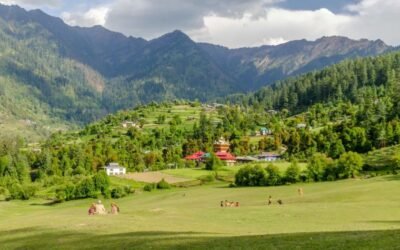
Lippa is located in Kinnaur district, in the upper Himalayan landscape of Himachal Pradesh. It lies in the Moorang side of Kinnaur and is surrounded by mountains, cultivated fields, village homes, and quiet natural scenery.
The landscape around Lippa is different from lower Himachal. Here, the mountains feel sharper, the climate is cooler, and the cultural influence of upper Kinnaur becomes clearer. The village has a mix of dry mountain slopes, green cultivated patches, orchards, and traditional settlement patterns.
This contrast makes Lippa visually beautiful. It gives travellers a strong sense of being in the old cultural belt of Kinnaur.
Traditional Kinnauri Culture
Lippa is known for its traditional Kinnauri identity. The people of the village belong to the Kinnaura community, and the local lifestyle reflects the region’s unique cultural blend.
Kinnaur is known for its mix of Hindu, Buddhist, and old local faith traditions. In Lippa too, this cultural layering can be seen in local worship, festivals, village customs, architecture, and daily life.
For visitors, this makes Lippa more meaningful than a simple scenic village. It is a place where culture is still alive in normal village routines, not only in tourist displays.
Buddhist Influence in Lippa
Lippa has a strong Buddhist influence, and the village is associated with the Drukpa Kagyu tradition of Tibetan Buddhism. At the same time, like many Kinnauri villages, local deity worship and ancestral traditions also remain important.
This blend of Buddhism and local faith gives Lippa a special spiritual character. Prayer flags, village religious spaces, local customs, and sacred beliefs all add to the cultural atmosphere of the village.
Visitors should behave respectfully around religious places. Avoid loud behaviour, do not touch sacred objects without permission, and ask before taking photographs inside any temple or monastery space.
Local Deities and Village Faith
Local deity traditions are an important part of life in Lippa. In Kinnaur, village deities are not separate from daily life. They are connected with festivals, farming seasons, decisions, rituals, and community identity.
This is one of the most beautiful parts of Kinnauri culture. Faith here is not limited only to buildings. It is carried through festivals, music, processions, oral stories, and village customs.
Travellers should observe these traditions with respect. If you are lucky to visit during a local festival, keep a respectful distance and follow what locals guide you to do.
Festivals of Lippa
Lippa is known for local festivals such as Fulch and Ormi. Fulch is usually celebrated around August or September, while Ormi is associated with the winter period around February.
These festivals reflect the cultural and seasonal rhythm of the village. They are not staged tourist events. They are part of community life and local faith.
If you visit during festival time, the village may feel more lively and colourful. However, visitors should remember that religious and cultural events are important to the local community. Photography, movement and participation should be done only with permission and sensitivity.
Orchards and Farming Life
Like many villages of Kinnaur, Lippa is connected with farming and orchards. Apple cultivation and other local agricultural activities form an important part of the village economy and lifestyle.
The orchards and fields around the village add greenery and life to the mountain setting. During the growing season, the village looks fresh and active. In harvest time, local movement increases as families work in fields and orchards.
Visitors should respect private farms and orchards. Do not enter fields, pluck fruit or disturb local work without permission.
Traditional Houses and Village Walks
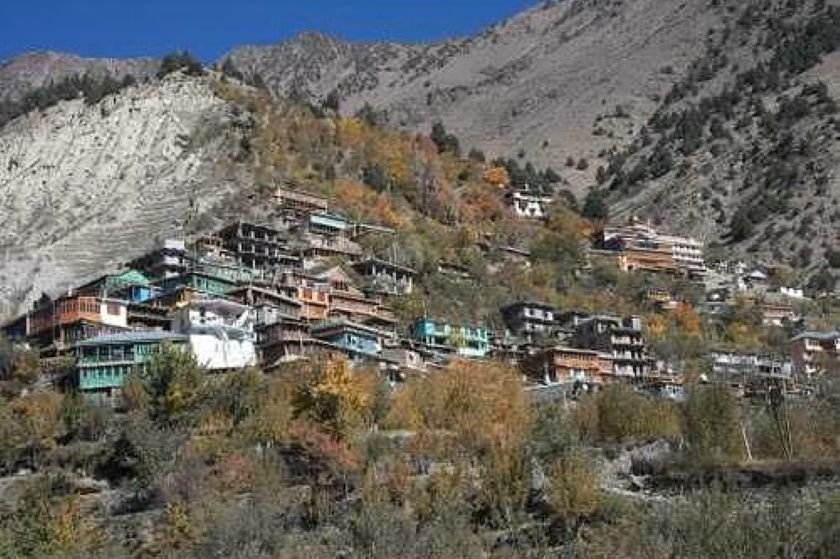
Lippa is best experienced through a slow village walk. The traditional houses, narrow paths, wooden details, fields, religious spaces and mountain backdrop make the village very photogenic.
The architecture and settlement pattern show how people have adapted to the mountain climate and local materials. Wooden and stone elements, compact homes, sloping roofs and village lanes create a strong Kinnauri character.
Walk slowly and respectfully. Do not enter private courtyards, homes or religious spaces without asking. The village is not a museum; it is someone’s home.
Lippa Asarang Wildlife Sanctuary
The wider region is also associated with Lippa Asarang Wildlife Sanctuary, which is named partly after Lippa. This sanctuary is known for its high-altitude wildlife habitat and rugged landscape.
The sanctuary area adds natural importance to the region. It is associated with wildlife such as musk deer, ibex, blue sheep, goral and Himalayan brown bear in the broader habitat zone.
Visitors should not treat forest or wildlife areas casually. Entry rules, permissions, local guidance and seasonal conditions should always be checked before entering protected or remote areas.
Best Time to Visit Lippa Village
The best time to visit Lippa Village is from May to October. During these months, road access is generally better and the weather is more suitable for village walks, photography and slow travel.
May and June are good for pleasant weather and clear mountain views. August and September may bring festival activity, but road conditions should be checked carefully during monsoon. September and October are especially good for clear skies and calm travel.
Winter can be very cold, and road access may become difficult because of snow, ice or harsh weather. Casual travellers should avoid winter visits unless they have proper local information and preparation.
How to Reach Lippa Village
Lippa Village is best reached by road. The main access is from the Kinnaur side through Reckong Peo, Jangi and Moorang region.
From Reckong Peo
Reckong Peo is the main district town and a practical base for travelling towards Lippa. From Reckong Peo, travellers can move towards the upper Kinnaur side and continue towards the Moorang-Jangi-Lippa belt.
Road conditions can change in Kinnaur, especially during monsoon and winter, so it is better to start early and check locally before travelling.
From Kalpa
Travellers staying in Kalpa can plan Lippa as part of a longer upper Kinnaur exploration. It should not be treated as a rushed quick stop because the roads take time and the village deserves a slow visit.
From Pooh
Pooh is another important route point in upper Kinnaur. Travellers moving between Pooh, Reckong Peo and the Kinnaur-Spiti route can include Lippa depending on road access and available time.
From Shimla
Travellers coming from Shimla need to follow the long Kinnaur route via Narkanda, Rampur, Jeori, Reckong Peo and further towards upper Kinnaur. This journey should be planned as part of a multi-day Kinnaur or Spiti itinerary.
Important Road Note
Kinnaur roads are sensitive during heavy rain, landslides and winter conditions. Lippa and nearby villages can face road disruption during extreme weather. Before planning a visit, always check current local road conditions with people in Reckong Peo, Pooh, Jangi or nearby areas.
Suggested One-Day Plan
Start early from Reckong Peo or Kalpa and drive towards Lippa. Keep the day slow and flexible. Spend time walking through the village, observing traditional houses, local religious spaces, orchards and mountain views.
Do not make the plan too packed. Lippa is best experienced with patience. After exploring the village, return before dark because upper Kinnaur roads should not be driven casually at night.
If local homestay options are available, an overnight stay can give a deeper experience of village life.
Nearby Places to Visit
Lippa Village can be combined with other places in upper Kinnaur if you are planning a deeper cultural route.
Moorang
Moorang is one of the important nearby areas and has its own historical and cultural identity. It can be combined with Lippa in a local route.
Jangi
Jangi is an important village on the Kinnaur side and works as a route point for travellers moving towards upper Kinnaur and Spiti.
Pooh
Pooh is a major settlement in upper Kinnaur and a useful stop on the route towards Nako and Spiti.
Reckong Peo
Reckong Peo is the main town of Kinnaur and the most practical base for food, fuel, stay options, transport and route planning.
Kalpa
Kalpa is one of the most famous places in Kinnaur, known for Kinnaur Kailash views, apple orchards, traditional homes and peaceful village charm.
Travel Tips for Lippa Village
Travel with a flexible plan because road conditions in Kinnaur can change quickly.
Start early and avoid late-night driving on upper Kinnaur roads.
Carry warm clothes, drinking water, light snacks, sunglasses, sunscreen and basic medicines.
Respect local homes, farms, orchards, religious places and village customs.
Do not enter fields, orchards or private courtyards without permission.
Ask before photographing people, religious ceremonies, homes, interiors or sacred objects.
Avoid loud music and picnic-style behaviour. Lippa is a peaceful cultural village, not a commercial tourist ground.
Check local conditions before visiting forest or sanctuary-side areas.
Support local homestays and local products where possible.
Carry your waste back to a proper disposal point and keep the village clean.
Who Should Visit Lippa Village?
Lippa Village is ideal for offbeat travellers, photographers, culture lovers, slow travellers and people who want to explore the deeper side of Kinnaur.
It is also suitable for travellers who enjoy traditional villages, Buddhist influence, local deity culture, orchards and mountain roads.
This place may not suit visitors looking for luxury resorts, cafés, nightlife, shopping streets or easy commercial sightseeing. Lippa is simple, local, remote and culturally rich.
Final Words
Lippa Village is one of the quiet hidden gems of Kinnaur district. With its traditional Kinnauri culture, Buddhist influence, local festivals, orchards, village houses, mountain views and peaceful atmosphere, it gives travellers a deeper experience of Himachal Pradesh.
It is not a place that needs loud promotion. Its beauty is in its culture, silence, people, landscape and old village rhythm.
For travellers who want to explore Kinnaur beyond the usual tourist route, Lippa Village deserves a proper place in the journey.