Demul and Lhalung are two peaceful hidden gems in Spiti Valley of Himachal Pradesh. Both villages show the quieter, more local side of Spiti, away from the usual tourist rush of Kaza, Key Monastery, Hikkim, Komic, and Langza. These are not places for loud sightseeing or commercial travel. They are remote village experiences where mountains, silence, Buddhist culture, fields, old homes, and high-altitude life come together.
Demul is known for its open mountain setting, village homestays, peaceful landscape, and strong community-based tourism character. Lhalung is known for its ancient monastery, old Buddhist heritage, green fields, and quiet location in the Lingti Valley. Together, these two villages make a beautiful offbeat circuit for travellers who want to understand Spiti slowly and respectfully.
Quick Information About Demul and Lhalung
| Detail | Information |
|---|---|
| Places | Demul and Lhalung |
| Region | Spiti Valley |
| District | Lahaul and Spiti, Himachal Pradesh |
| Near | Kaza, Lingti Valley, Dhankar side |
| Best Known For | Remote villages, Buddhist culture, old monastery, high-altitude views, homestays |
| Approximate Elevation | Demul around 4,300 metres, Lhalung around 3,650 metres |
| Ideal Visit Duration | Half day to 1 day |
| Best Time to Visit | June to September |
| Suitable For | Offbeat travellers, photographers, culture lovers, slow travellers |
| Travel Type | Hidden Gem / Spiti Village Circuit / Cultural Offbeat Route |
Why Demul and Lhalung are Hidden Gems
Demul and Lhalung are hidden gems because they are not usually visited by every Spiti traveller. Most people follow the popular Kaza sightseeing route and cover the well-known villages. Demul and Lhalung need a slower plan, more patience, and a genuine interest in village life.
These villages do not impress through big tourist attractions. Their beauty is in the quiet setting, high-altitude fields, traditional homes, Buddhist prayer flags, mountain views, and the way local life continues in difficult conditions.
For travellers who want a deeper Spiti experience, Demul and Lhalung are very rewarding. They show that Spiti is not only about famous monasteries and photo points. It is also about small villages where people live close to land, weather, faith, and community.
Demul Village
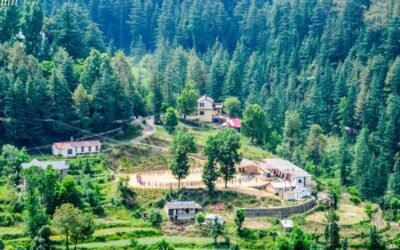
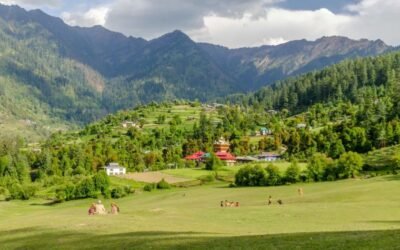
Demul is a remote high-altitude village in Spiti Valley. It sits in an open mountain landscape and gives travellers a peaceful view of Spiti’s cold desert life. The village is small, quiet, and surrounded by wide slopes, sky, and dramatic mountains.
Demul is often appreciated for its community-based village experience. Travellers can stay in local homestays, eat simple local food, walk around the village, and understand how life works in a remote Himalayan settlement.
The real charm of Demul is not in sightseeing points. It is in the feeling of staying in a village where every sound is clear, every view is wide, and life moves at a natural pace.
Village Life in Demul
Life in Demul is shaped by altitude, weather, farming, livestock, and community traditions. The growing season is short, winters are harsh, and people depend strongly on local cooperation.
Visitors may see fields, traditional houses, prayer flags, animals, and everyday village routines. This is the best part of Demul, but it should be experienced respectfully.
Do not treat the village like a tourist display. Ask before taking photographs of people, homes, or private spaces. Support local homestays and local services wherever possible.
Landscape Around Demul
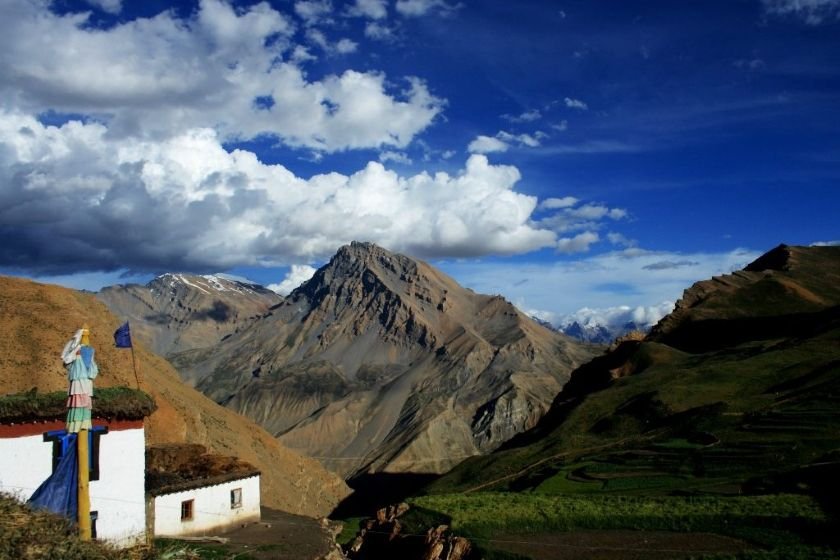
The landscape around Demul is wide, dry, and powerful. It has the classic Spiti cold desert character — brown mountains, open sky, clean light, and a deep sense of silence.
The village is excellent for photography, especially during early morning and evening. The changing light on the mountains makes the surroundings look different throughout the day.
For people who enjoy slow travel and open landscapes, Demul can feel more memorable than a busy tourist point.
Lhalung Village
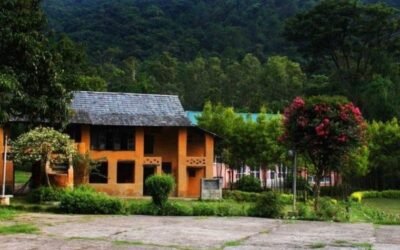
Lhalung is another beautiful offbeat village in Spiti Valley, located in the Lingti Valley side. The village is known for its ancient monastery, green fields, traditional houses, and peaceful mountain surroundings.
Lhalung has a softer look compared to some of the drier parts of Spiti. The fields around the village add colour to the landscape, and the setting feels calm and deeply rooted in local culture.
The village is not very commercial, which makes it suitable for travellers who want to experience Spiti in a quieter way.
Lhalung Monastery
Lhalung Monastery is the main highlight of the village. It is one of the oldest monasteries in Spiti and is also known as the Sarkhang or Golden Temple. The monastery is commonly associated with the great translator Rinchen Zangpo and the late 10th-century Buddhist heritage of the western Himalayas. The nearby village of Lhalung is recorded at an altitude of about 3,658 metres.
The monastery is not very large, but it is deeply important. Its old statues, wall art, and sacred atmosphere make it one of the most meaningful heritage places in Spiti. Unlike larger and more visited monasteries, Lhalung Monastery feels quiet, intimate, and ancient.
Visitors should behave respectfully inside and around the monastery. Photography may not be allowed in some areas, so always ask before taking pictures.
The Meaning of Lhalung
The name Lhalung is often understood as “land of the gods.” Local belief connects the village with the Tangmar mountain and the spiritual traditions of the valley. Such stories make Lhalung more than just a scenic village. They give it a deep cultural and sacred identity.
For travellers, this adds another layer to the visit. Lhalung is not only about mountain views. It is about old faith, local stories, Buddhist heritage, and the relationship between people and landscape.
Fields and Village Walks in Lhalung
Lhalung is a beautiful place for slow village walks. The fields, houses, prayer flags, and monastery surroundings create a peaceful travel experience.
The village is spread along the slope, with fields leading up to homes and religious structures. This gives Lhalung a very photogenic and calm character. Some travel accounts also describe it as a larger village compared to many others in Spiti, with green pea fields and a lived-in village atmosphere.
Walk slowly, keep to visible paths, and avoid entering fields or private areas without permission.
Demul and Lhalung as a Spiti Village Circuit
Demul and Lhalung can be planned together as part of a quiet Spiti village circuit. This route is best for travellers who want to move beyond the standard sightseeing pattern and spend time in villages that still feel local.
A good plan is to keep Kaza as the base and visit these villages with enough daylight. Depending on road condition, vehicle, and time, you can explore one village deeply or cover both in a slow circuit.
Do not rush this route. High altitude, road conditions, weather, and remote terrain all need patience.
Best Time to Visit Demul and Lhalung
The best time to visit Demul and Lhalung is from June to September. These are the main travel months for Spiti, when roads are generally more accessible and village routes are easier to manage.
July and August can bring occasional rain-related issues on approach routes, especially if you are travelling through Kinnaur or Manali side. September is often one of the best months because the weather is clearer and the landscape feels sharp and beautiful.
Winter travel is not recommended for casual visitors. These villages can become extremely cold, and road access may be difficult or closed due to snow and local conditions.
How to Reach Demul and Lhalung
Demul and Lhalung are best reached by road from Kaza. Kaza is the main travel base for this part of Spiti and has stay options, fuel, food, and basic services.
From Kaza to Demul
From Kaza, travellers can reach Demul through high-altitude village roads. The route passes through open Spiti landscapes and can be rough in places. Road condition should always be checked locally before starting.
A reliable vehicle and experienced hill driving are important. Avoid travelling late in the evening.
From Kaza to Lhalung
Lhalung is usually reached from Kaza through the Lingti Valley side, often combined with Dhankar or other nearby routes depending on the itinerary. The village road can be narrow and remote, so daylight travel is best.
From Shimla Side
Travellers coming from Shimla reach Kaza through the Kinnaur-Spiti route via Rampur, Kalpa, Nako, and Tabo. This route is longer but helps with gradual altitude gain.
From Manali Side
Travellers coming from Manali reach Kaza through the Kunzum Pass route when it is open. This route is seasonal and should always be checked before travel.
Suggested One-Day Plan from Kaza
Start early from Kaza and keep the plan flexible. First visit Lhalung if you want to focus on monastery heritage and village culture. Spend time at the monastery and walk around the village respectfully.
If road condition and time allow, continue towards Demul or plan Demul separately for a deeper village experience. Demul is better enjoyed with more time, especially if you want to stay in a homestay.
Return to Kaza before dark. Remote Spiti roads should not be driven casually at night.
Nearby Places to Visit
Demul and Lhalung can be combined with other important places around Spiti, depending on route and available time.
Kaza
Kaza is the main town and base for this region. It has accommodation, food, fuel, basic medical support, and local travel assistance.
Dhankar
Dhankar is known for its monastery, dramatic cliff setting, and old capital history of Spiti. It can be combined with Lhalung in a broader route.
Lingti Valley
Lingti Valley is one of the quieter parts of Spiti and is closely connected with the Lhalung side. It offers peaceful landscapes and remote village character.
Tabo
Tabo is famous for its ancient monastery and is one of the most important Buddhist heritage places in Spiti. It can be added in a longer itinerary.
Pin Valley
Pin Valley is known for its cold desert scenery, villages, wildlife landscape, and peaceful atmosphere. It can be combined in a wider Spiti trip.
Travel Tips for Demul and Lhalung
Travel slowly and keep enough time. These villages are not meant for rushed sightseeing.
Spend at least one or two days in Spiti before visiting higher villages, especially Demul, so your body can adjust to the altitude.
Carry water, warm clothes, sunglasses, sunscreen, basic medicines, and light snacks.
Do not overexert yourself at high altitude. Walk slowly and avoid running or climbing too quickly.
Check road conditions in Kaza before starting. Do not depend only on online maps.
Respect monasteries, fields, local homes, and village customs.
Ask before photographing people, monks, interiors, homes, or private spaces.
Do not litter. Carry your waste back to Kaza or a proper disposal point.
Support local homestays, local drivers, and village-based services where possible.
Who Should Visit Demul and Lhalung?
Demul and Lhalung are ideal for offbeat travellers, photographers, culture lovers, slow travellers, writers, and people who want to experience Spiti beyond the popular sightseeing route.
These villages are not suitable for visitors looking for luxury stays, cafés, shopping, nightlife, or easy tourist entertainment. They may also not be suitable for people with poor altitude tolerance, serious breathing issues, or medical conditions that can worsen at high altitude.
The best visitors for these places are those who travel with patience, respect, and curiosity.
Final Words
Demul and Lhalung are two of the most beautiful hidden gems of Spiti Valley. Demul offers remote village life, open high-altitude landscapes, and a peaceful homestay experience. Lhalung offers ancient Buddhist heritage, green fields, quiet village walks, and one of the most meaningful old monasteries in Spiti.
Together, they show a deeper and more honest side of Spiti. These are not places that need loud promotion. Their beauty is quiet, raw, spiritual, and deeply connected to the land.
For travellers who want to go beyond the usual Spiti route, Demul and Lhalung are worth adding to the journey.