Mane Village is one of the most peaceful hidden gems in Spiti Valley of Himachal Pradesh. Located between the famous Spiti route of Kaza, Dhankar and Tabo, Mane is not a single village in the usual sense. It is made up of two small villages known as Mane Kogma and Mane Yogma, also written as Mane Gogma and Mane Yongma.
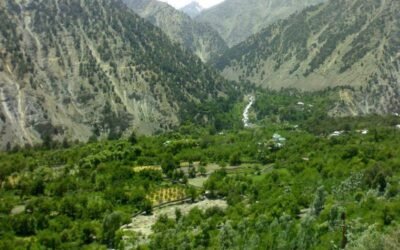
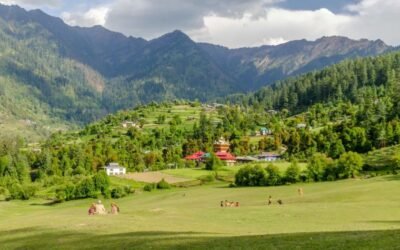
These twin villages sit in the cold desert landscape of Spiti, but the moment you reach the village plateau, the scenery changes beautifully. After driving through barren slopes, you suddenly see green fields, village houses, a stream, prayer flags, and quiet mountain views. This contrast makes Mane feel like a hidden treasure in the dry landscape of Spiti.
For travellers who enjoy offbeat villages, peaceful homestays, Buddhist culture, high-altitude landscapes, and slow travel, Mane Village is one of the most rewarding places to add to a Spiti itinerary.
Quick Information About Mane Village
| Detail | Information |
|---|---|
| Place | Mane Village |
| Also Known As | Mane Kogma and Mane Yogma |
| Region | Spiti Valley |
| District | Lahaul and Spiti, Himachal Pradesh |
| Near | Dhankar, Tabo, Kaza |
| Best Known For | Twin villages, green fields, Spiti views, Buddhist culture, Manirang route |
| Approximate Elevation | Around 3,650 metres |
| Approximate Distance from Kaza | Around 33 km |
| Approximate Distance from Tabo | Around 26 km |
| Ideal Visit Duration | Half day to 1 day |
| Best Time to Visit | June to September |
| Suitable For | Offbeat travellers, photographers, slow travellers, Spiti explorers |
| Travel Type | Hidden Gem / Spiti Village / Cultural Offbeat Route |
Why Mane Village is a Hidden Gem
Mane Village is a hidden gem because it is close to the main Spiti route, yet many travellers miss it. Most people travel between Kaza, Dhankar, and Tabo, but only a few take the road up to Mane and spend time in the village.
The beauty of Mane is in its surprise. From the main valley, the road climbs through dry and rocky slopes. Then, suddenly, the village appears with green fields and a lived-in settlement. This contrast between barren mountains and cultivated village land gives Mane a very special character.
Unlike popular Spiti spots, Mane is not crowded with tourist activity. It is quiet, simple, and deeply local. The village gives travellers a chance to understand the slower side of Spiti, where farming, faith, water, weather, and community life shape everyday living.
Mane Kogma and Mane Yogma
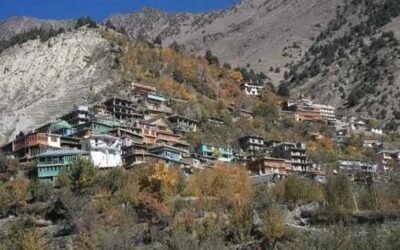
Mane is made up of two villages: Mane Kogma and Mane Yogma. These villages are located on opposite sides of a small stream or nullah. Mane Kogma is usually understood as the lower village, while Mane Yogma is the upper village.
Both villages together form the Mane settlement. The villages fall under the Dhankar Gram Panchayat and are part of the cold desert region of Spiti. According to available village information, the combined population of the twin villages was around 440 as per the 2011 Census.
The two-village structure makes Mane more interesting. It does not feel like a large tourist village. It feels like a real high-altitude settlement where homes, fields, water channels, and local paths are closely connected.
Location and Landscape
Mane Village is located on a small plateau above the right bank of the Spiti River. The altitude is around 3,650 metres, which gives the village a proper high-altitude Spiti character.
The approach to Mane is one of the most memorable parts of the journey. From the main road, the route climbs through dry, rocky terrain. When you reach the village side, the green fields appear almost unexpectedly. This is why Mane is often described as a hidden treasure in the cold desert.
The surrounding mountains, dry slopes, clear sky, fields, and village homes create a beautiful contrast. This makes Mane a very good place for photography, especially for travellers who like quiet landscapes rather than crowded viewpoints.
Village Life in Mane
Mane gives a close look at high-altitude village life in Spiti. Farming is important here, and the fields around the village add life and colour to the dry surroundings. Water from the local stream supports the cultivated land, which is why the village looks greener than the barren slopes below.
Life in Mane is simple and seasonal. Winters are harsh, summers are short, and people live with strong dependence on land, livestock, water, and community support.
Visitors should experience this village respectfully. Walk slowly, stay on visible paths, avoid entering fields without permission, and do not photograph local people or private homes without asking.
Buddhist Culture and Local Faith
Like most villages in Spiti, Mane has a strong Buddhist cultural atmosphere. Prayer flags, chortens, village gompa spaces, and traditional homes reflect the spiritual life of the region.
Mane Yogma has a Buddhist gompa, and the village setting feels peaceful and deeply rooted in local belief.
This cultural side gives Mane more meaning. It is not only a scenic stop. It is a living village where faith, community, and daily life are closely connected.
Manirang Range and Trekking Connection
Mane Village is also important because of its connection with the Manirang range. The village is known as a base for trekking and mountaineering routes towards the Manirang side, which lies between Spiti and Kinnaur. Mane Yogma is considered the last village in Spiti on the route towards Manirang Pass and Kinnaur.
This makes Mane special for serious trekkers and mountain lovers. However, these routes should not be treated casually. High altitude, remote terrain, weather changes, and difficult trails require proper planning and local guidance.
For regular visitors, it is enough to enjoy the village, the fields, the views, and short walks around the settlement.
Sopona Lake Route
Mane is also connected with the route towards Sopona Lake, earlier known as Yangcho Lake. The lake is located on the trekking side above Mane Yogma and is associated with the trail towards Manirang Pass.
This route is suitable only for travellers who are physically prepared and have proper local guidance. Do not attempt longer hikes without checking weather, trail condition, water availability, and your own altitude tolerance.
The lake and trekking routes add to Mane’s hidden-gem value, but casual visitors should not rush into high-altitude trails without preparation.
Best Time to Visit Mane Village
The best time to visit Mane Village is from June to September. These are the main travel months for Spiti, when the roads are usually more accessible and village routes are easier to manage.
September is especially good for clear skies, photography, and peaceful travel. June and July are also suitable, though road conditions should always be checked before starting.
Winter travel is not recommended for casual visitors. The village area can become extremely cold, and road access may be affected by snow and harsh weather.
How to Reach Mane Village
Mane Village is best reached by road. It lies near the Kaza-Dhankar-Tabo side of Spiti, making it possible to include in a flexible Spiti route.
From Kaza
Kaza is the main base for most travellers exploring Spiti. Mane Kogma is around 33 km from Kaza. The route usually goes towards Dhankar and then takes the road towards Mane.
Start early and keep the plan slow. Road conditions can change, so check locally before travelling.
From Tabo
Mane is around 26 km from Tabo, making it a good offbeat stop for travellers moving between Tabo, Dhankar and Kaza.
This route works well if you want to avoid a rushed itinerary and explore a quieter village on the way.
From Dhankar
Dhankar is one of the closest famous reference points near Mane. Travellers can combine Dhankar Monastery, Dhankar Lake area, and Mane Village depending on time, road condition, and fitness level.
Dhankar itself is an important old village and monastery site located between Tabo and Kaza. It sits at a high elevation and was historically connected with the old capital of Spiti.
From Shimla Side
Travellers coming from Shimla usually enter Spiti through the Kinnaur route via Rampur, Kalpa, Nako and Tabo. From Tabo, Mane can be added before moving towards Dhankar and Kaza.
From Manali Side
Travellers coming from Manali need to reach Kaza through Kunzum Pass when the route is open. From Kaza, Mane can be planned as part of the Dhankar-Tabo side route.
Suggested One-Day Plan
Start early from Kaza or Tabo. Visit Dhankar first if it fits your route, then continue towards Mane Village. Spend time around Mane Kogma and Mane Yogma, enjoy the green fields, village views, prayer flags, and quiet mountain setting.
Keep the visit slow and respectful. Do not rush through the village just for photographs. If you have time, speak politely with locals, enjoy the calm surroundings, and return before evening.
If you are interested in staying overnight, check local homestay availability in advance.
Nearby Places to Visit
Mane Village can be combined with several important places in Spiti. This makes it a very useful stop in a deeper Spiti itinerary.
Dhankar
Dhankar is famous for its old monastery, cliff-side village setting, and historical importance as the old capital region of Spiti. It is one of the most dramatic places near Mane.
Tabo
Tabo is known for its ancient monastery and Buddhist heritage. It is one of the most important cultural stops in Spiti and can be easily combined with Mane.
Kaza
Kaza is the main town and travel base of Spiti. It has accommodation, fuel, food, local taxis, basic services, and travel support.
Pin Valley
Pin Valley is known for its beautiful cold desert landscape, villages, wildlife surroundings, and peaceful atmosphere. It can be added to a longer Spiti route.
Dhankar Lake
Dhankar Lake is a high-altitude lake above Dhankar village. The walk to the lake requires fitness and acclimatisation, so it should be attempted carefully.
Travel Tips for Mane Village
Travel only after proper acclimatisation. Mane is located at high altitude, and visitors should not rush their Spiti itinerary.
Carry water, warm clothes, sunglasses, sunscreen, basic medicines, and light snacks.
Drive carefully because the village road can be narrow, rough, and affected by weather.
Check road conditions locally in Kaza, Tabo, or Dhankar before starting.
Respect private fields, homes, gompa areas, and local customs.
Do not enter orchards or fields without permission.
Ask before photographing people, interiors, religious spaces, or private homes.
Avoid loud music and unnecessary noise. Mane is a peaceful village, not a picnic ground.
Do not litter. Carry your waste back to Kaza, Tabo, or a proper disposal point.
If you plan to trek towards Sopona Lake or Manirang side, take local guidance and prepare properly.
Who Should Visit Mane Village?
Mane Village is ideal for offbeat travellers, photographers, culture lovers, slow travellers, Spiti road-trip lovers, and people who enjoy quiet villages beyond the normal tourist route.
It is not suitable for travellers looking for luxury hotels, cafés, nightlife, shopping, or easy tourist entertainment. It may also not be suitable for people with poor altitude tolerance or health conditions affected by high elevation.
Mane is best for visitors who travel with patience, respect, and interest in local life.
Final Words
Mane Village is one of the most beautiful hidden gems of Spiti Valley. With its twin villages, green fields, Buddhist culture, cold desert surroundings, and connection to the Manirang range, it offers a deeper and quieter experience of Himachal Pradesh.
It is close enough to the main Spiti route to be visited with planning, but still peaceful enough to feel untouched by regular tourism. That balance makes Mane special.
For travellers who want to go beyond the famous stops and experience the real village side of Spiti, Mane Village deserves a proper place in the journey.