
Travel guide
Dharamkot Travel Guide for Village Walks and Meditation
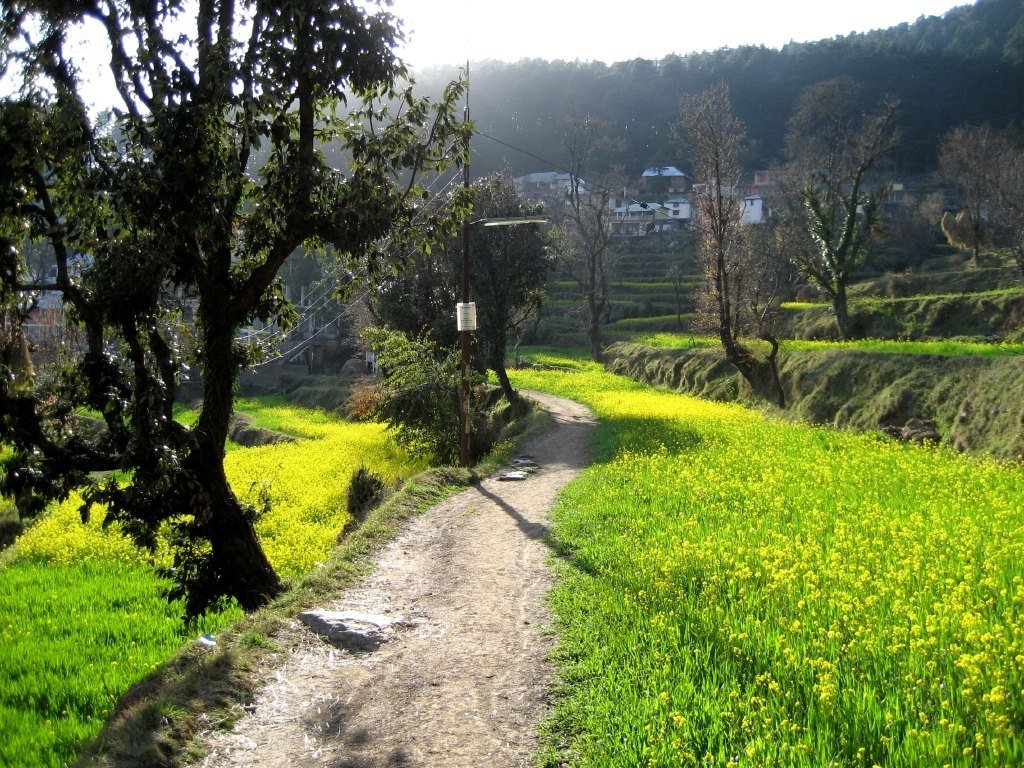
At a glance
- District
- Kangra
✈️ Key Takeaways
- Dharamkot sits uphill from McLeod Ganj in Kangra district. Arrange the last stretch with your stay if you have luggage.
- Two nights give you time for village walks, a meditation session, and a visit to Bhagsu without rushing.
- Check Tushita’s calendar before planning around a session. Dhamma Sikhara has a separate course registration process.
- Gallu Devi is a useful turnaround point for a short outing. Treat the onward Triund hike as a separate plan.
- Choose your room by its access path, stairs and parking as well as the view.
Introduction
Above the shops and taxi stands of McLeod Ganj, the road to Dharamkot climbs into wooded slopes on the Kangra side of the Dhauladhar. Here, an uphill lane can take you from a café to a stretch of forest within a single walk. The village is close enough to McLeod Ganj for a half-day outing and worth staying in if you want to start and end the day on foot.
Think of Dharamkot as a base for a couple of unhurried days. Spend one morning in the village and around Tushita, then set aside another for Bhagsu. This Dharamkot travel guide explains where to stay, how to handle the climb from town and how to plan around the weather.
Quick Facts About Dharamkot
- Location
- Above McLeod Ganj, Kangra district, Himachal Pradesh
- Elevation
- Around 1,900–2,000 m near the meditation centres. Elevation varies by lane.
- Nearest airport
- Kangra Airport at Gaggal, about 14 km from Dharamshala before the climb to Dharamkot
- Rail approach
- Pathankot for mainline trains, then continue by road
- Suggested stay
- Two nights for the village, a forest walk and Bhagsu
- When to go
- Spring or autumn for walking. Check the forecast before travel.
- Budget planning
- Price your room, meals and local uphill transfers separately. Confirm weekend room and parking charges.
Elevation and access details come from the centres’ directions and the state tourism office. Tushita travel directions, Dhamma Sikhara directions, Himachal Tourism’s Dharamshala guide.
Why Visit Dharamkot
The appeal is how easy it is to mix a quiet morning with a more active afternoon. You can walk up through the village, stop where the trees open towards the Kangra Valley, then spend the rest of the day in McLeod Ganj or Bhagsu. If you are staying above the main lane, ask your host where the path rejoins the road so you can plan the return after dark.
Dharamkot also makes sense for travellers interested in Buddhist study or meditation. Tushita offers scheduled guided drop-ins and courses, and Dhamma Sikhara is a separate Vipassana centre nearby. Look up the type of visit you want before you set dates. A short session and a residential course call for very different itineraries. Tushita’s meditation calendar, Dhamma Sikhara.

How to Reach Dharamkot
By road via Dharamshala and McLeod Ganj
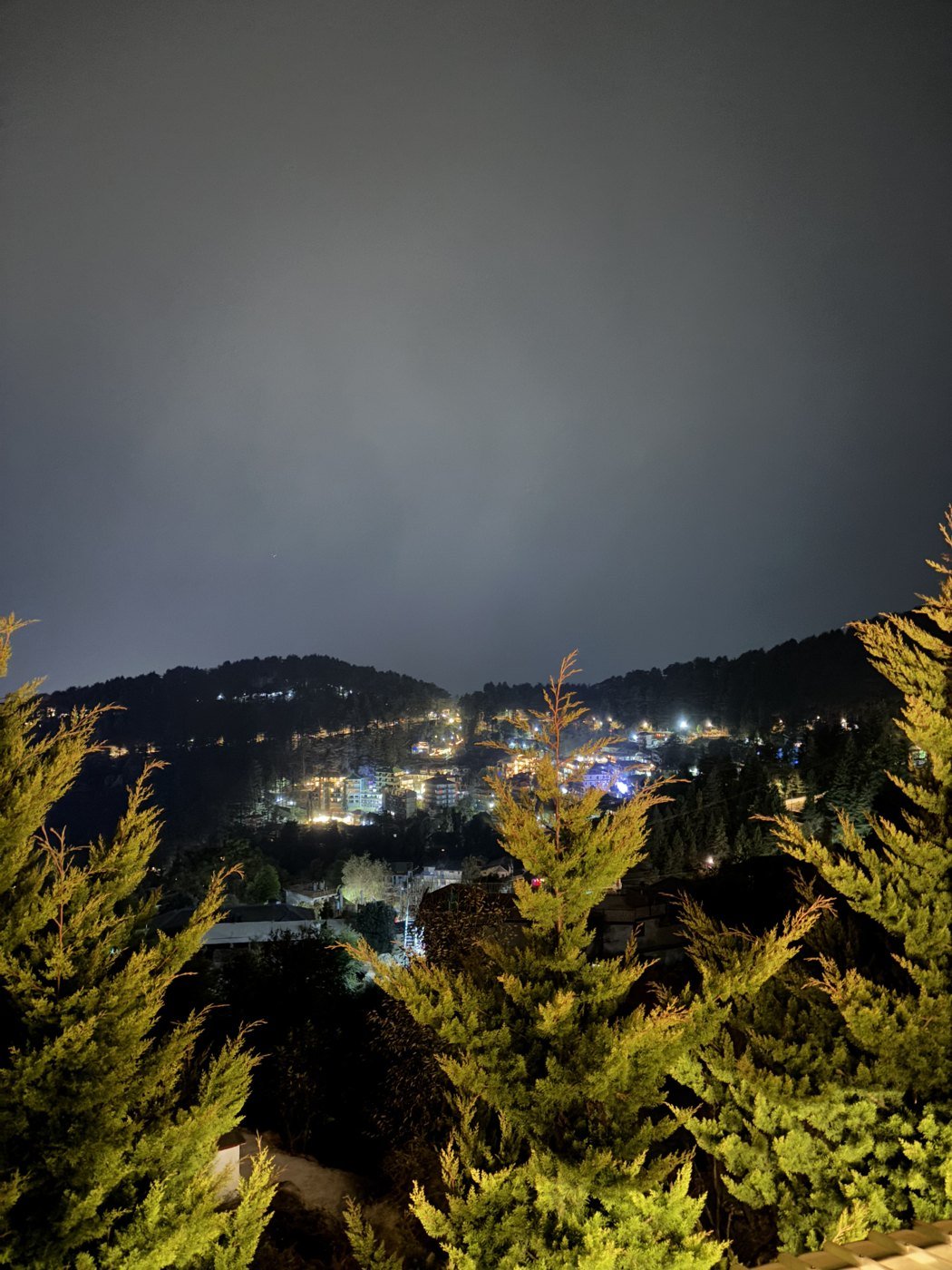
Use Dharamshala as the main arrival point by bus or car. From there, head uphill to McLeod Ganj, then take a local taxi for the last climb if you have a suitcase or are arriving in the evening. Ask the driver to confirm the exact drop-off with your accommodation. Two properties with the same Dharamkot address can have very different approaches.
If you are driving, ask whether the property has a reserved space and what happens when it fills. If parking is farther down the hill, arrange luggage help before arrival. Plan enough time for traffic on the climb during weekends and holidays.
By air or rail
Kangra Airport at Gaggal is the closest airport to Dharamshala. Check your airline for current options and arrange the onward road transfer to your stay. Pathankot is the mainline rail approach listed by Himachal Tourism. If you are coming by train, plan the road connection in advance, especially for an evening arrival. Himachal Tourism’s transport information.
Best Time to Visit Dharamkot
Spring and autumn. March to May and October to November are useful planning windows if your main activity is walking. In spring, bring a layer for the evening. In autumn, schedule open viewpoints for the clearer part of the day and keep time for a flexible second outing.
Monsoon and winter. In the rainy months, keep your plans around paved lanes and check waterfall access before setting out. Wet steps and paths get slippery. For a winter stay, ask about room heating and the final road approach before booking. Snow and ice can affect higher paths even when the village is accessible. Himachal Tourism’s Dharamshala guide.
Top Things to Do in Dharamkot
Walk the village and head toward Gallu Devi
Start with a daylight walk from your stay along the main village lanes. For a longer outing, ask your host for the current route toward Gallu Devi and turn back there if you want a short day. Carry water, use footwear with grip and leave the return for daylight. For the full ridge hike, check the route and current access locally. Our Triund trek guide.
Visit Tushita Meditation Centre
Read the centre’s current calendar and plan your arrival around the session you intend to attend. Leave time for the walk uphill and follow the centre’s instructions on quiet areas and visitor access. If you are interested in a longer course, check registration and accommodation arrangements well ahead of your trip. Tushita’s drop-in schedule.
Spend half a day in Bhagsu
Visit Bhagsunag Temple, then follow the uphill path to the waterfall if conditions are good. The Kangra district guide describes the walk as roughly 500–1,000 metres from the temple area. The climb, surface and crowds matter more than the distance. Keep to the path and give the water and wet rocks plenty of room after rain. Kangra district’s Bhagsunag guide.
Where to Stay in Dharamkot
Near the main road. Look here if you want a shorter walk to food and easier vehicle access. Ask for the actual approach from the drop-off if you are travelling with larger bags, children or anyone who finds stairs difficult.
Farther up the village. Look for a guesthouse with an open outlook if you are happy to walk back uphill after dinner. Ask which level the room is on, whether it has heating in winter and how well the path is lit.
McLeod Ganj or Bhagsu. These also work as bases if most of your plans are farther down the hill. You can visit Dharamkot in daylight and arrange a ride back. Compare the total cost of your room and transfers before booking. Tushita’s accommodation guidance.
Local Food and Cuisine
Leave time for breakfast in Dharamkot and try Tibetan-style momos or a bowl of noodle soup during your time in upper Dharamshala. Ask whether the soup stock is vegetarian if that matters to you. If you want a Kangra meal, look for a local place serving a Himachali thali or ask your host whether a Kangri dham is available nearby. Dham is a regional feast, so availability depends on the venue and occasion. Himachal Tourism’s cuisine guide.
Carry water and a small snack on uphill walks. If you are staying away from the main lane, check whether your guesthouse serves dinner, especially if you plan to arrive late.
Practical Travel Tips
- Get the map pin and the last few directions. Ask where the road ends and how far the walk is from the taxi.
- Pack for the slopes. Shoes with grip, a light rain layer and a small torch make steep lanes easier to manage.
- Keep a weather backup. If the forest or waterfall paths are wet, move the longer walk to the clearer day and spend the rainy morning closer to town.
- Carry some cash. It is useful for a short taxi ride or a small shop if your payment app has poor reception.
- Give residents room. Stay out of private fields, keep noise down near meditation centres and take your rubbish back with you.
Final Thoughts
For a two-night trip, settle in and walk the village on arrival day. Put Tushita or the Gallu outing on your first full morning, with time to return for lunch. Visit Bhagsu on the clearer half-day before your departure if your onward travel allows it. A little slack in the plan gives you time to enjoy the walks that make Dharamkot worth the uphill turn from McLeod Ganj.
Frequently Asked Questions About Dharamkot
Is Dharamkot part of Dharamshala?
Dharamkot is in the upper Dharamshala area of Kangra district, uphill from McLeod Ganj. If a ticket says Dharamshala, check the arrival point and plan the final uphill transfer separately.
Can I walk from McLeod Ganj to Dharamkot?
Yes. Expect a sustained uphill walk. With heavy luggage, after dark or in rain, a local taxi is often easier. Ask your host about the last section from the drop-off.
How many days are enough for Dharamkot?
Two nights give you one full day and parts of two others. That is enough for the village, a short outing and a Bhagsu visit if the weather is favourable. Allow extra time for a full Triund hike.
Can beginners attend meditation at Tushita?
Tushita lists guided drop-in sessions as well as courses. Check the centre’s calendar for the date and its current visitor arrangements before going.
Should I stay in Dharamkot or McLeod Ganj?
Choose Dharamkot for a hillside stay and walks near your room. Choose McLeod Ganj if you want simpler access to markets, taxis and bus connections. Check stairs and road access at the specific property either way.
Photo by Dave Kleinschmidt via Wikimedia Commons (CC BY-SA 2.0, web-optimized).
