
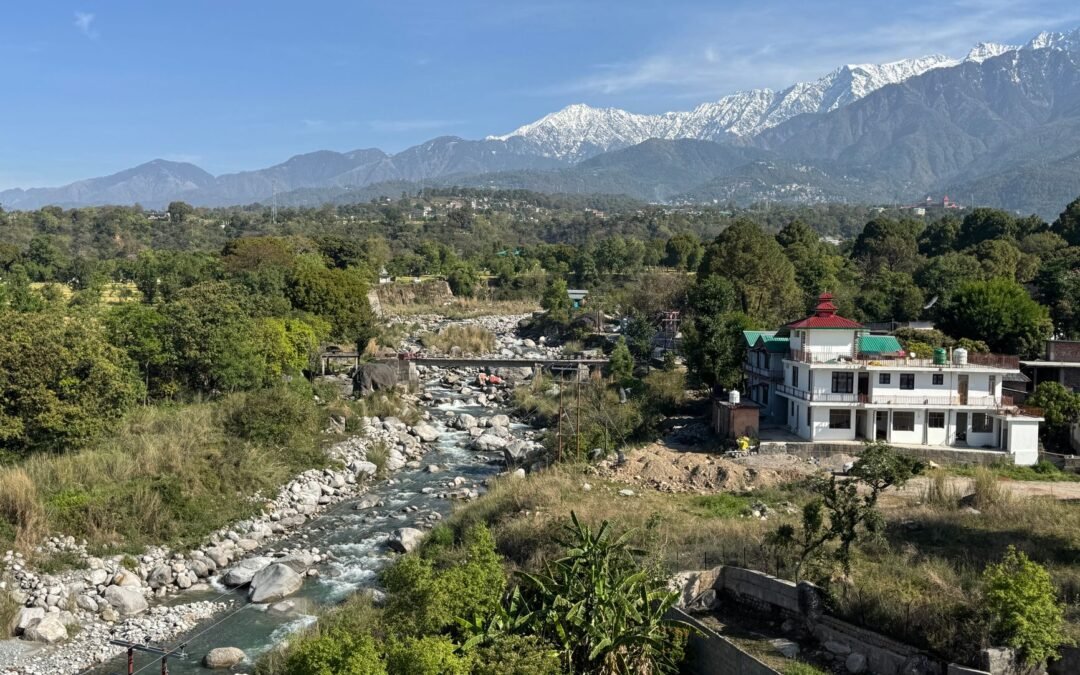
- Triund Trek is a moderate 9 km trek from McLeodganj offering stunning Dhauladhar range views at 2,828 meters altitude
- The trek takes 4-5 hours to ascend and 3-4 hours to descend with well-marked trails suitable for beginners
- Best trekking months are March to June and September to December, avoiding monsoon and heavy snowfall periods
- Overnight camping at Triund top is highly recommended for sunrise views and stargazing experiences
- No special permits required but carrying valid ID proof is mandatory for forest checkpost registration
- Introduction
- Quick Facts About Triund trek from Dharamshala
- Why Visit Triund trek from Dharamshala
- How to Reach Triund trek from Dharamshala
- Best Time to Visit Triund trek from Dharamshala
- Top Things to Do in Triund trek from Dharamshala
- Where to Stay in Triund trek from Dharamshala
- Where to Eat and Local Food
- Practical Tips for Visiting Triund trek from Dharamshala
- Final Thoughts
- Frequently Asked Questions
Introduction
Perched at an altitude of 2,828 meters in the Dhauladhar ranges, the Triund trek from Dharamshala stands as one of the most rewarding short treks in the Indian Himalayas. This jewel-crowned trail has captured the hearts of thousands of trekkers, from wide-eyed beginners taking their first steps into mountain adventure to seasoned hikers seeking a weekend escape into nature’s lap. What makes this trek extraordinarily special is not just its accessibility from McLeod Ganj, but the dramatic transformation of landscapes you witness within a mere 9-kilometer journey – from dense rhododendron and oak forests to alpine meadows that seem to stretch endlessly against the backdrop of snow-draped peaks.
The magic of Triund reveals itself in layers. As you ascend through winding forest paths, every turn opens up new vistas of the Kangra Valley below, while the Dhauladhar range looms ever closer, its rocky faces glistening under the Himalayan sun. This trek has become legendary among backpackers not merely for its stunning 360-degree panoramic views, but for the sense of achievement it offers – a genuine mountain experience that doesn’t demand technical expertise or weeks of preparation. Whether you’re watching the sun paint the mountains in shades of gold and crimson from the summit, or gazing at a blanket of stars so dense you could lose yourself in the cosmos, Triund creates memories that linger long after you’ve descended back to civilization.
Beyond the physical beauty, Triund holds a special place in the hearts of travelers because it serves as a perfect introduction to Himalayan trekking. The trail is well-marked, the ascent gradual enough for most fitness levels, and the destination – a vast meadow offering unobstructed views of the Dhauladhar peaks – feels like a hard-earned reward. This is where the spiritual energy of Dharamshala meets the raw, untamed wilderness of the high Himalayas, creating an experience that feeds both the adventurous spirit and the contemplative soul.
Quick Facts About Triund trek from Dharamshala
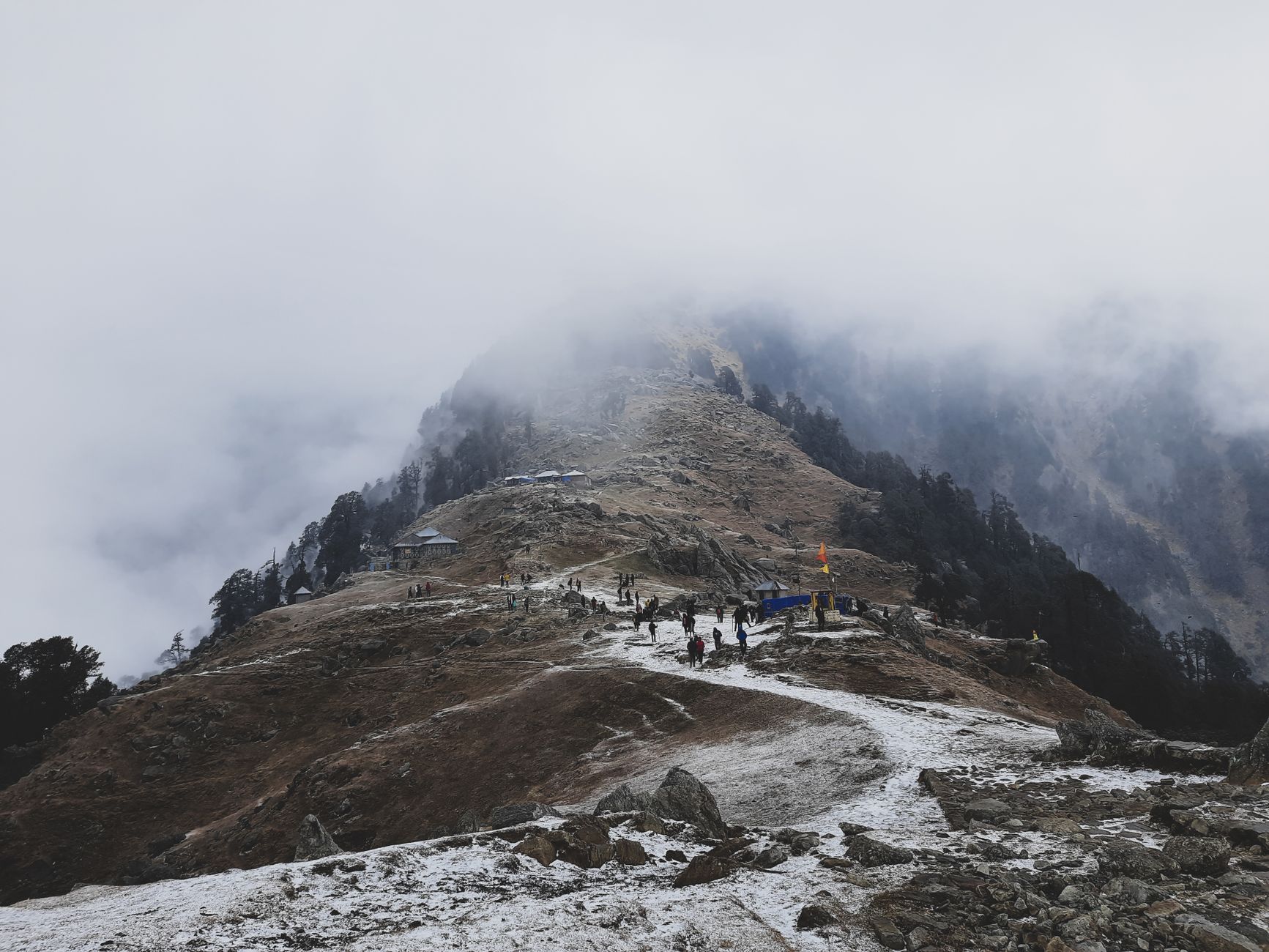
| Altitude | 2,828 meters (9,278 feet) |
|---|---|
| Best Time to Visit | March to June, September to December |
| Distance from Nearest City | 9 km from McLeod Ganj, 18 km from Dharamshala |
| Nearest Airport | Gaggal Airport, Kangra (23 km from Dharamshala) |
| Permits Required | No special permits required; forest department registration at Dharamkot checkpoint |
| Temperature Range | Summer: 10°C to 25°C; Winter: -5°C to 10°C |
| Budget per Day | ₹800 – ₹2,000 (including food, accommodation, and basic expenses) |
Why Visit Triund trek from Dharamshala
The Triund trek distinguishes itself through a rare combination of accessibility and authentic wilderness experience. Unlike many popular treks that have been over-commercialized, Triund maintains its pristine charm while remaining reachable for those with limited time or trekking experience. The trail begins at Gallu Devi Temple near Dharamkot, ascending through mixed forests of rhododendron, deodar, and oak that create a constantly shifting canopy overhead. During spring, particularly in April and May, these rhododendron forests burst into spectacular blooms of deep crimson and pink, transforming the trek into a walk through nature’s own art gallery.
What truly sets Triund apart is the dramatic culmination at the ridge top meadow. This expansive grassland, locally known as the “Jewel of Dharamshala,” offers unparalleled views of the Dhauladhar range on one side and the Kangra Valley stretching into the plains on the other. On clear days, you can spot individual peaks including Moon Peak, rising to 4,500 meters, and the distinctive rock formations that give the Dhauladhar its name – meaning “white range” in the local dialect. The meadow itself transforms through the seasons: lush green during monsoons, golden during autumn, and often snow-covered in winter, each avatar offering a completely different trekking experience.
The trek also serves as a base camp for more ambitious expeditions to Indrahar Pass and Lahesh Caves, making it a strategic point for serious mountaineers while remaining welcoming to casual hikers. The astronomical clarity of the night sky from Triund deserves special mention – with minimal light pollution and high altitude, the view of the Milky Way stretching across the heavens, punctuated by shooting stars during meteor shower seasons, rivals any planetarium experience. The spiritual atmosphere, influenced by the Tibetan Buddhist presence in McLeod Ganj below, adds another dimension; it’s not uncommon to encounter monks making the trek for meditation or to see prayer flags fluttering in the mountain winds, their mantras carried across the peaks.
How to Reach Triund trek from Dharamshala

By Air: The nearest airport is Gaggal Airport in Kangra, located approximately 23 kilometers from Dharamshala. This small domestic airport receives flights from Delhi on most days, with airlines like Air India and SpiceJet operating services. The flight duration from Delhi is about 1 hour and 15 minutes, with fares ranging from ₹3,500 to ₹8,000 depending on season and booking time. From Gaggal Airport, you can hire a taxi to McLeod Ganj (the trek starting point) for approximately ₹800 to ₹1,200. Pre-paid taxi counters at the airport offer fixed rates. Alternatively, Chandigarh Airport (265 kilometers away) and Amritsar Airport (185 kilometers away) are larger airports with better connectivity, from where you can take buses or taxis to reach Dharamshala.
By Train: The nearest broad-gauge railway station is at Pathankot, situated 85 kilometers from Dharamshala. Pathankot is well-connected to major Indian cities including Delhi, Mumbai, Kolkata, and Amritsar. From Pathankot railway station, HRTC (Himachal Road Transport Corporation) buses depart regularly to Dharamshala every 30-45 minutes between 5:00 AM and 6:00 PM, with fares around ₹120 to ₹180 per person. The journey takes approximately 3 hours. Alternatively, shared taxis are available for ₹200 per seat, or you can hire a private taxi for ₹2,000 to ₹2,500. The closer narrow-gauge Kangra Valley Railway terminates at Kangra Mandir station, just 18 kilometers from Dharamshala, offering a scenic toy train experience from Pathankot, though with limited daily services.
By Road from Delhi: The distance from Delhi to Dharamshala is approximately 475 kilometers, which takes 10-12 hours by road depending on traffic and breaks. The route follows NH44 via Karnal, Ambala, Chandigarh, and then NH503 through Una and Kangra. HRTC operates Volvo buses from Delhi’s ISBT Kashmere Gate to Dharamshala, with both day and overnight services. Volvo AC buses cost between ₹800 and ₹1,400, while ordinary buses are available for ₹500 to ₹700. Overnight buses departing around 8:00 PM reach Dharamshala by early morning. Private operators like RedBus and Himalayan Volvo also run comfortable sleeper and semi-sleeper coaches with prices ranging from ₹900 to ₹1,800.
From Dharamshala to Trek Base: Once in Dharamshala, you need to reach McLeod Ganj, which is 9 kilometers uphill. Local buses run every 20 minutes from Dharamshala bus stand to McLeod Ganj for ₹20 to ₹30. Taxis charge ₹300 to ₹500 for this journey. From McLeod Ganj, the trek actually begins at Gallu Devi Temple near Dharamkot village, about 2 kilometers further up. You can either walk this distance (adding to your trek) or take an auto-rickshaw for ₹100 to ₹150. Many trekkers prefer to hire taxis directly from Dharamshala to Gallu Devi Temple, which costs approximately ₹600 to ₹800, saving time and energy for the actual trek ahead.
Best Time to Visit Triund trek from Dharamshala
January to March (Winter to Early Spring): Winter transforms Triund into a snow-covered wonderland, particularly in January and February when snowfall is frequent. Temperatures at the summit can plummet to -5°C to -10°C at night, while daytime temperatures hover around 5°C to 10°C. This period is ideal for experienced trekkers seeking a challenging winter trek experience. The trail becomes slippery and potentially dangerous, requiring proper winter trekking gear including microspikes or crampons, insulated boots, and four-season sleeping bags. By March, snow begins melting, creating muddy sections but offering stunning views of fresh snow on the Dhauladhar peaks. The forest trail remains relatively clear, though the meadow top stays snow-covered until late March. Fewer trekkers mean more solitude, and the crystal-clear skies offer exceptional photography opportunities.
April to June (Peak Spring and Summer Season): This represents the most popular trekking window for Triund. April and May are particularly spectacular as rhododendron forests bloom in vibrant reds and pinks, creating a colorful canopy along the trail. Temperatures are comfortable, ranging from 15°C to 25°C during the day and 10°C to 15°C at night, making camping pleasant even with moderate gear. The meadow turns lush green, dotted with wildflowers, and all amenities including tea shops along the route and camping facilities at the top are fully operational. Visibility is generally excellent, offering clear views of the snow-capped Dhauladhar range. June marks the beginning of warmer weather with temperatures occasionally reaching 25°C to 28°C, and the possibility of pre-monsoon showers increases toward month-end. This is peak tourist season, so expect crowds on weekends, with sometimes 200-300 trekkers camping at the top on Saturdays.
July to September (Monsoon Season): The monsoon period is generally not recommended for the Triund trek due to heavy rainfall, slippery trails, and increased risk of landslides. July and August receive the maximum precipitation, with the trail becoming muddy and treacherous, particularly the steeper sections. Leeches are common in the forested areas during this time. However, the landscape becomes incredibly lush and green, and the valley below fills with mist creating mystical atmospheres. If you do trek during early September (late monsoon), you’ll find fewer tourists and dramatically lower prices for guides and camping facilities. Visibility is unpredictable – you might get spectacular clear days between rains, or be engulfed in clouds with zero visibility at the top. Most tea shops along the route remain open, but some camping operators close during peak monsoon in July-August.
October to December (Autumn and Early Winter): This is arguably the best time for the Triund trek, offering the perfect combination of clear weather, comfortable temperatures, and stunning views. October and November feature post-monsoon clarity with exceptional visibility – on clear days, you can see snow peaks up to 100 kilometers away. The daytime temperature ranges from 15°C to 20°C in October, dropping to 10°C to 15°C by November, while nights can get quite cold at 5°C to 0°C. The meadow transitions from green to golden brown, creating beautiful contrast against the increasingly snow-covered peaks. December marks the beginning of winter with occasional snowfall, especially in the latter half. The trail remains accessible but requires warmer gear. This period sees moderate tourist traffic, making it ideal for those seeking a balance between solitude and having fellow trekkers around for safety and camaraderie.
Top Things to Do in Triund trek from Dharamshala

Sunrise and Sunset Photography
The primary attraction of camping overnight at Triund is witnessing the extraordinary sunrise and sunset over the Dhauladhar range. As the sun rises from behind the eastern peaks, it paints the snow-covered mountains in shades of pink, orange, and gold, creating a spectacle that changes minute by minute. The sunset is equally dramatic as the western sky transforms into a canvas of crimson and purple, while the rocky face of the Dhauladhar glows in the last light. Photographers should position themselves at the northern edge of the meadow for the best vantage points, and the magical “golden hour” before sunset offers the most stunning lighting for capturing both the mountains and the meadow landscape.
Stargazing and Night Sky Photography
Triund’s high altitude (2,828 meters) and distance from urban light pollution create exceptional conditions for astronomy enthusiasts. On clear nights, the Milky Way stretches across the sky in breathtaking detail, visible to the naked eye as a luminous band of countless stars. During meteor shower seasons – particularly the Perseids in August and Geminids in December – you can witness dozens of shooting stars per hour. Many trekkers bring telescopes or binoculars, though even without equipment, the view of constellations, planets, and the occasional satellite passing overhead creates unforgettable memories. The best viewing time is between 10 PM and 3 AM when the sky is darkest.
Extended Trek to Lahesh Caves
For those seeking additional adventure beyond Triund, the trek to Lahesh Caves offers a rewarding extension. Located about 4 kilometers from Triund at an altitude of approximately 3,250 meters, these natural rock caves provide shelter and a base for summit attempts to Indrahar Pass. The trail from Triund to Lahesh becomes significantly steeper and rockier, passing through a landscape of boulders and scree with spectacular close-up views of the Dhauladhar’s rocky faces. The round trip from Triund takes 4-5 hours and requires moderate to good fitness levels. Small seasonal streams provide fresh mountain water along the way, and the caves themselves, while basic, offer a genuine mountaineering experience.
Bird Watching in the Forests
The mixed oak and rhododendron forests along the Triund trail host diverse avian species, making it a paradise for bird enthusiasts. Common sightings include the Himalayan Monal (Himachal’s state bird) with its iridescent plumage, various species of minivets, woodpeckers, treecreepers, and the occasional sighting of the magnificent Lammergeier or Bearded Vulture soaring overhead. Early morning hours during the ascent offer the best bird-watching opportunities when species are most active and vocal. The changing altitude and vegetation zones mean different species appear at different sections of the trail, with higher-altitude specialists like Snow Pigeons and Alpine Choughs appearing near the top.
Interact with Local Shepherd Communities
During summer months (May to September), Gaddi shepherds bring their flocks of sheep and goats to graze in the Triund meadows and surrounding areas. These semi-nomadic people, indigenous to the Dhauladhar region, maintain centuries-old transhumance traditions, moving their livestock between low-altitude winter pastures and high summer grazing grounds. Respectfully engaging with these communities offers insights into traditional mountain livelihoods, and many shepherds are happy to share stories about the mountains, local wildlife, and their seasonal migration routes. Some even sell fresh dairy products like buttermilk and homemade butter at reasonable prices, providing authentic cultural experiences alongside the natural beauty.
Visit Gallu Devi Temple
The trek officially begins at Gallu Devi Temple, located at an altitude of about 2,100 meters near Dharamkot village. This small temple dedicated to the local deity Gallu Devi holds spiritual significance for the region and serves as a blessing point for trekkers before they ascend. The temple area offers the first panoramic views of the Kangra Valley and makes for a peaceful spot to acclimatize, stretch, and mentally prepare for the climb ahead. Many trekkers spend a few minutes in the temple courtyard, appreciating the prayer flags and the serene atmosphere, while local vendors sell trekking essentials, drinks, and snacks at this starting point.
Yoga and Meditation at the Summit
The expansive Triund meadow, surrounded by towering peaks and filled with mountain energy, creates an ideal environment for yoga and meditation practitioners. Many trekkers, influenced by the spiritual atmosphere of nearby McLeod Ganj (home to the Dalai Lama), carry yoga mats and practice sunrise or sunset sessions on the meadow. The combination of fresh mountain air, reduced oxygen levels that deepen breathing practice, and the majestic 360-degree views creates a profoundly moving experience. Some organized groups and yoga retreats from Dharamshala arrange guided meditation sessions at Triund, while solo practitioners find countless quiet spots for personal practice across the meadow’s expanse.
Where to Stay in Triund trek from Dharamshala
Budget Accommodation (Under ₹1000/night)
Forest Department Rest House at Triund: The Himachal Forest Department maintains a basic rest house at the Triund summit, available on a first-come, first-served basis for ₹300 to ₹500 per bed. The facility offers simple dormitory-style accommodation with mattresses and blankets, though amenities are minimal. Availability is limited to about 10-12 beds, so arriving early (by afternoon) increases your chances of securing a spot. Basic toilet facilities are available nearby, but don’t expect running water or electricity.
Camping with Own Equipment: The most economical option is carrying your own camping gear and pitching a tent anywhere on the Triund meadow for free. However, the Forest Department has recently started charging a nominal camping fee of ₹50 to ₹100 per tent at designated camping zones. This option gives you complete freedom but requires carrying all equipment including tent, sleeping bag, and cooking gear. During peak season and weekends, finding flat ground can be challenging as hundreds of tents dot the meadow.
Basic Camping Packages: Several small operators offer basic camping packages starting from ₹500 to ₹800 per person, which include a tent setup (usually 2-3 person tents), mattresses or sleeping mats, and sometimes one meal (dinner or breakfast). These operators like Triund Hill Camps and Shiva Cafe Camps maintain semi-permanent camping areas and provide basic amenities. Meals are charged extra at ₹100 to ₹150 per dish, and tea/coffee at ₹30 to ₹50.
Mid-Range Accommodation (₹1000-3000/night)
Magic View Cafe & Camping: One of the most popular camping sites at Triund, Magic View offers comprehensive packages ranging from ₹1,500 to ₹2,000 per person including tent accommodation, sleeping bags, mattresses, dinner, and breakfast. Their location at the northern edge of the meadow provides excellent Dhauladhar views. They operate a well-stocked cafe serving Indian, Chinese, and Israeli dishes, with mains priced between ₹150 and ₹300. Evening bonfire sessions (during permitted seasons) create a social atmosphere where trekkers share experiences.
Triund Hill Top Camping: Offering slightly more comfortable Swiss-style tents with better padding and cleanliness, this operator charges ₹1,800 to ₹2,500 per person for packages including accommodation, three meals (dinner, breakfast, and packed lunch), and evening tea/snacks. They maintain cleaner toilet facilities compared to basic options and provide hot water in buckets for washing (₹50 extra). Their location in the central meadow area offers balanced views of both the valley and mountains.
Zostel Plus Triund (Seasonal): The popular backpacker hostel chain occasionally operates seasonal camps at Triund during peak months (April-June, September-November), offering their signature social atmosphere at the summit. Packages range from ₹2,200 to ₹2,800 per person with quality camping equipment, three meals, and organized activities like group hikes and bonfire sessions. Booking in advance through their website or app is essential as spots fill quickly.
Splurge Options (₹3000+/night)
Organized Luxury Camping Packages: Several premium operators from Dharamshala organize luxury camping experiences at Triund with prices starting from ₹4,500 per person. These packages typically include tent pickup from McLeod Ganj, porter services for luggage, high-quality camping equipment, comfortable sleeping bags rated for low temperatures, premium meals prepared by accompanying chefs, and sometimes even portable toilets and charging facilities via solar panels or generators. Companies like Himalayan Trails and Camp Exotica offer such packages, ideal for those wanting the Triund experience without the roughing-it aspect.
Pre-Trek Luxury Stays in McLeod Ganj: For those preferring to start fresh after a comfortable night’s sleep, McLeod Ganj offers several luxury options like Fortune Park Moksha (₹4,500-₹7,000 per night), Clouds End Villa (₹5,000-₹8,000 per night), and Grace Hotel (₹3,500-₹6,000 per night). These properties offer modern amenities, hot water, Wi-Fi, restaurants, and stunning valley views. Most trekkers stay here the night before the trek and the night after returning, treating the Triund night as a camping adventure sandwiched between comfortable accommodations.
Where to Eat and Local Food
Local Dishes to Try: The food experience at Triund combines Himachali local cuisine with backpacker favorites. Sidu, a traditional Himachali steamed bread made from wheat flour and stuffed with poppy seeds or walnut paste, is a must-try carbohydrate source perfect for trekking energy, usually served with ghee or dal. Madra, a yogurt-based curry made with chickpeas or kidney beans and flavored with cardamom and cloves, represents authentic Himachali cooking and pairs excellently with steamed rice. Aktori, a festive pancake made from buckwheat flour and often prepared during local festivals, provides a unique taste of regional cuisine. Thukpa, the Tibetan noodle soup influenced by McLeod Ganj’s Tibetan community, has become a staple trail food – this hearty soup with vegetables, noodles, and sometimes chicken or mutton provides warmth and nutrition perfect for high-altitude camping.
Shiva Cafe (Triund Summit): Perhaps the most famous eatery at Triund, Shiva Cafe operates from a semi-permanent structure at the summit with jaw-dropping views of the Dhauladhar range. Their menu includes typical cafe fare like maggi (₹60-₹80), momos (₹80-₹120 for a plate), pasta dishes (₹150-₹200), parathas (₹60-₹100), and various rice and dal combinations (₹120-₹180). They serve hot beverages including excellent masala chai (₹30), lemon honey ginger tea (₹40), and coffee (₹40-₹80). The portions are generous considering the location, and the social atmosphere makes it a meeting point for trekkers. Expect slightly higher prices than valley rates due to the effort of transporting supplies uphill.
Magic View Cafe (Triund Summit): Competing with Shiva Cafe for popularity, Magic View offers similar pricing with mains ranging from ₹100 to ₹250. Their specialty is Israeli and continental dishes catering to the international backpacker crowd – hummus platters (₹180), shakshuka (₹150), pancakes with honey (₹100-₹140), and pasta varieties (₹160-₹220) alongside Indian staples. They’re known for their brownie and apple pie desserts (₹80-₹120), a rare treat at this altitude. Evening soup options like tomato, vegetable, and chicken soup (₹80-₹120) are perfect for cold nights. Their breakfast thali (₹150) includes toast, eggs, tea, and fruit.
Trailside Tea Shops: Along the 9-kilometer trek route, several small tea shops operated by locals provide refreshment stops. The main stops are at Gallu Devi Temple (starting point), one major shop at approximately the 4-kilometer mark, and another at Magic Point around 6 kilometers. These shops serve basic but essential items: tea (₹20-₹30), maggi noodles (₹40-₹60), boiled eggs (₹10-₹15 each), biscuits (₹20-₹40), cold drinks (₹40-₹60), packaged chips (₹20-₹40), and sometimes fresh pakoras (₹50-₹80 for a plate). The tea is typically strong, sweet, and incredibly refreshing during the climb. These shops also sell emergency supplies like water bottles (₹20-₹40), glucose biscuits (₹30), and even basic medications like pain relievers.
Practical Tips for Visiting Triund trek from Dharamshala
Permits and Registration: The Triund trek does not require special permits or Inner Line Permits (ILP) as it falls within a freely accessible zone of Himachal Pradesh. However, the Himachal Forest Department has established a checkpoint near Dharamkot where all trekkers must register. This registration is mandatory and free of charge, requiring only basic details (name, contact number, emergency contact, and expected return date). The checkpoint operates from early morning until evening, and registration can take 5-10 minutes during busy weekends. If you plan to trek beyond Triund to Lahesh Caves or Indrahar Pass, inform the checkpoint officials as these extended routes require notification for safety tracking. Forest officers occasionally patrol the trail and summit area, and having your registration slip can be helpful. Some camping operators handle group registrations, but individual trekkers must register themselves at the checkpoint.
Mobile Network Connectivity: Mobile network coverage on the Triund trek is intermittent but generally available at key points. BSNL and Jio offer the most reliable connectivity, with reasonable 3G/4G signals at the trek starting point (Gallu Devi Temple), McLeod Ganj, and surprisingly good coverage at the Triund summit itself where you can make calls and send messages. Airtel and Vodafone-Idea networks work sporadically, with signals dropping in the forested middle sections of the trail (between 3-7 kilometers) but returning at higher elevations. At the summit, BSNL typically provides the strongest signal, making it the preferred network for trekkers. It’s advisable to inform family or friends before entering the dead zones and again upon reaching the top. Many trekkers download offline maps (Google Maps allows offline downloading of specific areas) before starting the trek. Charging facilities are limited at the top – some camps offer mobile charging for ₹50-₹100 via solar panels or generators, but bringing a fully charged power bank (10,000-20,000 mAh capacity) is highly recommended.
ATM and Cash Availability: There are no ATMs at Triund summit or anywhere along the trek route, so carrying sufficient cash is essential. The nearest ATMs are in McLeod Ganj, where you’ll find multiple banks including State Bank of India, Punjab National Bank, HDFC Bank, and ICICI Bank with functional ATMs. However, these ATMs often run out of cash during peak tourist seasons (May-June, October-November) and weekends, so withdraw cash in advance from Dharamshala town where ATM availability is more reliable. Most expenses at Triund – camping fees, food, tea, porter charges, and miscellaneous purchases – are cash-only as no digital payment infrastructure exists at the summit. Plan to carry ₹2,000-₹3,000 per person for a standard overnight trek covering camping, meals, and contingencies. Keep cash in waterproof pouches or zip-lock bags to protect against rain or stream crossings. Small denominations (₹10, ₹20, ₹50, ₹100 notes) are particularly useful as vendors often lack change for larger notes.
Medical Facilities: Medical facilities on the Triund trek are minimal, making prevention and preparation critical. The nearest proper medical center is Delek Hospital in McLeod Ganj (approximately 9 kilometers from Triund summit), which provides basic emergency services and has an ambulance. For serious medical emergencies, Zonal Hospital in Dharamshala (18 kilometers away) offers more comprehensive facilities. At Triund summit, there are no medical posts or doctors stationed permanently. Some camping operators maintain basic first-aid kits with bandages, antiseptic, pain relievers, and altitude sickness medications, but don’t rely on this. Carry your personal first-aid kit including: pain relievers (paracetamol, ibuprofen), anti-diarrheal medication, oral rehydration salts, bandages, antiseptic cream, blister treatment (moleskin or blister pads), any personal prescription medications, and altitude sickness pills (Diamox/acetazolamide) if you’re sensitive to altitude changes. The trek’s moderate altitude (2,828 meters) rarely causes serious altitude sickness, but symptoms like mild headache, nausea, or breathlessness can occur – stay hydrated, ascend slowly, and descend immediately if symptoms worsen. Common trekking injuries include sprains, blisters, and minor cuts from rocky sections. The nearest pharmacies are in McLeod Ganj where you can purchase most over-the-counter medications and basic trekking supplies.
What to Pack: Proper packing significantly impacts your Triund trek experience. Clothing: Pack in layers – a moisture-wicking base layer (synthetic or merino wool), an insulating mid-layer (fleece or light down jacket), and a waterproof outer shell (windproof and rainproof jacket). Quick-dry trekking pants or comfortable track pants work better than jeans. Bring an extra pair of warm clothes for the summit as temperatures drop significantly after sunset. Footwear: Sturdy trekking shoes with good ankle support and grip are essential; the trail has steep, rocky sections where proper footwear prevents injuries. Break in new shoes before the trek to avoid blisters. Carry flip-flops or camp shoes for wearing at the summit campsite. Sleeping gear: If camping with your own equipment, bring a sleeping bag rated for at least 0°C to -5°C (lower in winter), a sleeping mat for insulation from cold ground, and a quality tent. If using camping packages, verify what’s provided. Backpack: A 30-40 liter backpack with hip belt and chest strap distributes weight properly. Pack a rain cover or use plastic bags to waterproof contents. Essential items: Headlamp or flashlight with extra batteries, water bottles (2 liters minimum capacity – refill at streams along the route or carry purification tablets), sunglasses, sunscreen (SPF 50+), lip balm with SPF, trekking poles (helpful for descent especially), toilet paper, hand sanitizer, wet wipes, garbage bags (practice leave-no-trace ethics), power bank, personal toiletries, and basic first-aid kit. Food: While food is available at the summit, carry energy snacks like nuts, trail mix, energy bars, and chocolate for the trek. Documents: ID proof, emergency contact numbers, and some cash in waterproof pouches.
Safety Tips: Several safety considerations ensure a positive Triund experience. Trek timing: Start early (by 8:00-9:00 AM) to reach the summit by afternoon, allowing time to set up camp before sunset around 6:00-6:30 PM. Avoid starting late or you’ll be caught navigating rocky sections in darkness. Hydration and acclimatization: Drink 3-4 liters of water throughout the trek and take frequent short breaks rather than few long ones. The gradual ascent naturally allows acclimatization, but listen to your body and slow your pace if experiencing discomfort. Weather awareness: Weather can change rapidly in mountains. Check forecasts before starting and avoid trekking during heavy rain or storms when landslide risk increases. If caught in bad weather at the summit, take shelter in tea shops or permanent structures. Trail navigation: The trail is well-marked and heavily used, making it difficult to get lost during daylight. However, junctions exist at Gallu Devi Temple and near Magic Point – always take the upward-leading path. If trekking alone, inform someone of your plans and expected return time. Trekking in groups is safer and more enjoyable. Wildlife: The trail passes through forests home to Himalayan black bears (rare but present), barking deer, and monkeys. Make noise while trekking to alert animals of your presence, especially in early morning or late evening. Don’t leave food outside tents at night as it attracts animals and birds. Physical preparation: While Triund is suitable for beginners, moderate fitness helps. The trek involves approximately 2-3 hours of steady uphill climbing gaining about 700 meters in altitude. Practice walking or light jogging for 2-3 weeks before the trek if you’re not regularly active. Environmental responsibility: The increasing popularity of Triund has created waste management challenges. Carry all garbage back down (candy wrappers, chip packets, plastic bottles, wet wipes) and use designated toilet areas rather than open meadows. Avoid making loud noises that disturb wildlife and other trekkers. Don’t pick flowers or damage vegetation. Keep campfires only in designated areas where permitted (many areas now ban campfires due to forest fire risk).
Final Thoughts
The Triund trek from Dharamshala represents far more than a simple mountain hike – it’s a journey into the heart of the Dhauladhars that leaves an indelible mark on every soul fortunate enough to experience it. Whether you’re a first-time trekker nervously taking your initial steps into the Himalayan wilderness or a seasoned adventurer seeking a weekend escape into pristine nature, Triund welcomes you with open arms and rewards you with memories that last a lifetime. The relatively short distance of 9 kilometers belies the profound transformation that occurs as you climb from the bustling spirituality of McLeod Ganj through enchanted rhododendron forests to the expansive freedom of the alpine meadow, where the only sounds are wind whistling through grass and the distant calls of Himalayan birds echoing off ancient rock faces.
As you stand atop Triund, watching the last rays of sun paint the snow peaks in impossible shades of gold and crimson, or gaze upward into a sky so filled with stars that the Milky Way seems close enough to touch, you’ll understand why this trek has become a pilgrimage of sorts for mountain lovers from around the world. This is Himachal at its most accessible yet authentic – a place where nature’s grandeur meets human warmth in the form of cheerful tea-shop owners, Gaddi shepherds sharing stories around evening fires, and fellow trekkers from diverse backgrounds united by the simple joy of mountains. We invite you to lace up your trekking boots, pack your spirit of adventure, and discover the magic that awaits at Triund. For more comprehensive guides to Himachal Pradesh’s hidden gems, detailed trek itineraries, accommodation reviews, and insider tips from locals, continue exploring aguidetohimachal.com – your trusted companion for unlocking the treasures of this magnificent Himalayan state.
- Start your trek by 8 AM from Dharamkot to avoid afternoon heat and reach Triund before sunset for the magical golden hour views
- Carry your own sleeping bag liner even if renting tents as temperatures drop to freezing at night, especially October onwards
- Book camping spots directly with local operators at Gallu Devi temple instead of online to save 40-50% on camping costs
- Fill water bottles at Magic View cafe midway point as water sources at Triund top are limited and expensive during peak season
- Keep your mobile fully charged as BSNL has decent network coverage at Triund top for emergencies and navigation
Frequently Asked Questions about Triund trek from Dharamshala
The Triund trek is perched at an altitude of 2,828 meters (9,278 feet) in the Dhauladhar ranges. The trail covers a distance of 9 kilometers from McLeod Ganj, offering a gradual ascent through forests and meadows that makes it accessible for trekkers of varying fitness levels.
The best time to visit Triund is from March to June and September to December when the weather conditions are most favorable. During summer (March-June), temperatures range from 10°C to 25°C, while winter months (September-December) see temperatures between -5°C to 10°C.
Triund is located 9 km from McLeod Ganj and 18 km from Dharamshala. The nearest airport is Gaggal Airport in Kangra, which is 23 km from Dharamshala, making it easily accessible for travelers coming from different parts of India.
No special permits are required for the Triund trek. However, trekkers need to complete a forest department registration at the Dharamkot checkpoint before beginning their ascent, which is a simple formality for safety and tracking purposes.
The daily budget for the Triund trek ranges from ₹800 to ₹2,000, which includes food and basic accommodation. This makes it an affordable trekking option for budget travelers and backpackers looking for a genuine Himalayan mountain experience without heavy expenses.