
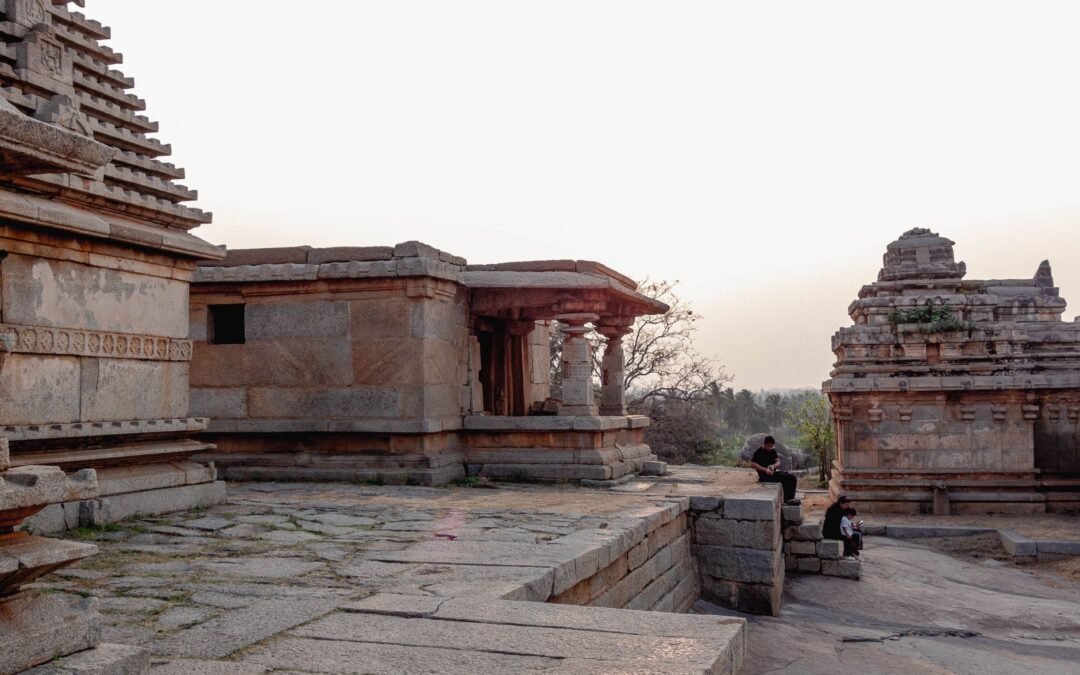
- Hampi features over 500 monuments spread across 26 square kilometers, requiring at least 2-3 days for thorough exploration
- The best time to visit is October to February when temperatures are pleasant for outdoor monument exploration
- Hiring a bicycle or scooter is the most convenient way to navigate between the widespread ruins and temple complexes
- Entry to most monuments is free, but Vitthala Temple and Zenana Enclosure charge nominal fees of Rs. 40 for Indians
- Sunset at Hemakuta Hill and sunrise at Matanga Hill offer spectacular panoramic views of the boulder-strewn landscape
Introduction
Stepping into the Hampi ruins is like walking through the pages of an epic mythological tale frozen in stone. This UNESCO World Heritage Site, sprawled across 4,100 hectares of boulder-strewn landscape in northern Karnataka, represents the magnificent remnants of Vijayanagara, once one of the wealthiest and largest cities in the world during the 14th century. The Hampi ruins aren’t just archaeological remains—they’re a living testament to a glorious empire that commanded respect across Asia, traded with distant lands, and created architectural marvels that continue to astound visitors centuries after the empire’s fall.
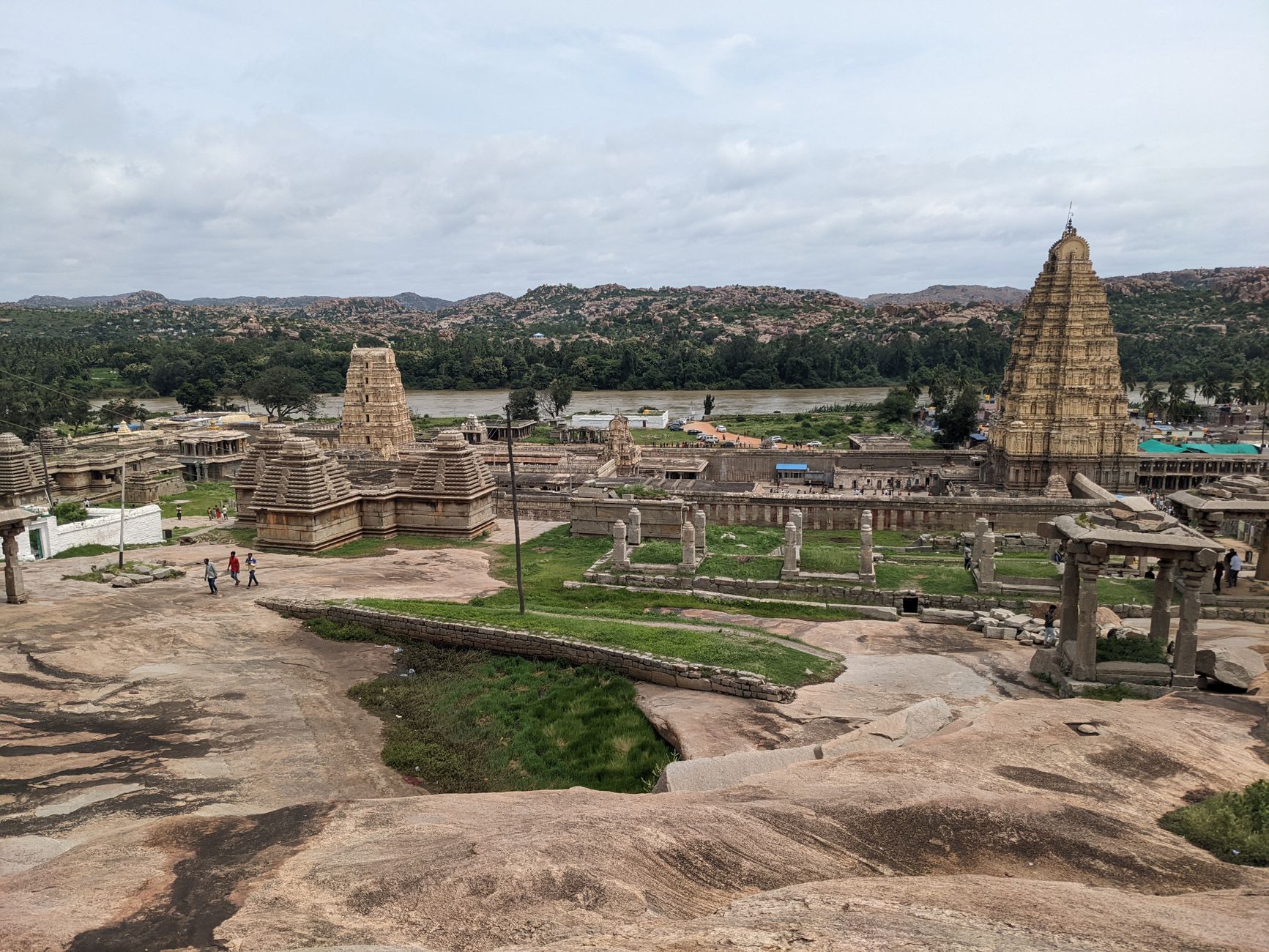
What makes Hampi extraordinary is the surreal juxtaposition of its setting. Massive granite boulders, seemingly stacked by giants, form a dramatic backdrop to intricately carved temples, royal pavilions, ancient bazaars, and sacred monuments. The Tungabhadra River meanders through this landscape, adding a serene counterpoint to the rugged terrain. Every corner of Hampi tells a story—of powerful kings and dedicated artisans, of religious devotion and military might, of bustling markets and grand celebrations.
For travellers seeking something beyond the typical tourist circuit, Hampi offers an unmatched experience. Whether you’re a history enthusiast, photography lover, spiritual seeker, or adventure traveller, this ancient city has something to captivate your imagination. The combination of more than 1,600 surviving monuments, stunning sunrises and sunsets, boulder climbing opportunities, and a relaxed backpacker vibe makes Hampi one of India’s most compelling destinations.
Quick Facts About Hampi ruins
| Aspect | Details |
|---|---|
| Altitude | 467 meters (1,532 feet) above sea level |
| Best Time to Visit | October to February |
| Distance from Nearest City | Hospet – 13 km, Bellary – 64 km |
| Nearest Airport | Vidyanagar Airport (Bellary) – 40 km, Hubli Airport – 144 km, Bengaluru – 340 km |
| Permits Required | No special permits; entry tickets for specific monuments |
| Temperature Range | Summer: 25°C-40°C, Winter: 15°C-30°C, Monsoon: 22°C-32°C |
| Approx Budget per Day | ₹800-₹2,500 (budget to mid-range traveller) |
Why Visit Hampi ruins
Hampi’s uniqueness lies in its perfect storm of history, architecture, geology, and atmosphere. This was the capital of the Vijayanagara Empire, which at its zenith in the early 16th century controlled most of southern India. Persian and European travelers who visited Hampi described it as one of the most magnificent cities they’d ever seen, rivaling Rome in grandeur. The city’s wealth came from the cotton and spice trade, and its prosperity is evident in the sheer scale and artistic sophistication of its monuments.
The architectural diversity is staggering. You’ll find Dravidian temple architecture at its finest in the Virupaksha Temple, which has been in continuous worship for over 700 years. The Vittala Temple complex showcases the pinnacle of Vijayanagara artistry with its famous stone chariot and musical pillars that produce distinct notes when tapped. The Lotus Mahal demonstrates Indo-Islamic architectural fusion, while the Elephant Stables show the empire’s attention to detail even in functional buildings. Each structure tells a different story about the empire’s cultural sophistication and cosmopolitan outlook.
Beyond the monuments, Hampi’s geological landscape is unlike anywhere else on Earth. The massive granite boulders, some balanced precariously atop one another, create an otherworldly atmosphere. Geologists believe these formations are over 3 billion years old, making them among the oldest exposed rock formations on the planet. For rock climbing enthusiasts, Hampi has become a premier bouldering destination, offering hundreds of routes across different difficulty levels. The combination of ancient history and natural wonder creates a setting that’s simultaneously mystical and grounding.
Hampi also offers an intangible quality that’s hard to articulate but impossible to miss—a certain energy that comes from centuries of spiritual practice and historical significance. The area remains sacred to Hindus as it’s believed to be Kishkinda, the monkey kingdom mentioned in the Ramayana. The continuing religious practices, combined with the peaceful pace of life and the warm hospitality of locals, create an atmosphere that encourages contemplation and connection.
How to Reach Hampi ruins
By Air: The nearest functional airport is Hubli Airport (Hubli-Dharwad), located 144 km from Hampi, with regular flights from Bengaluru. A taxi from Hubli to Hampi costs approximately ₹2,500-₹3,500 and takes about 3 hours. Vidyanagar Airport in Bellary (40 km away) has limited connectivity. Most travelers opt to fly into Bengaluru’s Kempegowda International Airport (340 km away), which has excellent domestic and international connectivity. From Bengaluru, you can hire a taxi for ₹4,500-₹6,500 or take a bus.
By Train: Hospet Junction (officially Hosapete) is the nearest major railway station, just 13 km from Hampi. It’s well-connected to Bengaluru (8-10 hours), Goa (9-11 hours), Hyderabad (10-12 hours), and other major cities. From Hospet, auto-rickshaws charge ₹250-₹350 for the journey to Hampi, while local buses cost around ₹20-₹30. Some trains also stop at Ginigera, which is slightly closer but has fewer connections.
By Bus: Karnataka State Road Transport Corporation (KSRTC) and private operators run regular buses to Hospet from Bengaluru (₹500-₹800, 8-9 hours), Goa (₹400-₹700, 8-10 hours), Hyderabad (₹600-₹1,000, 10-12 hours), and Mangalore (₹600-₹900, 10-11 hours). Overnight Volvo sleeper buses are popular for the Bengaluru-Hospet route. Direct buses to Hampi are limited, so most travelers go to Hospet first and then transfer.
By Car: The road journey from Bengaluru takes approximately 6-7 hours via NH48 and NH50, covering 340 km. From Goa, it’s 330 km via NH748 and NH50 (approximately 7-8 hours). The roads are generally in good condition, making self-drive or hired car a comfortable option. Expect fuel and toll costs of around ₹2,500-₹3,500 from Bengaluru.
Best Time to Visit Hampi ruins
October to February (Peak Season): This is undoubtedly the best time to explore Hampi. The weather is pleasant with daytime temperatures ranging from 20°C to 30°C and cool evenings perfect for monument exploration. November sees the spectacular Hampi Utsav (usually in the first week of November), a three-day cultural festival featuring classical music, dance performances, puppet shows, and fireworks against the backdrop of illuminated monuments. December and January are the busiest months, so book accommodation in advance. All monuments are accessible, and outdoor activities like boulder climbing and coracle rides are most enjoyable.
March to May (Summer): Temperatures soar to 35°C-40°C, making midday exploration quite challenging. However, this is when you’ll find the fewest crowds and the best accommodation deals (discounts of 30-40%). Early morning and late afternoon visits to monuments are still feasible. Carry plenty of water, sunscreen, and a hat. The landscape turns golden-brown, creating dramatic photography opportunities, especially during sunrise and sunset. Budget travelers and those who don’t mind heat can save significantly during these months.
June to September (Monsoon): Hampi receives moderate rainfall (average 50-60 cm annually), transforming the barren landscape into lush greenery. The Tungabhadra River flows fuller, and small waterfalls appear among the boulders. Temperatures are moderate (22°C-32°C), but humidity can be high. Some boulder climbing activities may be restricted due to slippery rocks. Accommodation rates are at their lowest, and the monsoon atmosphere adds a mystical quality to the ruins. However, plan for intermittent rain and carry waterproof gear. Monument visits remain possible between showers.
Top Things to Do in Hampi ruins
Explore the Virupaksha Temple Complex
This functioning temple dedicated to Lord Shiva has been a pilgrimage site for over 1,300 years, making it one of India’s oldest active temples. The 50-meter-tall gopuram (gateway tower) dominates the skyline and can be spotted from virtually anywhere in Hampi. Inside, don’t miss the optical phenomenon in a small chamber where an inverted image of the gopuram is naturally projected on a wall through a pinhole—an ancient camera obscura effect. The temple comes alive during evening aarti, and the street leading to it, once the grand bazaar, still bustles with life.
Marvel at the Vittala Temple and Stone Chariot
Considered the zenith of Vijayanagara architecture, the Vittala Temple complex (entry ₹600 for foreigners, ₹40 for Indians) is Hampi’s crown jewel. The iconic stone chariot, carved from a single boulder, has become the symbol of Karnataka tourism itself. The temple’s musical pillars produce different musical notes when tapped gently (though this is now prohibited to prevent damage). The mandapas (halls) feature intricate carvings depicting scenes from Hindu mythology, with such detailed craftsmanship that you can spend hours examining the artistry. Visit early morning to avoid crowds and harsh sunlight.
Climb Matanga Hill for Sunrise
The 30-minute climb up 575 steps to Matanga Hill’s summit rewards you with the most spectacular panoramic view of Hampi. At sunrise, the first rays illuminate the boulder landscape and temple spires, creating a magical atmosphere that’s worth the early wake-up call. This is the highest point in Hampi, offering 360-degree views. The ancient Veerabhadra Temple sits at the summit, and the peaceful morning atmosphere makes it perfect for meditation or simply absorbing the grandeur of this historical landscape.
Cross the River to Anegundi
Take a coracle (round basket boat) ride across the Tungabhadra River (₹20-₹30) to reach Anegundi, believed to be even older than Hampi and identified as Kishkinda from the Ramayana. This quieter area offers banana plantations, ancient temples like Hanuman Temple atop Anjaneya Hill (birthplace of Hanuman according to legend), and a more laid-back atmosphere. The coracle ride itself is an experience—these traditional boats made of bamboo and buffalo hide have been used here for centuries. You can rent bicycles on the other side (₹50-₹100 per day) to explore the rural landscape and lesser-known monuments.
Discover the Royal Enclosure
This fortified area housed the empire’s administrative and royal residential structures. The Lotus Mahal, with its elegant symmetrical design blending Hindu and Islamic architectural styles, stands remarkably preserved. Nearby, the massive Elephant Stables—an 80-meter-long building with 11 domed chambers—showcases how even functional structures received architectural attention. The stepped tank (Pushkarani), underground chambers with advanced cooling systems, and the platform where the king watched processions and festivals all provide glimpses into royal life during Vijayanagara’s golden age.
Try Boulder Climbing
Hampi has gained international recognition as a world-class bouldering destination, with routes ranging from beginner-friendly to extremely challenging. The granite boulders offer excellent friction, and the problems (climbing routes) are scattered throughout the landscape, often near ancient monuments. Several climbing schools operate in Hampi, offering gear rental (₹300-₹500 per day) and guided sessions (₹1,500-₹2,500 per day). Even if you’re not a serious climber, scrambling up easier boulders provides unique perspectives of the ruins and is immensely satisfying. The climbing season runs from October to March when temperatures are manageable.

Where to Stay in Hampi ruins
Budget Options (₹300-₹1,000 per night): Hampi’s backpacker scene thrives in the Hampi Bazaar area and across the river in Virupapur Gaddi (Hippie Island). Gopi Guesthouse in Hampi Bazaar offers clean rooms with basic amenities for ₹400-₹700, with rooftop views of Virupaksha Temple. Shanthi Guesthouse in Virupapur Gaddi provides rustic cottages (₹500-₹800) amid banana plantations with river views. Ranjana Guest House near the bus stand has budget rooms (₹350-₹600) and helpful staff who arrange tours and rentals. These typically offer simple, clean rooms with fans, shared or attached bathrooms, and a friendly atmosphere perfect for meeting fellow travelers.
Mid-Range Options (₹1,200-₹3,500 per night): For more comfort without breaking the bank, consider Mowgli Guesthouse (₹1,500-₹2,500), which offers well-appointed rooms with AC, hot water, and an excellent multi-cuisine restaurant. Hotel Malligi in Hospet (₹2,000-₹3,000) is a reliable choice with modern amenities, swimming pool, and organized tours to Hampi. Clarks Inn Hampi (₹2,500-₹3,500) provides contemporary rooms with all modern facilities and is located conveniently for monument access. These options include amenities like AC, television, reliable Wi-Fi, and in-house dining.
Splurge Options (₹4,000-₹12,000 per night): Evolve Back Kamalapura Palace (formerly Orange County, ₹8,000-₹12,000) is Hampi’s premier luxury property, featuring opulent rooms designed in Vijayanagara architectural style, swimming pools, spa services, and fine dining. Each cottage is named after a ruler and decorated with period-appropriate furnishings. Heritage Resort Hampi (₹4,000-₹7,000) offers comfortable cottages with modern amenities in a peaceful setting with gardens and a pool. Kishkinda Heritage Resort (₹5,000-₹8,000) provides upscale accommodation with cultural programs, nature walks, and excellent dining options.
Local Food & Cuisine
Hampi’s culinary scene reflects its role as a long-time pilgrimage site and its more recent incarnation as a backpacker haven. Being a temple town, pure vegetarian food dominates, though some restaurants across the river serve non-vegetarian dishes. The local North Karnataka cuisine features robust flavors, with jowar (sorghum) and bajra (pearl millet) rotis being staples alongside rice.
Must-Try Dishes: Jolada Rotti with Ennegai (jowar flatbread with stuffed brinjal curry) represents authentic North Karnataka cuisine—the nutty flatbread paired with spicy, tangy stuffed eggplant is both filling and flavorful. Bisi Bele Bath, a spicy rice-lentil-vegetable dish with ghee, is comfort food at its finest and available everywhere. Gongura Chutney made from sorrel leaves offers a distinctive sour-spicy taste that grows on you. For breakfast, try Masala Dosa at any local eatery—crispy, enormous, and served with multiple chutneys and sambar for ₹40-₹80.
Recommended Eateries: Mango Tree in Virupapur Gaddi (₹150-₹350 per person) is legendary among travelers, offering delicious food served on cushioned seating under actual mango trees with views of paddy fields. Their thalis and Israeli cuisine are particularly popular. Laughing Buddha, also in Virupapur Gaddi (₹150-₹300), serves excellent wood-fired pizzas, pasta, and Middle Eastern dishes alongside Indian options in a relaxed garden setting. Tamarind Tree near Virupaksha Temple (₹100-₹250) offers authentic South Indian meals, with their thalis being exceptional value and taste. For quick snacks and genuine local experience, Suresh Tiffin Room near the bus stand (₹30-₹100) serves outstanding breakfast items—their idli-vada-sambar combo is legendary among locals and costs just ₹50.

Practical Travel Tips for Hampi ruins
Permits and Entry Fees: No special permits are required to visit Hampi. However, major monuments charge entry fees: Vittala Temple complex costs ₹600 for foreigners and ₹40 for Indian nationals, while the Royal Enclosure costs ₹500 for foreigners and ₹40 for Indians. A composite ticket covering multiple monuments is available at ₹600 for foreigners. Virupaksha Temple has a nominal entry fee of ₹5. Archaeological Survey of India (ASI) monuments are open from sunrise to sunset. Keep your tickets as they’re sometimes checked multiple times.
Mobile Network and Connectivity: Airtel and Jio have the most reliable coverage in Hampi. BSNL works adequately, while Vodafone-Idea can be patchy. Internet speeds are generally moderate (3G/4G available but not always fast). Many guesthouses and restaurants offer Wi-Fi, though it’s not always speedy or reliable. Download offline maps before arriving, as network issues can hamper navigation.
Banking and ATMs: ATMs are available in Hampi Bazaar (State Bank of India, Syndicate Bank) and more reliably in Hospet. However, ATMs in Hampi frequently run out of cash, especially on weekends and holidays. Withdraw sufficient cash in Hospet before reaching Hampi. Most budget accommodations and small eateries accept only cash. Some mid-range and upscale places accept cards and digital payments, but don’t rely on it.
Medical Facilities: Basic medical facilities are available at the Hampi Health Centre near the Archaeological Museum. For serious medical issues, you’ll need to go to Hospet, which has several hospitals including KIMS Hospital and SDM Hospital. Carry a basic first-aid kit, any prescription medications, and medicines for common ailments like stomach upset, headaches, and fever. The sun can be harsh—carry ORS packets to prevent dehydration.
What to Pack: Comfortable walking shoes are essential as you’ll walk several kilometers daily over uneven terrain. Carry a good hat, sunglasses, and high-SPF sunscreen. Modest clothing is appropriate, especially when visiting temples—avoid shorts and sleeveless tops. A flashlight is useful for exploring some monuments and for power cuts. A refillable water bottle helps reduce plastic waste. A light backpack for carrying essentials during day exploration is practical. Between October and February, bring a light jacket for early mornings and evenings.
Safety and Security: Hampi is generally very safe for travelers, including solo female travelers. However, take standard precautions: don’t venture into isolated areas alone after dark, keep valuables secured, and be cautious when accepting help from strangers. The boulder areas can be dangerous—watch your step and don’t attempt risky climbs without proper equipment. Monkeys around temples can be aggressive if they see food—keep snacks hidden and don’t feed them. During monsoons, boulders become slippery and flash floods can occur in low-lying areas.
Responsible Tourism: Hampi’s monuments have survived centuries but are vulnerable to modern tourism pressures. Don’t touch or climb on ancient structures, don’t write or scratch names on monuments, and never litter. The ban on climbing certain monuments exists for preservation reasons—respect it. Plastic bags are officially banned in Hampi—carry cloth bags. Be respectful in temples by dressing modestly and removing shoes. Support local artisans and eateries rather than just international chains. If hiring a guide, choose one certified by the Archaeological Survey of India to ensure accurate historical information and support legitimate local employment.
Final Thoughts
The Hampi ruins represent more than just stones and structures—they’re a portal to one of India’s most fascinating historical periods. Walking through the ancient bazaar streets where merchants from Persia and Portugal once traded, standing beneath temple towers that have witnessed centuries of devotion, and watching the sun set over a landscape of boulders and ruins creates a profound connection to the past. The Vijayanagara Empire may have fallen in 1565, but its spirit lives on in these magnificent remnants, telling stories of human ambition, artistic excellence, and cultural sophistication.
Whether you spend three days or three weeks in Hampi, you’ll leave with a sense that you’ve only scratched the surface. The combination of archaeological wonder, natural beauty, spiritual atmosphere, and warm local hospitality creates an experience that stays with you long after you’ve left. Start planning your journey to Hampi—where every boulder has a story, every temple echoes with ancient prayers, and every sunrise reveals the glory of a civilization that once illuminated the world. This isn’t just a destination to visit; it’s a living museum to explore, an outdoor adventure to embrace, and a timeless story to become part of.
- Start your exploration early at 6 AM to avoid crowds at Virupaksha Temple and catch the magical morning light on the monuments
- Cross the Tungabhadra River by coracle boat to reach Anegundi village for fewer tourists and authentic heritage homestays
- Carry sufficient water and snacks as there are limited food options within the monument zone, especially between Vittala Temple and Royal Enclosure
- Book ASI-approved guides at the ticket counter for Rs. 500-800 who provide historical context that significantly enhances the experience
- Avoid visiting during Vijaya Utsav festival in November unless you book accommodation months in advance as prices triple and availability drops
Frequently Asked Questions about Hampi ruins
The best time to visit Hampi ruins is from October to February when the weather is pleasant with temperatures ranging from 15°C to 30°C. During these winter months, you can comfortably explore the sprawling 4,100-hectare UNESCO World Heritage Site without the extreme heat of summer which can reach up to 40°C.
Hampi is located 13 km from Hospet, the nearest city, and 64 km from Bellary. The nearest airports are Vidyanagar Airport in Bellary (40 km away), Hubli Airport (144 km), and Bengaluru (340 km), making it accessible from multiple entry points.
No special permits are required to visit Hampi ruins. You only need to purchase entry tickets for specific monuments within the archaeological site, making it easily accessible for all travelers.
A budget to mid-range traveler can expect to spend approximately ₹800-₹2,500 per day in Hampi. This covers accommodation, food, local transport, and entry fees to monuments, making it an affordable destination for most travelers.
Hampi has more than 1,600 surviving monuments spread across its vast landscape. These include intricately carved temples, royal pavilions, ancient bazaars, and sacred monuments that represent the magnificent remnants of the Vijayanagara Empire from the 14th century.
Hampi’s uniqueness lies in its surreal landscape of massive granite boulders forming a dramatic backdrop to ancient temples and monuments, combined with its rich history as the capital of the Vijayanagara Empire. The site offers a perfect combination of history, architecture, geology, spiritual experiences, and adventure activities like boulder climbing, catering to diverse traveler interests.