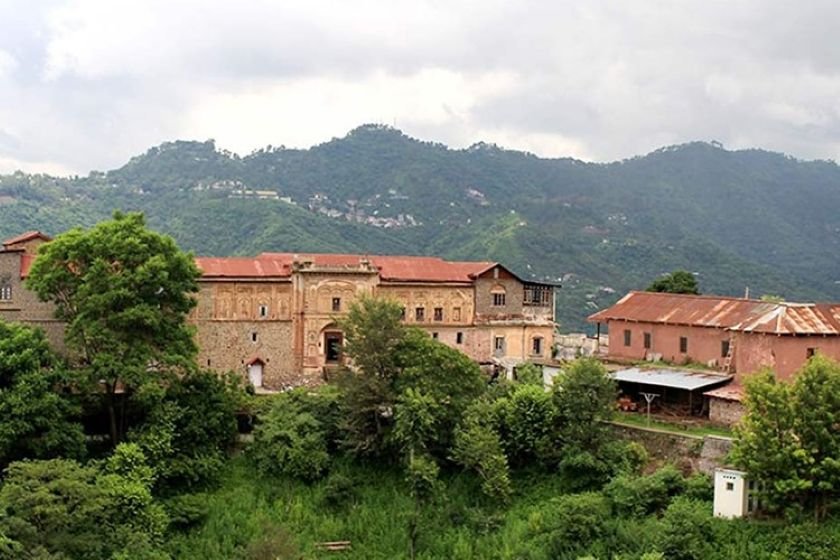
Kuthar Fort is one of the most interesting heritage places in Solan district of Himachal Pradesh. Located near Subathu and Kasauli, this old hill fort is known for its age, peaceful surroundings, traditional architecture, freshwater springs, and quiet royal history. It is not as crowded as Kasauli or other popular hill stations nearby, which makes it a good hidden gem for travellers who enjoy heritage places away from the usual tourist rush.
The fort sits in a beautiful lower-Himalayan setting, surrounded by hills, greenery, village roads, and calm views. For people travelling between Solan, Kasauli, Subathu, Kunihar, or Arki, Kuthar Fort can be a meaningful stop. It gives a glimpse of Himachal’s old princely past without the heavy commercial feeling of a regular tourist attraction.
Quick Information About Kuthar Fort
| Detail | Information |
|---|---|
| Place | Kuthar Fort |
| District | Solan, Himachal Pradesh |
| Near | Subathu, Kasauli, Kunihar |
| Best Known For | Old fort, royal history, hill views, springs, peaceful surroundings |
| Approximate Distance from Solan | Around 34 km |
| Ideal Visit Duration | 1 to 2 hours |
| Best Time to Visit | October to March |
| Suitable For | Heritage lovers, families, photographers, offbeat travellers |
| Travel Type | Hidden Gem / Heritage Fort / Offbeat Historical Place |
Why Kuthar Fort is a Hidden Gem
Kuthar Fort is a hidden gem because it is close to famous places like Kasauli and Subathu, but still does not receive the same attention. Many travellers visit Kasauli for cafés, churches, nature walks, and viewpoints, but only a few continue towards Kuthar to explore this old fort.
The charm of Kuthar Fort is not in loud tourist activity. Its beauty is in the old walls, quiet courtyards, traditional hill architecture, and the peaceful atmosphere around the fort. It feels different from a modern sightseeing point because it still carries a sense of age and local history.
This is the kind of place where you do not need to rush. A slow walk, a look at the old structure, and some time in the surroundings are enough to understand why Kuthar Fort deserves attention.
History of Kuthar Fort
Kuthar Fort is believed to be several centuries old, with some parts of the structure associated with an age of around 800 years. The fort was connected with the old Kuthar princely state, also known historically as Krishangarh.
Like many hill forts of Himachal, Kuthar Fort was not only a residence but also a symbol of local authority and protection. Such forts were usually built in strategic hill locations where rulers could control nearby routes, watch the surrounding region, and maintain their administrative presence.
Over time, different sections of the fort were built and modified. This is why the fort does not look like a single-period structure. It reflects layers of history, with older sections, later additions, courtyards, rooms, and traditional hill-style features.
Architecture and Fort Layout
Kuthar Fort has a traditional hill-fort character. It includes old stone and wooden elements, arches, rooms, courtyards, and open spaces that reflect the architecture of the region.
Unlike grand palace forts of Rajasthan, Kuthar Fort has a quieter and more local personality. Its design suits the hill environment. The fort feels rooted in the landscape rather than separate from it.
One of the interesting things about Kuthar Fort is that it has both heritage and natural charm. The structure is surrounded by greenery, and the setting gives the fort a calm and slightly forgotten feeling. This makes it attractive for photography and slow exploration.
Freshwater Springs Inside the Fort Area
Kuthar Fort is also known for freshwater springs within its surroundings. In older times, water sources were extremely important for forts and settlements. A fort with natural water access had practical value, especially in hill regions where reliable water was necessary for daily life and security.
These springs add another layer to the identity of Kuthar Fort. They show how old forts were planned not only for defence or status, but also for survival and long-term use.
The Royal and Heritage Feel
Kuthar Fort once had a royal connection with the local ruling family of the region. Even today, the place carries that heritage mood. The fort may not be heavily promoted like a major monument, but its atmosphere still speaks of a time when small hill states had their own courts, rulers, customs, and local influence.
For visitors, this royal feel is not shown through luxury or grandeur alone. It comes through the structure, the setting, the quiet spaces, and the old-world charm of the place.
What to See at Kuthar Fort
Kuthar Fort is best explored through its old architecture, courtyards, passages, views, and natural surroundings. Visitors can walk through the fort area, observe the stonework and design, and spend time understanding the place slowly.
The fort is also a good spot for photography. The old walls, hill backdrop, wooden details, and peaceful environment make it suitable for heritage-style photographs.
If you enjoy places that still feel authentic and less crowded, Kuthar Fort will feel more rewarding than a regular tourist viewpoint.
Best Time to Visit Kuthar Fort
The best time to visit Kuthar Fort is from October to March, when the weather is pleasant for walking and exploring.
Spring and early summer can also be good, especially if you are already travelling around Kasauli, Solan, or Subathu. During peak summer, the lower hills can feel warm in the afternoon, so morning or evening visits are better.
Monsoon brings greenery to the region, but roads and walking areas may become slippery. If you visit during the rainy season, travel carefully and avoid unnecessary risk around old structures.
How to Reach Kuthar Fort
Kuthar Fort is located in Solan district and is best reached by road. It can be included in a short trip from Solan, Kasauli, Subathu, Kunihar, or Arki.
From Solan
Solan is one of the main access points for Kuthar Fort. The fort is around 34 km from Solan, and the drive passes through the lower hill landscape of the district.
From Kasauli
Kasauli is a popular nearby hill station. Travellers staying in Kasauli can plan a half-day offbeat trip to Kuthar Fort, especially if they want to explore something historical beyond the usual Kasauli attractions.
From Subathu
Subathu is another important nearby place. The route from Subathu towards Kuthar gives a peaceful hill-drive experience and can be combined with other local heritage points.
From Chandigarh
Travellers coming from Chandigarh can reach Kuthar Fort via the Solan-Kasauli side, depending on the route chosen. It can be planned as a day trip, but starting early is better.
Suggested Half-Day Plan
Start from Solan, Kasauli, or Subathu in the morning and drive towards Kuthar Fort. Spend time exploring the fort area, old courtyards, springs, and surrounding views.
After the visit, you can continue towards Subathu, Kunihar, or Kasauli depending on your travel route. This makes Kuthar Fort a good addition to a short heritage and offbeat circuit in Solan district.
Nearby Places to Visit
Kuthar Fort can be combined with several nearby places if you are planning a one-day route around Solan and Kasauli.
Subathu
Subathu is known for its cantonment history and old Gurkha connection. It is a quiet place compared to Kasauli and works well with a Kuthar Fort visit.
Kasauli
Kasauli is one of the most popular hill stations near Kuthar. Christ Church, Mall Road, Gilbert Trail, and sunset viewpoints can be included if you want a more complete travel day.
Kunihar
Kunihar is another old settlement in the region and can be added to a heritage-style route. The area has old-state history and a slower hill-town character.
Arki
Arki is known for its palace, paintings, and historical importance. If you are interested in heritage, Arki and Kuthar can be planned together on a longer route.
Travel Tips for Kuthar Fort
Wear comfortable footwear because exploring a fort usually involves walking on uneven surfaces, steps, or old pathways.
Carry drinking water and light snacks, especially if you are visiting with family. Do not expect a large tourist market around the fort.
Respect the heritage structure. Avoid writing on walls, damaging old sections, climbing unsafe parts, or leaving waste behind.
If any section of the fort is private, restricted, or under maintenance, follow local instructions. Heritage places should be explored with care and respect.
Photography is usually one of the best parts of visiting Kuthar Fort, but be mindful of private areas and local rules.
Who Should Visit Kuthar Fort?
Kuthar Fort is ideal for travellers who enjoy history, architecture, photography, old hill routes, and quiet places. It is especially good for people who are already visiting Kasauli or Solan and want to add something different to their trip.
It may not be the right place for visitors looking for adventure activities, nightlife, luxury cafés, or highly developed tourist facilities. Kuthar Fort is more about heritage, atmosphere, and slow travel.
Final Words
Kuthar Fort is a beautiful hidden gem in Solan district. It has history, architecture, natural surroundings, and a calm hill setting that makes it different from the more crowded places nearby.
For travellers exploring Kasauli, Subathu, Kunihar, Solan, or Arki, this fort is worth adding to the route. It gives a quiet glimpse into Himachal’s princely past and reminds us that some of the best places are not always the most famous ones.
Kuthar Fort is not just an old structure. It is a peaceful heritage corner where history, hills, and silence come together.