Kamru Fort is one of the most beautiful heritage gems of Kinnaur district in Himachal Pradesh. Located above Sangla village in the Baspa Valley, this old wooden fort is known for its traditional architecture, royal history, Kamakhya Devi Temple, apple orchards, village lanes, and wide views of the surrounding mountains.
Kamru is not just a fort visit. It is a complete village experience. The walk to the fort passes through old houses, narrow lanes, fields, gates, wooden structures, and temple spaces. The place carries the old character of Kinnaur, where Hindu and Buddhist influences, local devta traditions, royal history, and mountain architecture come together beautifully.
For travellers exploring Sangla, Chitkul, Rakcham, Kalpa, or the wider Kinnaur route, Kamru Fort is a must-visit hidden heritage stop.
Quick Information About Kamru Fort
| Detail | Information |
|---|---|
| Place | Kamru Fort |
| Village | Kamru |
| District | Kinnaur, Himachal Pradesh |
| Near | Sangla |
| Valley | Baspa Valley |
| Best Known For | Wooden fort, Kamakhya Devi Temple, Kinnauri architecture, royal history, village walk |
| Approximate Elevation | Around 2,600 to 2,900 metres |
| Approximate Distance from Sangla | Around 2 km |
| Ideal Visit Duration | 1 to 2 hours |
| Best Time to Visit | April to October |
| Suitable For | Heritage lovers, families, photographers, culture travellers |
| Travel Type | Hidden Gem / Heritage Fort / Kinnauri Village Experience |
Why Kamru Fort is a Hidden Gem
Kamru Fort is a hidden gem because many travellers visit Sangla Valley only for scenic views, Chitkul, and riverside stays, but they often miss the deeper cultural side of Kamru village. The fort stands quietly above Sangla and gives visitors a direct connection with the old history of Kinnaur.
The experience is very different from a normal tourist monument. You do not simply park near a gate and enter a fort. You walk through a traditional village, cross old gateways, pass wooden houses, and slowly reach the fort area. This makes the visit feel personal and rooted in local life.
Kamru Fort is not loud or heavily commercial. Its beauty lies in its wooden structure, sacred temple space, village setting, mountain backdrop, and the old-world atmosphere of Kinnaur.
History of Kamru Fort
Kamru Fort is closely connected with the old rulers of Kinnaur and the Bushahr kingdom. The fort is often remembered as an old seat of power before the ruling centre shifted towards other parts of the region.
The fort was built in the traditional hill style using wood and stone. Such structures were designed to suit the mountain climate and seismic conditions of the region. The layered wooden work, stone base, and tower-like form give Kamru Fort a strong Kinnauri identity.
Even today, the fort is important not only as a historical structure but also as a sacred and cultural place for the local community.
Architecture of Kamru Fort
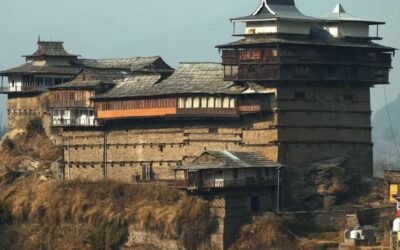
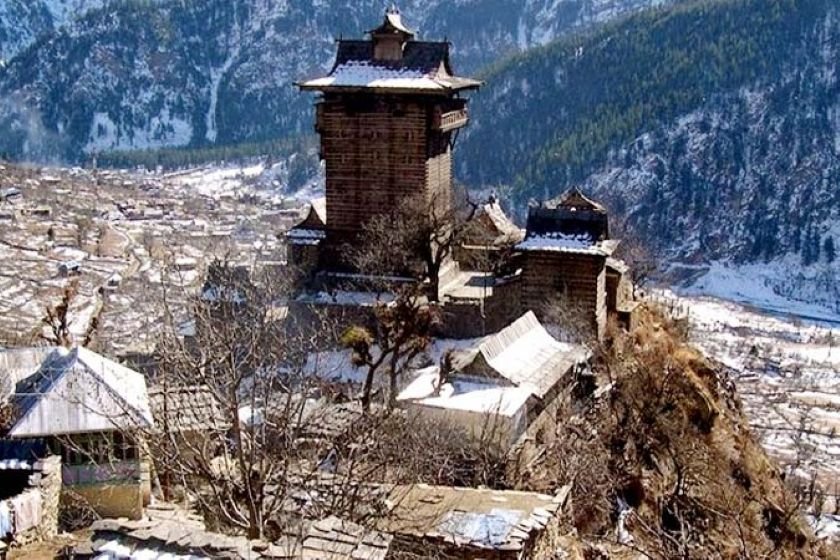
The architecture of Kamru Fort is one of its biggest attractions. The structure rises in a tower-like form and reflects the traditional wood-and-stone building style of the region. This style is practical, beautiful, and deeply connected with Himalayan construction knowledge.
The wooden details, carved elements, sloping roofs, stone sections, and compact form make the fort visually striking. It does not look like the large stone forts of Rajasthan or the palace complexes of bigger kingdoms. Kamru Fort has a mountain character — vertical, strong, detailed, and closely tied to the village.
For photographers and heritage lovers, the fort offers a wonderful example of traditional Kinnauri craftsmanship.
Kamakhya Devi Temple
Inside the Kamru Fort complex, the most important religious place is the Kamakhya Devi Temple. The temple is dedicated to Kamakhya Devi, and local belief connects the deity with Assam’s famous Kamakhya tradition.
The temple gives Kamru Fort a strong sacred identity. For local people, this is not only a heritage monument but also a living place of worship. Visitors should behave respectfully and follow local instructions while entering the temple area.
In some cases, visitors may be asked to wear a traditional cap or tie a cloth before entering the sacred space. These local customs should be followed with respect.
Buddha Image at the Entrance
One of the interesting features of Kamru Fort is the presence of a Buddha image at the main wooden gate. This shows the cultural blend of Kinnaur, where Hindu, Buddhist, and local mountain traditions have lived together for centuries.
This mix is one of the most special things about Kinnaur. The region stands at a cultural meeting point between the lower Himalayan Hindu belt and the trans-Himalayan Buddhist world. Kamru Fort reflects that blend beautifully.
For travellers, this makes the fort more meaningful than a simple historical stop.
The Walk Through Kamru Village
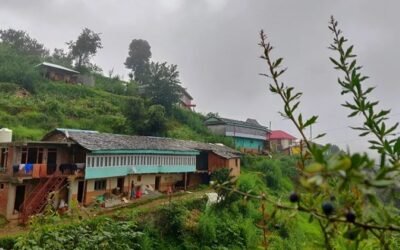
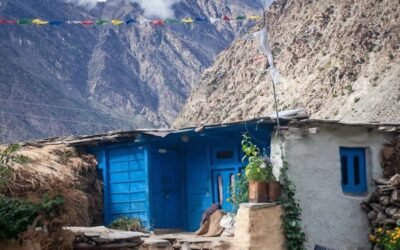
The walk to Kamru Fort is one of the best parts of the visit. The path passes through the village, where visitors can see old houses, wooden balconies, fields, local gates, and narrow lanes.
This walk gives a close view of traditional Kinnauri life. The village is surrounded by orchards and fields, with mountains rising around the valley. The approach feels slow and atmospheric, especially if you visit in the morning or late afternoon.
Walk respectfully through the village. Do not enter private homes, courtyards, fields, or orchards without permission. Ask before photographing people or private spaces.
Views from Kamru
Kamru Fort offers beautiful views of Sangla Valley and the surrounding mountains. The village sits above Sangla, so the landscape opens up nicely from different points on the way to the fort.
You can see the Baspa Valley side, village homes, fields, orchards, and high mountain slopes. During clear weather, the views are especially beautiful.
The fort and village together create a strong sense of place. It is not only about looking at the mountains, but about seeing how people have lived with these mountains for generations.
Best Time to Visit Kamru Fort
The best time to visit Kamru Fort is from April to October. During these months, the weather is generally more suitable for road travel, village walks, photography, and sightseeing.
April to June is pleasant, with fresh greenery and comfortable weather. September and October are especially beautiful because the skies are usually clearer and the Kinnaur landscape looks sharp and colourful.
Monsoon can bring road issues on the Kinnaur route, including landslides and delays. Travel carefully during heavy rain.
Winter can be very cold, and road access may be affected by snow or ice. Casual travellers should check conditions before planning a winter visit.
How to Reach Kamru Fort
Kamru Fort is located above Sangla village in Kinnaur district. The nearest practical base is Sangla.
From Sangla
Kamru Fort is around 2 km from Sangla. Travellers can reach Kamru village by road and then walk through the village lanes towards the fort.
The final approach may involve a short uphill walk, so comfortable footwear is recommended.
From Reckong Peo
Reckong Peo is the main district town of Kinnaur and a common travel base. From Reckong Peo, travel towards Karcham and then enter Sangla Valley. From Sangla, continue towards Kamru.
From Kalpa
Travellers staying in Kalpa can plan Kamru Fort as part of a Sangla Valley day trip. Start early so you have enough time for Sangla, Kamru, Rakcham, or Chitkul depending on your plan.
From Shimla
Travellers coming from Shimla reach Sangla through the Kinnaur route via Narkanda, Rampur, Jeori, Tapri, Karcham, and Sangla. This is a long mountain journey and should be planned as part of a multi-day Kinnaur itinerary.
Suggested Half-Day Plan
Start from Sangla and visit Kamru village in the morning. Walk slowly through the village lanes and reach Kamru Fort. Spend time around the fort complex, temple area, and viewpoints.
After visiting Kamru, return to Sangla for food or continue towards Rakcham and Chitkul if you have a full-day plan.
This half-day plan is suitable for families, heritage lovers, photographers, and travellers who want to explore the cultural side of Sangla Valley.
Nearby Places to Visit
Kamru Fort can be combined with several beautiful places in Sangla Valley and Kinnaur.
Sangla
Sangla is the main town of Baspa Valley and the nearest base for visiting Kamru Fort. It is known for river views, orchards, village life, and mountain scenery.
Bering Nag Temple
Bering Nag Temple is an important local temple in Sangla and can be included with a Kamru visit if you are interested in local faith and Kinnauri temple architecture.
Rakcham
Rakcham is a peaceful village between Sangla and Chitkul. It is known for open landscapes, Baspa River views, and calm village surroundings.
Chitkul
Chitkul is one of the most famous villages in Kinnaur and is often visited as the last inhabited village near the Indo-Tibetan border road side. It can be combined with Kamru Fort in a longer Sangla Valley itinerary.
Kalpa
Kalpa is known for its views of the Kinnaur Kailash range, apple orchards, traditional homes, and peaceful village atmosphere. It works well with a broader Kinnaur trip.
Travel Tips for Kamru Fort
Wear comfortable footwear because reaching the fort involves walking through village lanes and some uphill sections.
Respect the temple rules and local customs. Follow instructions given by local caretakers or villagers.
Do not photograph temple interiors, rituals, people, or private homes without permission.
Avoid loud music, shouting, or careless behaviour in the village and temple area.
Do not enter orchards, fields, homes, or courtyards without asking.
Carry water and light woollens because the weather can change quickly in Kinnaur.
Check Kinnaur road conditions before travelling, especially during monsoon and winter.
Keep the village clean and carry your waste back to a proper disposal point.
Who Should Visit Kamru Fort?
Kamru Fort is ideal for heritage lovers, photographers, families, culture travellers, slow travellers, and people who want to understand the old village side of Kinnaur.
It is also suitable for travellers staying in Sangla who want something more meaningful than only scenic viewpoints.
This place may not suit visitors looking for luxury cafés, nightlife, shopping streets, adventure parks, or highly commercial sightseeing. Kamru Fort is best enjoyed with patience, respect, and interest in local history.
Final Words
Kamru Fort is one of the most important hidden heritage gems of Kinnaur. With its wooden architecture, Kamakhya Devi Temple, Buddha image at the entrance, village walk, orchards, and Sangla Valley views, it offers a deep and memorable experience of Himachal Pradesh.
It is close to Sangla, but it feels like a step into older Kinnaur. The fort is not only a monument; it is part of a living village and sacred tradition.
For anyone travelling through Sangla Valley, Kamru Fort deserves a proper visit.