
- Best time for Jaisalmer desert safari is October to March when temperatures are pleasant for camel rides and overnight camping
- Sam Sand Dunes (40 km from Jaisalmer) and Khuri Sand Dunes offer authentic desert safari experiences with fewer crowds at Khuri
- Overnight desert camping with cultural performances and traditional Rajasthani dinner provides the most immersive experience
- Book desert safaris through licensed operators and avoid peak season price inflation by booking 2-3 weeks in advance
- Carry sunscreen, sunglasses, light cotton clothing, and a jacket for cold desert nights even during winter months
- Introduction
- Quick Facts About Jaisalmer desert safari
- Why Visit Jaisalmer desert safari
- How to Reach Jaisalmer desert safari
- Best Time to Visit Jaisalmer desert safari
- Top Things to Do in Jaisalmer desert safari
- Where to Stay in Jaisalmer desert safari
- Local Food & Cuisine
- Practical Travel Tips for Jaisalmer desert safari
- Final Thoughts
- Frequently Asked Questions
Introduction
The golden sands of the Thar Desert stretch endlessly under the vast Rajasthani sky, and there’s no better way to experience this magnificent landscape than through a Jaisalmer desert safari. Known as the “Golden City” for its honey-coloured sandstone architecture, Jaisalmer serves as the gateway to one of India’s most enchanting desert experiences. A safari here isn’t merely a tourist activity—it’s an immersive journey into the heart of Rajasthan’s cultural heritage, where ancient traditions blend seamlessly with the stark beauty of the desert ecosystem.
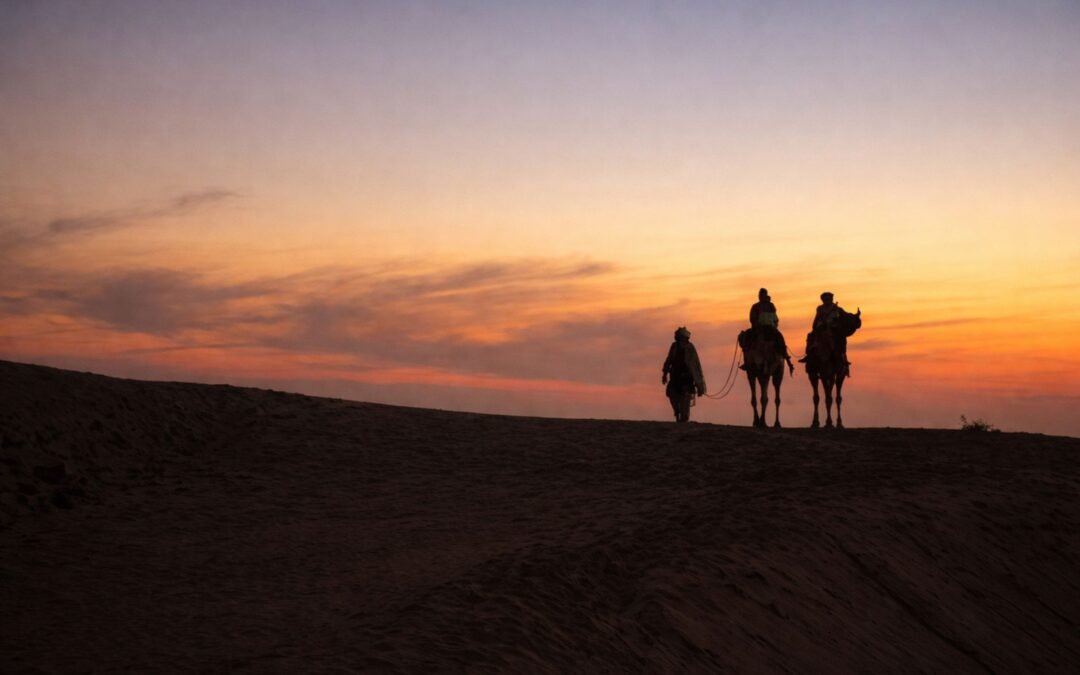
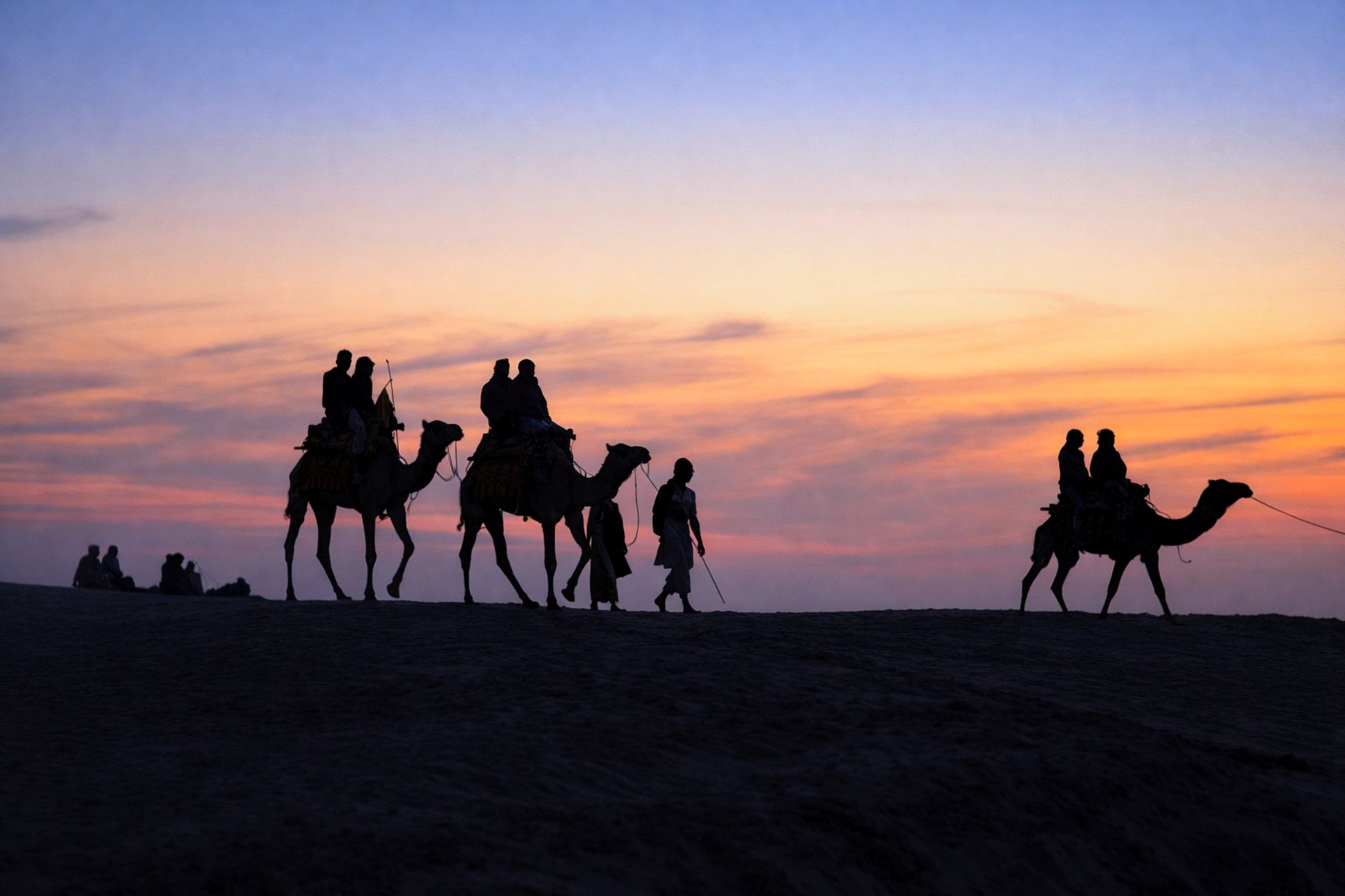
Picture yourself swaying gently atop a camel as the sun dips below the dunes, painting the sky in shades of amber, crimson, and violet. The silence of the desert is punctuated only by the rhythmic padding of camel hooves on sand and the distant notes of folk music drifting from a desert camp. This is the magic that awaits you on a Jaisalmer desert safari—an experience that has captivated travellers for generations and continues to be one of Rajasthan’s most sought-after adventures.
Whether you’re seeking adventure, cultural immersion, or simply an escape from the chaos of city life, the Jaisalmer desert safari offers something truly extraordinary. From overnight camping under star-studded skies to exhilarating dune bashing experiences, from traditional Rajasthani folk performances to intimate encounters with desert communities, this journey promises memories that will last a lifetime.
Quick Facts About Jaisalmer desert safari
| Feature | Details |
|---|---|
| Altitude | 229 meters (751 feet) above sea level |
| Best Time to Visit | October to March (winter season) |
| Distance from Nearest City | Jodhpur: 285 km, Bikaner: 333 km |
| Nearest Airport | Jaisalmer Airport: 5 km (limited connectivity); Jodhpur Airport: 285 km (well-connected) |
| Permits Required | None for general safari; special permits for restricted areas near border (₹500-1000) |
| Temperature Range | Winter: 7°C to 24°C; Summer: 24°C to 42°C |
| Approx Budget per Day | ₹2,000 – ₹8,000 (depending on accommodation and safari type) |
Why Visit Jaisalmer desert safari
The Jaisalmer desert safari stands apart from other desert experiences in India and across Asia for several compelling reasons. First and foremost, the Sam Sand Dunes, located 42 km from Jaisalmer city, offer some of the most photogenic and pristine desert landscapes in the country. Unlike many commercialized desert destinations, portions of the Thar Desert around Jaisalmer still retain their raw, untamed character, with sweeping dunes reaching heights of up to 30-60 meters that create an undulating golden sea stretching to the horizon.
What truly distinguishes this safari is its authentic cultural dimension. The desert is home to communities like the Bhils and Rajputs who have inhabited these harsh lands for centuries, developing unique lifestyles perfectly adapted to desert conditions. During your safari, you’ll have opportunities to visit traditional villages, witness age-old crafts like weaving and pottery, and interact with families who still practice pastoral nomadism. The experience of sharing chai with a desert family in their modest dwelling, listening to stories passed down through generations, offers insights no guidebook can provide.
The region’s biodiversity is another unexpected treasure. The Desert National Park, spanning 3,162 square kilometers, is home to the endangered Great Indian Bustard, desert foxes, chinkaras (Indian gazelles), and over 140 bird species. The unique ecosystem supports an array of vegetation including khejri trees, ber bushes, and various succulents that have evolved remarkable survival strategies. Witnessing this delicate balance of life thriving in such extreme conditions adds an educational dimension to the adventure.
Additionally, Jaisalmer’s strategic location near the India-Pakistan border adds a certain mystique to the experience. The desert here has witnessed centuries of trade caravans on the ancient Silk Route, battles between kingdoms, and countless tales of valor and romance that permeate the local folklore. This historical richness, combined with the stark natural beauty, creates an atmosphere unlike any other destination in Rajasthan.

How to Reach Jaisalmer desert safari
By Air: The most convenient option for international travellers is to fly into Jodhpur Airport (285 km from Jaisalmer), which has direct connections to Delhi, Mumbai, Bengaluru, and other major Indian cities. Flights from Delhi to Jodhpur cost between ₹3,000-8,000 depending on season and booking time. From Jodhpur, you can hire a private taxi (₹3,500-5,000) or take a bus to Jaisalmer. Jaisalmer Airport, though operational, has limited flights primarily from Delhi and Jaipur, with fares ranging from ₹4,000-10,000.
By Train: Jaisalmer is well-connected by rail, making this an economical and scenic option. The Jaisalmer Express from Delhi Sarai Rohilla takes approximately 17 hours, with tickets ranging from ₹400 (sleeper class) to ₹2,500 (AC 2-tier). The Delhi-Jaisalmer Express departs daily, covering 1,093 km overnight. From Jodhpur, the journey takes about 5-6 hours, with trains like the Jaisalmer Express and Intercity trains available. Tickets from Jodhpur range from ₹200-800.
By Road: State-run RSRTC buses connect Jaisalmer to major Rajasthan cities. Volvo AC buses from Jaipur (558 km, 10-11 hours) cost ₹800-1,200, while ordinary buses cost ₹500-700. From Jodhpur, regular buses depart every hour, costing ₹250-450 for a 5-6 hour journey. Private operators like Raj Travels and Paulo Travels offer more comfortable options at slightly higher rates (₹1,000-1,500 from Jodhpur).
By Private Vehicle: Self-driving or hiring a car with driver offers flexibility to stop at attractions en route. The Jaipur-Jaisalmer route via NH62 passes through Jodhpur and takes approximately 9-10 hours. Car rentals with driver from Jaipur cost ₹8,000-12,000 for a one-way trip, while from Jodhpur expect ₹4,000-6,000. The roads are generally well-maintained, though the final stretches can be monotonous desert highways.
Local Transport to Safari Points: Once in Jaisalmer, the Sam Sand Dunes (42 km) can be reached by taxi (₹800-1,200 one-way) or as part of organized safari packages. The Khuri Dunes (48 km) are slightly more remote and require private transport (₹1,000-1,500 one-way).
Best Time to Visit Jaisalmer desert safari
October to March (Peak Season): This is undoubtedly the ideal period for a Jaisalmer desert safari. October and November see pleasant daytime temperatures between 20°C-33°C, though nights can be cool at 10°C-15°C. December and January are the coldest months, with temperatures dropping to 7°C-10°C at night, requiring warm clothing for overnight camping. However, the days remain comfortable at 20°C-24°C, perfect for camel rides and exploration. February and March see temperatures gradually rising to 15°C-30°C. This entire period offers clear skies, minimal rainfall, and comfortable conditions for outdoor activities. The Desert Festival in February (usually around February 14-15) is a major cultural highlight, though expect higher prices and larger crowds.
April to June (Summer – Low Season): These months are scorching, with temperatures soaring to 42°C-45°C during daytime, making it challenging for outdoor activities. However, budget travellers can benefit from significant discounts (30-50% off peak rates) on accommodation and safari packages. Early morning and late evening safaris are still feasible, and you’ll have the desert almost to yourself. Carry adequate sun protection, stay hydrated, and limit outdoor exposure during midday hours. Not recommended for elderly travellers or those with heat sensitivity.
July to September (Monsoon – Off Season): The Thar Desert receives minimal rainfall (average 100-200 mm annually), but whatever precipitation occurs happens during these months. While not ideal for desert safaris, this period offers a unique perspective—the desert vegetation comes alive with sparse greenery, and migratory birds appear. Temperatures range from 25°C-38°C with high humidity. Some desert camps close during this period, and dune activities may be restricted. However, rates are at their lowest, and cultural exploration in Jaisalmer city itself is perfectly viable.
Top Things to Do in Jaisalmer desert safari
Camel Safari Through the Dunes
The quintessential desert experience, camel safaris range from short 1-2 hour sunset rides (₹500-800 per person) to multi-day expeditions (₹2,500-4,000 per day all-inclusive). The swaying motion of camel-back travel allows you to connect with the desert’s rhythm, passing through villages, witnessing rural life, and navigating towering sand dunes. Overnight safaris include camping under stars, traditional meals, and folk performances. The experience of watching the sunrise from atop a dune after spending the night in the desert is profoundly moving and offers phenomenal photography opportunities.
Jeep Safari and Dune Bashing
For those seeking adrenaline, 4×4 jeep safaris offer thrilling rides across the challenging desert terrain, with expert drivers navigating steep dunes at exciting speeds. These safaris typically last 2-3 hours and cost ₹2,000-3,500 per jeep (accommodating 4-6 people). The experience combines adventure with accessibility, allowing you to cover more ground than camel safaris and reach remote areas of the Thar Desert. Most operators provide sunrise or sunset timing options to experience the desert in magical light.
Overnight Desert Camping
Spending a night in the desert is transformative. Camps range from basic setups with simple bedding (₹1,000-1,500 per person) to luxury Swiss tents with attached bathrooms and air-coolers (₹5,000-12,000 per person). Most packages include dinner and breakfast, cultural performances with Kalbeliya dancers and folk musicians, bonfire gatherings, and star-gazing opportunities. The absence of light pollution makes the Milky Way visible with stunning clarity, and the profound silence of the desert night is an experience in itself.
Visit to Desert Villages
Organized tours to traditional desert villages like Kuldhara (abandoned heritage village 18 km from Jaisalmer), Khaba Fort village, and Kanoi offer insights into desert life. Kuldhara, abandoned since the 19th century, tells haunting stories of the Paliwal Brahmins who mysteriously left overnight. Entry fee is ₹50 for Indians, ₹200 for foreigners. Active villages allow interaction with local artisans—watch pottery being made, observe traditional weaving, and learn about water conservation techniques perfected over centuries.
Desert National Park Safari
Wildlife enthusiasts shouldn’t miss this 3,162 sq km protected area, one of India’s largest national parks. Entry permits cost ₹200 per person for Indians (₹500 for foreigners), plus vehicle charges of ₹500-1,000. The best time for wildlife viewing is early morning (6-9 AM) when you might spot the critically endangered Great Indian Bustard, desert foxes, chinkaras, monitor lizards, and numerous bird species including sandgrouse, larks, and raptors. Specialized birding tours can be arranged through local guides (₹800-1,200 for half-day).
Parasailing and Adventure Sports
The Sam Sand Dunes have emerged as an adventure sports hub, offering parasailing (₹800-1,500 per ride), quad biking (₹500-800 for 15-20 minutes), and paramotoring (₹3,000-5,000 for 10-15 minutes). These activities provide spectacular aerial views of the desert landscape and add an exciting dimension to the traditional safari experience. Safety equipment and brief training are provided, though these activities are seasonal and weather-dependent, operating primarily from October to March.
Where to Stay in Jaisalmer desert safari
Budget Options (₹800-2,500 per night): Several guesthouses in Jaisalmer city offer clean, basic accommodation before and after desert safaris. Hotel Pleasant Haveli near the fort provides rooms at ₹1,200-1,800 with breakfast. Hotel Renuka and Hotel Tokyo Palace offer similar rates with rooftop restaurants providing fort views. For desert camping, basic camps at Sam and Khuri Dunes charge ₹1,000-1,500 per person including meals and cultural programs. Oasis India Camp and Rajasthan Desert Safari Camp offer no-frills desert stays with shared bathrooms and simple mattresses under open skies or basic tents.
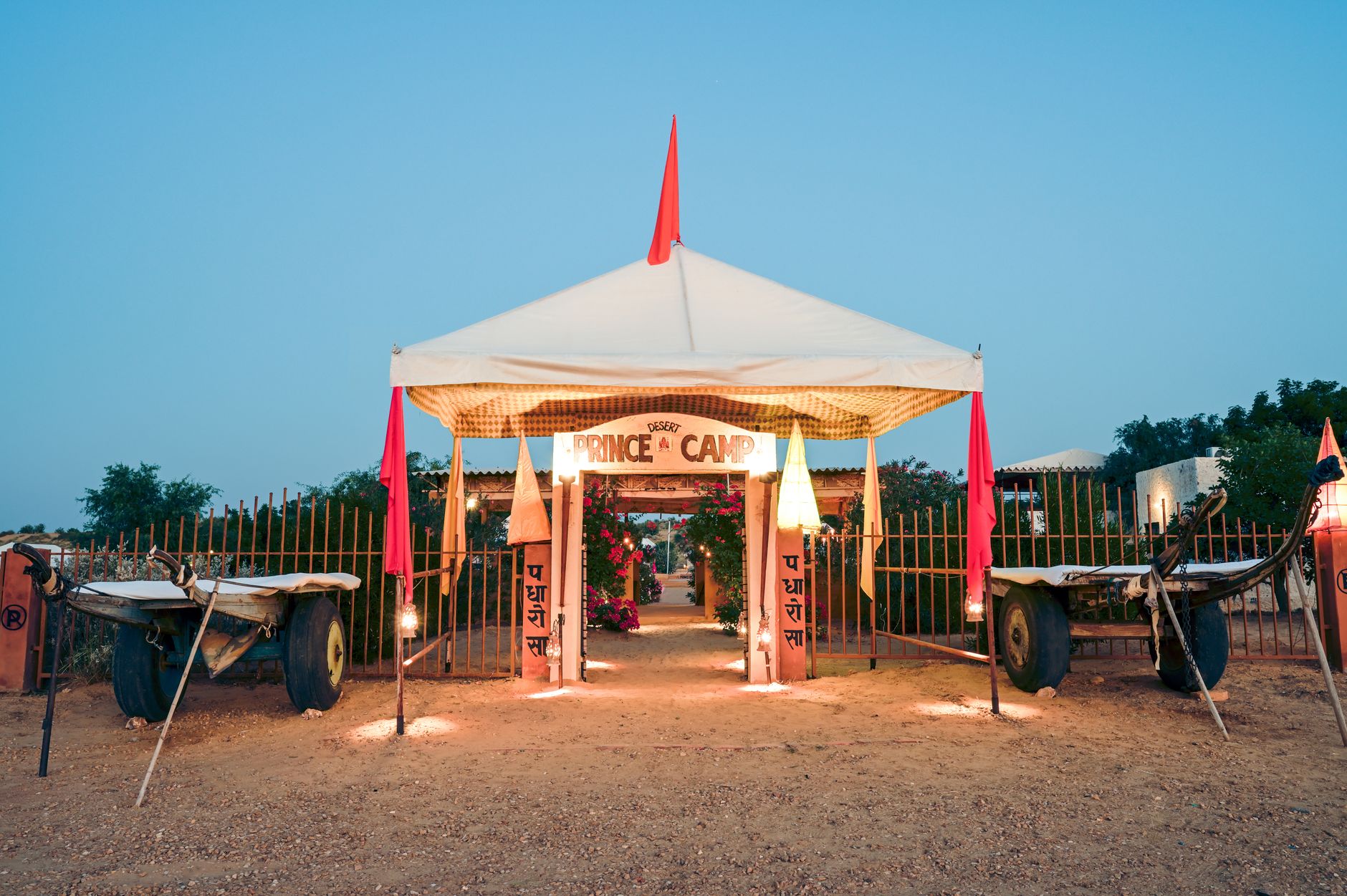
Mid-Range Options (₹3,000-8,000 per night): The Hotel Rang Mahal and Hotel Nachana Haveli in Jaisalmer city (₹3,500-5,500) offer heritage-style accommodations with modern amenities, swimming pools, and in-house restaurants. Desert camps like Prince Desert Camp, Jasmine Desert Camp, and Moonlight Desert Camp (₹4,000-6,000 per person all-inclusive) provide comfortable tents with attached bathrooms, electricity for limited hours, and comprehensive safari packages including camel rides, cultural programs, and meals. These camps balance comfort with authentic desert experience.
Luxury/Splurge Options (₹10,000-35,000 per night): Suryagarh Jaisalmer, approximately 15 km from the city, is a stunning fort-style luxury resort (₹18,000-35,000) offering opulent rooms, spa facilities, fine dining, and curated desert experiences. In the dunes, camps like The Serai (₹25,000-40,000 all-inclusive) and Chokhi Dhani Desert Camp (₹12,000-18,000) provide luxurious tented accommodations with air-conditioning or coolers, plush bedding, attached marble bathrooms, private decks, gourmet dining, and exclusive safari experiences. These properties offer the desert experience without compromising on comfort.
Local Food & Cuisine
The cuisine of Jaisalmer reflects the ingenuity required to create flavorful meals in a region with limited fresh produce and water. Dal Baati Churma is the quintessential Rajasthani dish—hard wheat rolls (baati) baked over coal or in a traditional oven, served with spiced lentils (dal) and sweetened crushed wheat (churma). The baatis are typically soaked in ghee, making them rich and satisfying. Ker Sangri is unique to the desert region, made from dried berries (ker) and beans (sangri) that grow in arid conditions, cooked with spices to create a tangy, spicy vegetable preparation that pairs perfectly with bajra roti (millet flatbread).
Gatte ki Sabzi features gram flour dumplings cooked in spiced yogurt gravy, a protein-rich dish that stores well in desert conditions. Laal Maas, though originally from the meat-eating communities of Rajasthan, is widely available—a fiery mutton curry prepared with mathania red chilies that gives it a distinctive red color and intense heat. The desert also offers unique snacks like Pyaaz Kachori (onion-stuffed deep-fried pastries) and Mirchi Vada (chili fritters), perfect with sweet, milky chai.
For authentic local cuisine, Trio Restaurant on Gandhi Chowk serves excellent thalis (₹250-400) featuring multiple Rajasthani dishes. KB Cafe near Patwa Haveli is a rooftop restaurant (mains ₹180-350) with fort views and good vegetarian options. Desert Boy’s Dhani on the Sam Road offers traditional Rajasthani dining experiences (₹400-600 for full meal) in a rustic village setting. Saffron Restaurant at Hotel Nachana Haveli provides upscale Rajasthani cuisine (₹350-700 per dish) in a heritage setting. Most desert camps include traditional Rajasthani meals in their packages, often served in authentic style sitting on the ground around bonfires, which adds to the cultural immersion.
Practical Travel Tips for Jaisalmer desert safari
Permits and Documentation: Indian citizens require no special permits for standard desert safaris. Foreign nationals need to carry valid identification and visa documents, though no additional permits are needed for tourist areas. If planning to visit areas near the India-Pakistan border beyond the usual tourist zones, special permits from the District Magistrate’s office may be required (₹500-1,000, obtainable in 1-2 days). Always book safaris through registered operators to avoid any complications.
Mobile Network and Connectivity: Jaisalmer city has good coverage from all major providers (Airtel, Jio, BSNMP, Vodafone-Idea). However, signal strength diminishes significantly in the desert, particularly at remote dune sites. Sam Sand Dunes has patchy coverage, while more remote locations like Khuri may have no signal at all. Download offline maps and share your itinerary with someone before heading into the desert. Most luxury camps offer Wi-Fi in common areas.
ATM and Banking: Jaisalmer city has multiple ATMs from all major banks including SBI, ICICI, HDFC, and PNB, particularly around Amar Sagar Pol, Gandhi Chowk, and Gopa Chowk. However, ATMs are non-existent in the desert areas, so carry sufficient cash for tips, small purchases, and emergencies. Budget ₹500-1,000 extra for miscellaneous expenses. Many small vendors and local artisans don’t accept digital payments.
Medical Facilities: The main government hospital, Sadar Hospital, is located on Sam Road. Private clinics and pharmacies are available throughout the city, particularly on Court Road. However, medical facilities in the desert are limited to basic first-aid at camps. Carry a personal medical kit with essentials: pain relievers, anti-diarrheal medication, antihistamines, band-aids, antiseptic cream, and any prescription medicines. The harsh sun can cause dehydration and heat-related issues, so carry oral rehydration salts.
What to Pack: Clothing should be layered—the desert experiences extreme temperature variations. Pack cotton clothes for daytime, warm layers (jacket, shawl, sweater) for nights, especially October-February. Long pants and full-sleeve shirts protect from sun and sand. Comfortable closed-toe shoes are essential; sandals fill with sand. A wide-brimmed hat, UV-protection sunglasses, and high SPF sunscreen (50+) are mandatory. Carry a reusable water bottle, wet wipes, hand sanitizer, torch/headlamp, power bank, and a scarf to protect face from sandstorms. A small backpack for day excursions is useful.
Safety Considerations: The Jaisalmer desert is generally safe, but sensible precautions apply. Book safaris only through reputable operators with good reviews; verify their credentials and insurance coverage. Never venture deep into the desert without a guide. Stay hydrated—drink water even when not thirsty; dehydration can occur rapidly. Respect wildlife; maintain distance from animals encountered. Sandstorms, though rare, can be dangerous; seek shelter immediately if one approaches. Women travelers should opt for group safaris or established camps rather than isolated experiences. Inform your hotel/camp of any allergies or medical conditions.
Responsible Tourism Practices: The Thar Desert is a fragile ecosystem. Carry all trash back; plastic waste is particularly damaging. Don’t disturb wildlife or plant life; resist the temptation to pick plants. Support local communities by purchasing authentic handicrafts directly from artisans. Ask permission before photographing locals, especially women. Choose eco-friendly camps that use solar power, practice water conservation, and employ local staff. Don’t feed wild animals as it disrupts natural behavior. When visiting villages, dress modestly and respect local customs. Avoid camps that offer exploitative “village tours” that treat communities as exhibits.
Final Thoughts
A Jaisalmer desert safari is far more than a checkbox item on a Rajasthan itinerary—it’s a transformative journey that touches something primal within us. In our hyperconnected, fast-paced world, the desert offers a rare gift: the experience of genuine silence, vast empty spaces, and the humbling perspective that comes from witnessing nature’s raw power and beauty. The golden dunes that have remained largely unchanged for millennia remind us that some things transcend time, and the warmth of desert hospitality demonstrates that human connection remains our most valuable treasure.
Whether you spend a single night under the stars or embark on a multi-day camel expedition through remote villages, the memories forged in these sands will stay with you forever. The image of the sun rising over endless dunes, the sound of folk songs echoing across the desert, the taste of simple yet flavorful Rajasthani cuisine, and the stories shared around a crackling bonfire—these experiences weave themselves into the fabric of your being. So pack your bags, leave your worries behind, and surrender to the magic of the Thar Desert. The golden sands of Jaisalmer are calling, promising an adventure that will enrich your soul and expand your horizons. Whether you’re an Indian traveler exploring your own country’s treasures or an international visitor seeking authentic cultural experiences, a Jaisalmer desert safari awaits to show you a side of India that is unique, unforgettable, and utterly mesmerizing.
- Visit Khuri Sand Dunes instead of crowded Sam Sand Dunes for a more authentic and peaceful desert safari experience with genuine local interactions
- Start your camel safari at 3:30 PM to catch the golden hour and sunset, avoiding harsh afternoon sun and getting the best photography light
- Negotiate safari packages directly with desert camps rather than city agents to save 20-30% and get better customization options
- Carry a headlamp and power bank as desert camps have limited electricity, usually only available for 3-4 hours in the evening
- Book full moon night safaris between October-March for magical moonlit desert landscapes and cooler temperatures for overnight stays
Frequently Asked Questions about Jaisalmer desert safari
The best time to visit Jaisalmer for a desert safari is from October to March during the winter season. During these months, temperatures range from a comfortable 7°C to 24°C, making it ideal for camel rides, camping, and other outdoor desert activities, while summer temperatures can soar up to 42°C.
Jaisalmer is located 285 km from Jodhpur and 333 km from Bikaner. While Jaisalmer has its own airport just 5 km away, it has limited connectivity, so most travelers prefer flying to Jodhpur Airport (285 km away) which is well-connected to major Indian cities.
No permits are required for general desert safari activities in Jaisalmer. However, if you plan to visit restricted areas near the Pakistan border, special permits are required which cost between ₹500-1000.
The approximate budget for a Jaisalmer desert safari ranges from ₹2,000 to ₹8,000 per day. The cost varies depending on the type of accommodation you choose, safari experience (camel or jeep), and whether you opt for overnight camping with cultural performances.
The Sam Sand Dunes are located 42 km from Jaisalmer city and are the most popular destination for desert safaris. They offer some of the most photogenic and pristine desert landscapes in India, with golden sand dunes that create spectacular views, especially during sunrise and sunset.
A Jaisalmer desert safari offers camel rides across golden sand dunes, overnight camping under star-studded skies, traditional Rajasthani folk music and dance performances, and dune bashing experiences. You’ll also get to experience the cultural heritage of Rajasthan, interact with desert communities, and witness breathtaking sunsets over the Thar Desert.