
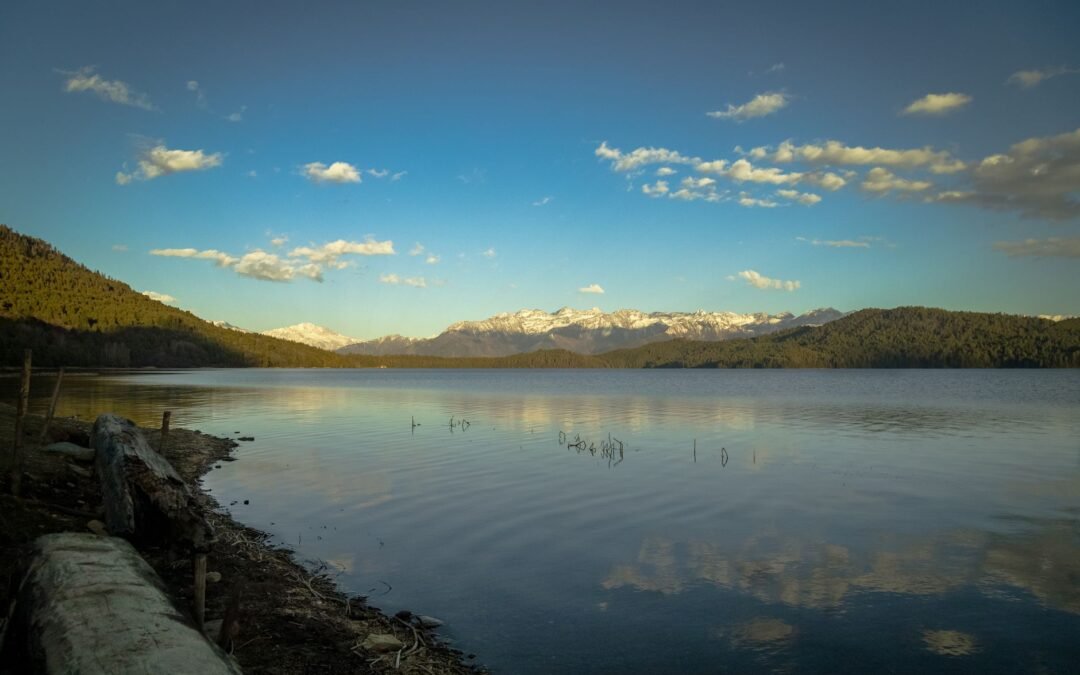
- Rara Lake is Nepal’s largest lake at 2,990 meters altitude in remote Mugu district
- Best visited between April-May and September-November for clear weather and stunning views
- Accessible by flight to Talcha Airport followed by 2-hour trek or multi-day trek from Jumla
- Rara National Park offers pristine nature with rare wildlife including red panda and musk deer
- Limited accommodation available; book lodges in advance or carry camping equipment
Introduction
Nestled in the remote northwestern corner of Nepal, Rara Lake stands as the country’s largest and deepest lake, a sapphire jewel cradled by snow-capped Himalayan peaks and pristine alpine forests. At an elevation of 2,990 meters above sea level, this crystalline body of water stretches across 10.8 square kilometers, its deep blue waters reflecting the surrounding wilderness in a mesmerizing dance of light and shadow. For travelers seeking an escape from the well-trodden tourist circuits of Kathmandu and Pokhara, Rara Lake offers something increasingly rare in our connected world: genuine remoteness, untouched natural beauty, and the profound silence of wilderness.
Unlike Nepal’s more famous destinations, Rara Lake remains blissfully undiscovered by mass tourism. The journey here is part of the reward—a pilgrimage through terraced hillsides, traditional Thakuri and Magar villages, and dense forests of rhododendron, pine, and spruce. The lake lies within Rara National Park, Nepal’s smallest national park covering just 106 square kilometers, yet one that protects an astonishing diversity of flora and fauna, including the endangered red panda, musk deer, and over 200 species of birds. For Indian travelers particularly, this destination offers international adventure without the complexities of distant travel, combining the familiarity of similar Himalayan cultures with the thrill of exploring one of South Asia’s last true wilderness areas.
Whether you’re an avid trekker, a wildlife enthusiast, a photographer chasing that perfect reflection shot, or simply someone yearning to disconnect from digital distractions, Rara Lake promises an experience that will recalibrate your relationship with nature. This is Nepal as it existed before tourism transformed it—raw, authentic, and breathtakingly beautiful.
Quick Facts About Rara Lake
| Detail | Information |
|---|---|
| Altitude | 2,990 meters (9,810 feet) |
| Best Time to Visit | September to November and April to May |
| Distance from Nearest City | 380 km from Kathmandu, 10 km from Talcha Airport |
| Nearest Airport | Talcha Airport (Mugu) – 10 km; Nepalgunj Airport – 350 km |
| Permits Required | Rara National Park Entry Permit: NPR 3,000/INR 1,875 for SAARC nationals |
| Temperature Range | Summer: 10°C to 25°C; Winter: -10°C to 5°C |
| Approx Budget per Day | Budget: NPR 1,500-2,500 (INR 940-1,560); Mid-range: NPR 3,000-5,000 (INR 1,875-3,125) |
Why Visit Rara Lake
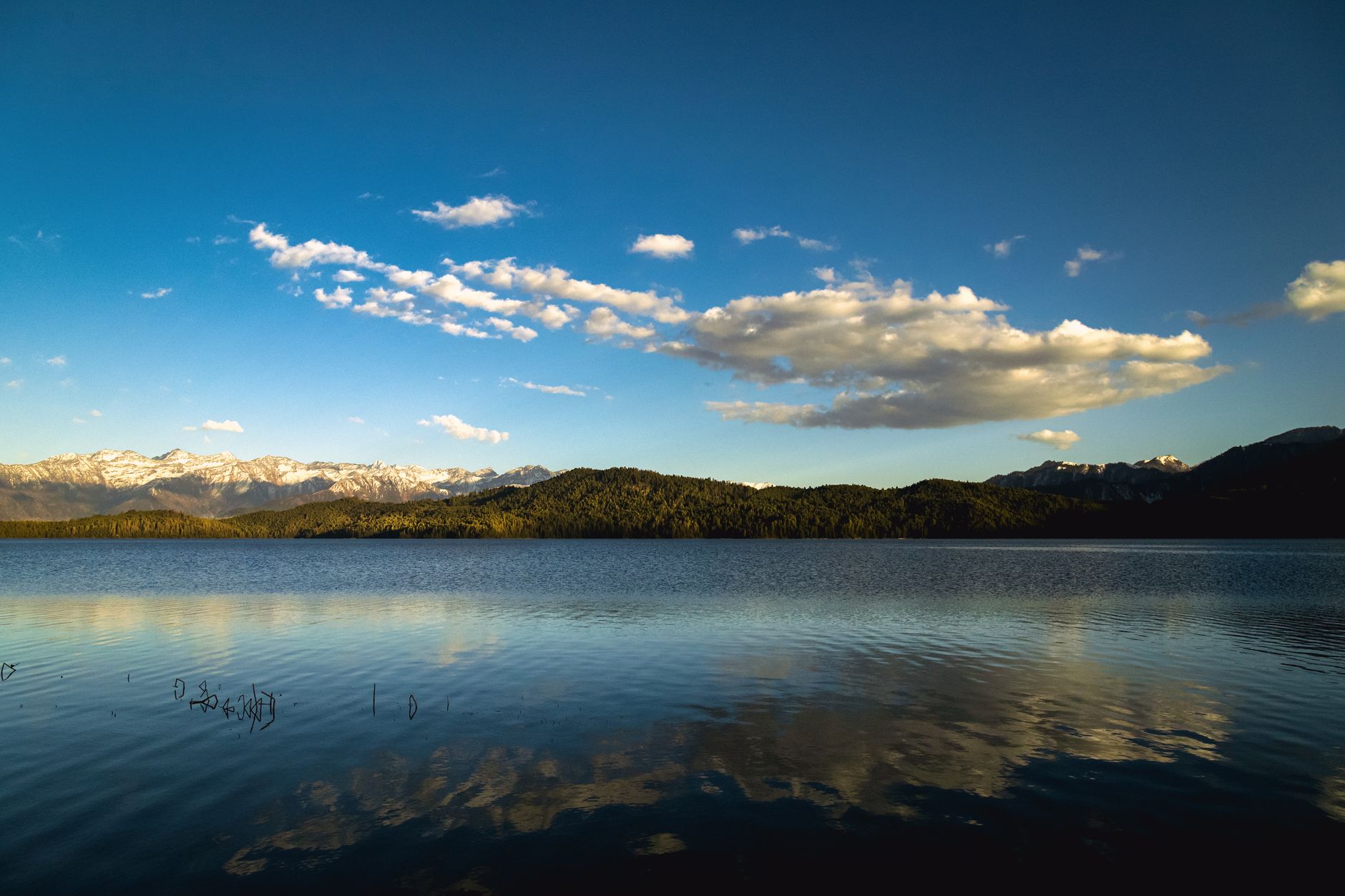
Rara Lake isn’t just another mountain lake—it’s a complete ecosystem wrapped in mythology and mystery. The lake’s extraordinary depth of 167 meters makes it Nepal’s deepest, and local legends speak of a submerged palace beneath its waters, once home to a wealthy kingdom that angered the gods. The water’s distinctive deep blue color shifts throughout the day, from azure at dawn to emerald green under certain light conditions, a phenomenon caused by the lake’s depth and the reflection of surrounding vegetation. This color transformation provides photographers with an ever-changing canvas, ensuring no two visits to the lakeshore yield identical images.
What truly distinguishes Rara from more accessible destinations is its remarkable biodiversity within a compact area. The lake’s catchment area hosts 20 species of mammals and 214 species of birds, including migratory waterfowl that travel here from as far as Siberia. The surrounding forests contain over 1,074 species of flora, with ancient junipers and oaks that have stood sentinel for centuries. In spring, the hillsides explode with rhododendron blooms—crimson, pink, and white—creating a natural amphitheater of color around the lake’s perimeter. The park also protects three types of endangered Himalayan ecosystems: temperate coniferous forests, alpine meadows, and sub-alpine scrublands, each supporting distinct wildlife communities.
The cultural dimension adds another layer of uniqueness. The area is home to the Thakuri people, whose traditional villages dot the surrounding hills. Their ancient customs, including the worship of nature spirits and the maintenance of sacred groves, have inadvertently contributed to conservation efforts for generations. The villages of Rara, Chapra, and Murma showcase traditional stone houses with elaborately carved wooden windows, and visitors often witness age-old agricultural practices unchanged by modernity. Unlike the commercialized cultural experiences in tourist hubs, interactions here remain authentic—villagers genuinely surprised and pleased to encounter visitors, often inviting travelers for butter tea and conversations that bridge linguistic barriers through universal hospitality.
How to Reach Rara Lake
By Air: The quickest route involves a flight from Kathmandu to Nepalgunj (1 hour, NPR 8,000-12,000/INR 5,000-7,500), followed by a spectacular mountain flight to Talcha Airport in Mugu district (35 minutes, NPR 10,000-15,000/INR 6,250-9,375). From Talcha, it’s a 10-kilometer, 3-4 hour trek to Rara Lake. Airlines operating these routes include Tara Air, Summit Air, and Sita Air. Note that weather conditions frequently cause delays or cancellations, particularly during monsoon and winter months. Alternatively, you can fly directly from Nepalgunj to Talcha when flights are available, though they operate only 2-3 times weekly depending on demand.
By Road from Kathmandu: The overland journey is arduous but scenically rewarding, covering approximately 380 kilometers to Jumla over 2-3 days. Take a tourist bus or jeep from Kathmandu to Nepalgunj (556 km, 14-16 hours, NPR 1,500-2,500/INR 940-1,560), then another vehicle to Jumla via Surkhet (238 km from Nepalgunj, 12-14 hours, NPR 2,000-3,000/INR 1,250-1,875). From Jumla, it’s a 3-4 day trek covering approximately 45 kilometers to Rara Lake. The road conditions between Nepalgunj and Jumla are challenging, with rough unpaved sections prone to landslides during monsoon.
Trekking Routes: Most trekkers fly to Jumla and begin the classic 4-day trek to Rara Lake. The route passes through Danphe Lagna (3,190m), Chautha (2,770m), and enters Rara National Park at Murma village. An alternative 7-day route starts from Talcha, looping through the park’s southeastern section. For the adventurous, the 16-day Rara-Phoksundo trek connects two of Nepal’s most pristine lake systems, though this requires excellent physical fitness and proper acclimatization. Hiring a guide costs NPR 2,500-3,500/INR 1,560-2,185 per day, while porters charge NPR 2,000-2,500/INR 1,250-1,560 daily.
For Indian Travelers: The most convenient option is flying from Delhi or Mumbai to Kathmandu (direct flights available), then following one of the routes above. Alternatively, drive or take a train to the Nepal border at Sunauli or Raxaul, cross into Nepal, and proceed overland to Nepalgunj. This adds considerable time but reduces costs significantly. A bus from Gorakhpur to Nepalgunj via Sunauli takes approximately 12 hours and costs around INR 800-1,200.
Best Time to Visit Rara Lake
Autumn (September to November): Undoubtedly the peak season for Rara Lake, offering crystal-clear skies, stable weather, and comfortable daytime temperatures ranging from 10°C to 20°C. October is particularly spectacular, with perfect visibility of surrounding peaks and the lake at its bluest. The forest canopy displays golden hues as leaves change color, and migratory birds begin arriving. Trails are dry and easily navigable, though nights grow cold, dropping to around 5°C. This period sees the most visitors, yet Rara never feels crowded compared to Everest or Annapurna regions. Flight schedules are most reliable during these months, making logistics easier.
Winter (December to February): This season presents a dramatically different Rara—pristine, snow-covered, and profoundly peaceful. Temperatures plummet to -10°C or lower at night, with daytime highs barely reaching 5°C. The lake sometimes partially freezes around the edges, creating ethereal ice formations. Winter is ideal for hardcore adventurers and photographers seeking solitude and dramatic winter landscapes. However, heavy snowfall can make trekking routes impassable and frequently grounds flights for days. Many teahouses and lodges close during this period. If you visit in winter, bring four-season sleeping bags and serious cold-weather gear.
Spring (March to May): The second-best season, spring transforms Rara’s surroundings into a botanical wonderland. Rhododendrons—Nepal’s national flower—bloom in profusion from late March through April, painting hillsides in vibrant reds, pinks, and whites. Temperatures moderate (10°C to 25°C), making trekking comfortable. Wildlife becomes more visible as animals emerge from winter dormancy, and birdwatching reaches its peak with both resident and migratory species active. April offers the best balance of blooming flowers, clear weather, and moderate temperatures, though occasional pre-monsoon showers begin in late May.
Monsoon (June to August): Generally not recommended for visiting Rara Lake. Heavy monsoon rains make roads impassable, trigger landslides, and ground flights for extended periods. Trails become muddy and leech-infested, and the lake’s views are frequently obscured by clouds and mist. However, for those undeterred by discomfort, monsoon brings extraordinary green landscapes and dramatically reduced tourist numbers. The lake fills to maximum capacity, and waterfalls cascade down surrounding cliffs. Only experienced trekkers with flexible schedules and tolerance for uncertainty should consider visiting during these months.
Top Things to Do in Rara Lake
Circuit Trek Around the Lake
The 10-kilometer circumnavigation of Rara Lake takes approximately 3-5 hours and ranks among Nepal’s most rewarding short treks. The trail winds through diverse ecosystems—dense pine and spruce forests, open meadows, and rocky shorelines—offering constantly changing perspectives of the lake. The southern shore provides the most dramatic views, with the entire lake spread before you, Chuchemara Peak (4,087m) rising majestically to the north. Bring binoculars for wildlife spotting; you’re likely to encounter Himalayan black bears (from a distance!), red pandas in the forest canopy, and musk deer grazing in clearings. The trail is well-marked and suitable for moderately fit trekkers.
Boating on Rara Lake
Though motorized boats are prohibited to protect the lake’s pristine ecology, wooden paddle boats can be arranged through park authorities at the main boat station near the ranger post (NPR 500-800/INR 310-500 per hour). Paddling across the mirror-like surface provides a unique perspective, with the forested hills creating perfect reflections in calm morning waters. The lake’s depth creates a profound sense of mystery as you float above waters that plunge 167 meters below. Early morning and late afternoon offer the best conditions, with minimal wind and optimal lighting for photography. The experience of being surrounded by absolute silence, broken only by your paddle and occasional bird calls, is meditative and unforgettable.
Wildlife Photography and Birdwatching
Rara National Park protects species that are rare or absent in more accessible regions. Serious wildlife photographers should stake out the forest edges at dawn and dusk, when animals emerge to feed. The park harbors leopards, Himalayan black bears, yellow-throated martens, and the elusive red panda, though sightings require patience and luck. Birdwatching is more reliably rewarding—214 recorded species include the gallinaceous koklass pheasant, blood pheasant, snow cock, and various waterfowl species. The marshy areas at the lake’s western end attract coots, grebes, and in winter, migratory ducks from Siberia. Hire a naturalist guide through the park office (NPR 3,000-4,000/INR 1,875-2,500 per day) to significantly improve your sighting success.
Visit Murma Village and Cultural Immersion
The traditional Thakuri village of Murma, located at the park entrance, offers authentic cultural experiences without commercialization. The village’s stone houses feature intricately carved wooden windows and doorframes, architectural elements passed down through generations. Villagers practice subsistence agriculture on terraced fields, cultivating barley, wheat, and potatoes using traditional methods. Visitors are often invited into homes for butter tea (suja) and local bread, opportunities to learn about Thakuri customs, including their unique marriage traditions and nature-based spiritual practices. The village gompa (Buddhist monastery) displays ancient thangka paintings and offers panoramic views of surrounding valleys. Always bring small gifts like sugar, tea, or school supplies for children, and respect photography restrictions around religious sites.
Explore Chuchemara Danda (Hill)
For trekkers seeking higher elevations and expanded views, the hike to Chuchemara Danda (4,087m) provides the ultimate Rara Lake panorama. The 5-6 hour climb from the lakeshore gains approximately 1,100 meters elevation through rhododendron and juniper forests, eventually emerging above the tree line into alpine meadows dotted with wildflowers in spring. From the summit, the entire lake spreads below like a turquoise jewel, with snowcapped peaks of Dolpo and Mugu districts extending to distant horizons. On exceptionally clear days, you can glimpse Tibet to the north. This trek requires good acclimatization and should only be attempted in clear weather. Pack adequate water, sun protection, and warm layers, as temperatures drop significantly with elevation.
Winter Ice Skating and Snow Activities
During particularly cold winters when the lake partially or fully freezes (typically January-February), adventurous visitors engage in impromptu ice skating and ice hockey using borrowed equipment from park rangers. The experience of skating on one of the world’s highest and most remote natural ice rinks is surreal and exhilarating. Surrounding hills provide opportunities for snow trekking, and the forest’s silence under a snow blanket creates an almost otherworldly atmosphere. Only visit for winter activities if you’re experienced in cold-weather camping and have appropriate gear—temperatures regularly drop below -15°C, and rescue facilities are minimal. The frozen landscape photography during this period is absolutely spectacular, with icicle formations along the shoreline and snow-laden conifers.

Where to Stay in Rara Lake
Budget Accommodations (NPR 500-1,500 / INR 310-940 per night)
Budget options around Rara Lake are basic but adequate, offering clean beds and hot meals in homestay-style environments. Rara Lake View Guest House, located near the park headquarters, provides simple twin-bedded rooms with shared bathrooms, thick blankets, and stunning lake views from its common dining area (NPR 800-1,000/INR 500-625 per night). The family-run establishment serves hearty dal bhat and thukpa. Himalayan Guest House in Murma village offers similar amenities with slightly lower prices (NPR 500-700/INR 310-440) and the added benefit of cultural immersion in a traditional Thakuri home. Camping is another budget option—designated camping zones near the lake allow tent pitching for NPR 300-500/INR 185-310 per person, with basic toilet facilities available. Bring your own equipment or rent tents in Jumla before trekking in.
Mid-Range Accommodations (NPR 2,000-4,000 / INR 1,250-2,500 per night)
Hotel Rara Resort, the most established property near the lake, offers the closest approximation to comfortable lodging in this remote area. The resort features 15 rooms with attached bathrooms (hot water via bucket/solar), comfortable beds with quality bedding, and a spacious dining hall serving Nepali, Indian, and basic continental cuisine. Pricing ranges from NPR 2,500-3,500/INR 1,560-2,185 depending on season and room type. Lake View Hotel, a newer establishment run by a returned ex-Gurkha soldier, provides similar amenities with particular emphasis on cleanliness and service (NPR 2,000-3,000/INR 1,250-1,875). Both properties offer hot showers, electricity during evening hours (generator-powered), and WiFi (sporadic and slow). Book in advance during peak season through trekking agencies in Kathmandu.
Trekking Lodge Options
Along trekking routes to Rara Lake, simple teahouses provide overnight shelter. In Jumla town (your likely starting point), the Hotel Karnali offers decent rooms with attached baths for NPR 1,500-2,000/INR 940-1,250. En route villages like Chautha and Sinja have basic lodges charging NPR 500-800/INR 310-500 per night. These teahouses provide bed and breakfast, with additional meals available at extra cost. Facilities are rudimentary—squat toilets, cold water, shared spaces—but owners are invariably hospitable. Always carry a sleeping bag liner for added comfort and warmth, as bedding quality varies.
Splurge/Premium Options
Luxury accommodations don’t exist at Rara Lake in the conventional sense, but organized camping expeditions offered by premium trekking companies provide the highest comfort level achievable. Outfitters like Mountain Monarch and Himalayan Trails arrange fully serviced camping with large sleeping tents, dining tents, toilet tents, professional cooks, and support staff. Expect to pay NPR 8,000-12,000/INR 5,000-7,500 per person per day for all-inclusive packages. These companies provide quality Western and Nepali cuisine, comfortable camping furniture, and even portable shower systems. For those who want the Rara experience without roughing it, this is the most comfortable option, though you’ll miss the cultural immersion of village stays.
Local Food & Cuisine
The remote location means restaurant options are limited, but the food at Rara Lake reflects authentic Nepali and Thakuri culinary traditions, hearty and nourishing fare designed for high-altitude living. Most lodges and guesthouses serve a standard menu of Nepali staples, with ingredients sourced locally or carried in from Jumla.
Dal Bhat: Nepal’s quintessential meal remains the foundation of Rara dining. The local version features brown rice or barley, yellow lentil soup, seasonal vegetable curry (potatoes, pumpkin, or greens), and spicy pickle (achar). In this region, dal bhat often includes gundruk—fermented leafy greens with a distinctive tangy flavor that aids digestion at altitude. Prices range from NPR 300-500/INR 185-310 for unlimited refills, and the meal provides sustained energy for trekking.
Thukpa and Noodle Soups: Hot noodle soups are perfect for cold evenings at 3,000 meters. Thukpa, a Tibetan-style soup with vegetables, sometimes with eggs or yak meat, costs NPR 200-350/INR 125-220. The broth is typically flavored with local herbs and garlic, both beneficial for altitude adaptation. Rara Lake View Guest House serves an excellent version with hand-pulled noodles and generous portions.
Momo (Dumplings): These popular dumplings are available in most lodges, though fillings are limited to vegetables or potato due to meat scarcity (NPR 150-250/INR 95-155 for 10 pieces). Steamed momos are preferable to fried at altitude, being easier to digest. The Himalayan Guest House in Murma makes exceptional buff (water buffalo) momos when available, with a spicy tomato-based chutney.
Churpi and Local Dairy Products: Churpi, hardened yak or cow cheese, is a traditional Himalayan snack that provides protein and occupies trekkers for hours as it slowly softens in the mouth. Purchase from villagers for NPR 50-100/INR 30-60 per piece. Fresh yak butter, when available, enriches suja (butter tea), a high-calorie beverage essential for warmth and energy in cold climates.
Dining Establishments: Hotel Rara Resort Restaurant offers the most varied menu at the lake, including Indian dishes like paneer curry and rotis alongside Nepali staples (mains NPR 250-450/INR 155-280). Murma Village Homestays provide the most authentic culinary experiences, with home-cooked meals featuring locally milled flour bread and organic vegetables from family gardens (full meal NPR 300-400/INR 185-250). In Jumla before or after your trek, Karnali Kitchen serves decent Indian and Chinese food alongside Nepali options (NPR 200-400/INR 125-250 per dish). Pakwan Restaurant in Jumla bazaar is popular with trekkers for its generous portions and hygiene standards (NPR 150-300/INR 95-185).

Practical Travel Tips for Rara Lake
Permits and Documentation: All visitors must obtain a Rara National Park Entry Permit, costing NPR 3,000/INR 1,875 for SAARC nationals and USD $30 for other foreigners. Permits are issued at the park entrance in Murma or can be arranged through trekking agencies in Kathmandu. Indian citizens need only a valid passport or voter ID card to enter Nepal—no visa required for stays up to 90 days. Keep multiple photocopies of identification documents, as originals can be lost or damaged during trekking. You may need to show permits at various checkpoints, so keep them accessible.
Mobile Network and Connectivity: Mobile coverage around Rara Lake is extremely limited. Nepal Telecom (NTC) provides the most reliable coverage, though signals are weak and intermittent even at the lakeshore. Ncell has minimal to no coverage. In Jumla town, both networks function reasonably well. Don’t expect internet connectivity—most lodges have no WiFi, and those claiming to offer it have excruciatingly slow, unreliable connections. Embrace this digital detox as part of the experience. For emergencies, satellite phones are available through trekking agencies (rental NPR 500-800/INR 310-500 per day).
ATM and Money Matters: No ATMs exist at or near Rara Lake. The closest functioning ATM is in Nepalgunj, approximately 350 kilometers away. Jumla has one ATM, but it frequently malfunctions or runs out of cash. Carry sufficient Nepali rupees in cash for your entire trip, including contingency funds for weather delays extending your stay. Most lodges and shops don’t accept cards or digital payments. Indian rupees are sometimes accepted at reduced exchange rates in border areas, but it’s better to exchange currency in Kathmandu or Nepalgunj for fair rates.
Medical Facilities and Health Precautions: Medical facilities are virtually nonexistent around Rara Lake. The nearest basic health post is in Gamgadi (Mugu district headquarters), and the nearest hospital with reasonable facilities is in Nepalgunj. Carry a comprehensive first-aid kit including altitude sickness medication (Diamox), antibiotics, anti-diarrheals, pain relievers, antiseptic cream, bandages, and any personal prescription medications. Acute Mountain Sickness (AMS) is a real risk at 3,000 meters—acclimatize properly, stay hydrated, avoid alcohol, and ascend gradually. Water purification is essential; bring tablets or a SteriPEN, as boiling water isn’t always possible. Consider travel insurance that covers helicopter evacuation, costing USD $50,000-80,000 in emergencies.
What to Pack: Layer systems are crucial for temperature variations ranging from -10°C to 25°C depending on season. Essential items include: four-season sleeping bag (rated to -15°C for winter), down jacket, waterproof trekking boots, trekking poles, warm hat and gloves, sun protection (sunglasses, sunscreen SPF 50+, lip balm), headlamp with extra batteries, water bottles or hydration system, high-calorie snacks (nuts, chocolate, energy bars), toiletries including wet wipes, and quick-dry clothing. Don’t forget a good camera with extra batteries (cold drains them quickly) and ziplock bags to protect electronics from dust and moisture.
Safety Tips: Always inform park rangers of your trekking plans and expected return times. Solo trekking isn’t recommended; hire at least a guide if not a full crew. Weather can change rapidly—snowstorms occur even in shoulder seasons. Don’t attempt the Chuchemara Danda hike in questionable weather. Wildlife encounters are rare but possible; maintain distance from bears and other large mammals. Don’t swim in Rara Lake—the water temperature hovers around 10°C even in summer, and the depth creates dangerous currents. Respect local customs, particularly around religious sites—remove shoes before entering temples, walk clockwise around chortens and mani walls, and ask permission before photographing people.
Responsible Tourism: Rara’s pristine condition depends on visitor responsibility. Carry out all non-biodegradable waste—no exceptions. Use refillable water bottles rather than purchasing plastic bottles. Stick to established trails to prevent erosion. Don’t pick flowers or disturb wildlife. Use designated toilet facilities or follow proper backcountry sanitation practices (dig cat holes 15cm deep, 70 meters from water sources). Support local communities by purchasing handicrafts directly from artisans and staying in village homestays. Consider contributing to community funds that support local schools and conservation efforts. Respect the “Leave No Trace” principles—take only photographs, leave only footprints.
Language Basics: While many younger Nepalese speak basic English, knowing a few Nepali phrases enhances interactions: “Namaste” (hello/goodbye), “Dhanyabad” (thank you), “Kati ho?” (how much?), “Pani” (water), “Khana” (food), “Pugyo” (enough/finished), “Bistari” (slowly). In remote areas, Magar and Thakuri languages predominate, but Hindi is often understood, providing a communication bridge for Indian travelers.
Final Thoughts
Rara Lake represents what makes travel truly transformative—not just the accumulation of sights and photographs, but the profound experience of disconnecting from modern life’s relentless pace and reconnecting with something more fundamental. As you sit on the lakeshore watching light play across those impossibly blue waters, with only bird calls and wind through pines breaking the silence, you’ll understand why this remote corner of Nepal deserves the effort required to reach it. The journey tests your commitment, but rewards patience with memories that outlast any conveniently accessed destination. This isn’t travel for social media bragging rights; it’s travel for soul restoration, for reminding yourself what silence sounds like and how small we are against wilderness that has existed long before tourism and will endure long after.
Whether you’re an Indian traveler seeking your next Himalayan adventure beyond the usual suspects, or an international visitor looking for Nepal beyond the Annapurna Circuit crowds, Rara Lake awaits with open arms and unspoiled beauty. Plan carefully, prepare thoroughly, expect discomfort alongside wonder, and you’ll return home changed. The trail to Rara is not easy, but the best destinations never are. Start planning now—research flights, book accommodations for peak season, arrange permits, and most importantly, cultivate the flexible mindset required for remote Himalayan travel. Rara Lake isn’t going anywhere, but the version of yourself that needs this journey won’t wait forever. Pack your bags, embrace the adventure, and discover why those who’ve witnessed Rara’s magic invariably describe it as Nepal’s best-kept secret.
- Book flights to Talcha Airport months in advance as they operate only 2-3 times weekly and get canceled frequently due to weather
- Carry enough cash as there are no ATMs in Rara; nearest banking facility is in Gamgadhi or Jumla
- Visit the Forest Guard Office near the lake entrance early morning to spot wildlife drinking water at the shore
- Hire local Thakuri guides from Murma village who know hidden viewpoints and can arrange homestay experiences
- Pack layers including thermal wear even in summer as temperatures drop significantly at night near the lake
Frequently Asked Questions about Rara Lake
Rara Lake is located at an elevation of 2,990 meters (9,810 feet) above sea level in the remote northwestern corner of Nepal. It is the country’s largest and deepest lake, stretching across 10.8 square kilometers with pristine blue waters surrounded by snow-capped Himalayan peaks.
The best time to visit Rara Lake is from September to November (post-monsoon autumn) and April to May (spring season). During these months, the weather is pleasant with clear skies, making it ideal for trekking and enjoying the stunning lake views.
Rara Lake is located 380 km from Kathmandu. The nearest airport is Talcha Airport in Mugu, which is just 10 km from the lake, while Nepalgunj Airport is approximately 350 km away and serves as an alternative access point.
Visitors need a Rara National Park Entry Permit to visit Rara Lake, which costs NPR 3,000 (approximately INR 1,875) for SAARC nationals including Indian travelers. The lake lies within Rara National Park, Nepal’s smallest national park covering 106 square kilometers.
Rara Lake experiences a temperature range of 10°C to 25°C during summer months, making it pleasant for trekking and outdoor activities. In winter, temperatures drop significantly to between -10°C and 5°C, with the region often receiving snowfall.
A budget traveler can visit Rara Lake spending NPR 1,500-2,500 (INR 940-1,560) per day, which covers basic accommodation and meals. Mid-range travelers should budget NPR 3,000-5,000 (INR 1,875-3,125) per day for more comfortable facilities and services.