
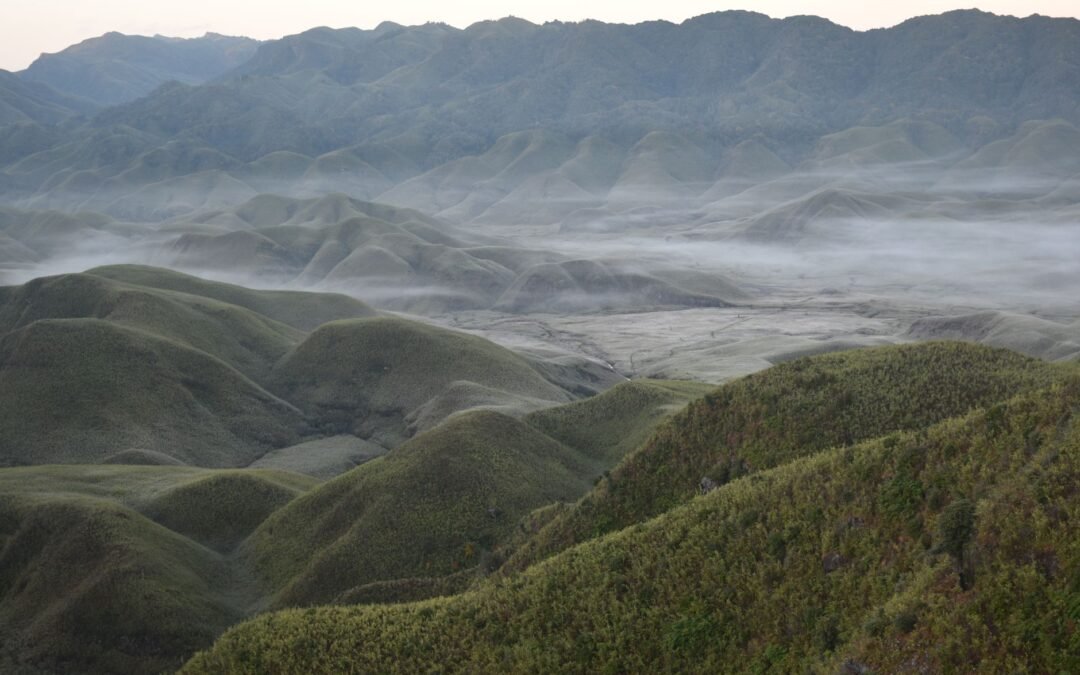
- Dzukou Valley is best visited between June-September for wildflowers and October-November for clear mountain views
- The trek to Dzukou Valley starts from either Viswema village (Nagaland) or Jakhama village, taking 3-4 hours
- Camping is the only accommodation option inside the valley with basic facilities and prior permission required
- Inner Line Permit (ILP) is mandatory for non-Nagaland residents to visit Dzukou Valley
- The valley sits at 2,438 meters altitude on the Nagaland-Manipur border with temperatures dropping below freezing in winter
Introduction
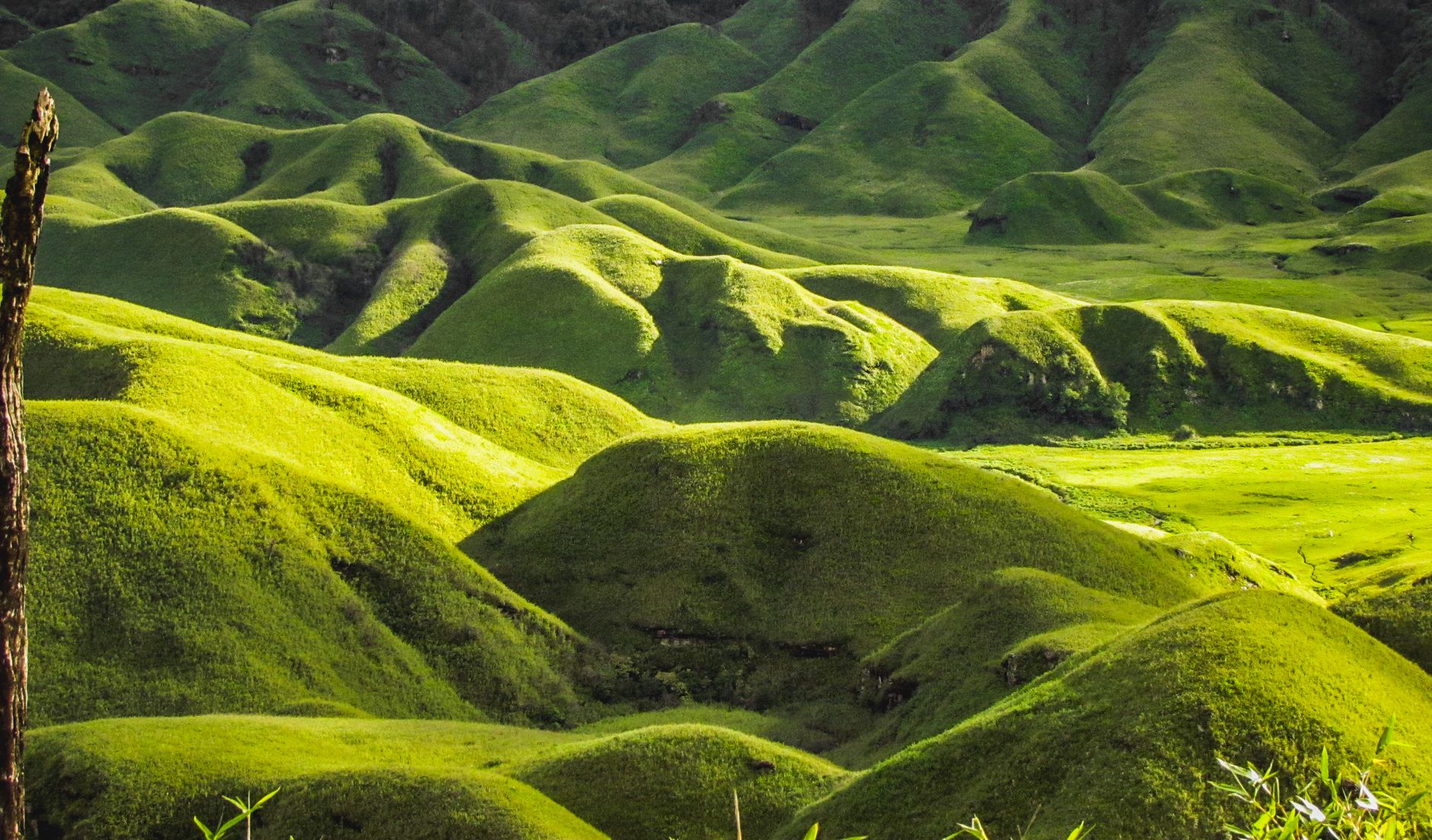
Tucked away on the border between Nagaland and Manipur, Dzukou Valley stands as one of Northeast India’s best-kept secrets—a pristine paradise where emerald meadows roll endlessly beneath vast skies, and nature exists in its purest, most untouched form. Often referred to as the “Valley of Heavenly Flowers,” Dzukou Valley transforms into a riot of colours during the monsoon months, when thousands of wildflowers—especially the rare Dzukou lily—blanket the landscape in shades of pink, purple, white, and yellow. This otherworldly destination at an altitude of 2,438 meters offers trekkers and nature enthusiasts an experience that feels like stepping into a living watercolour painting.
What makes Dzukou Valley truly extraordinary isn’t just its jaw-dropping beauty, but its remarkable isolation and the sense of pristine wilderness it offers. Unlike the increasingly commercialised hill stations across India, Dzukou remains largely untouched by mass tourism, accessible only by foot through challenging yet rewarding trekking trails. The valley is home to unique flora and fauna found nowhere else in the world, and its gurgling streams, bamboo groves, and mist-covered peaks create an atmosphere of profound tranquillity that seems almost magical.
For travellers seeking an adventure off the beaten path, where mobile networks fade and the only sounds are birdsong and rustling grass, Dzukou Valley represents the perfect escape. Whether you’re an avid trekker looking for your next challenge, a nature photographer in search of spectacular vistas, or simply someone craving solitude away from urban chaos, this remarkable valley in Nagaland promises an unforgettable journey into one of India’s last true wilderness areas.
Quick Facts About Dzukou Valley
| Attribute | Details |
|---|---|
| Altitude | 2,438 meters (7,999 feet) above sea level |
| Best Time to Visit | June to September (for flowers), October to November (clear views) |
| Distance from Nearest City | 30 km from Kohima, 6 km trek from base camp |
| Nearest Airport | Dimapur Airport (74 km from Kohima) |
| Permits Required | Inner Line Permit (ILP) for non-Nagaland residents (₹250 for Indian nationals) |
| Temperature Range | Summer: 15°C-24°C, Winter: -2°C to 10°C |
| Approx Budget per Day | ₹800-₹1,500 (budget), ₹2,000-₹3,500 (comfortable) |
Why Visit Dzukou Valley
Dzukou Valley’s uniqueness lies in its extraordinary biodiversity and geological formation. The valley sits at the convergence of the Japfu Peak range and serves as a natural watershed, creating a microclimate that supports vegetation found nowhere else on earth. The endemic Dzukou lily (Lilium mackliniae), a delicate pink flower that blooms only here and in a few neighbouring areas, has become the valley’s botanical treasure and a major draw for botanists and nature enthusiasts worldwide. During peak blooming season in July and August, the valley floor becomes a carpet of these rare lilies interspersed with countless other wildflower species, creating a visual spectacle that justifies every challenging step of the trek.
The valley’s geographical isolation has preserved it as a pristine ecosystem where human interference remains minimal. Unlike popular tourist destinations that have succumbed to commercialisation, Dzukou maintains its wild character—there are no roads, no permanent settlements, and no electricity beyond the basic campsites. This raw, untouched quality gives visitors an authentic wilderness experience increasingly rare in modern India. The valley serves as a crucial habitat for several endangered species including the Blyth’s tragopan (a rare pheasant), serow (a goat-antelope), and various species of orchids that thrive in the moist, cool climate.
What truly sets Dzukou apart is the theatrical drama of its weather patterns. Throughout the day, clouds roll through the valley in waves, obscuring and revealing the landscape in constantly shifting displays. Morning often brings thick mist that clings to the grasslands, burning off by midday to reveal crystal-clear skies and panoramic views stretching across to Mount Japfu (3,048 meters), Nagaland’s second-highest peak. By evening, clouds descend again, creating an intimate, mystical atmosphere. This ever-changing weather, combined with the valley’s natural amphitheatre shape, creates photographic opportunities that change from moment to moment—a landscape photographer’s ultimate dream destination.

How to Reach Dzukou Valley
By Air: The nearest airport is Dimapur Airport, approximately 74 km from Kohima. Regular flights connect Dimapur with Kolkata, Guwahati, and Imphal, with prices ranging from ₹3,500 to ₹8,000 depending on booking timing. From Dimapur, you can hire a private taxi to Kohima (₹1,500-₹2,000, approximately 2.5-3 hours) or take a shared Sumo (₹200-₹300 per person). Most trekkers spend at least one night in Kohima before beginning the trek, making it the logical base point.
By Rail: The nearest railway station is also in Dimapur, well-connected to major cities including Guwahati, Delhi, Kolkata, and Bangalore. From Dimapur railway station, the same road journey to Kohima applies. Train fares from Guwahati to Dimapur range from ₹200 (sleeper) to ₹800 (AC classes).
By Road: Kohima is connected by road to several northeastern cities. From Guwahati, private buses and shared Sumos ply regularly (approximately 380 km, 10-12 hours, ₹600-₹1,000). From Imphal, the journey is shorter (125 km, 4-5 hours, ₹350-₹600). Private taxi hire from Guwahati costs around ₹6,000-₹8,000.
The Trek Route: The trek to Dzukou Valley begins from either Viswema village (near Kohima) or Jakhama village. The Viswema route is more popular, starting from the PWD rest house at the base camp. From Kohima city centre, hire a taxi to Viswema base camp (30 km, ₹800-₹1,200, 1.5 hours). From the base camp, the trek is approximately 6 km and takes 2.5-4 hours depending on fitness levels. The trail involves steep ascents, particularly in the first 3 km, before levelling out. Many trekkers hire local guides (₹500-₹800) and porters (₹600-₹1,000) through the Nagaland Tourism office or local tour operators.
Best Time to Visit Dzukou Valley
June to September (Monsoon/Flower Season): This is peak blooming season when Dzukou transforms into its famed “Valley of Flowers.” July and August see maximum wildflower diversity, with the Dzukou lily at its spectacular best. However, monsoon rains make the trek slippery and challenging, with leeches common on the trail. Temperatures range from 15°C to 22°C. Trails can be muddy and streams swollen, requiring waterproof gear. This period attracts moderate crowds, particularly on weekends. If flowers are your priority, brave the rain—the reward is worth it.
October to November (Post-Monsoon): Many consider this the ideal visiting period. The monsoons have cleared, offering crystal-clear skies and spectacular visibility across the valley and surrounding peaks. While flowers have faded, the grasslands turn golden-brown, creating a different but equally beautiful landscape. Temperatures are pleasant (10°C-20°C), and the trails are dry and easier to navigate. This is also the best time for photography, with perfect lighting and minimal haze. Crowds are minimal, offering a more solitary experience.
December to February (Winter): Winter transforms Dzukou into a snow-covered wonderland, attracting hardcore trekkers and adventure seekers. Temperatures drop below freezing (-2°C to 10°C), and snowfall is common, particularly in January and February. The valley offers stunning white vistas, but trekking becomes extremely challenging and potentially dangerous without proper winter gear and experienced guides. Many camping facilities close. Only recommended for experienced winter trekkers with appropriate equipment.
March to May (Pre-Monsoon): Generally not recommended. The valley remains dry and brown, with little flowering. While weather is pleasant (15°C-24°C) and trekking is easy, the landscape lacks the visual appeal of other seasons. However, this quiet period offers maximum solitude for those seeking peaceful contemplation rather than scenic grandeur.
Top Things to Do in Dzukou Valley
Trek Through the Valley of Flowers
The primary activity is trekking across the valley floor, where undulating meadows stretch for kilometres in every direction. During monsoon season, the landscape explodes with wildflowers—purple Eupatorium, white anemones, yellow potentillas, and of course, the rare pink Dzukou lily. The valley floor trek is relatively easy once you’ve reached the base, allowing you to wander freely through this botanical paradise. Most trekkers spend 3-4 hours exploring different sections, discovering hidden streams and secluded corners where flowers grow in particularly dense clusters.
Camp Under the Stars at Dzukou Base Camp
Spending a night in Dzukou is transformative. The Tourism Department maintains basic camping facilities with dormitory-style tents (₹300-₹500 per person). Due to the valley’s isolation from light pollution, the night sky reveals thousands of stars in a dazzling display rarely visible in modern India. The Milky Way stretches clearly across the sky, and on clear nights, you can spot shooting stars. Sitting around campfires, sharing stories with fellow trekkers, and waking to misty sunrises creates memories that last far beyond the physical journey.
Photograph the Ever-Changing Cloudscapes
Dzukou’s weather patterns create exceptional photographic opportunities throughout the day. Morning brings thick mists that create mysterious, ethereal scenes as they roll through the valley. By midday, clear skies offer sharp, vibrant colours perfect for landscape photography. Golden hour transforms the grasslands into warm amber tones, while sunset paints the clouds in spectacular pinks and purples. Serious photographers often spend 2-3 days capturing the valley in different weather conditions and lighting. Bring protective gear for your camera—sudden rain and heavy mist are common.
Summit Japfu Peak
For those seeking additional challenge, Mount Japfu (3,048 meters) can be summited from Dzukou Valley, though it requires an extra day and good fitness levels. The trek adds approximately 4-5 hours of steep climbing but rewards with panoramic views across Nagaland and into Manipur. Japfu is home to the world’s tallest rhododendron tree and offers spectacular rhododendron forests during March-April. The peak often experiences strong winds, so come prepared with windproof layers. Local guides are essential for this extension (₹800-₹1,200).
Stream Crossing and Nature Walks
Multiple streams crisscross Dzukou Valley, their crystal-clear waters originating from mountain springs and creating a melodious soundtrack to your trek. Crossing these streams on makeshift bamboo bridges or stepping stones becomes an adventure in itself. Follow streams upstream to discover their sources, often hidden in bamboo groves. The valley’s streams are safe to drink from (though purification tablets are recommended), and the icy-cold water provides refreshing relief after trekking. Bird watchers should explore stream areas early morning, when avian activity peaks.
Interact with Local Guides and Learn Naga Culture
Hiring local guides from Viswema or Jakhama villages provides more than just navigation—it’s an opportunity to learn about Naga culture, traditions, and their deep connection with this sacred valley. Many guides share fascinating stories about Dzukou’s history, medicinal plants found along the trail, and traditional Naga folklore associated with the region. Some guides offer cultural experiences in their villages, including traditional Naga meals and demonstrations of local crafts. This cultural exchange enriches the journey beyond just natural beauty, providing deeper understanding of northeastern India’s diverse tribal heritage.
Where to Stay in Dzukou Valley
Budget Options: Within the valley itself, accommodation is limited to basic camping. The Nagaland Tourism Base Camp at Dzukou offers dormitory-style tents with sleeping bags provided (₹300-₹500 per person per night). Facilities are extremely basic—pit toilets, no electricity (solar lamps only), and no showers. Food is available (₹150-₹250 per meal) but limited to simple rice, dal, and vegetables. Some trekkers bring their own camping equipment and camp freely (no charge, but inform the tourism office). In Kohima, budget options include Hotel Vivor (₹800-₹1,200 per night) and Razhu Prü Hotel (₹600-₹1,000), both offering clean, basic rooms near the city centre.
Mid-Range Options: Most mid-range stays are in Kohima, serving as base before and after the trek. Hotel Japfü (₹2,500-₹3,500 per night) offers comfortable rooms with hot water, Wi-Fi, and an excellent multi-cuisine restaurant. The Heritage (₹2,000-₹3,000) provides well-appointed rooms with valley views and helpful staff who can arrange trek permits and transportation. Hotel Vizie (₹1,800-₹2,800) is centrally located with modern amenities and a good restaurant serving Naga specialties. All these hotels can arrange complete Dzukou trek packages including guides, porters, and permits.
Splurge Options: For those wanting comfort before and after the trek, Hotel Kohima (₹4,000-₹6,000 per night) is Kohima’s premier property, offering spacious rooms, 24-hour hot water, multi-cuisine restaurant, and helpful concierge services. The Signature Kohima (₹3,500-₹5,000) provides boutique-style accommodation with modern amenities, comfortable beds, and excellent service. Some trekkers opt for homestays in Viswema village (₹1,000-₹1,500), offering comfortable rooms in local homes with authentic Naga hospitality and home-cooked meals—this option provides cultural immersion while supporting the local community directly.
Local Food & Cuisine
Naga cuisine is distinctive, bold, and unlike anything else in India. Smoked pork with bamboo shoot (axone) is the region’s signature dish—intensely flavorful with the unique taste of fermented soybeans and smoky pork. The dish is often quite spicy, utilizing the fierce Naga king chili (bhut jolokia), one of the world’s hottest peppers. Naga-style fish, prepared with minimal spices but maximum flavor through smoking techniques, offers a more subtle taste profile. Vegetarians should try galho, a hearlic rice porridge cooked with vegetables, herbs, and sometimes leafy greens—it’s comfort food that warms you after a long trek. Anishi, made from fermented yam leaves, provides a unique sour taste that pairs well with rice. Desserts are minimal in traditional Naga cuisine, but rice beer (zutho) is a cultural staple, mildly alcoholic and quite refreshing.
In Kohima, Bamboo Hut Restaurant (₹200-₹400 per meal) serves excellent traditional Naga dishes in an atmospheric bamboo structure. Try their pork platter or the authentic thali. Ozone Bakery & Cafe (₹150-₹300) offers continental options alongside Naga dishes, perfect for breakfast before trekking. Dream Café (₹200-₹350) is popular with locals and tourists alike, serving good coffee, momos, and mixed-cuisine meals. The Heritage Restaurant at the hotel of the same name (₹300-₹600) provides a more refined dining experience with both Naga and North Indian options, ideal for a celebratory meal after completing your trek. In Viswema village, homestays provide authentic home-cooked Naga meals (included with accommodation or ₹150-₹250 separately), offering the most genuine culinary experience and the opportunity to learn about Naga food traditions directly from locals.

Practical Travel Tips for Dzukou Valley
Permits: Non-Nagaland residents require an Inner Line Permit (ILP), which costs ₹250 for Indian nationals and is valid for 10 days. Apply online through the Nagaland government’s official ILP portal or obtain on arrival at Dimapur airport/railway station. Processing is quick (often same-day), but bring passport-sized photographs and ID proof. Foreign nationals require Protected Area Permits (PAP) and Restricted Area Permits (RAP), which are more complicated—contact the Ministry of Home Affairs or work through registered tour operators (fees around ₹2,000-₹3,000 including processing). Additionally, register at the Forest Check Post at the base camp (no fee, just formality) before beginning your trek.
Mobile Network: Network coverage is non-existent within Dzukou Valley itself, so inform family and friends beforehand. BSNL and Airtel work reasonably well in Kohima and Viswema village, but become spotty en route to the base camp. Consider this digital detox as part of the experience—emergencies can be managed through trekking groups and guides who know the terrain. Download offline maps before leaving Kohima.
ATMs and Cash: No ATMs exist anywhere near Dzukou Valley. Withdraw sufficient cash in Kohima, where multiple ATMs of all major banks are available around NST junction and Police Point. Carry enough cash for guide/porter fees, camping fees, food, and emergencies. Budget an extra ₹2,000-₹3,000 beyond your planned expenses. Small denominations are useful for tips and small purchases.
Medical Facilities: The nearest proper medical facility is Naga Hospital in Kohima (30 km from base camp). No medical facilities exist within the valley or at base camps. Carry a comprehensive first-aid kit including altitude sickness medication (Diamox if you’re sensitive), bandages, antiseptic cream, pain relievers, anti-diarrheal medication, and personal prescriptions. Leeches are common during monsoon—carry salt or tobacco powder for removal. Altitude sickness is rare at 2,438 meters but stay hydrated and ascend slowly. Emergency evacuations are difficult and time-consuming, so trek responsibly.
What to Pack: Footwear is critical—sturdy hiking boots with good ankle support and grip are non-negotiable; the trail is steep, rocky, and slippery when wet. Pack waterproof jacket and pants regardless of season (weather changes rapidly), thermal layers even in summer (nights are cold), quick-dry trekking clothes, sun hat, sunglasses, sunscreen (UV intensity is high at altitude), water bottle (2-litre capacity), headlamp with extra batteries, trekking poles (highly recommended for the steep sections), sleeping bag liner (camp-provided bags may be inadequate), basic toiletries, biodegradable soap, toilet paper, wet wipes, plastic bags for waste, power bank (no charging facilities), camera with protective covering, and snacks (energy bars, dry fruits, chocolate). Travel light but don’t skip essentials—porters are available if your pack becomes too heavy.
Safety Tips: Trek in groups rather than solo—trails can be confusing, and weather can deteriorate suddenly. Always inform your Kohima hotel/homestay of your trekking plans and expected return. Start early (by 7-8 AM) to avoid afternoon mists and ensure reaching camp before dark. The trail has steep sections with loose rocks—take your time and watch your footing. Streams can swell rapidly during rain—never cross if water is above knee-level. Respect wildlife by maintaining distance and not feeding animals. During winter, check weather forecasts carefully and don’t trek if heavy snowfall is predicted.
Responsible Tourism: Dzukou’s pristine condition depends entirely on visitor responsibility. Carry all your waste back—plastic bottles, wrappers, toilet paper, everything. No littering, ever. Use designated toilet areas at camps, and if trekking, follow proper wilderness toilet etiquette (dig a hole, bury waste, carry out paper). Don’t pick flowers or damage vegetation—the Dzukou lily is endangered, and removing even one flower damages the ecosystem. Stick to established trails to prevent erosion. Don’t play loud music—preserve the valley’s tranquility for wildlife and other visitors. Support local communities by hiring local guides and porters, purchasing from local vendors, and staying in village homestays. Ask permission before photographing locals. Report any littering or environmental damage you witness to the Nagaland Tourism office.
Final Thoughts
Dzukou Valley represents something increasingly rare in our hyper-connected, over-touristed world—a genuinely wild place where nature still dictates the rules, where effort is required to access beauty, and where the journey itself becomes as meaningful as the destination. Standing in that vast meadow surrounded by flowers, with mist swirling around peaks and the only sounds being wind through grass and distant bird calls, you experience a profound sense of remoteness and peace that’s nearly impossible to find in modern India. This isn’t a destination for those seeking comfort or convenience; it’s for travellers who understand that the most rewarding experiences often require discomfort, that spectacular beauty sometimes hides beyond challenging trails, and that disconnecting from technology allows deeper connection with nature.
The physical challenge of reaching Dzukou—the steep climbs, the unpredictable weather, the basic camping—filters out casual tourists, preserving the valley for those who genuinely appreciate wilderness. If you’re ready to trade comfort for beauty, convenience for adventure, and connectivity for solitude, pack your trekking boots and make the journey to this remarkable valley. The wildflowers of Dzukou bloom for only a few months each year, the perfect weather windows are brief, and this pristine ecosystem remains vulnerable to climate change and human impact. Don’t wait—experience Dzukou Valley while it remains one of India’s last true wilderness treasures, and when you return (and you will want to return), you’ll carry memories of a landscape so beautiful it seems almost dreamlike, so peaceful it resets your soul.
- Start your trek early morning by 6 AM from Viswema to avoid afternoon mists that reduce visibility and make trails slippery
- Carry sufficient cash as there are no ATMs beyond Kohima; pay camping fees and porter charges in advance at the Forest Department office
- Book your camping spot at least 2 weeks in advance during peak season through Nagaland Tourism as only limited tents are available
- Hire local Angami Naga guides from Viswema village who know alternative routes and can arrange authentic smoked pork meals at base camps
- Pack multiple layers including thermal wear as temperature drops drastically after sunset even during summer months in the valley
Frequently Asked Questions about Dzukou Valley
The best time to visit Dzukou Valley is from June to September when the valley transforms into a carpet of wildflowers, especially the rare Dzukou lily, creating a riot of pink, purple, white, and yellow hues. For clear mountain views and pleasant weather, October to November is ideal, though you’ll miss the spectacular floral display.
Yes, non-Nagaland residents require an Inner Line Permit (ILP) to visit Dzukou Valley, which costs ₹250 for Indian nationals. The valley is located on the border between Nagaland and Manipur at an altitude of 2,438 meters and is accessible only by trekking.
Dzukou Valley is located 30 km from Kohima, the capital of Nagaland, and requires a 6 km trek from the base camp to reach the valley. The nearest airport is Dimapur Airport, which is 74 km from Kohima, and from there you can arrange local transportation to the trekking base camp.
Dzukou Valley sits at an altitude of 2,438 meters (7,999 feet) above sea level. Summer temperatures range from 15°C to 24°C, making it pleasant for trekking, while winter temperatures can drop to -2°C to 10°C with possible frost and harsh conditions.
The approximate daily budget for visiting Dzukou Valley ranges from ₹800-₹1,500 for budget travelers and ₹2,000-₹3,500 for comfortable travel. This includes accommodation, food, permits, and basic trekking expenses, though the valley remains largely uncommercialized with limited facilities.
Dzukou Valley is called the “Valley of Heavenly Flowers” because during monsoon months, thousands of wildflowers, especially the rare and endemic Dzukou lily, blanket the pristine emerald meadows in spectacular colors. This extraordinary biodiversity and the valley’s untouched wilderness at the Japfu Peak range create an otherworldly landscape that remains one of Northeast India’s best-kept secrets.