
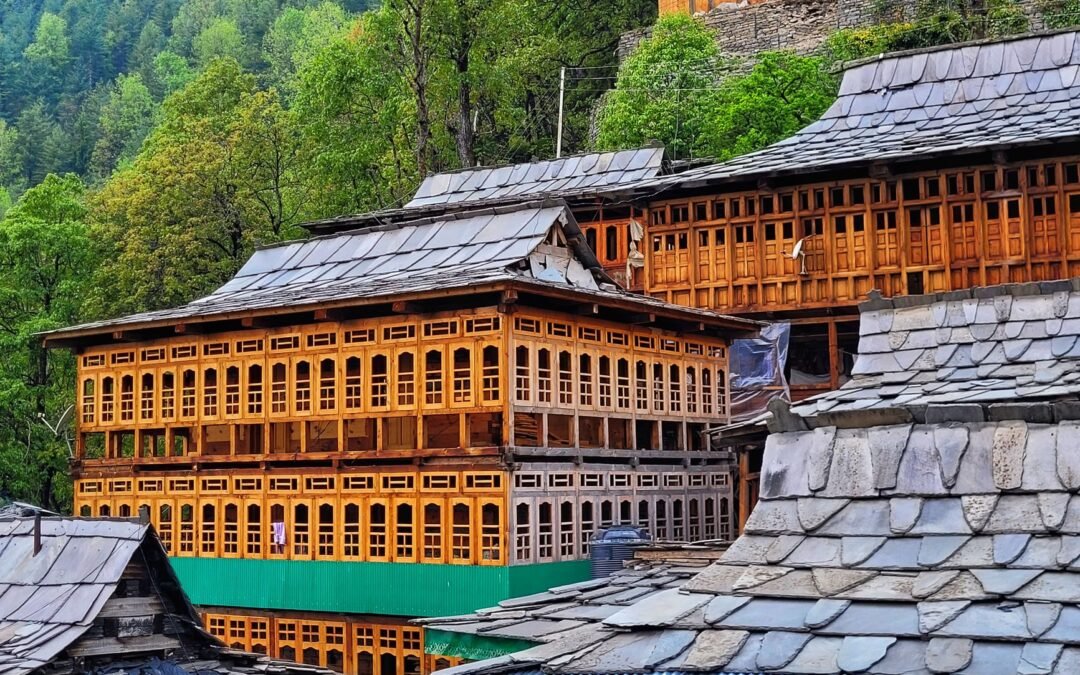
- Jibhi is a serene offbeat destination perfect for nature lovers seeking peace away from crowded tourist spots in Himachal Pradesh
- The village is accessible via Aut or Banjar and requires careful planning during monsoon and winter months
- Jibhi Waterfall, Jalori Pass, and Serolsar Lake are must-visit attractions within short distances from the village
- Traditional Himachali homestays offer authentic local experiences with home-cooked meals and warm hospitality
- April to June and September to November are ideal months to visit for pleasant weather and clear mountain views
Introduction
Tucked away in the Banjar Valley of Himachal Pradesh’s Kullu district, Jibhi is a revelation for travellers weary of crowded hill stations and commercialised mountain retreats. This unassuming hamlet, sitting quietly at an elevation of 1,650 metres above sea level, has retained an authenticity that seems increasingly rare in today’s Instagram-driven tourism landscape. With its traditional Himachali architecture, gurgling streams cutting through dense deodar forests, and a pace of life that encourages you to simply breathe and exist, Jibhi represents everything that the Indian Himalayas were meant to be—serene, unspoiled, and profoundly rejuvenating.
What makes Jibhi particularly special is its resistance to the conventional tourist infrastructure that has transformed many of its neighbouring destinations. There are no flashy resorts here, no bustling marketplaces selling identical souvenirs, and certainly no traffic jams. Instead, you’ll find homestays run by local families, cafes where conversations flow as freely as the mountain streams, and trails that lead to waterfalls and temples known only to those willing to wander off the beaten path. The village has emerged as a favourite among digital nomads, solo travellers, and couples seeking an authentic mountain experience without sacrificing basic comforts.
Whether you’re looking to disconnect from the chaos of urban life, immerse yourself in Himachali culture, or simply find a quiet corner to read that book you’ve been carrying around for months, Jibhi offers a canvas for your own kind of mountain escape. This comprehensive guide will help you navigate everything this enchanting destination has to offer, from reaching its moss-covered trails to finding the perfect homestay where your hosts become friends by the time you leave.
Quick Facts About Jibhi
| Altitude | 1,650 metres (5,413 feet) above sea level |
| Best Time to Visit | March to June and September to November |
| Distance from Nearest City | Bhuntar: 48 km | Aut: 18 km | Kullu: 62 km |
| Nearest Airport | Bhuntar Airport (Kullu-Manali Airport): 48 km |
| Nearest Railway Station | Joginder Nagar: 125 km | Chandigarh: 275 km |
| Permits Required | None required for Jibhi village |
| Temperature Range | Summer: 15°C-25°C | Winter: -2°C-10°C | Monsoon: 12°C-20°C |
| Approx Budget per Day | Budget: ₹1,000-₹1,500 | Mid-range: ₹2,000-₹3,500 | Comfortable: ₹4,000+ |
Why Visit Jibhi
Unlike the well-trodden paths of Manali or Shimla, Jibhi offers something increasingly precious in the age of overtourism: genuine tranquillity paired with authentic cultural immersion. The village’s traditional Himachali architecture—wooden houses with sloping slate roofs, intricate wooden carvings on doorways and balconies, and small courtyard gardens—provides a living museum of mountain life that has evolved organically over centuries rather than being reconstructed for tourist consumption.
The Jibhi stream, locally known as the Jibhi Nallah, serves as the village’s lifeline and natural soundtrack. Walking along its banks, crossing the small wooden bridges that connect different parts of the hamlet, and listening to its constant gurgling creates a meditative atmosphere that works its magic slowly but surely. The surrounding deodar and pine forests are dense enough to offer genuine wilderness experiences, yet accessible enough that even casual walkers can explore them comfortably.
What truly distinguishes Jibhi is its emerging status as a hub for conscious travellers and remote workers. The village has struck a remarkable balance—offering decent internet connectivity, comfortable cafes with power outlets, and mobile network coverage, while maintaining its rustic charm and traditional lifestyle. You can work on your laptop in the morning at a cafe overlooking apple orchards, then spend the afternoon hiking to a hidden waterfall known only to locals. This duality makes Jibhi particularly appealing to digital nomads, freelancers, and anyone who can work remotely while craving a complete change of scenery.
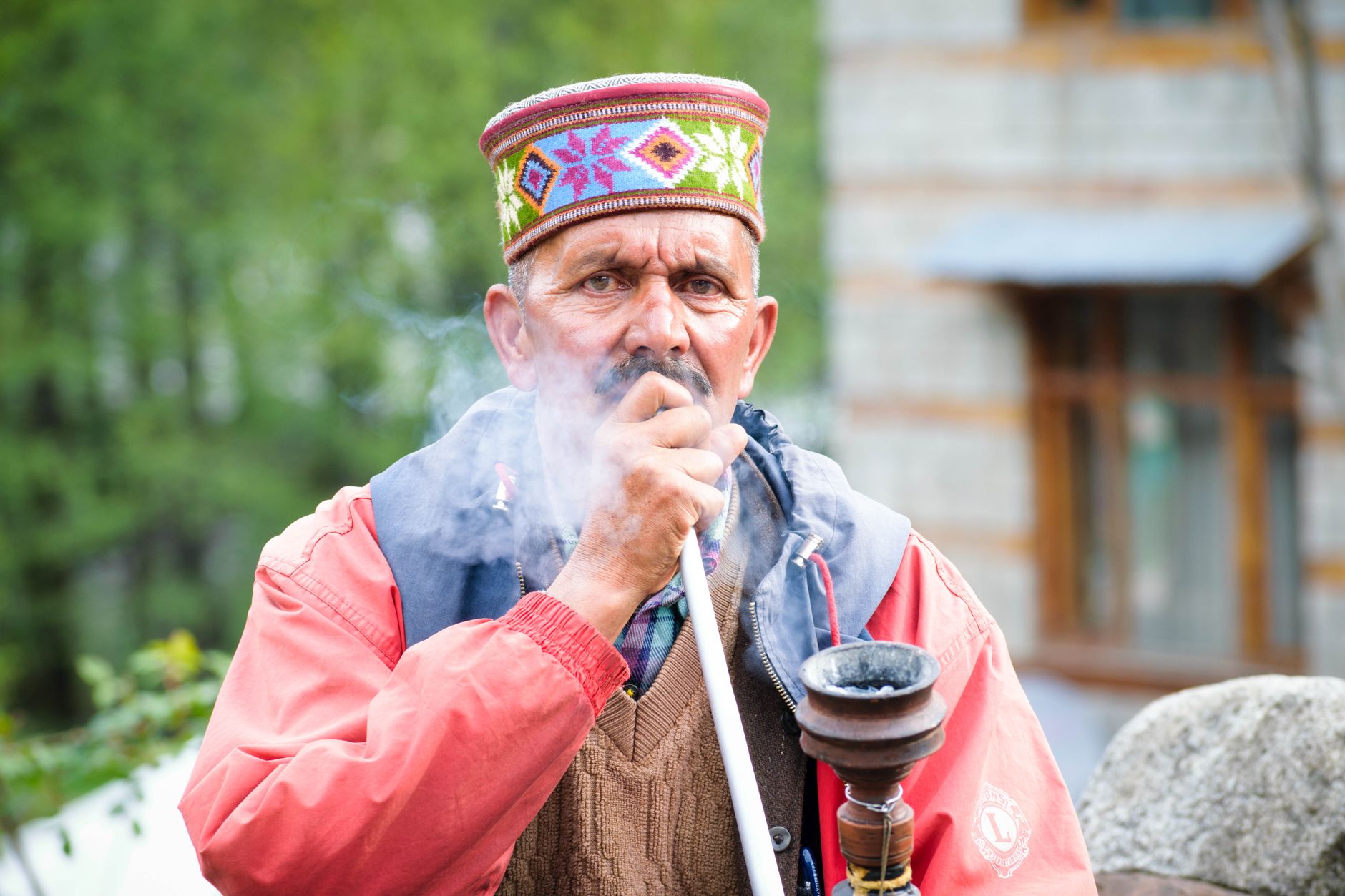
The local community’s approach to tourism also sets Jibhi apart. Rather than constructing large hotels, families have converted portions of their homes into homestays, allowing visitors to experience genuine Himachali hospitality. You’ll find yourself drinking butter tea with your hosts, learning about local festivals, and receiving recommendations for trails and viewpoints that no guidebook mentions. This community-based tourism model ensures that the economic benefits of tourism flow directly to local families, making your visit contribute meaningfully to the village’s prosperity without disrupting its character.
How to Reach Jibhi
By Air: The nearest airport is Bhuntar Airport (also called Kullu-Manali Airport), located approximately 48 km from Jibhi. This small airport receives limited flights, primarily from Delhi and Chandigarh on Alliance Air and some private carriers. From the airport, you can hire a private taxi to Jibhi, which costs between ₹1,500-₹2,000 and takes about 2-2.5 hours depending on road conditions. The drive follows the Aut-Banjar road, offering spectacular valley views. Alternatively, you can take a local bus to Aut (₹50-₹80) and then another bus or shared taxi to Jibhi (₹30-₹50).
By Train: The nearest functional railway station is Joginder Nagar, about 125 km away, but it’s not well-connected to major cities. A more practical option is to take a train to Chandigarh Railway Station (275 km from Jibhi), which connects to most major Indian cities including Delhi, Mumbai, Kolkata, and Bangalore. From Chandigarh, you can board a Himachal Road Transport Corporation (HRTC) bus to Aut (approximately ₹350-₹450, 7-8 hours) or hire a taxi (₹4,500-₹6,000). From Aut, Jibhi is just 18 km further, accessible by local bus (₹30-₹40) or taxi (₹400-₹600).
By Road from Delhi: Jibhi is approximately 520 km from Delhi, making it a feasible road trip destination. The most common route is Delhi → Chandigarh → Bilaspur → Mandi → Aut → Jibhi. The journey takes 12-14 hours by car or taxi. Private taxis from Delhi to Jibhi cost between ₹10,000-₹14,000 depending on the vehicle type. Alternatively, you can take an overnight HRTC Volvo bus from Delhi to Aut (₹800-₹1,200, departing around 8:00 PM and reaching by 10:00-11:00 AM), then cover the final 18 km by local transport.
By Road from Chandigarh: At 275 km, Chandigarh is the nearest major city. Regular HRTC buses run from Chandigarh to Aut (₹350-₹450), from where local buses connect to Jibhi. Private taxis from Chandigarh cost ₹4,500-₹6,500 and take 7-8 hours. The route passes through Bilaspur, Sundernagar, and Mandi before reaching the Banjar Valley.
Local Transport: Once in Jibhi, the village is best explored on foot. However, for reaching nearby attractions like Jalori Pass or Tirthan Valley, you’ll need to hire local taxis. These typically cost ₹1,500-₹3,000 per day depending on the distance covered. Many homestays can arrange these vehicles, and it’s advisable to book in advance during peak season.
Best Time to Visit Jibhi
Spring (March to May): This is arguably the finest time to visit Jibhi. The weather is pleasant with daytime temperatures ranging from 15°C to 25°C, perfect for hiking, photography, and outdoor activities. The rhododendrons bloom across the hillsides, painting the landscape in vibrant reds and pinks. Apple and cherry blossoms add to the visual spectacle. Snow from higher elevations begins melting, increasing the volume of streams and waterfalls. Accommodation is available without prior booking in March and early April, though advance reservations are advisable for late April and May when school holidays bring more visitors. All cafes, guesthouses, and restaurants are fully operational.
Summer (June to August): June remains relatively pleasant, though it marks the beginning of the monsoon season, which intensifies in July and August. While the rain transforms Jibhi into an emerald paradise with lush forests and gushing waterfalls, it also brings challenges. Landslides can occasionally block roads, making travel unpredictable. The humidity increases, and leeches become active on forest trails. However, if you don’t mind the rain and prefer absolute solitude, this period offers the village at its most peaceful, with significantly lower accommodation rates (30-40% discounts are common). Pack waterproof gear and be prepared for potential travel delays.
Autumn (September to November): Post-monsoon autumn is another excellent window for visiting Jibhi. September still sees occasional showers but by October, the weather stabilizes beautifully. Clear skies offer stunning views of snow-capped peaks in the distance. Daytime temperatures range from 12°C to 20°C, gradually cooling as November approaches. This is apple harvest season, and you’ll see locals collecting apples from their orchards—some homestays even let guests participate. The forests display autumn colours, though not as dramatically as in higher-altitude destinations. October is particularly popular among photographers and trekkers. Book accommodation at least 2-3 weeks in advance for October and early November.
Winter (December to February): Winter in Jibhi is magical but requires preparation. Temperatures drop to -2°C to 10°C, with December and January seeing occasional to frequent snowfall depending on the year. The village transforms into a winter wonderland, but amenities become limited—many cafes and some guesthouses close for the season. Those that remain open offer significant discounts (up to 50% off summer rates). Roads generally remain open, though chains might be necessary during heavy snowfall. This period is ideal for travellers seeking complete isolation, cosy fireplace evenings, and the experience of a Himachali winter. Pack heavy woolens, and confirm accommodation availability before travelling as options are limited.
Top Things to Do in Jibhi
Trek to Jibhi Waterfall
The trek to Jibhi Waterfall is practically mandatory for any visitor and serves as an excellent introduction to the area’s natural beauty. Located about 3 km from the main village market, this relatively easy 45-minute hike takes you through dense deodar forests and alongside the gurgling Jibhi stream. The waterfall itself cascades down from about 30 feet, creating a natural pool at its base where you can wade during warmer months. The trail is well-marked and suitable for families with children, though proper walking shoes are recommended as the path can be slippery near the falls. Early morning visits offer the best light for photography and a chance to spot Himalayan birds along the way.
Explore Jalori Pass and Serolsar Lake
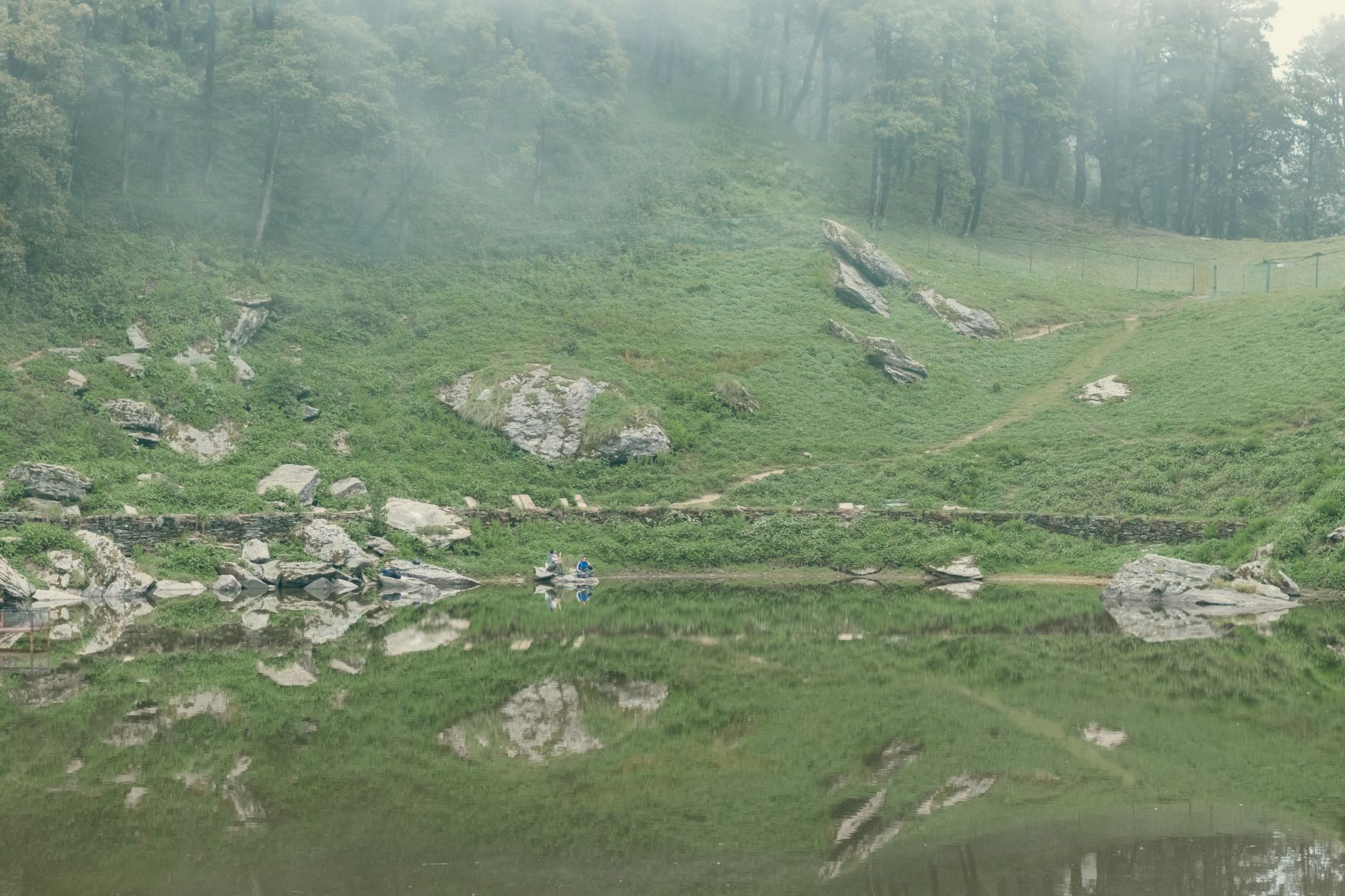
At 3,120 metres, Jalori Pass is about 23 km from Jibhi and offers one of the most rewarding day trips in the region. The drive to the pass itself is spectacular, with hairpin bends revealing panoramic views of the Himalayas. From the pass, a moderately challenging 5 km trek leads to Serolsar Lake, a sacred body of water surrounded by deodar forests and considered holy by locals. The entire round trip takes 4-5 hours, and the lake’s crystal-clear waters reflecting the surrounding peaks create a scene of remarkable tranquillity. Local taxis charge ₹1,500-₹2,000 for the round trip to Jalori Pass. Carry sufficient water and snacks, as there are limited facilities beyond a small dhaba at the pass.
Visit the Ancient Chehni Kothi
This UNESCO-tentative heritage site is an architectural marvel dating back over 1,500 years. Located about 5 km from Jibhi in Chehni village, this tower-fort stands 40 metres tall with its distinctive earthquake-resistant wooden and stone construction. Built entirely without cement or mortar, the structure showcases the ingenious traditional building techniques of Himachal Pradesh. You can climb to the top floors (though the uppermost levels are restricted for safety), and the views from the accessible levels are spectacular. The village itself is worth exploring for its traditional homes and interactions with local families. A local taxi charges around ₹800-₹1,000 for the round trip, or you can undertake a scenic 90-minute walk each way.
Experience Village Life Through Homestay Culture
One of Jibhi’s most authentic experiences comes from simply slowing down and participating in the daily rhythms of village life at your homestay. Many hosts welcome guests to join them in their daily activities—whether it’s learning to prepare traditional Himachali dishes like siddu or patande, helping with apple harvests in autumn, or understanding the process of making local rhododendron juice. Evening conversations around the bukhari (traditional wood stove) offer insights into mountain life, local folklore, and stories of the region that no guidebook can provide. This immersive cultural exchange transforms your stay from mere accommodation into genuine hospitality and often results in lasting friendships.
Photography and Birdwatching Along Forest Trails
Jibhi and its surrounding forests offer exceptional opportunities for wildlife photography and birdwatching. The region is home to over 150 bird species including Himalayan monals, kalij pheasants, golden eagles, and various species of thrushes and warblers. The forest trails near Jibhi Waterfall and along the stream provide easy access to prime birdwatching spots. Early mornings between 6-9 AM offer the best sightings. The changing light through the deodar canopy, traditional wooden houses framed by mountains, and local women in traditional attire going about their daily work provide endless photographic subjects. Consider hiring a local guide (₹500-₹800 per day) who can identify bird calls and take you to less-travelled trails.
Cafe Hopping and Digital Detox Workations
Jibhi has developed a charming cafe culture that seamlessly blends productivity with mountain tranquillity. Cafes like The Jibhi Canteen, Mudhouse Experiential Hostels Cafe, and River Touch Cafe offer not just excellent coffee and food but also reliable WiFi, comfortable seating, and valley views that make working remotely a genuine pleasure. Many digital nomads spend weeks here, working during the mornings and exploring during afternoons. Even if you’re not working remotely, spending a few hours in these cafes with a book, journal, or simply conversation has become an integral part of the Jibhi experience. Most cafes serve a fusion menu combining Himachali, Italian, and Israeli cuisines, with meals costing ₹150-₹400 per person.

Where to Stay in Jibhi
Budget Options (₹500-₹1,500 per night): Jibhi offers excellent budget accommodation through traditional homestays where you’ll experience genuine Himachali hospitality. Raju Bharti Guesthouse is a perennial favourite among backpackers, offering clean rooms at ₹600-₹1,000 per night with home-cooked meals available for ₹200-₹300. Jibhi Heights Homestay provides basic but comfortable rooms at ₹800-₹1,200 with stunning valley views and a lovely garden. Himgiri Homestay charges ₹500-₹900 for simple rooms with common bathrooms, perfect for solo travellers on tight budgets. Most budget homestays include breakfast, and hosts are typically happy to prepare other meals on request. Don’t expect luxury amenities, but do expect warm hospitality, spotlessly clean accommodations, and genuine family atmospheres.
Mid-Range Options (₹1,500-₹3,500 per night): The mid-range category in Jibhi offers the sweet spot between comfort and authenticity. The Lost Tribe Hostel, despite the name, offers private rooms at ₹2,000-₹3,000 with modern bathrooms, comfortable beds, and an excellent in-house cafe. Jibhi Nature Camps provides Swiss tent accommodations at ₹2,500-₹3,500 including meals, combining adventure with comfort. Sunshine Himalayan Cottage features beautifully maintained wooden cottages at ₹1,800-₹2,800 per night with private balconies overlooking apple orchards. Trekker’s Abode offers rooms at ₹1,500-₹2,500 with attached bathrooms, hot water, and WiFi. These properties typically include breakfast and can arrange packed lunches and dinners for ₹300-₹500 per meal.
Splurge Options (₹3,500+ per night): For travellers seeking additional comfort while maintaining the Jibhi experience, several upscale options have emerged. The Hosteller Jibhi offers premium private rooms at ₹3,500-₹5,000 with contemporary design, excellent WiFi, a vibrant common area, and regular community events. Jibhi Highness Camps & Cottages features luxury wooden cottages at ₹4,000-₹6,000 with premium bedding, modern bathrooms with geysers, and valley-facing balconies. Jibhi Nature Stay provides boutique accommodation at ₹4,500-₹7,000 per night with personalized service, gourmet meals, and organized activities. These properties often include all meals, guided treks, and additional services like bonfires and barbecue evenings. Booking 3-4 weeks in advance is essential for these popular properties, especially during peak season.
Local Food & Cuisine
Jibhi’s culinary landscape offers an intriguing mix of traditional Himachali dishes and traveller-friendly cafe fare. The traditional Himachali cuisine here is wholesome, mildly spiced, and adapted to the mountain climate. Siddu is perhaps the most iconic local dish—a steamed bread made from wheat flour, stuffed with either poppy seeds, walnuts, or occasionally paneer, and served with ghee or clarified butter. It’s filling, delicious, and perfect for the mountain cold. Most homestays prepare excellent siddu for ₹50-₹80 per piece. Patande are thick, savoury pancakes made from wheat flour and served for breakfast with ghee or chutney, costing around ₹40-₹60 per serving.
Trout fish from the nearby Tirthan River features prominently on local menus. The fresh river trout, whether grilled, fried, or cooked in local spices, offers a delicate flavour that’s markedly superior to farmed varieties. Expect to pay ₹300-₹500 for a full trout preparation at most restaurants. Madra, a festive dish made from chickpeas or kidney beans cooked in yogurt-based gravy with mild spices, is another local favourite, especially during special occasions. Most homestays will prepare it on request for ₹150-₹200 per serving.
The Jibhi Canteen has achieved almost legendary status among visitors for its wood-fired pizzas (₹250-₹400), excellent coffee (₹80-₹150), and Israeli shakshuka (₹200-₹300). The cafe’s riverside location and cosy ambiance make it perfect for long, leisurely meals. Mudhouse Cafe at Mudhouse Experiential Hostels serves outstanding breakfast platters (₹200-₹350), including pancakes, eggs prepared multiple ways, and fresh fruit with yogurt. Their local trout curry (₹350) is exceptional. Jungle Book Cafe offers hearty Tibetan and Chinese options including momos (₹120-₹180), thukpa (₹150-₹200), and chowmein (₹140-₹180), alongside continental dishes.
River Touch Cafe serves excellent traditional Himachali thalis (₹250-₹350) featuring dal, seasonal vegetables, rice, and chapatis, alongside their popular lemon-ginger honey tea (₹60) which is perfect for cold evenings. Many homestays also serve traditional butter tea (₹30-₹50), an acquired taste but quintessentially Himalayan. For dessert or snacks, try locally made apple jam, available at small shops for ₹150-₹250 per jar, or fresh apples directly from orchards during harvest season at incredibly reasonable prices.
Practical Travel Tips for Jibhi
Permits and Documentation: Jibhi itself requires no special permits for Indian or foreign nationals. However, always carry a valid government-issued photo ID (Aadhar card, passport, driver’s license) as these are required for checking into any accommodation. If you plan to trek to higher altitudes or restricted areas nearby, check with your homestay or local tourism office for current regulations.
Mobile Network and Internet: BSNL provides the most reliable mobile network coverage in Jibhi, followed by Jio and Airtel. Vodafone and other networks have patchy or no coverage. Most cafes and mid-range to premium accommodations offer WiFi, though speeds can be inconsistent (typically 2-10 Mbps). If you’re planning a workation, inquire specifically about internet reliability before booking. Data connectivity fluctuates during heavy rains or snowfall. Consider purchasing a BSNL SIM if you need reliable connectivity throughout the valley.
ATM and Banking: The nearest ATM is located in Banjar town, approximately 8 km from Jibhi. This ATM (State Bank of India and Punjab National Bank) occasionally runs out of cash during weekends and holidays, especially in peak tourist season. Withdraw sufficient cash before reaching Jibhi or while in larger towns like Aut or Kullu. Most homestays, cafes, and shops operate on cash only. Some larger establishments accept UPI payments (Google Pay, PhonePe, Paytm), but don’t rely on this exclusively. Carry at least ₹5,000-₹10,000 in cash for a comfortable 3-4 day stay.
Medical Facilities: Jibhi has a small Primary Health Centre with basic facilities and a resident doctor available during working hours. For any serious medical issues, the nearest well-equipped hospital is in Aut (18 km) or the more comprehensive Kullu Hospital (62 km). Carry a personal first-aid kit with basic medications including those for altitude sickness, digestive issues, fever, cold, and any prescription medications you regularly need. Many homestay owners are knowledgeable about basic treatments and local remedies. Travel insurance covering medical evacuation is advisable, especially if you plan extensive trekking.
What to Pack: Layered clothing is essential as temperatures fluctuate significantly between morning and afternoon. Pack thermal wear for winter months (November-February), light woolens for spring and autumn, and rain gear for monsoons. Comfortable trekking shoes with good grip are crucial—the trails can be slippery. Bring a water bottle (refill at homestays rather than buying plastic bottles), sunscreen, sunglasses, a good quality flashlight or headlamp (power cuts are common), basic toiletries (limited shopping options in the village), books or e-readers, and a power bank for charging devices. Camera equipment with extra batteries is essential for photographers as charging opportunities may be limited during treks.
Safety Tips: Jibhi is remarkably safe with virtually no crime reported against tourists. The local community is welcoming and helpful. However, standard mountain safety applies: inform your homestay before heading out on treks, avoid trails after dark, don’t trek alone in isolated areas without local guidance, and be cautious near streams during and after heavy rains as water levels rise quickly. Women travellers report feeling completely safe, though solo trekking in very remote areas is best avoided. During winter, check weather forecasts and road conditions before travelling, as snowfall can close roads temporarily.
Responsible Tourism: Jibhi’s charm lies in its unspoiled nature and authentic culture—help keep it that way. Carry back all non-biodegradable waste; don’t litter trails or streams. Use refillable water bottles instead of buying plastic bottles. Respect local customs and dress modestly when interacting with villagers. Ask permission before photographing people or entering temples. Support local businesses—buy from village shops, eat at local eateries, and hire local guides rather than bringing everything from cities. Many homestays compost organic waste and use eco-friendly practices; participate in these efforts. Be mindful of water usage, as it’s a precious resource. Keep noise levels down, especially during early mornings and late evenings. If you see litter on trails, consider carrying some out—leave places better than you found them.
Essential Contacts: Save the contact number of your homestay/accommodation, local taxi services (most homestays can provide), nearest hospital in Aut (+91-1903-242006), and the Banjar Police Station (+91-1903-243006). The nearest police post to Jibhi is in Banjar town.
Final Thoughts
Jibhi represents something increasingly rare in India’s mountain tourism landscape—a destination that has embraced visitors without losing its soul. Unlike hill stations that have become extensions of the plains, complete with traffic, noise, and commercialization, Jibhi has maintained its quiet dignity. The village offers a masterclass in sustainable, community-based tourism where the economic benefits flow directly to local families, and the experience remains genuinely immersive rather than performatively “authentic.” Whether you spend your days hiking to hidden waterfalls, working from a cafe overlooking apple orchards, or simply sitting by the stream with nothing more than your thoughts, Jibhi provides the space for experiences that feel increasingly precious in our hyperconnected age.
The magic of Jibhi lies not in grand monuments or adrenaline-pumping activities, but in the small moments—the taste of fresh siddu with butter melting into it, the sound of the stream outside your window lulling you to sleep, conversations with your homestay hosts over chai that stretch into hours, and the realization that you haven’t checked your phone in half a day and don’t particularly want to. It’s a place that gently reminds you of rhythms and pleasures that modern life often obscures. So pack your bags, withdraw enough cash, and point yourself toward the Banjar Valley. Jibhi is waiting with its deodar-shaded paths, gurgling streams, and the promise of a mountain experience that feels less like a vacation and more like coming home to a place you’ve never been before. Your inner peace will thank you.
- Book homestays directly through phone calls rather than online platforms to get better rates and authentic local recommendations from hosts
- Visit the hidden Chehni Kothi tower fort early morning to avoid crowds and capture the best photographs in natural light
- Carry sufficient cash as ATMs are limited in Jibhi; the nearest reliable ATM is in Aut, 18 km away
- Try the local Siddu (steamed bread) at small village dhabas near the Jibhi bus stand for an authentic Himachali breakfast experience
- Hire local guides from the village for treks to Raghupur Fort and Lambri as trails are unmarked and easy to miss
Frequently Asked Questions about Jibhi
The best time to visit Jibhi is from March to June and September to November when the weather is pleasant and ideal for exploring. Summer temperatures range from 15°C-25°C, while autumn offers clear skies and comfortable conditions for sightseeing and outdoor activities.
Jibhi is located 48 km from Bhuntar Airport (Kullu-Manali Airport), which is the nearest airport. From Bhuntar, you can hire a taxi or take local transport to reach Jibhi, with the journey taking approximately 1.5-2 hours through scenic mountain roads.
Jibhi is situated at an altitude of 1,650 metres (5,413 feet) above sea level in the Banjar Valley of Kullu district. No permits are required to visit Jibhi village, making it easily accessible for all travelers.
The daily budget in Jibhi varies based on your preference: budget travelers can manage with ₹1,000-₹1,500, mid-range travelers should plan for ₹2,000-₹3,500, and those seeking more comfortable accommodations should budget ₹4,000 or more per day. Jibhi primarily offers homestays run by local families rather than flashy resorts.
Jibhi experiences varied temperatures throughout the year: summer (March-June) sees 15°C-25°C, winter (December-February) can drop to -2°C-10°C, and monsoon season (July-August) ranges from 12°C-20°C. Winter months can be quite cold with occasional snowfall.
Jibhi offers an authentic, unspoiled mountain experience away from crowded tourist destinations and commercialized retreats. The village has retained its traditional Himachali character with no flashy resorts or traffic jams, making it perfect for travelers seeking serenity, local culture, and a peaceful escape in the Indian Himalayas.